What red light therapy does to your body at the cellular level is more specific than most wellness content lets on, and if weight loss is part of what you’re after, it’s worth actually understanding before you write it off or dive in. Red light therapy has one of those reputations where people either swear by it or assume it’s a trend with a good marketing budget. The truth is somewhere more interesting than either of those takes.
What Red Light Therapy Does to Your Body: It starts with your mitochondria (stay with me)
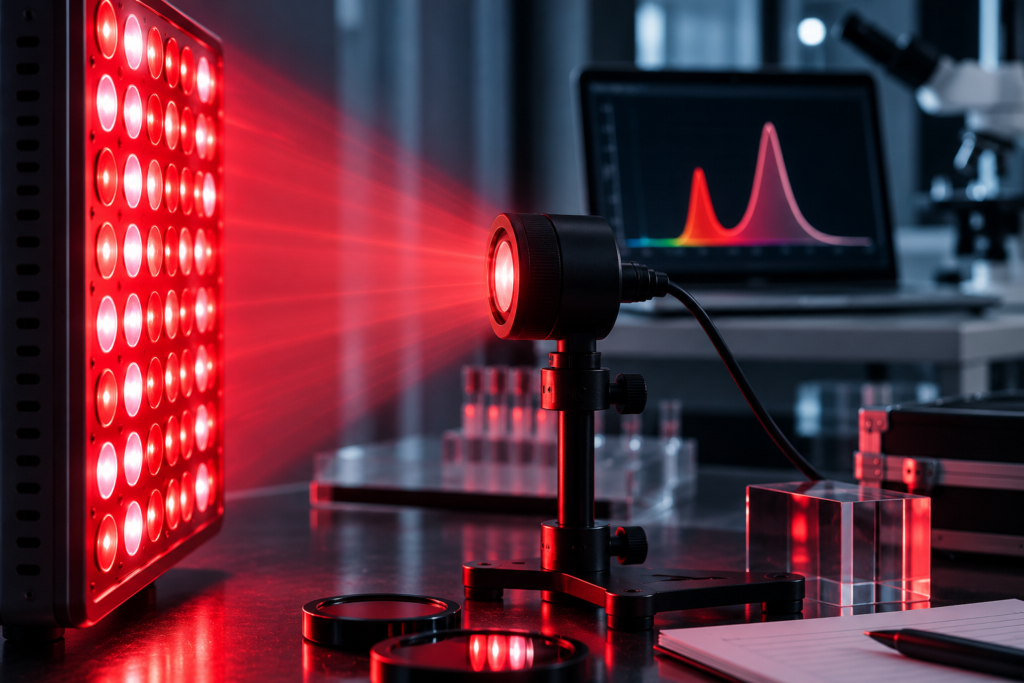
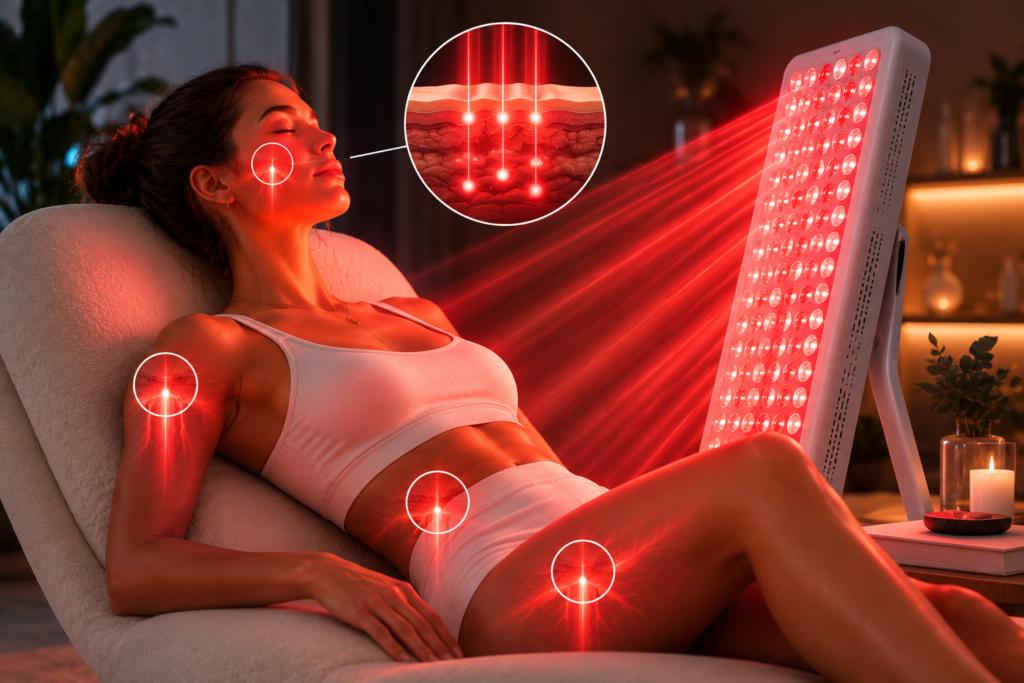
Everything red light therapy does in your body traces back to one place: the mitochondria. These are the structures inside your cells that produce ATP, your body’s energy currency. When the right wavelengths of red and near-infrared light penetrate the skin, they’re absorbed by an enzyme inside the mitochondria called cytochrome c oxidase. That absorption kickstarts a chain reaction that increases ATP production and improves how efficiently your cells are running.
Research published in NIH/PMC confirms that specific wavelengths of red and near-infrared light, in the 640-900 nm range, have measurable cellular effects and superior tissue penetration. When your cells are producing more energy more efficiently, everything downstream works better. That includes your metabolism.
What red light therapy does to your body: Fat cells
This is the part most people want to know about, and the research is more specific than the vague “supports weight loss” language you’ll see on many wellness sites.
When red light reaches fat cells (adipocytes), it activates the same mitochondrial pathway mentioned above. That activation triggers a secondary cascade involving cyclic adenosine monophosphate (cAMP), which regulates fat metabolism. The result is that fat cells develop temporary pores in their membranes and release stored lipids, a process called lipolysis. The body then either metabolizes the released lipids for energy or clears them through the lymphatic system.
A 2022 study published in PubMed examined this process directly in subcutaneous fat tissue. Using red and infrared wavelengths, researchers found that photobiomodulation promoted lipolysis through fat cell apoptosis in obese individuals. A clinical trial in the Journal of Cosmetic Dermatology also found significant reductions in abdominal circumference following LED photobiomodulation treatments. One four-week study with twice-weekly sessions resulted in participants reducing waist girth by roughly one inch without calorie restriction.
To be clear: this is not a replacement for diet and exercise. The research consistently shows the most meaningful results when red light therapy is used alongside lifestyle habits, not instead of them. What it does do is add a layer of cellular activity that supports the process.
The inflammation piece matters more than people realize
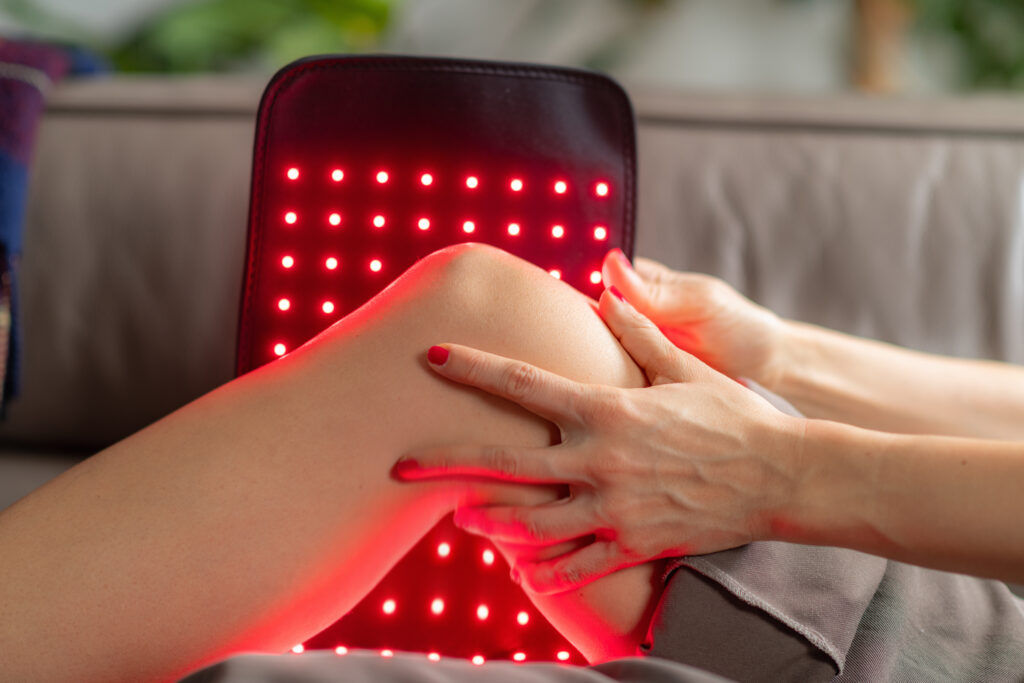
Here’s what red light therapy does to your body on the inflammation side, and it matters more for weight loss than most people realize: chronic low-grade inflammation makes it significantly harder to lose fat and keep it off. It messes with hormonal signaling, disrupts metabolic function, and creates a feedback loop that diet alone often can’t break.
Red light therapy has a well-documented anti-inflammatory effect. The NIH National Center for Complementary and Integrative Health lists photobiomodulation as a plausible adjunct therapy for inflammatory conditions. One controlled trial found that athletes who used red light before high-intensity exercise experienced significantly less muscle soreness at 24 hours compared with a placebo group, which was linked to lower blood lactate and reduced post-exertion inflammatory markers.
Less inflammation means your body is spending less energy on damage control and more on the things you actually want it doing, like recovering, regulating hormones, and metabolizing fat.
It also makes your workouts more useful
A recurring finding in the red light research is that it amplifies the effects of exercise when used around training sessions. NIH/PMC research on photobiomodulation and muscle recovery shows improvements in muscle repair, reduced fatigue, and faster recovery between sessions. If you’re working out to support your weight-loss goals, the recovery piece matters. You can train more consistently, feel less beat up, and build the kind of lean muscle that actually raises your resting metabolic rate over time.
So, is it a weight-loss tool?
Not in the “sit under a light and lose 10 pounds” way. But that’s not what the science is saying anyway. The research actually supports that what red light therapy does to your body goes beyond surface-level wellness claims; it works at the cellular level to improve the conditions your body needs to function well. Better mitochondrial efficiency, reduced inflammation, lipolysis in fat cells and faster recovery after exercise. Taken together, those are meaningful factors in the weight loss equation.
Think of it less like a shortcut and more like removing some of the friction.