The Complete Red Light Therapy Guide
What is Red Light Therapy?
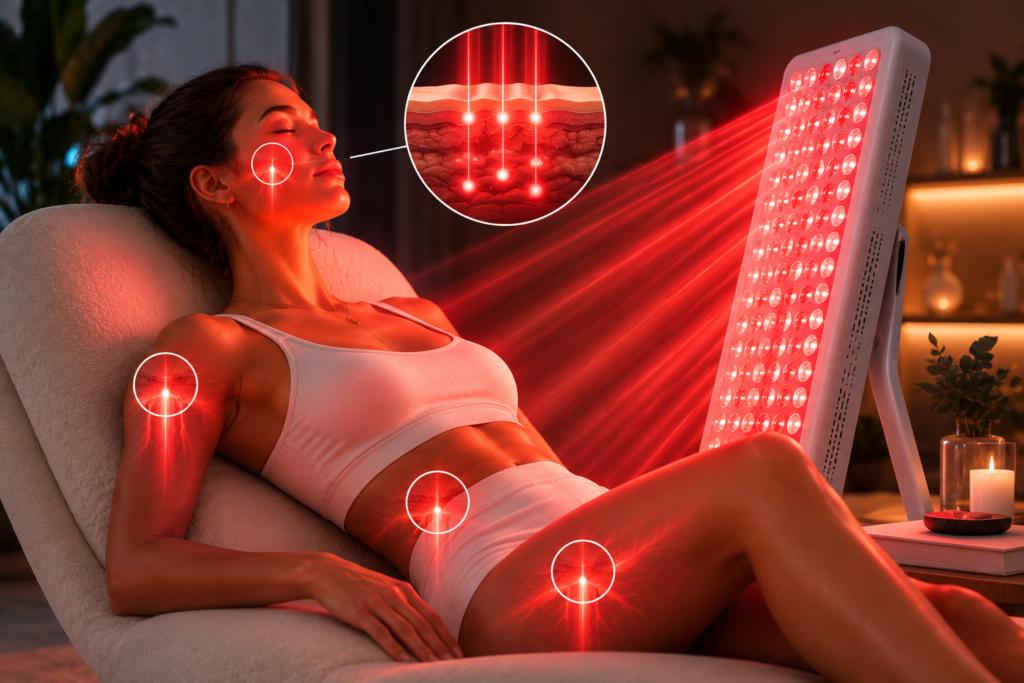
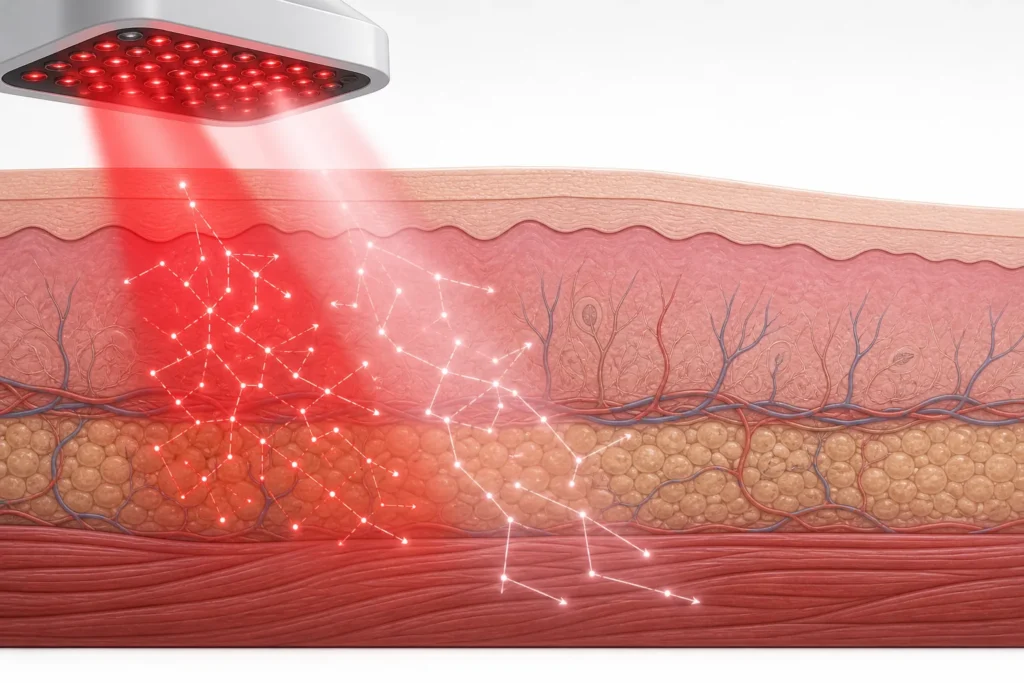
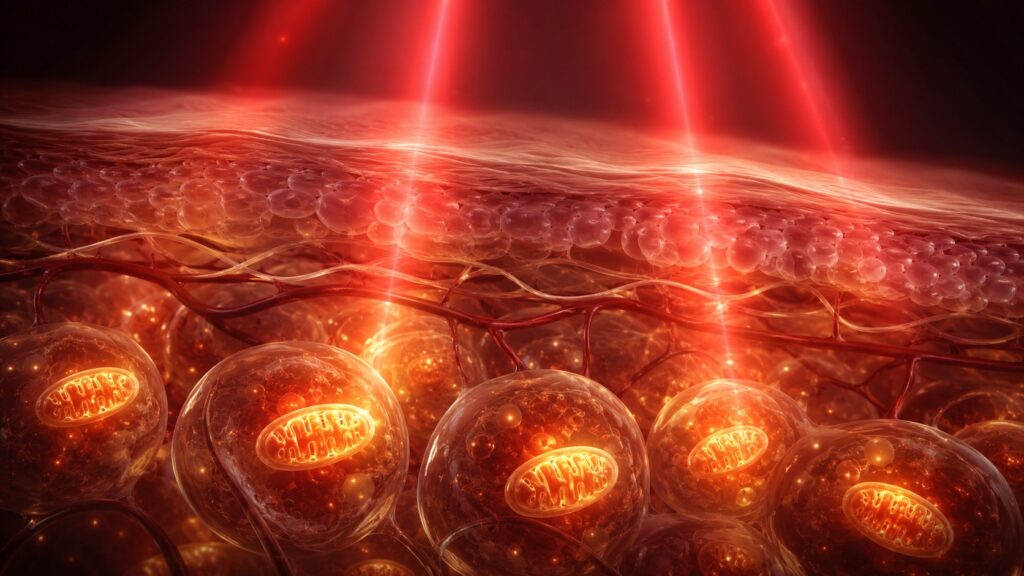
How Red Light Therapy Works
Wavelengths Explained: 660nm vs 850nm
Red light therapy devices emit light at specific wavelengths, measured in nanometers (nm). Two ranges do most of the work: red light around 660nm and near-infrared (NIR) around 850nm. Many quality devices combine both. Which matters most depends on your goal — and results depend on wavelength, dose, distance, consistency, and the individual.
Red light (~660nm)
660nm red light is absorbed close to the surface, so it is most often associated with skin tone, texture, and surface-level support. It appears as a bright, visible red glow.
Near-infrared (~850nm)
850nm near-infrared light is invisible and penetrates deeper, which is why it is commonly discussed for muscles, joints, and recovery. Some users report combining 660nm and 850nm for broader coverage.
| Red ~660nm | Near-infrared ~850nm | |
|---|---|---|
| Visibility | Visible red glow | Invisible to the eye |
| Penetration | Surface & skin | Deeper tissue |
| Often discussed for | Skin tone & texture | Muscles, joints, recovery |
Types of Red Light Therapy Devices
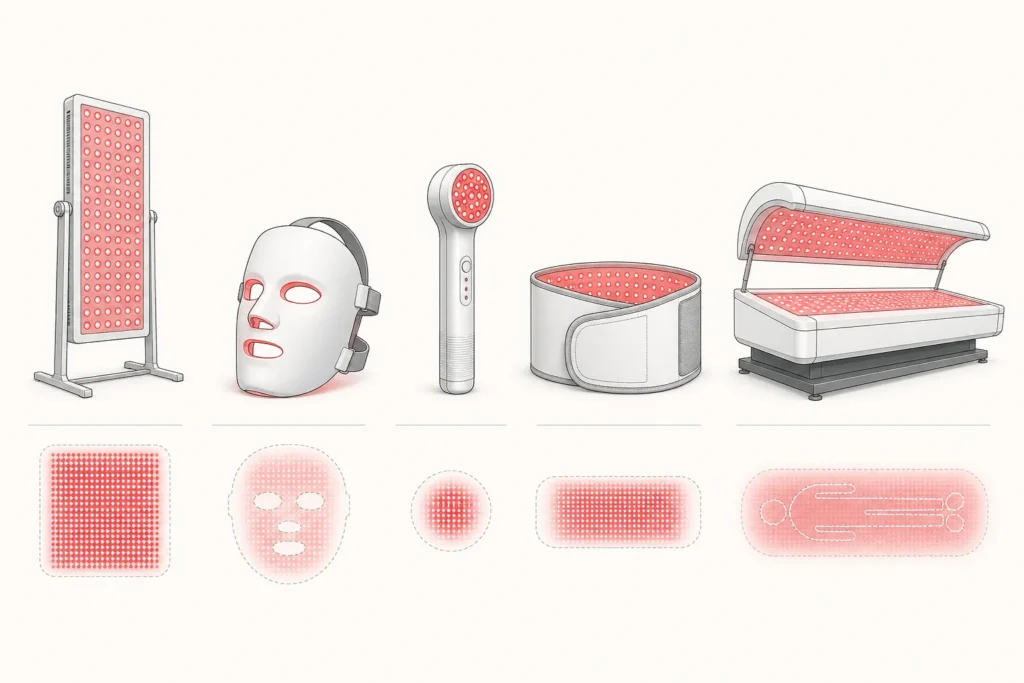
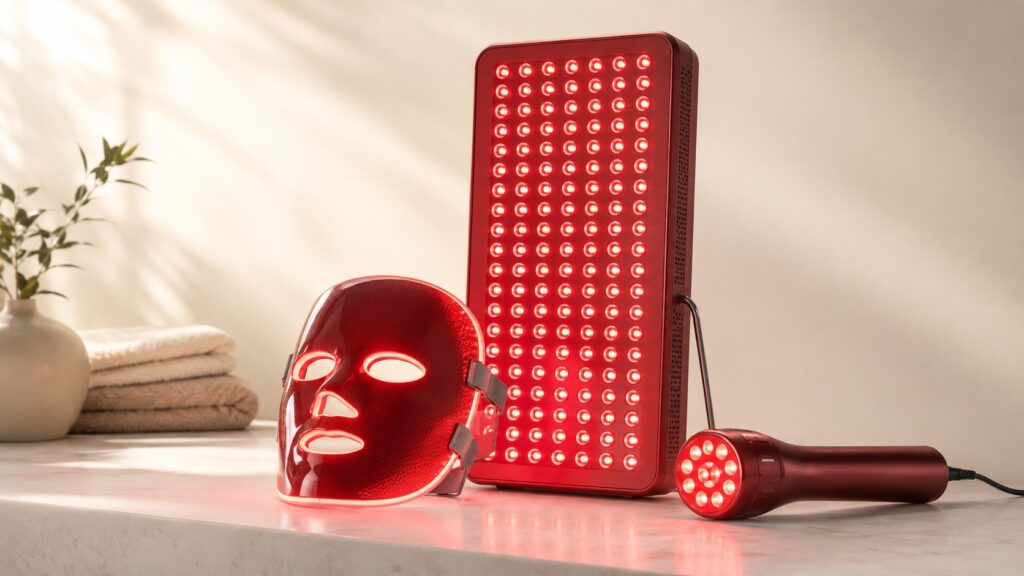
Red light therapy comes in several device formats. The right one depends on the area you want to treat, your budget, and how consistently you can use it. Most quality devices use red light around 660nm, near-infrared around 850nm, or both.
Panels
Larger panels cover more of the body at once and are popular for full-torso or full-body sessions. They typically offer higher power output and let you adjust treatment distance.
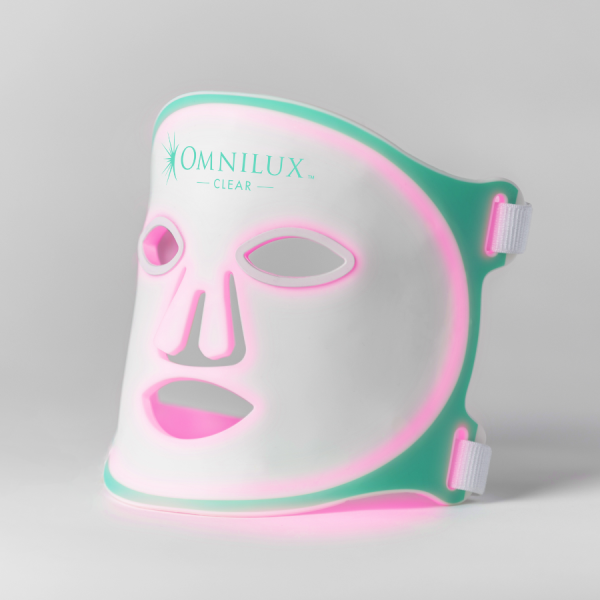
Masks
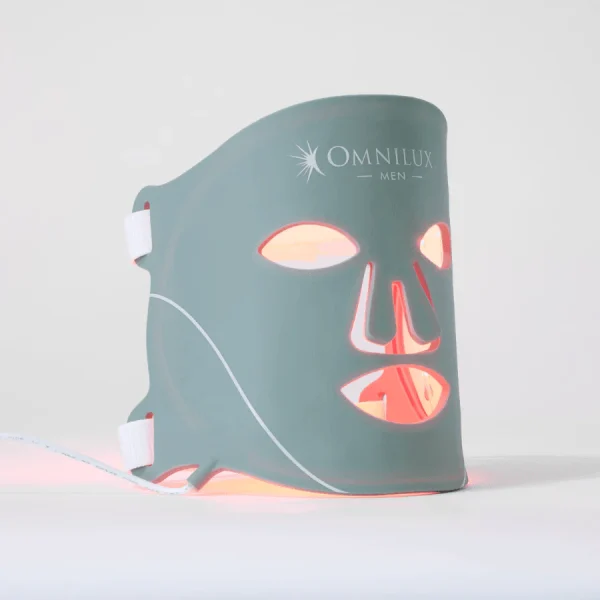
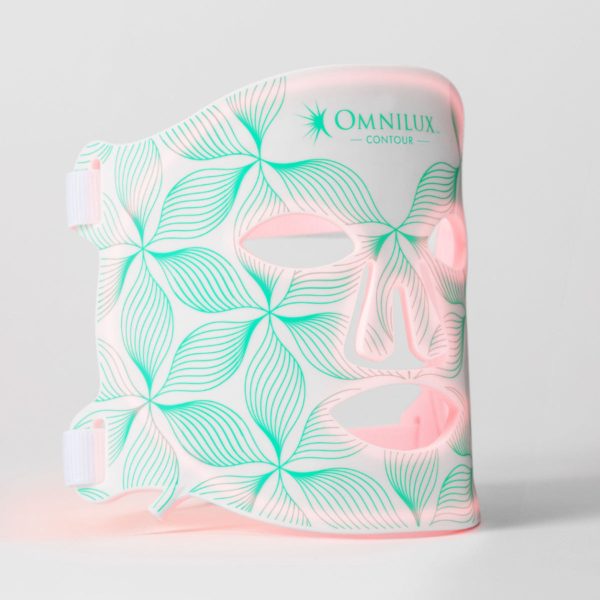
Face masks are shaped to sit close to the skin of the face and are commonly chosen for skin tone and texture goals. They are convenient but cover a small, fixed area.
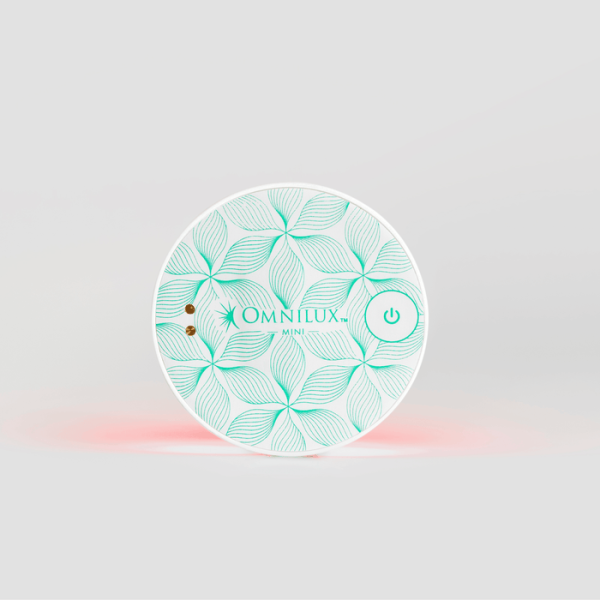
Handhelds & Wands
Handheld devices and wands are portable and well suited to targeting a small, specific spot. Treating larger areas with them simply takes longer.
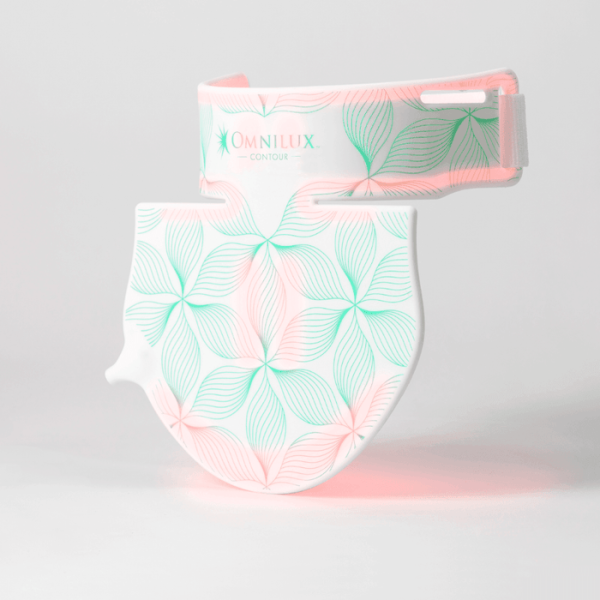
Wraps & Belts
Flexible wraps and belts fasten around joints or muscle groups — knees, shoulders, or the waist — for close, hands-free contact during recovery-focused use.
Full-Body Beds
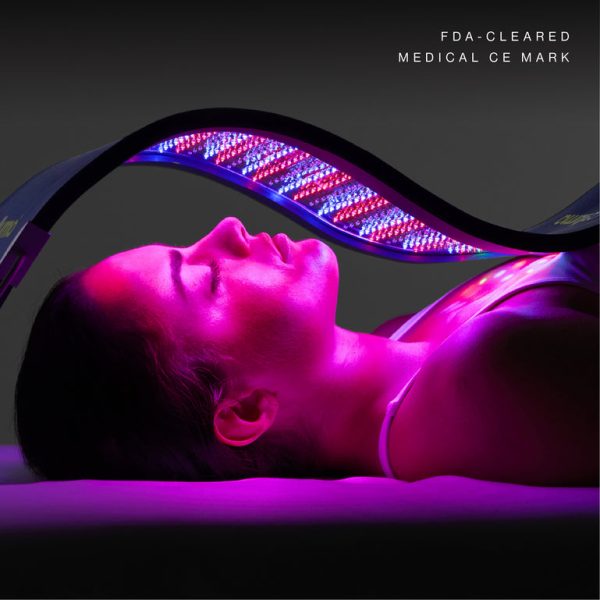
Full-body beds surround you with light for whole-body exposure in a single session. They are most often found in clinics and spas rather than the home.
| Device | Best for | Coverage |
|---|---|---|
| Panels | Torso / full-body | Large |
| Masks | Facial skin | Small |
| Handhelds & wands | Spot targeting | Very small |
| Wraps & belts | Joints & muscles | Medium, hands-free |
| Full-body beds | Whole body | Largest (clinic) |
What the Research Suggests
Research into red light therapy is growing, though it varies in quality and is still emerging in many areas. With that caveat, studies and user reports most often point to a few areas where it may support results:
- Skin — tone, texture, and the look of fine lines
- Recovery & comfort — muscle recovery and everyday aches
- Sleep & mood — some users report easier wind-down and steadier mood
Benefits are not guaranteed and depend on wavelength, dose, distance, consistency, and the individual. Red light therapy is not a substitute for medical care.
Choosing the Right Device
Quick buying checklist:
- Wavelengths: ideally both 660nm red and 850nm near-infrared
- Irradiance (power output) and the distance it’s measured at
- Treatment area size vs the body part you care about
- Build quality, timer, and a clear manufacturer dosing guide
- Third-party testing or FDA clearance where claimed
- Budget and warranty
How to Use Red Light Therapy: Dose, Distance & Consistency
Getting results is less about any single session and more about the right dose over time. A few fundamentals matter most, and the ideal settings depend on wavelength, dose, distance, consistency, and the individual.
Distance
Most panels are used roughly 6–12 inches from the skin; masks and wraps sit directly against it. Closer means a stronger dose in less time, but follow the manufacturer’s guidance for your specific device.
Time & Frequency (Dose)
Sessions commonly run a few minutes to around 15–20 minutes per area, several times per week. More is not automatically better — consistent, moderate sessions tend to matter more than occasional long ones.
Consistency
Treating the same area regularly over several weeks is where most people report seeing change. Build it into a routine you can actually keep.
Safety & Who Should Ask a Doctor First
Red light therapy (660nm red and 850nm near-infrared) is generally considered low-risk for most people when used as directed, and it does not use UV light. Even so, it is not right for everyone, and you should ask a qualified medical professional first if you have any health concerns or take medication. Always use appropriate eye protection and avoid staring into the light, especially with near-infrared, which is invisible.
Medical disclaimer: This guide is for general education only and is not medical advice. It does not diagnose, treat, or cure any condition. Please ask a qualified medical professional first — and avoid or seek guidance before use — if any of the following apply to you:
- Pregnancy
- Active or suspected cancer
- Photosensitizing medications
- Photosensitizing conditions
- Certain antibiotics (e.g. some that increase light sensitivity)
- Retinoids (e.g. isotretinoin or topical retinoid use)
- Lupus or other autoimmune light-sensitivity
- Recent cortisone or steroid use (oral, injected, or topical)
- Direct exposure over the thyroid (front of the neck)
- Eye conditions or any direct eye exposure — always wear eye protection
- Any serious or unmanaged medical condition
When in doubt, check with your doctor before starting.
Frequently Asked Questions
Does red light therapy really work?
660nm vs 850nm — what’s the difference?
How long and how often should I use it?
Sessions are commonly a few minutes up to about 15–20 minutes per area, several times a week. Consistency over weeks tends to matter more than long one-off sessions. Follow your device’s guidance.
Is red light therapy safe for the eyes?
Always use appropriate eye protection and avoid looking directly into the light — near-infrared is invisible, so you may not notice the exposure.
Who should avoid it or check with a doctor first?
Related Guides

Red Light Therapy for Skin: 5 Proven Ways It Supports Collagen Production
Collagen is the structural protein that keeps skin firm, smooth,

Red Light Therapy for Sleep vs. Melatonin Supplements: 5 Honest Pros and Cons
If you’ve been having trouble sleeping, you’ve probably come across

Choosing the Best Red Light Therapy Device for Sleep in 2026: What to Look For
Discover how to choose the right red light therapy device

Red Light Therapy and Wind-Down Rituals for Busy Professionals
Short on time at night? Build a realistic wind-down for

Red Light Therapy and Seasonal Sleep Changes
Seasonal daylight shifts affect sleep and the body clock. See

How Long Before Bed Should You Use Red Light Therapy?
Wondering when to use red light therapy before bed? Learn
Top Product Reviews
See how specific red light therapy devices — panels, masks, wraps and more — stack up in our hands-on reviews.
Brands We’ve Reviewed
Compare the leading red light therapy brands and what each is known for.
Vital Red Light
Premium therapy devices
Dermabeam
Your perfect combo for better skin
Omnilux
Future you is glowing
Celluma
Celluma LED Light Therapy Devices for Pain Relief, Skin Health & Wellness
GembaRed
Red and near-infrared LED light panels