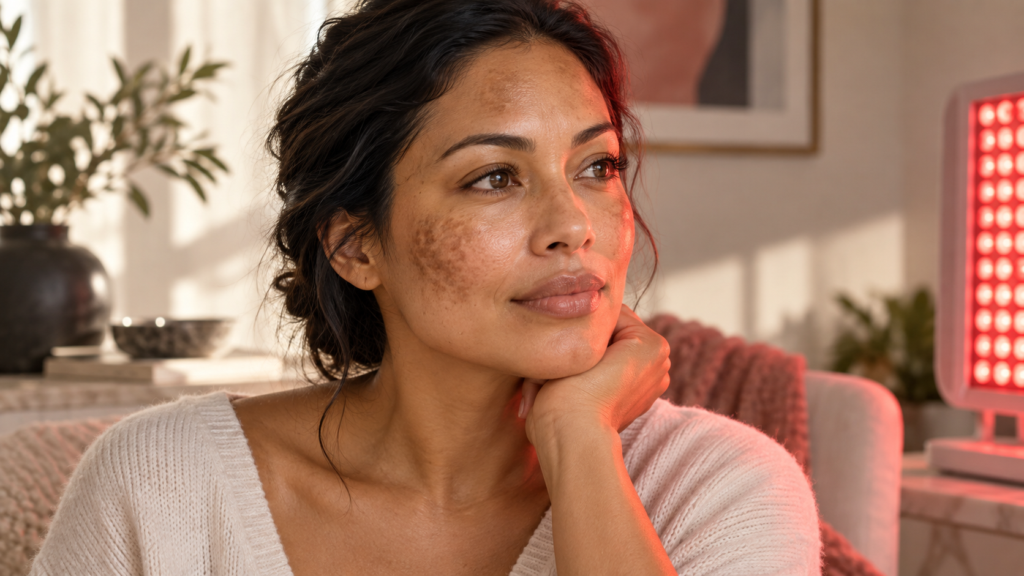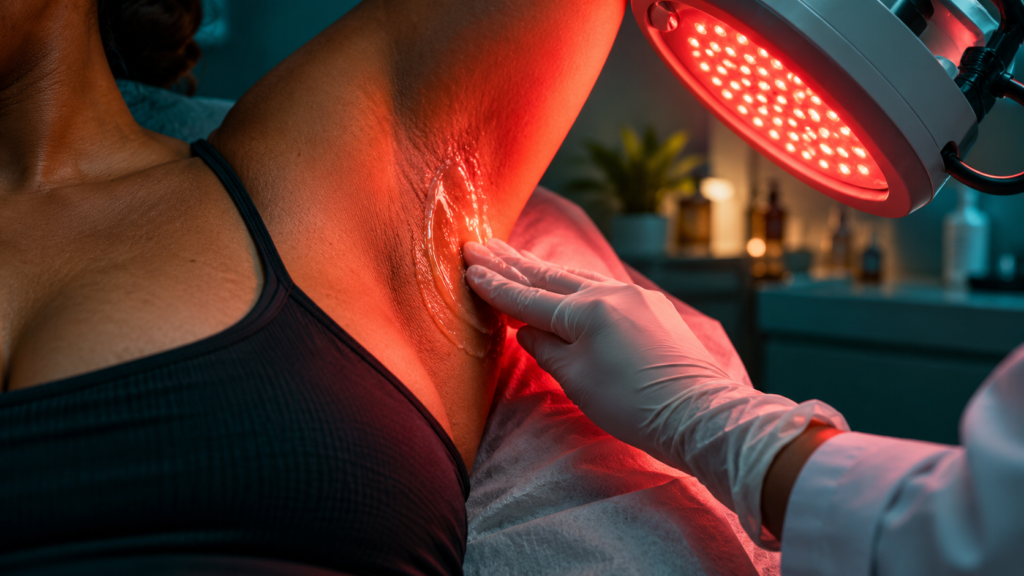
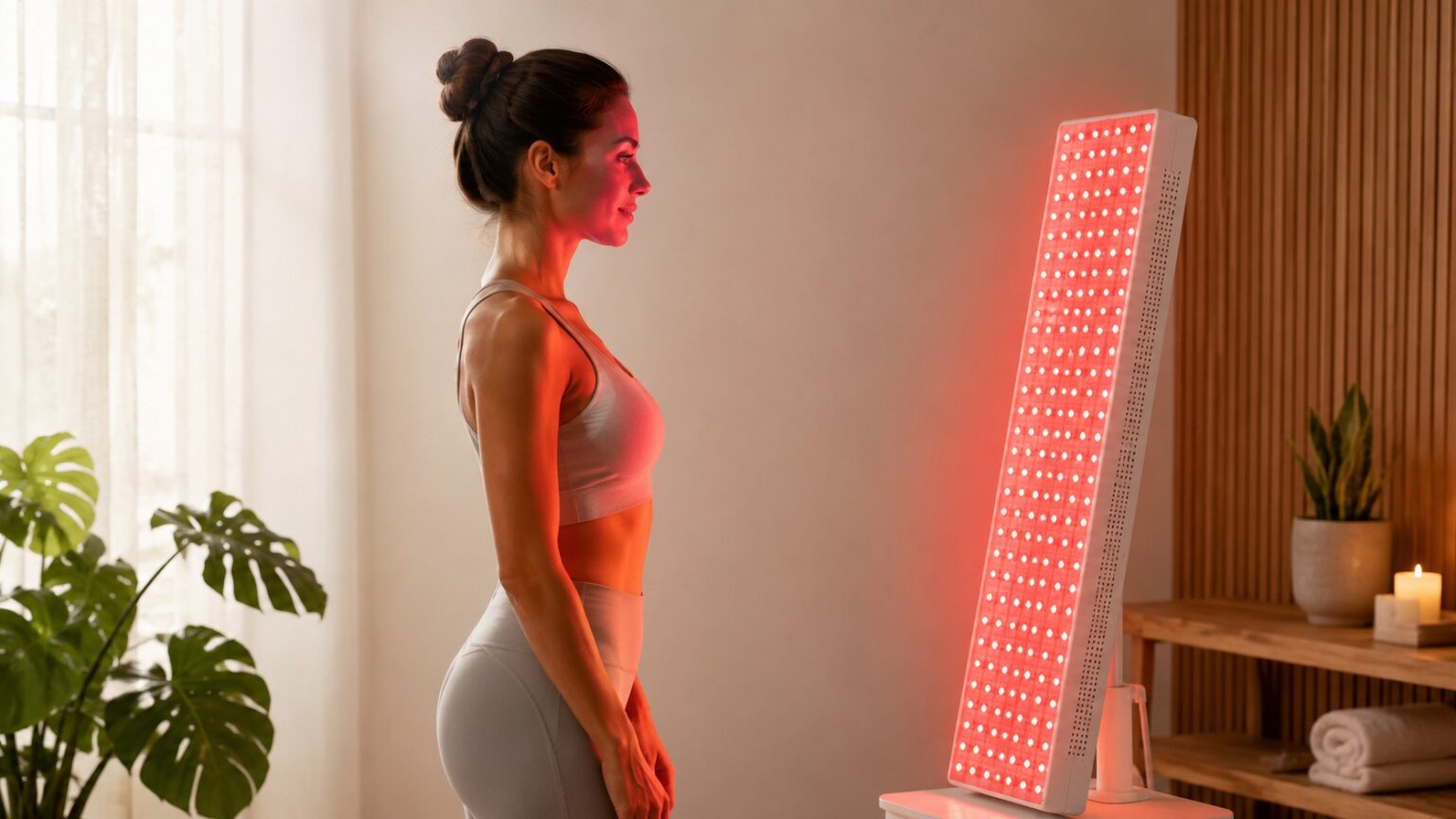
Red light therapy has moved from research labs and dermatology offices into homes, gyms, and wellness studios. With that popularity has come a wave of bold marketing, which can make it hard to understand what the practice actually is. If you’ve ever wondered, “what is red light therapy,” this guide offers a clear, beginner-friendly explanation of how it works, what people commonly use it for, and what the current evidence does and does not support.
The short version: red light therapy is the use of low-intensity red and near-infrared light to gently stimulate cells in the body. It is not a heat lamp, a tanning bed, or a source of ultraviolet (UV) radiation. Understanding that distinction is the first step to using it sensibly.
Understanding what is red light therapy begins with recognizing that it uses low-intensity red and near-infrared light rather than heat or ultraviolet radiation.
What Is Red Light Therapy in Plain Language?
Red light therapy — also called photobiomodulation (PBM) or low-level light therapy (LLLT) — delivers specific wavelengths of light to the skin and, in some cases, deeper tissues. The light is bright but not hot enough to burn, and it does not contain the UV rays that cause sunburn or tanning. Devices range from small handheld units and face masks to large full-body panels. For beginners asking “what is red light therapy,” this simple definition provides the foundation for understanding the technology.
According to Cleveland Clinic, red light therapy uses low levels of red and near-infrared light to influence cells without damaging the skin. The goal is to support the body’s own processes rather than to force a dramatic change.
What Is Red Light Therapy Using? The Light Behind the Name
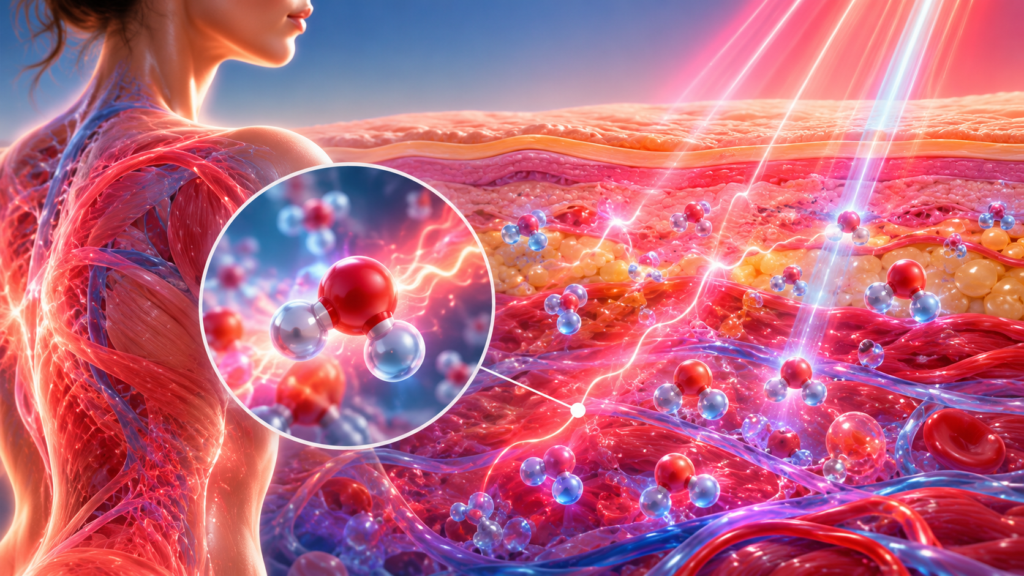
Two broad bands of light are used in most consumer devices. Visible red light, roughly 630 to 660 nanometers (nm), produces the familiar red glow and tends to act on the skin’s surface and the layers just beneath it. Near-infrared light, roughly 810 to 850 nm, is largely invisible to the eye and can reach somewhat deeper into tissue.
Research measuring how far light travels in tissue confirms that longer near-infrared wavelengths generally penetrate more deeply than shorter red wavelengths. That is why many panels combine both: red for surface-level goals like skin appearance, and near-infrared for goals involving muscles or joints.
What Is Red Light Therapy Thought to Do?
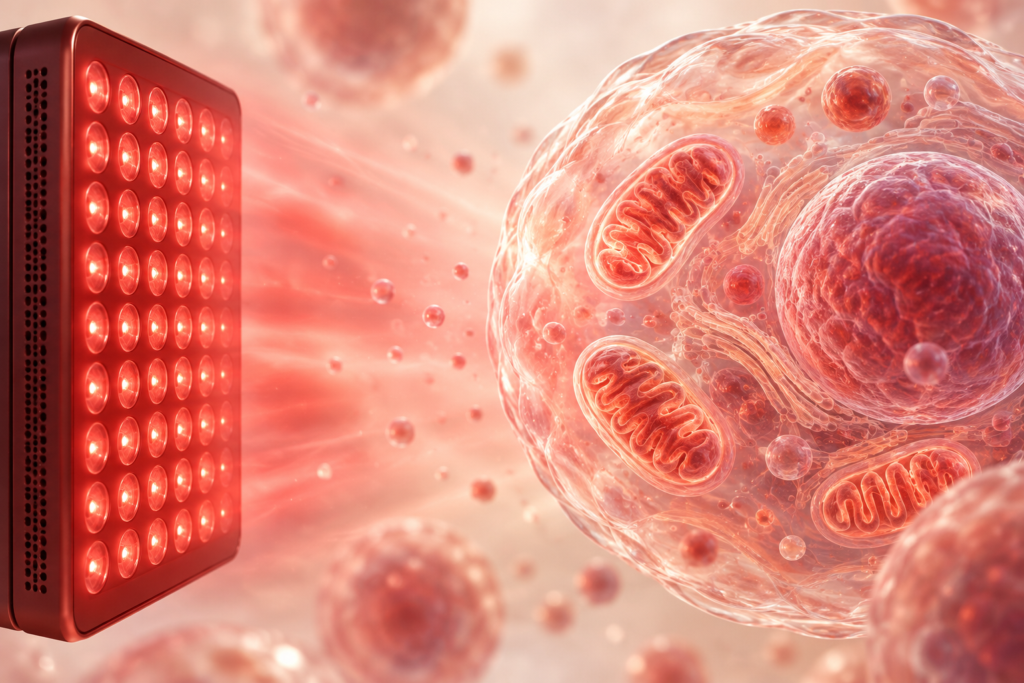
The leading explanation centers on the mitochondria, the energy-producing structures inside cells. Researchers, including Michael Hamblin and colleagues, propose that red and near-infrared light is absorbed by an enzyme called cytochrome c oxidase, part of the cellular energy chain. This absorption may help cells produce energy (ATP) more efficiently and influence signaling molecules involved in repair and inflammation.
It is worth being honest about the state of the science: while the mitochondrial mechanism is well supported in laboratory studies, exactly how those cellular effects translate into real-world benefits for any given person is still being studied. Red light therapy is best understood as a way that may support normal cellular function, not a guaranteed fix.
Why People Ask, “What Is Red Light Therapy?”
People explore red light therapy for a range of wellness goals. Common reasons include supporting skin appearance (such as the look of fine lines or uneven texture), aiding exercise recovery, easing everyday muscle and joint discomfort, and building relaxing routines. Some of these uses have more research behind them than others.
Skin-related uses, for example, have been studied more extensively than uses for sleep or mood. That does not mean other uses are worthless, but it does mean expectations should be calibrated to the evidence. Some users report noticeable changes; others notice little. Individual results vary, and red light therapy is not a replacement for medical care.
What Is Red Light Therapy Supported by Evidence?
A growing body of small and medium-sized studies suggests red and near-infrared light, delivered at appropriate doses, may help with certain skin and recovery goals. At the same time, many studies are small, use different devices and settings, and report mixed results. Reviewers consistently note that more rigorous, standardized research is needed before strong claims can be made.
A useful principle from the research is that more is not always better. Studies on dosing describe a “biphasic” response, meaning a moderate dose may help while too much light can reduce or even reverse the benefit. This is one reason following device guidance on time and distance matters.
What Is Red Light Therapy Like During a Typical Session?
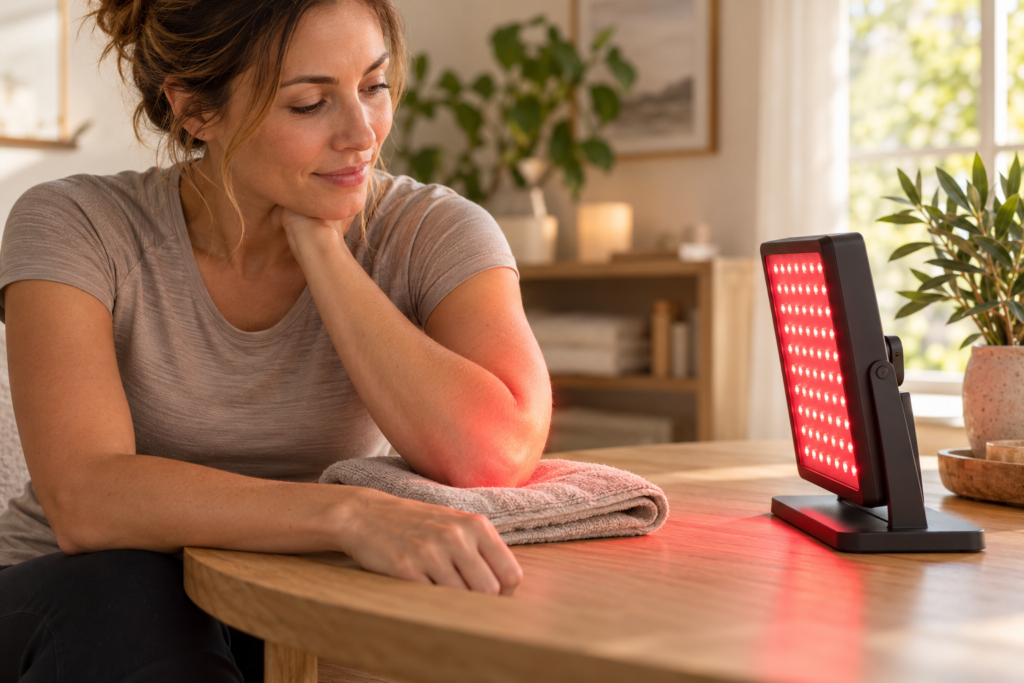
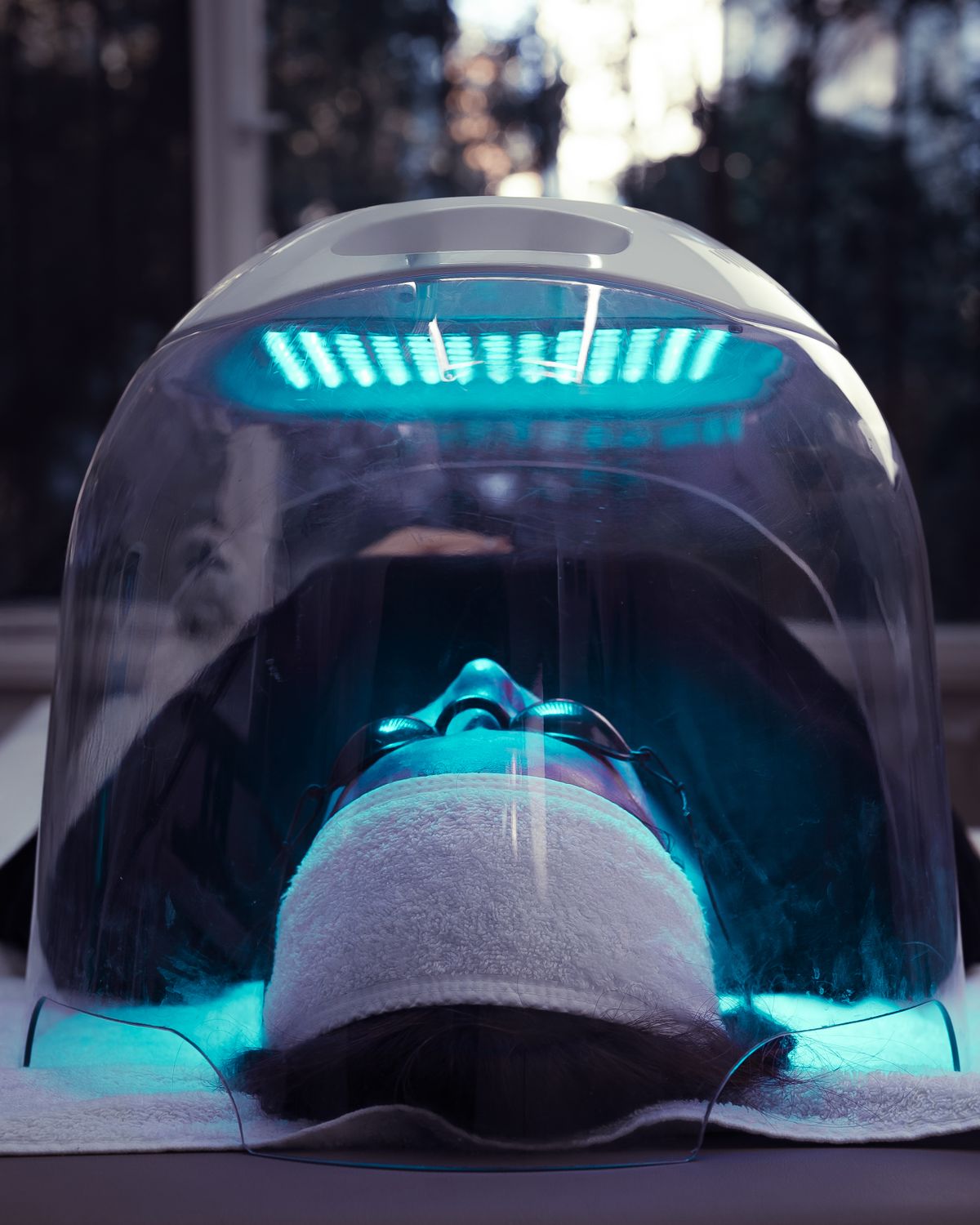
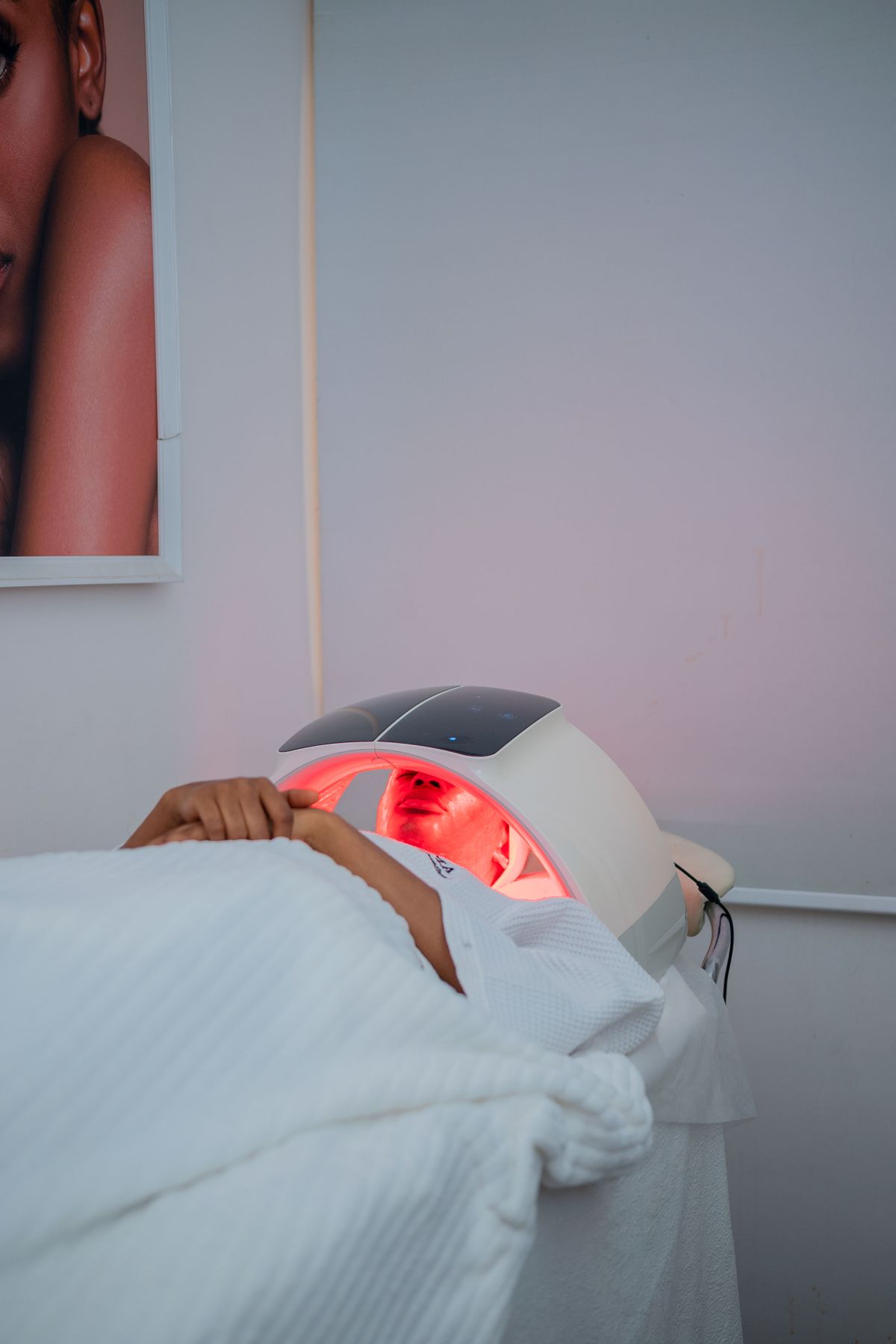
A session usually involves positioning the device at the recommended distance, exposing the target area of skin, and using it for a set number of minutes — often somewhere between five and twenty, depending on the device and goal. Many people use red light therapy several times a week. Consistency over weeks tends to matter more than any single session.
Safety and Who Should Be Cautious
For most healthy adults, red light therapy at consumer doses is generally considered low-risk, with reported side effects typically mild and temporary, such as brief warmth or redness. Even so, it is not automatically right for everyone. People who are pregnant, who have a condition that makes them sensitive to light, who take medications that increase light sensitivity, or who have an eye condition should talk with a healthcare professional first. Protecting the eyes from bright light is also a sensible precaution.
What Is Red Light Therapy Available As?
Red light therapy comes in several formats, and the right one depends on your goal and budget. Handheld units are small and inexpensive, useful for spot-treating a specific area but slow for larger goals. Face masks are shaped to deliver red — and sometimes near-infrared — light to the face for skin-related goals. Panels, which range from desktop size to full-length, cover more of the body at once and are popular for both skin and recovery routines. Wraps and belts fasten around a limb or the torso to target muscles and joints, while larger beds and full-body systems are usually found in clinics and studios. None of these is inherently superior; they simply suit different goals, budgets, and lifestyles.
Setting Realistic Expectations
If you’re still asking “what is red light therapy,” it’s equally important to understand what it cannot do. Most studies that report benefits involve weeks of consistent use rather than dramatic overnight results. Effects, when they occur, tend to be gradual and subtle rather than instant or transformative. Responses also vary from person to person, and what helps one individual may do little for another. Viewing red light therapy as one supportive habit within a broader routine — alongside good sleep, movement, and sensible skincare — tends to lead to a healthier and less disappointing experience than expecting it to work like a switch.
The Bottom Line
Red light therapy is a low-intensity light-based wellness practice with a plausible biological mechanism and encouraging but still-developing evidence. Approached with realistic expectations, attention to device guidance, and a willingness to check with a professional when needed, it can be a reasonable addition to a broader wellness routine — not a miracle, but not mere hype either.
Ready to get your red light therapy device? See our brand and product reviews, and try out our product comparison tool to inform your decision.
Frequently Asked Questions
Is red light therapy the same as a tanning bed?
People asking “what is red light therapy” often confuse it with tanning beds, but they are completely different technologies. No. Tanning beds emit ultraviolet (UV) light to darken skin and carry skin-cancer risk. Red light therapy uses red and near-infrared light, not UV, and works through a different mechanism.
How long does it take to notice anything?
It varies. Many studies run for several weeks of consistent use before measuring changes, so patience and regular sessions matter more than any single session.
Does red light therapy hurt?
It should not. The light is bright but not hot enough to burn. Mild, temporary warmth or redness is the most commonly reported sensation.
Can anyone use red light therapy?
Most healthy adults can, but people who are pregnant, take photosensitizing medications, or have certain eye or skin conditions should consult a healthcare professional first.
Is red light therapy proven to work?
If you’re wondering what is red light therapy capable of, the evidence is encouraging for some uses, especially skin-related applications, but many studies remain small and results are mixed.
This article is for general educational purposes only and is not medical advice. Red light therapy is not a substitute for professional care. Talk with a qualified healthcare professional about your individual situation.