Red and amber light bulbs are marketed as a gentle way to make a bedroom more sleep-friendly, and many people swap a bright white bedside lamp for a warm red glow at night. But do red night lights and bulbs actually help sleep, and are they the same thing as red light therapy? This article answers both questions, with an important distinction at its core: warm ambient bulbs are about reducing bright, blue-heavy light at night — a very different idea from therapeutic red light therapy devices. Studies on red light bulb for sleep have drawn increasing attention from researchers.
The cautious summary: dimming evening light and avoiding bright blue light is a well-supported sleep habit, and red or amber bulbs are one practical way to do it. The rationale is modest and indirect, and these bulbs should not be confused with, or expected to perform like, photobiomodulation devices — nor are they a cure for sleep problems. When examining red light bulb for sleep, it helps to look carefully at the underlying research.
First, a Crucial Distinction
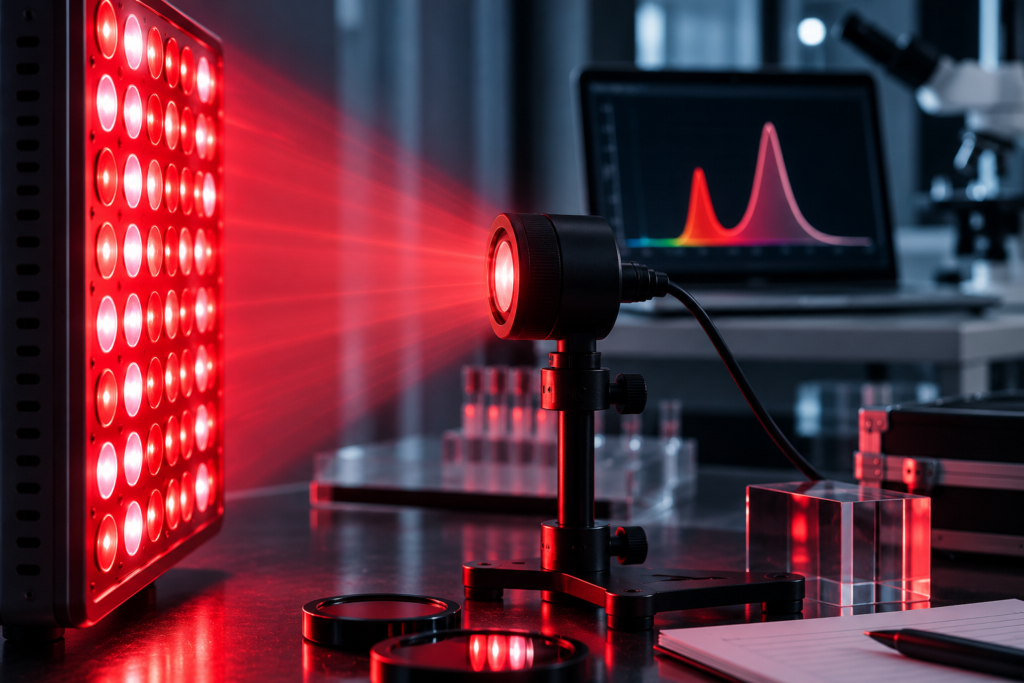
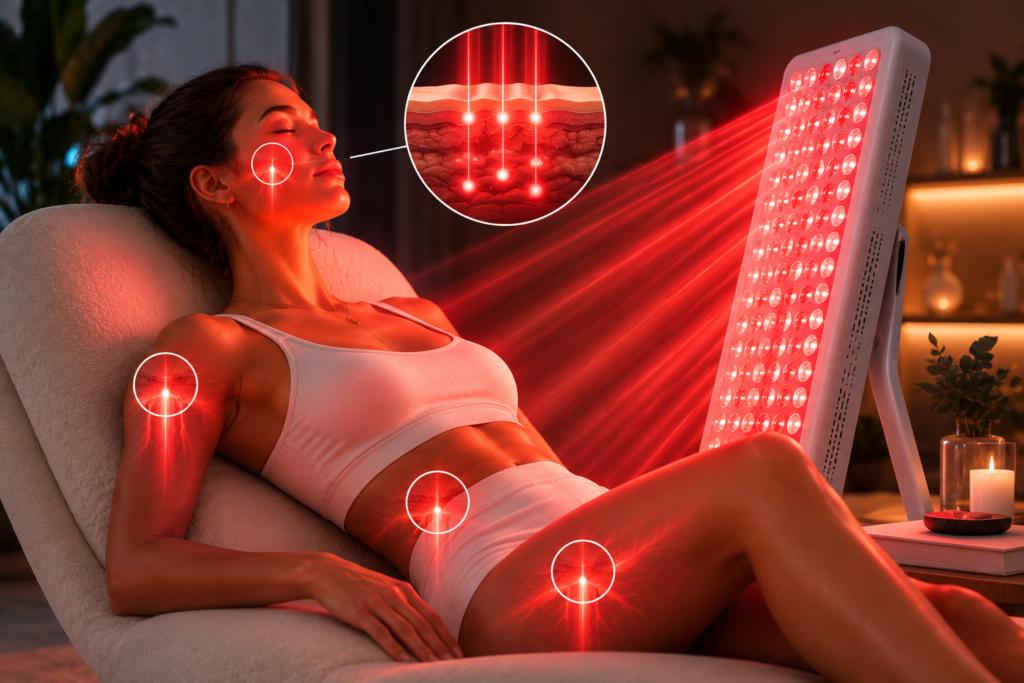
Two very different things share the words red light. [source]
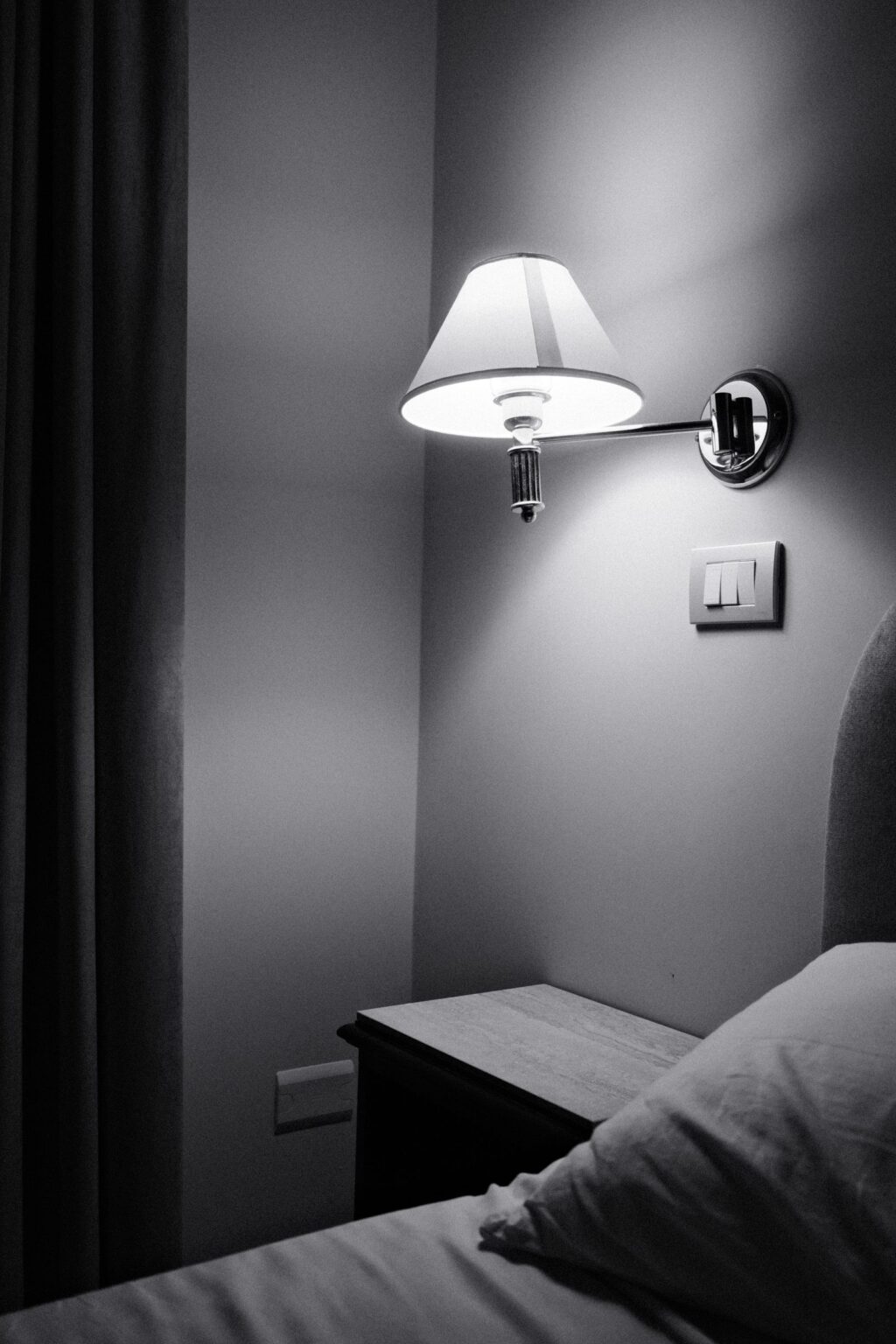
Warm Red and Amber Ambient Bulbs
These are ordinary lighting products meant to illuminate a room with a warm, low-blue glow in the evening. Their purpose is light hygiene: reducing the bright, blue-heavy light that can interfere with the body’s wind-down. They are not designed to deliver any therapeutic dose to the skin. [source] The evidence around red light bulb for sleep remains an active area of investigation.
Red Light Therapy (Photobiomodulation) Devices
These are devices that deliver specific red and near-infrared wavelengths to the skin, intended to influence cells. They are a separate category with separate (and, for sleep, very limited) evidence. A red ambient bulb is not a red light therapy device, and the two should not be conflated. [source] For those exploring red light bulb for sleep, setting realistic expectations matters.
Why Evening Light Matters for Sleep
Light is the most powerful signal for the body’s internal clock. Sleep Foundation guidance explains that exposure to light, particularly blue-wavelength light, in the evening can make it harder for the body to prepare for sleep, while a dim, dark environment supports it. Bright light at night can suppress melatonin, the hormone associated with sleepiness, and shift the timing of the body clock. Understanding red light bulb for sleep requires separating marketing claims from published data.
Research on ordinary indoor lighting illustrates the point. A study by Gooley and colleagues found that exposure to room light before bedtime suppressed melatonin and shortened the duration of melatonin production compared with dim light. The practical lesson is that brighter, bluer evening light tends to work against sleep, while dimmer, warmer light is gentler. Anyone researching red light bulb for sleep will find the science is still developing.
Where Red and Amber Bulbs Come In
This is the modest, indirect rationale for red or amber bulbs: by providing warm, low-blue illumination, they let you keep the evening dim and reduce bright blue exposure without sitting in the dark. In that sense they are a convenient tool for evening light hygiene. The current state of red light bulb for sleep research points to early, modest findings.
It is important to frame this carefully. The benefit is mainly about reducing bright and blue light, not about red light having a special sleep-inducing power of its own. Any dim, warm light source used in moderation can serve a similar purpose. Red and amber bulbs are simply an easy, pleasant way to achieve a dim, low-blue evening environment. Interest in red light bulb for sleep has grown alongside broader photobiomodulation research.

What These Bulbs Will Not Do
Red and amber bulbs are not a treatment for insomnia or any sleep disorder, and they will not guarantee better sleep. Swapping a bulb cannot offset an irregular schedule, late caffeine, a noisy or too-warm bedroom, high stress, or an untreated medical condition. They are a small supporting habit, not a fix. Expecting a bulb to solve persistent sleep problems sets you up for disappointment and may delay more useful steps. Most published reviews on red light bulb for sleep call for larger, better-controlled trials.
Using Warm Evening Lighting Sensibly
If you want to apply this in practice, the principle is simple: dim and warm in the evening, dark for sleep. You might lower overhead lighting in the hour or two before bed, use a warm-toned or red/amber lamp for low-level light, and keep the bedroom as dark as comfortable for sleeping. A dim red or amber night light can also help you see for nighttime trips to the bathroom without a jarring blast of bright light. A clear-eyed look at red light bulb for sleep means separating anecdote from controlled evidence.
The aim is gentle, low-blue light when you need illumination at night, and darkness when you are trying to sleep. None of this requires a therapeutic device; it is ordinary light hygiene. Consulting a healthcare provider about red light bulb for sleep is always a sensible step.
A Word on Melatonin and Red Light
One reason red-toned light is often suggested for the evening is that, compared with bright blue-rich light, red wavelengths appear to suppress melatonin only minimally. That makes warm light a reasonable choice when you still need to see. Even so, this is a relative comparison, not a claim that red light boosts sleep. The most reliable move remains keeping evening light dim overall and the sleep environment dark. Devices marketed for red light bulb for sleep vary widely in power output and wavelength.
Don’t Confuse Categories
Because marketing sometimes blurs the line, it is worth restating: a red ambient bulb addresses the light-hygiene goal of reducing bright, blue evening light. A red light therapy (photobiomodulation) device aims to deliver wavelengths to the skin and has very limited evidence regarding sleep. Buying a warm bulb is a sensible, low-cost light-hygiene step; it is not the same as, nor a substitute for, anything therapeutic, and neither one cures sleep disorders. Practitioners field frequent questions about red light bulb for sleep from clients.
Choosing and Placing a Warm Bulb: Red light bulb for sleep Notes
If you decide to use a warm or amber bulb, a few practical points help you get the modest benefit it can offer. Favor lower-brightness, warm-toned lighting for the evening rather than bright, cool-white bulbs, and put lamps where they provide gentle, indirect illumination instead of glare. A dimmable lamp is useful, since the ability to lower light gradually as bedtime approaches supports the wind-down better than a single fixed setting. For a hallway or bathroom used during the night, a small, dim night light — warm or red-toned — lets you see without a jarring burst of bright light that can leave you more awake. Studies on red light bulb for sleep have drawn increasing attention from researchers.
Keep in mind that placement and brightness matter more than the exact color. A very bright amber lamp is still a lot of light; a dim, warm glow is gentler. The point of all of this is simply to keep evening light low and warm, then to make the bedroom dark for actual sleep. You do not need special equipment to achieve it, and an inexpensive warm bulb or dimmer is usually enough. As with every other element of sleep hygiene, the lighting supports good sleep but does not create it on its own, and it cannot compensate for an irregular schedule or an untreated problem. When examining red light bulb for sleep, it helps to look carefully at the underlying research.
When to Look Beyond Lighting
If sleep problems persist despite good habits — trouble falling or staying asleep most nights, significant daytime sleepiness, or signs such as loud snoring with pauses in breathing — the right step is to consult a healthcare professional rather than to keep adjusting bulbs. Lighting is one supportive piece of sleep hygiene; it is not a replacement for medical care when something more is going on.
The Bottom Line
Red and amber bulbs can be a pleasant, practical way to keep evening light dim and low in blue, which aligns with well-supported sleep hygiene. The rationale is modest and indirect — it is about reducing bright, blue light, not a special power of red light itself — and these ambient bulbs are entirely different from red light therapy devices. They will not cure insomnia or guarantee better sleep, and persistent sleep problems deserve a professional’s attention.
Frequently Asked Questions
Do red light bulbs help you sleep?
They may help indirectly by providing dim, low-blue evening light, which supports sleep hygiene. The benefit is about reducing bright blue light, not a special sleep power of red light, and they will not cure sleep problems.
Are red bulbs the same as red light therapy?
No. Red or amber ambient bulbs are ordinary lighting meant to reduce evening blue light. Red light therapy (photobiomodulation) devices deliver specific wavelengths to the skin and are a separate category with very limited sleep evidence.
Is red or amber light better than a regular night light?
Warm red or amber light is lower in blue and appears to suppress melatonin only minimally compared with bright, blue-rich light, so it is a sensible choice for nighttime illumination. Keeping any night light dim matters most.
Will a red bulb fix my insomnia?
No. A bulb is a small supporting habit, not a treatment. Persistent insomnia or other sleep problems should be discussed with a healthcare professional.
How should I light my bedroom at night?
Keep evening light dim and warm, use low-level warm or red/amber light if you need to see, and keep the room as dark as comfortable for sleep. Darkness during sleep is the goal.
Ready to get your red light therapy device? See our brand reviews and product reviews, and try out our product comparison tool to inform your decision.