Search online for red light therapy mental health and you’ll find confident promises sitting next to genuine, careful science. The gap between the two can be confusing, especially for anyone who is struggling and hoping for relief. This overview takes a deliberately cautious approach. It explains what red light therapy is, what early research does and does not suggest about mood and the brain, and how some people fold a light routine into a broader wellbeing practice — without ever treating it as a substitute for professional mental health care.
Before discussing red light therapy mental health, one point comes first: red light therapy is not a treatment or cure for depression, anxiety, or any other mental illness. At most, it is something that may help some people support a relaxing routine. If you are dealing with persistent low mood, anxiety, or any mental health concern, the right next step is to talk with a qualified professional.
Red Light Therapy Mental Health: What It Actually Is
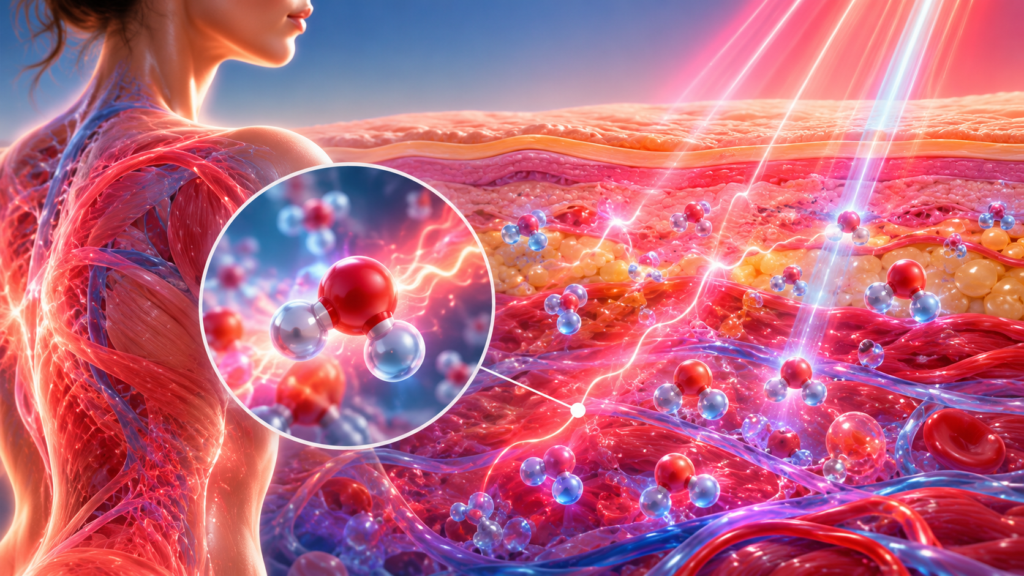
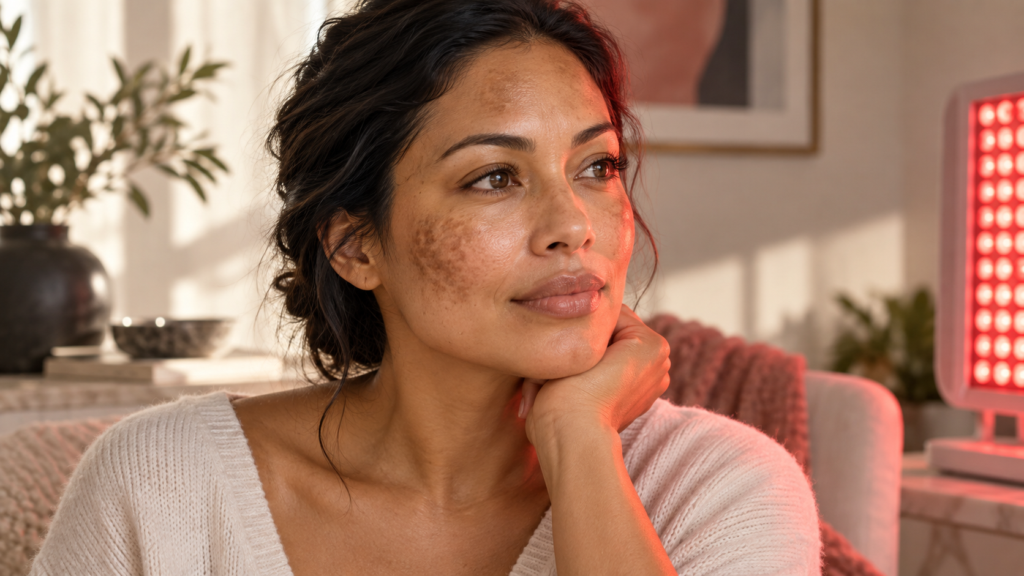
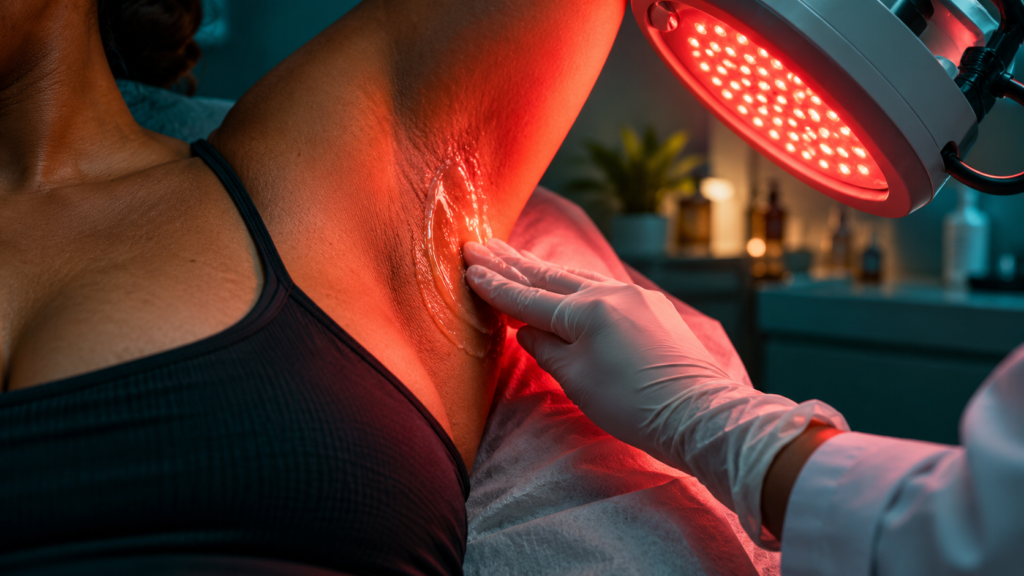
Red light therapy — also called photobiomodulation (PBM) or low-level light therapy — uses low doses of red and near-infrared light delivered to the skin. According to Cleveland Clinic, it uses low levels of red or near-infrared light to influence cells without damaging the skin, and it does not contain the ultraviolet rays that cause sunburn or tanning. Devices range from small handheld units and face masks to larger full-body panels.
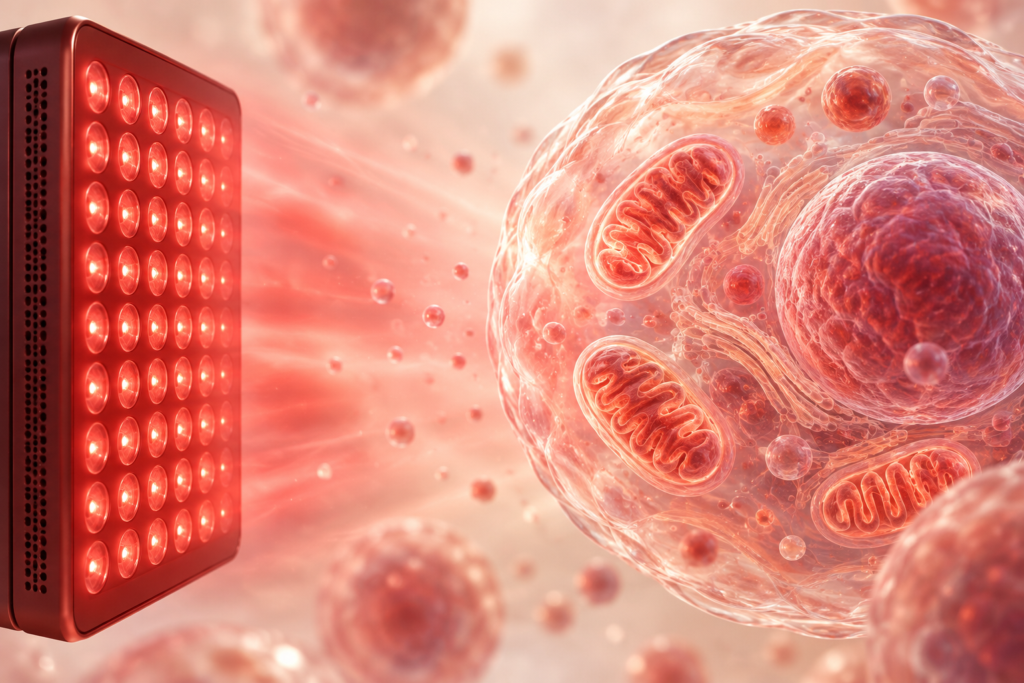
The leading explanation for how it works centers on the mitochondria, the energy-producing structures inside cells. Researchers such as Michael Hamblin describe how red and near-infrared light may be absorbed by a component of the cellular energy chain called cytochrome c oxidase, potentially supporting how cells produce energy and influencing signals tied to repair and inflammation. That cellular mechanism is well studied in the laboratory. How reliably it produces specific real-world effects in a whole person is a separate, much less settled question.
Why Red Light Therapy Mental Health Is Often Discussed
The interest in red light and mental wellness comes from a few directions at once. Some people simply find a quiet few minutes near a warm-looking light to be calming, in the same way a warm bath or a dim, cozy room can feel soothing. Others have read headlines about brain-focused research and assume the consumer panel in their living room does the same thing. It is worth slowing down here, because that assumption is where most of the confusion begins.
There is a small and genuinely early field of research into transcranial photobiomodulation, sometimes shortened to t-PBM, which applies specific light to the head in a clinical or research setting. As a review of current perspectives on transcranial photobiomodulation for depression describes, this is an emerging, adjunctive area of investigation — not an established, proven therapy. Crucially, that clinic-based research is not the same thing as buying a general wellness red light panel and using it at home, and the existence of early studies does not mean any consumer device treats a mental health condition.
What Red Light Therapy Mental Health Research Shows
Honesty about evidence matters most in this category. The transcranial photobiomodulation studies that exist tend to be small, preliminary, and conducted with specific devices and protocols under research conditions. Reviewers themselves frame the work as early and in need of larger, more rigorous trials before any firm conclusions can be drawn. That is the appropriate tone to carry into any conversation about light and mood.
So the responsible summary is narrow. Researchers are exploring whether certain forms of light applied to the head might one day play an adjunctive role for some people, under professional supervision. That is a long way from a proven treatment, and it is a very long way from a claim that a home wellness device improves mental health. No reputable source supports the idea that red light therapy treats, cures, or prevents depression, anxiety, or any condition.

Where Red Light Therapy Mental Health Fits Into Wellbeing
Set aside the brain-research headlines, and there is a simpler, more grounded way to think about red light therapy and wellbeing. The National Institute of Mental Health, in its guidance on caring for your mental health, points to everyday practices that support overall wellbeing: regular physical activity, decent sleep, staying connected to others, relaxation techniques, and setting realistic goals. None of these are dramatic, and that is exactly the point.
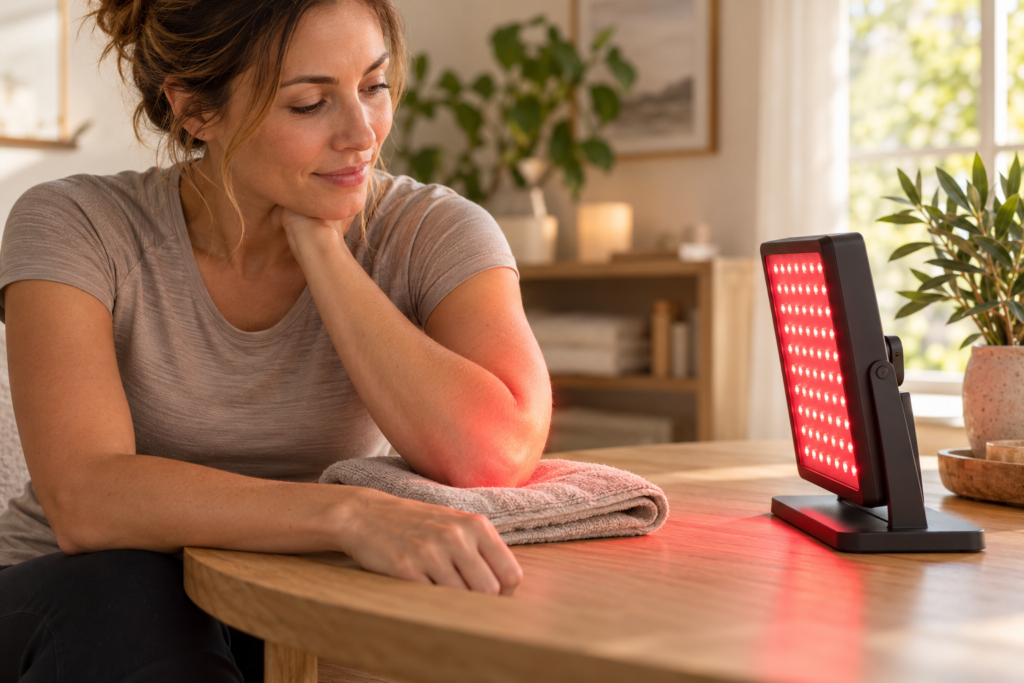
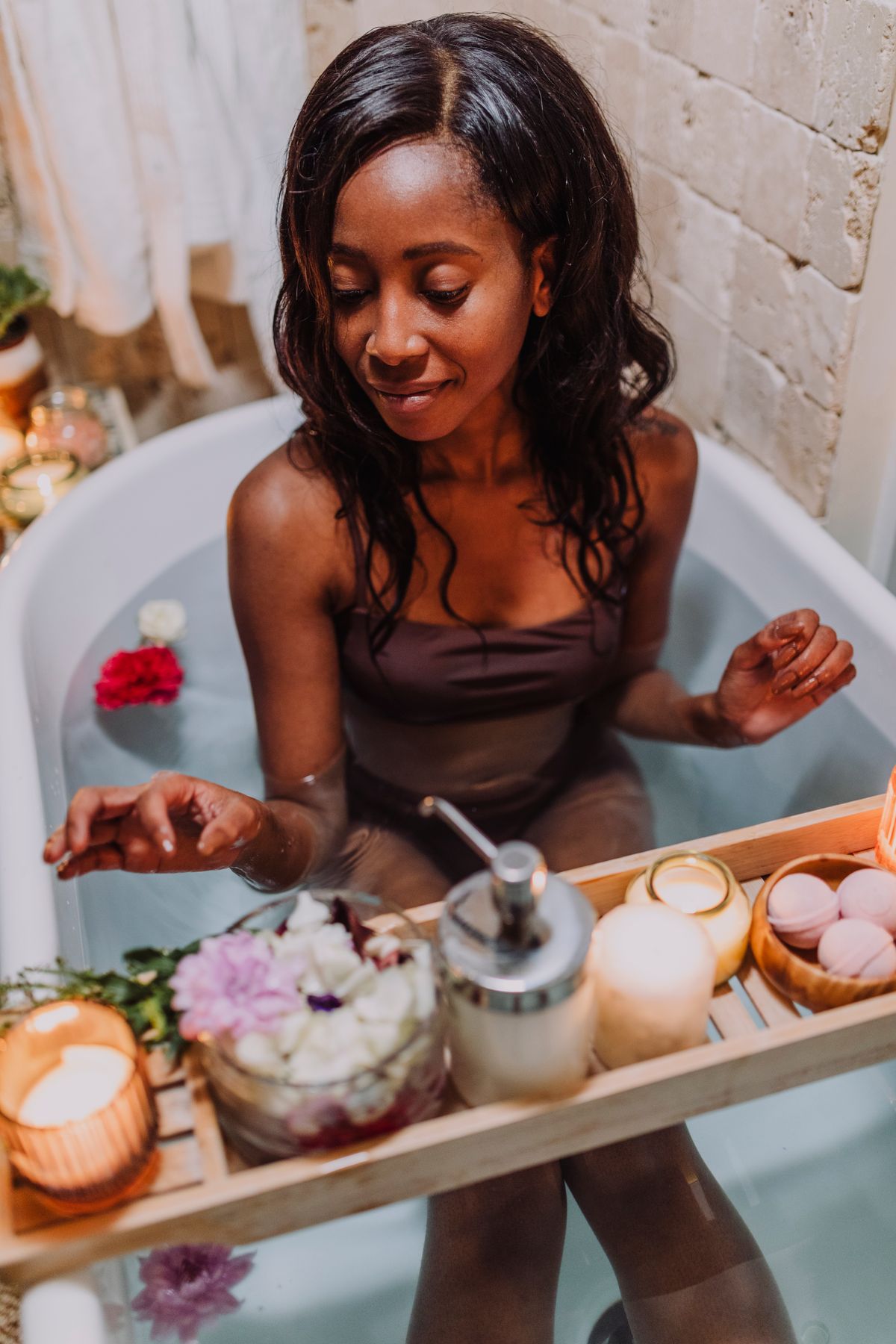
If a person already enjoys a brief, calm red light session for skin or recovery goals, that few minutes of quiet can become a gentle cue to slow down — much like lighting a candle or stretching. In that limited sense, the routine itself may support relaxation. The benefit, if any, comes from the calm ritual and the habits around it, not from a proven effect of the light on mental illness. Framing it this way keeps expectations realistic and avoids replacing care that actually works.
Thinking about red light therapy mental health this way helps keep expectations realistic while recognizing the value of healthy routines.
Important Cautions About Red Light Therapy Mental Health
Because this topic touches real distress, a plain caution belongs front and center. Red light therapy is not a replacement for professional mental health care. It should not be used in place of therapy, medication, or other evidence-based treatment, and it should never delay someone from getting help. If you are struggling, the National Institute of Mental Health offers guidance on how to find help, and reaching out to a primary care provider or mental health professional is a strong first step.
If you or someone you know is in crisis or thinking about self-harm, help is available right now. You can call or text the 988 Suicide and Crisis Lifeline at 988 to reach trained counselors any time, day or night. Please treat that as the priority over any wellness routine.
Using Red Light Therapy Mental Health Information Responsibly
For healthy adults who choose to use a consumer device for general wellness goals, red light therapy at typical doses is generally considered low-risk, with side effects that tend to be mild and temporary, such as brief warmth or redness. It is still sensible to protect the eyes from bright light, to follow the device guidance on time and distance, and to check with a healthcare professional first if you are pregnant, take medication that increases light sensitivity, or have a relevant medical or eye condition.
Most of all, keep the role of any light routine modest. If it helps you carve out a few calm minutes, that can be a pleasant part of a day. It is not a mental health treatment, and it works best, when it helps at all, as one small habit alongside the fundamentals of sleep, movement, connection, and professional support. The most responsible approach to red light therapy mental health is viewing it as a wellness topic rather than a mental health treatment.
The Bottom Line
Current red light therapy mental health research remains preliminary and does not support using home red light devices to treat depression, anxiety, or other mental illnesses.. It is not a treatment for depression, anxiety, or any mental illness. Approached with realistic expectations, it may support a relaxing routine for some people — but it is never a substitute for professional mental health care, and anyone struggling deserves real, evidence-based help.
Ready to get your red light therapy device? See our brand and product reviews, and try out our product comparison tool to inform your decision.
Frequently Asked Questions
What does red light therapy mental health research say?
No. Current red light therapy mental health research does not show that red light therapy treats depression, anxiety, or any mental illness. At most, it may support a relaxing wellness routine for some people.
Is a home red light panel the same as the brain research I have read about?
No. Transcranial photobiomodulation studies use specific devices and protocols in research or clinical settings and are early and unproven. A consumer wellness panel is not the same thing and does not treat any condition.
Could red light therapy help me feel calmer?
Some discussions of red light therapy mental health focus on feeling calmer during a quiet wellness routine, but this should not be confused with evidence-based treatment for a mental health condition.
Is red light therapy safe to use for general wellness?
For most healthy adults at consumer doses it is generally considered low-risk, with mild, temporary effects. Protect your eyes, follow device guidance, and consult a professional if pregnant, photosensitive, or on photosensitizing medication.
What should I do if I am struggling with my mental health?
Reach out to a primary care provider or mental health professional. If you are in crisis or thinking about self-harm, call or text the 988 Suicide and Crisis Lifeline at 988 right away.
This article is for general educational purposes only and is not medical advice. Red light therapy is not a substitute for professional care. Talk with a qualified healthcare professional about your individual situation.