One of the most common questions about using red light therapy in the evening is simply: how long before bed should I do it? It is a fair question, but the honest answer starts with a caveat. The evidence on red light therapy and sleep is very limited, so there is no precisely validated, one-size-fits-all timing. What we can offer is sensible, cautious guidance grounded in how light and the body clock interact, plus a look at what one small study actually did. Studies on red light therapy before bed timing have drawn increasing attention from researchers.
Throughout, keep the framing modest. Red light therapy may fit into a calming wind-down for some people, but it is not proven to improve sleep and does not treat insomnia or any sleep disorder. Timing is worth thinking about, but it is not a magic number. When examining red light therapy before bed timing, it helps to look carefully at the underlying research.
What the Limited Research Used
The most frequently cited study in this area is a small randomized controlled trial involving Chinese female basketball players. In that study, participants underwent red light sessions of roughly 30 minutes in the evening over a two-week period, and the researchers reported improvements in measured sleep quality compared with a control group. It is a genuinely interesting finding, but it is also a single, small study in a specific athletic population — not a basis for sweeping claims about everyone. [source] The evidence around red light therapy before bed timing remains an active area of investigation.
Two practical takeaways are reasonable. First, a session length in the ballpark of about 30 minutes in the evening was what this study used, which gives a rough reference point rather than a prescription. Second, because this is essentially one small trial, the most honest stance is curiosity tempered with caution. Treat the roughly 30-minute, evening pattern as an example, not a proven optimal protocol. For those exploring red light therapy before bed timing, setting realistic expectations matters.
Why Timing Matters at All
The reason timing comes up is that light is one of the strongest signals to the body’s internal clock. The Sleep Foundation explains that light exposure helps set circadian rhythm, and that bright light at the wrong time can interfere with the transition toward sleep. The concern at night is mainly bright, blue-heavy light. [source] Understanding red light therapy before bed timing requires separating marketing claims from published data.
Research by Gooley and colleagues found that exposure to ordinary room light before bed suppressed melatonin onset and shortened its overnight duration. That is why the timing conversation is less about hitting a perfect minute mark for a red device and more about ensuring the overall evening is dim and calm as bedtime approaches. Red wavelengths are thought to suppress melatonin only minimally, which is one reason red light is sometimes considered a gentler choice for evening use — but only if the surrounding environment is also kept dim. Anyone researching red light therapy before bed timing will find the science is still developing.
A Sensible, Low-Risk Approach to Timing
Given the limited evidence, the goal is a routine that is low-risk and supportive of winding down, rather than a rigid schedule. A reasonable approach looks like this. Choose a window in the evening, often somewhere in the last hour or so before bed, when you can keep the lights low and avoid screens. Keep the session modest in length — the roughly 30-minute reference from the study is an upper-ish example, and many people may prefer shorter. Keep the room dim and the mood calm. Then transition into the rest of your wind-down. [source] The current state of red light therapy before bed timing research points to early, modest findings.
There is no strong evidence that a session must end an exact number of minutes before lights-out. What matters more is that the session is calm, not too bright, and embedded in a dim, consistent evening. If a session leaves you feeling alert or stimulated, that is a sign to make it shorter, dimmer, or earlier. Interest in red light therapy before bed timing has grown alongside broader photobiomodulation research.
Calm and Modest Beats Precise and Intense
It is worth repeating: a brief, low-key session in a dim room is more in keeping with winding down than a long, bright, or stimulating one. Cleveland Clinic describes red light therapy as using low levels of red and near-infrared light, and at consumer doses it is generally regarded as low-risk for healthy adults. But low-risk is not the same as proven for sleep. The sensible priority is to keep evening sessions gentle so they support, rather than disrupt, the natural slide toward sleep. [source] Most published reviews on red light therapy before bed timing call for larger, better-controlled trials.

How Long Should a Session Be?
Session length and timing are related questions. Many home devices recommend sessions in the range of several minutes to around twenty, and the basketball study used about 30 minutes. Rather than chasing the longest possible exposure, follow your device’s guidance and lean toward a length that feels calming. More is not automatically better, and an overly long session close to bedtime can become stimulating or simply eat into the time you need to relax. A modest session that leaves time for the rest of your wind-down is usually the more practical choice. A clear-eyed look at red light therapy before bed timing means separating anecdote from controlled evidence.
What to Do in the Window After a Session
Whatever timing you choose, the minutes after a session matter just as much. This is the time to keep lights dim, stay off bright screens, and ease into quiet activities — reading something light, gentle stretching, or a calming routine. The Sleep Foundation’s general guidance favors a consistent, low-stimulation wind-down. A red light session does not replace that; at best it is one calm element within it. If you finish a session and then turn on bright lights or pick up your phone, you may undo the calm you were aiming for. Consulting a healthcare provider about red light therapy before bed timing is always a sensible step.
Individual Differences Make a Single Rule Unrealistic
Another reason to avoid fixating on an exact pre-bed minute count is that people simply differ. Schedules, sensitivities to light, bedtimes, and how relaxed a session feels all vary from person to person. The Sleep Foundation’s general sleep guidance emphasizes building habits that fit your own routine and keeping them consistent, rather than chasing a universal formula. A timing that feels calming and easy to repeat for you is more useful than a number borrowed from someone else. Devices marketed for red light therapy before bed timing vary widely in power output and wavelength.
This is also why it is worth paying attention to how you feel rather than just the clock. If an evening session consistently leaves you alert, restless, or wired, that is feedback: make it shorter, dimmer, or move it a little earlier. If it leaves you relaxed and ready for the rest of your wind-down, the timing is probably working for you. Listening to your own response is more reliable than treating any single study or guideline as a precise prescription, especially given how limited the evidence is. Practitioners field frequent questions about red light therapy before bed timing from clients.
Should the Time of Day Matter, Not Just Minutes Before Bed?
People sometimes ask whether red light therapy is better in the morning or the evening for sleep. Because the evidence is so limited, there is no strong basis for declaring one clearly superior for sleep outcomes. What can be said cautiously is that bright, blue-heavy light in the evening is the kind most likely to interfere with the transition toward sleep, while red wavelengths are thought to suppress melatonin only minimally. That makes a calm, dim evening red light session a relatively low-risk choice if your goal is a wind-down cue. If you prefer to use a device earlier in the day for other reasons, that is fine too, but it should not be framed as a circadian reset in the way bright light directed at the eyes is studied to be. Keep the focus on what supports a calm evening, and let the rest follow your own preference and schedule. Studies on red light therapy before bed timing have drawn increasing attention from researchers.
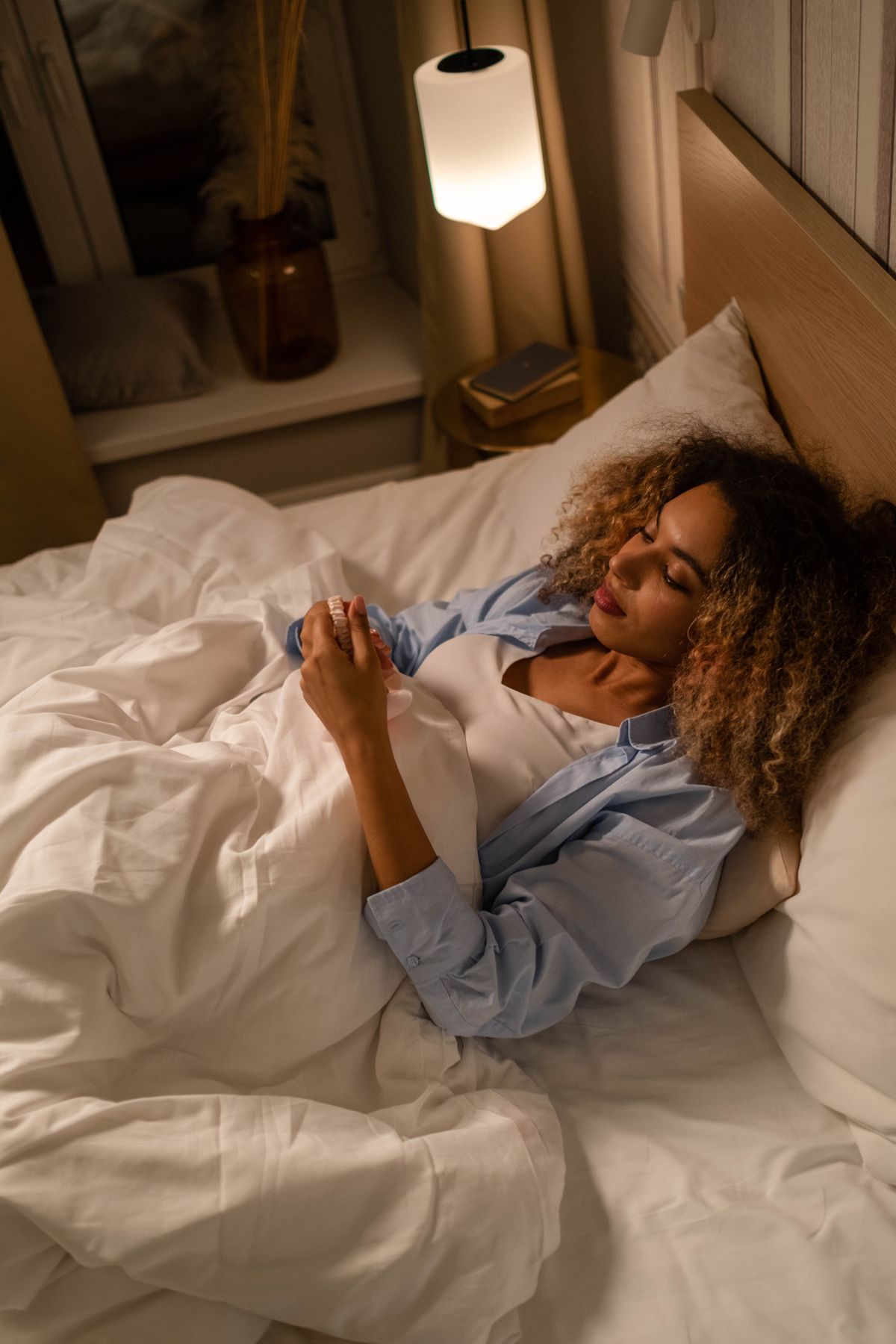
Consistency Over Precision: Red light therapy before bed timing Notes
If there is a single principle that outranks the exact number of minutes before bed, it is consistency. A wind-down works best when it happens at a reasonably steady time each night, because the body clock responds to regularity. Picking a workable evening window and sticking to it is more valuable than agonizing over whether the session should end 45 or 60 minutes before sleep. Build the habit, keep it calm and dim, and let the precise timing be approximate. When examining red light therapy before bed timing, it helps to look carefully at the underlying research.
A Word of Caution
This guidance is intentionally cautious because the evidence is very limited — essentially one small trial in a specific group. Red light therapy is not proven to improve sleep and does not treat or cure insomnia or any sleep disorder. If you have persistent trouble sleeping, wake unrefreshed, or suspect a sleep disorder, speak with a healthcare professional. Anyone who is pregnant, takes medication that increases light sensitivity, or has a relevant eye or medical condition should also seek professional advice before using a light-based routine. Red light therapy is not a substitute for medical care.
The Bottom Line
There is no precisely validated timing for red light therapy before bed. The one small study often cited used roughly 30-minute evening sessions, which is a reference point, not a rule. A low-risk approach is to use a modest, calm session in a dim room during the last hour or so before bed, keep the environment dark and screen-free afterward, and prioritize consistency. Above all, keep expectations realistic: timing can support a wind-down, but it does not turn red light therapy into a sleep treatment.
Frequently Asked Questions
How long before bed should I use red light therapy?
There is no precisely proven timing. A sensible, low-risk approach is a modest, calm session during the last hour or so before bed in a dim room. Consistency matters more than an exact number of minutes.
What session length did the research use?
The small basketball-player study often cited used red light sessions of roughly 30 minutes in the evening over two weeks. That is a reference point, not a validated optimal protocol for everyone.
Is a longer session better for sleep?
Not necessarily. More is not automatically better, and a long or bright session close to bedtime can feel stimulating. Following your device’s guidance and keeping the session calm is usually more sensible.
Does red light suppress melatonin like screens do?
Red wavelengths are thought to suppress melatonin only minimally, unlike bright, blue-heavy light from screens. Even so, the overall evening environment should be kept dim for a calm wind-down.
Can timing my red light therapy fix insomnia?
No. Red light therapy does not treat or cure insomnia or any sleep disorder, and the evidence is very limited. Persistent sleep problems should be evaluated by a healthcare professional.
Ready to get your red light therapy device? See our brand reviews and product reviews, and try out our product comparison tool to inform your decision.