
Red Light Therapy Panel Beam Angle: Coverage, Distance, and Uniformity
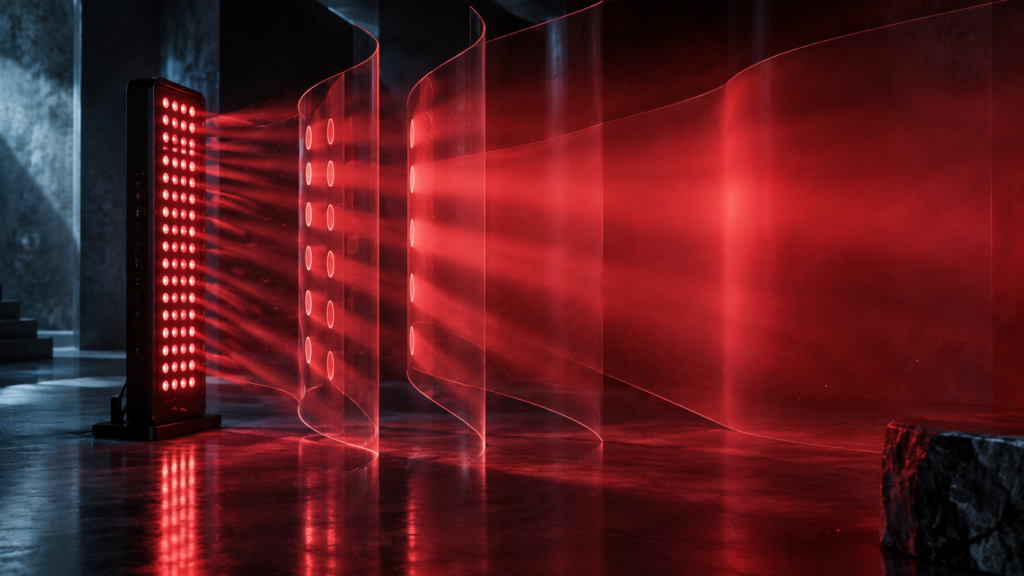
Learn how red light therapy beam angle affects panel coverage, treatment distance, hot spots, and field uniformity—and how to compare device claims fairly.
Why Red Light Therapy Irradiance Measurements Don’t Always Match
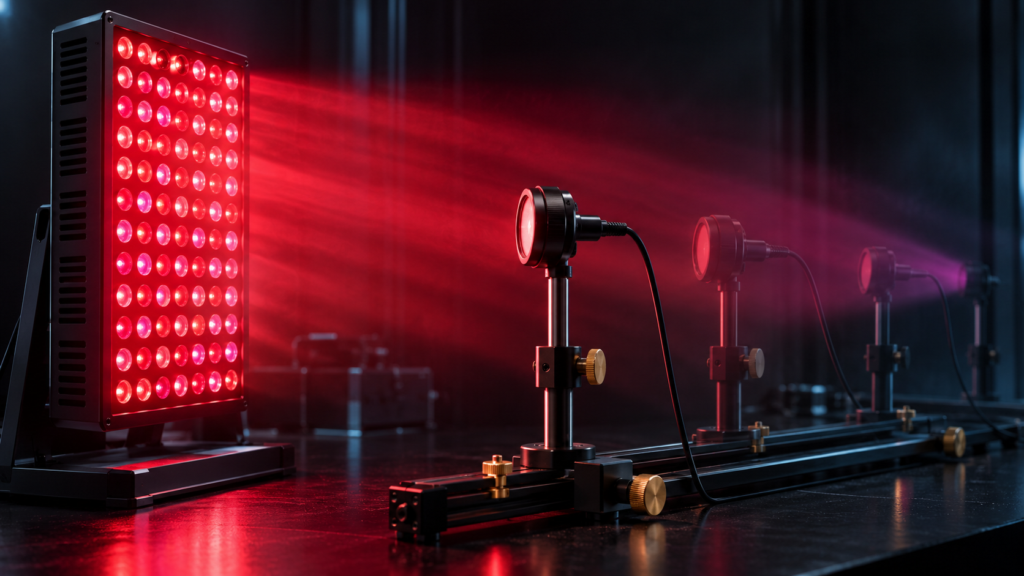
Why irradiance readings vary between meters and test setups, plus a repeatable method for measuring red light therapy panels more accurately.
Flicker in Red Light Therapy Panels: Frequency, Modulation Depth, and Measurement
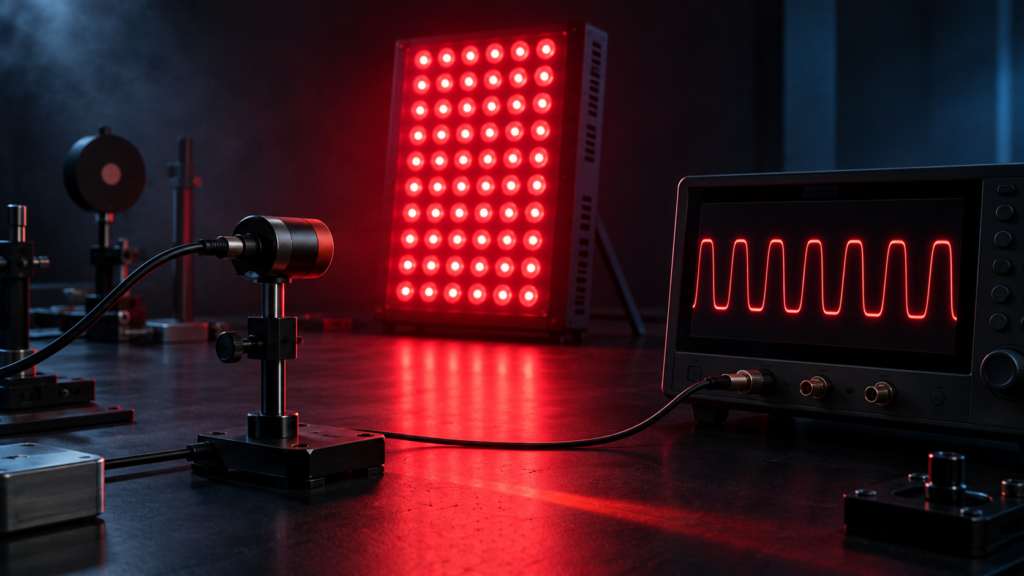
Understand red light therapy flicker, including frequency, modulation depth, duty cycle, phone-camera tests, proper measurement, and flicker-free claims.
Spectral Width and FWHM: Why a Red Light Therapy LED Is Not Exactly One Wavelength
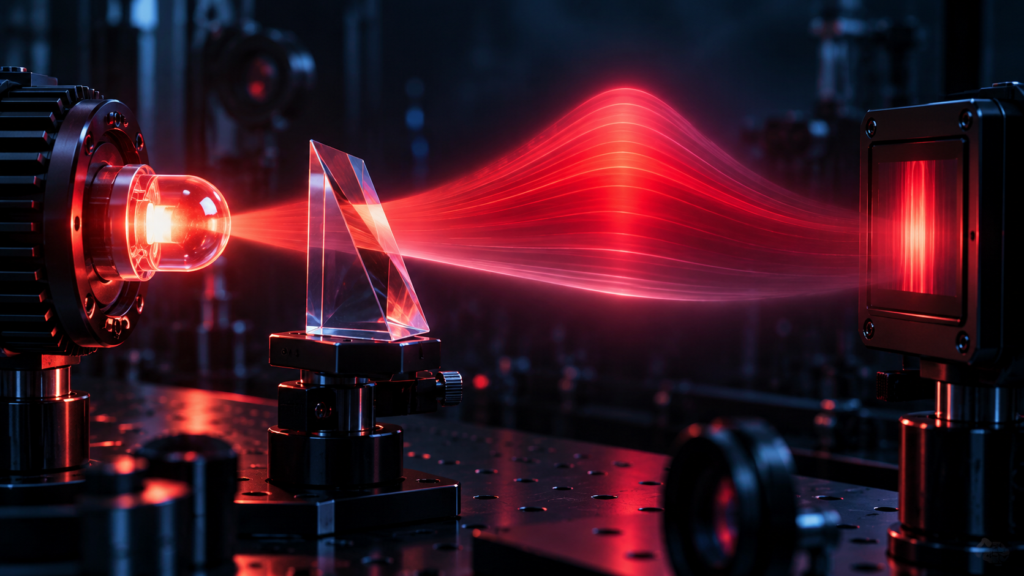
Learn what LED spectral width and FWHM mean, why a 660 nm red light therapy LED emits a band, and how to read a device spectrum report.
NIST Traceable Calibration in Red Light Therapy Tests
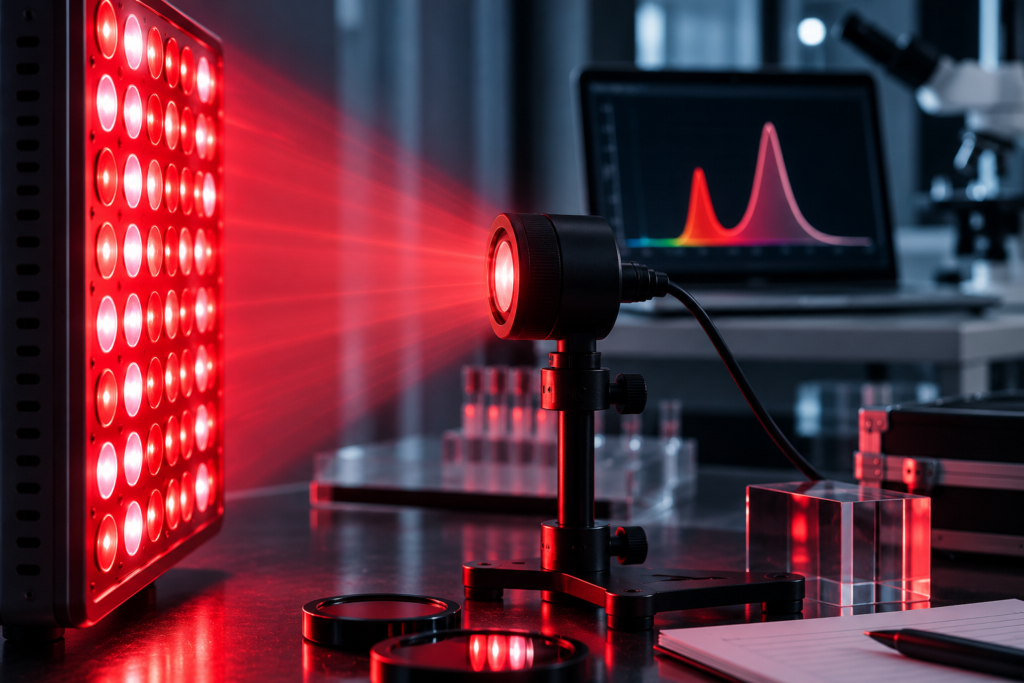
Learn what NIST-traceable calibration means for red light therapy device testing, including uncertainty, optical meters, calibration chains, and report red flags.
Optical Power vs. Electrical Power in Red Light Therapy Panels
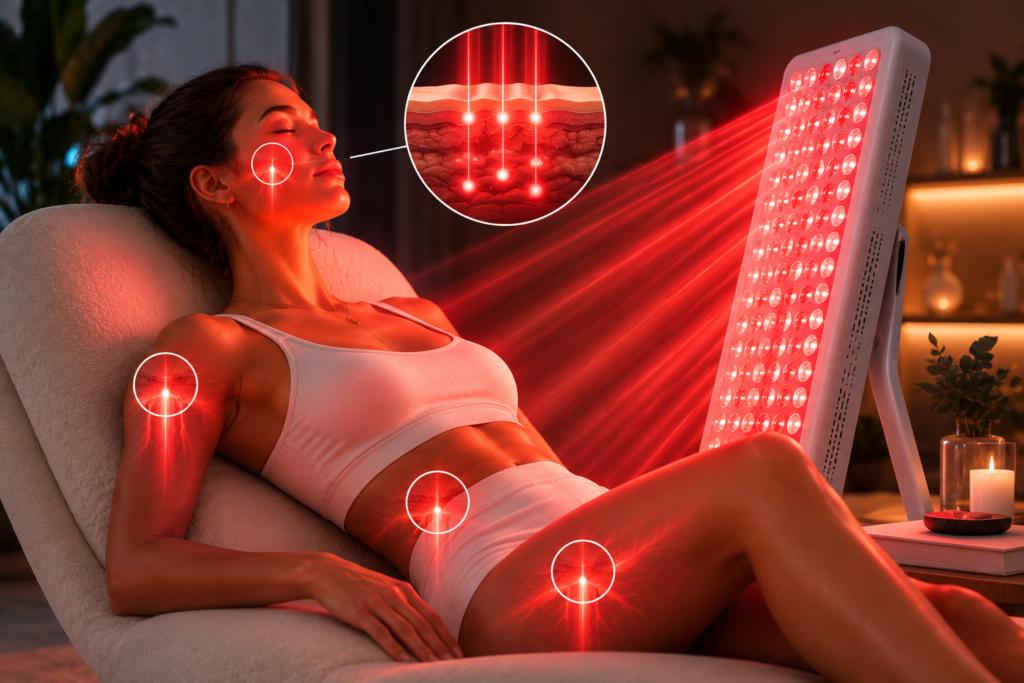
Electrical watts, optical watts, irradiance, and dose are different. Learn how red light panel power claims work and which measurements matter.
Why Red Light Therapy Panel Output Changes During Warm-Up
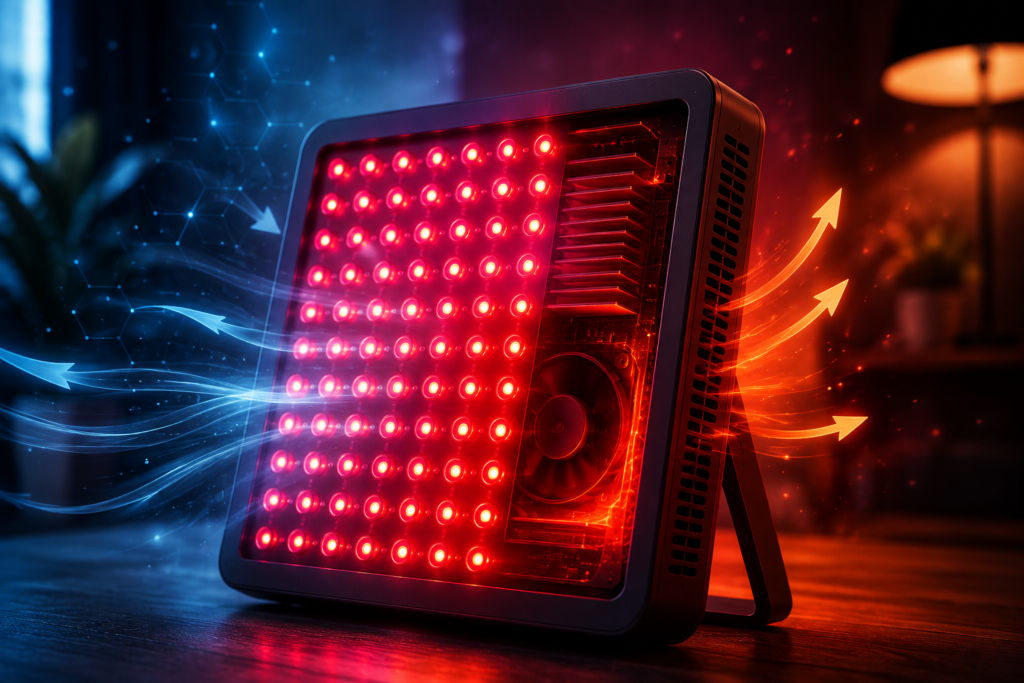
Learn why red light therapy panel output changes during warm-up, how thermal drift affects irradiance, and how to measure sustained performance.
Photobiomodulation Sham Devices: Why Blinding and Placebo Design Are Hard
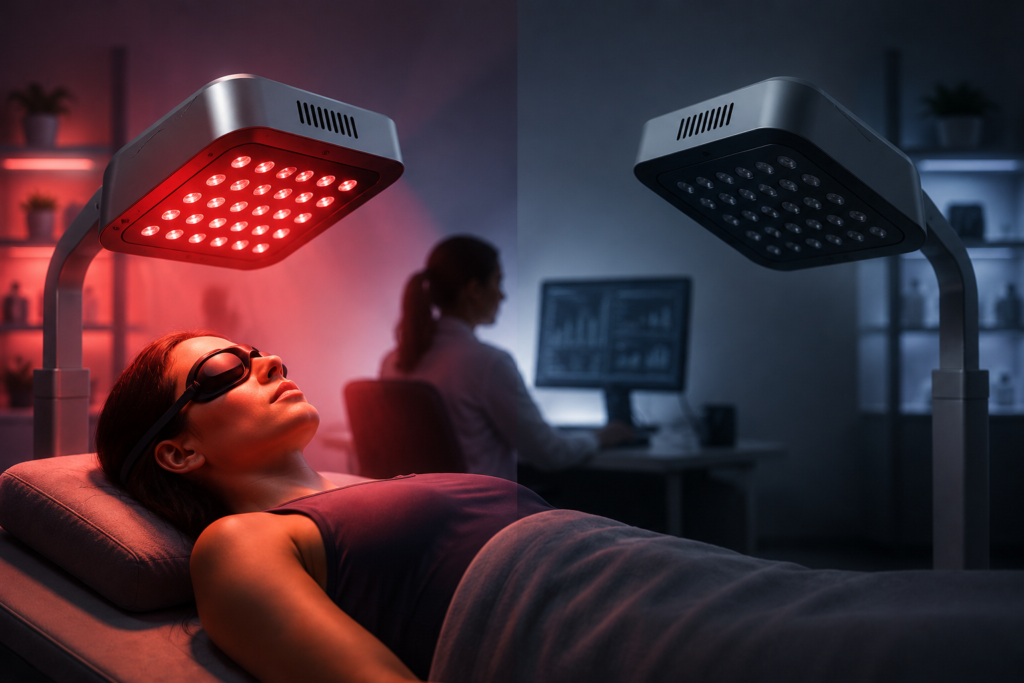
Sham devices are essential to photobiomodulation trials—but visible light, heat, sound, and low-dose controls can still reveal treatment assignment. Learn how to judge masking quality.
Photobiomodulation Trial Preregistration: What It Can—and Cannot—Prevent
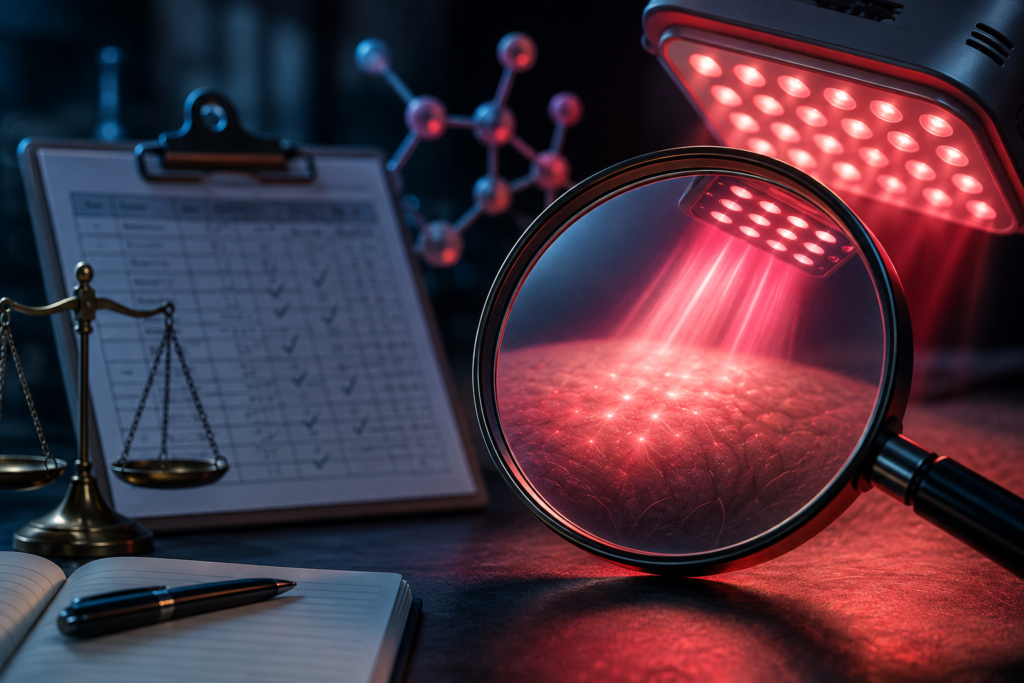
Photobiomodulation trial preregistration can expose outcome switching and selective reporting, but it cannot repair weak dosing, blinding, or statistics.
Photobiomodulation Statistical Power: Why Small Samples Can Mislead
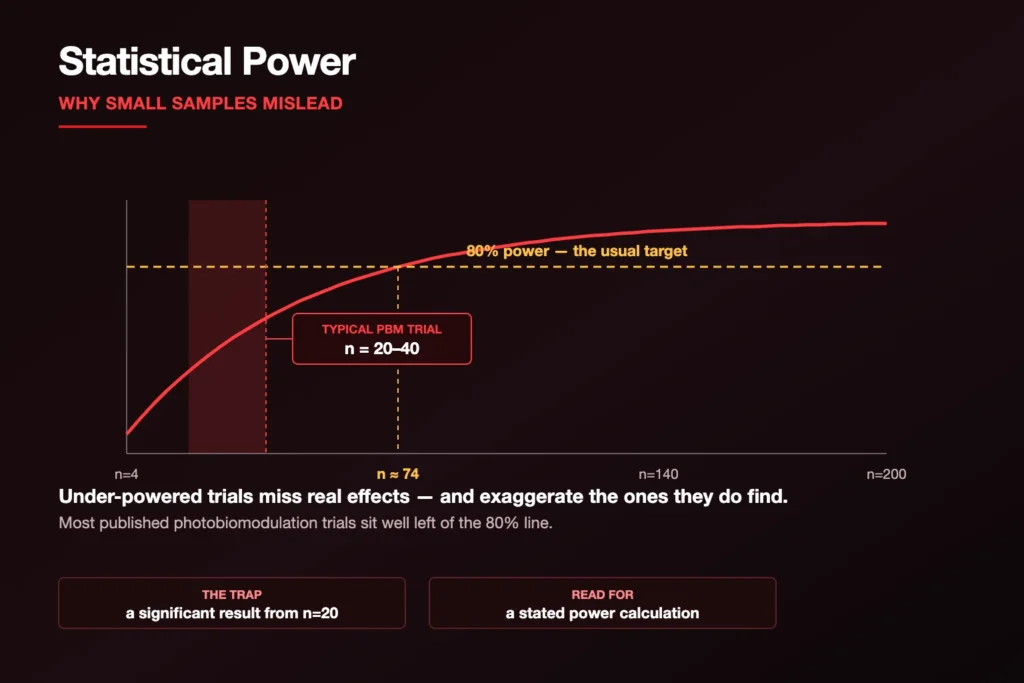
Photobiomodulation statistical power explains why small studies can miss real effects, exaggerate positive results, and produce wide uncertainty.