Most conversations about red light therapy and the head focus on one thing: hair. Yet the scalp is first and foremost skin — living tissue with its own circulation, oil glands, and barrier function — and it sits directly above the hair follicles that so much marketing fixates on. Understanding red light therapy scalp health means looking at both the scalp itself and the hair follicles beneath it while staying honest about what research does and doesn’t support.
The short version is measured rather than dramatic. Some research suggests that red and near-infrared light may support the scalp environment and has been studied in the context of certain hair-thinning patterns, but results vary, the evidence is still developing, and light therapy is not a cure for hair loss or for any medical scalp condition. Anyone with a genuine scalp disorder should see a board-certified dermatologist rather than rely on a device.
Red Light Therapy Scalp: The Scalp Is Skin First
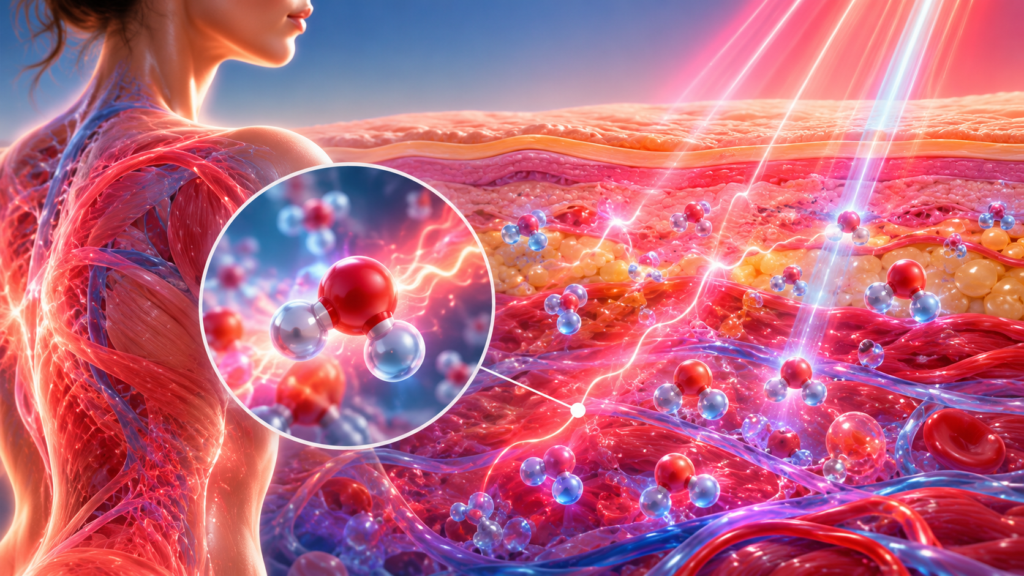
It is easy to forget, under a full head of hair, that the scalp is one of the body’s thickest and most metabolically active areas of skin. It has a robust blood supply, numerous oil-producing glands, and a dense population of hair follicles rooted in its deeper layers. Because it is skin, the scalp is subject to the same general processes researchers study elsewhere on the body: cellular energy production, circulation, and the signaling involved in repair and inflammation.
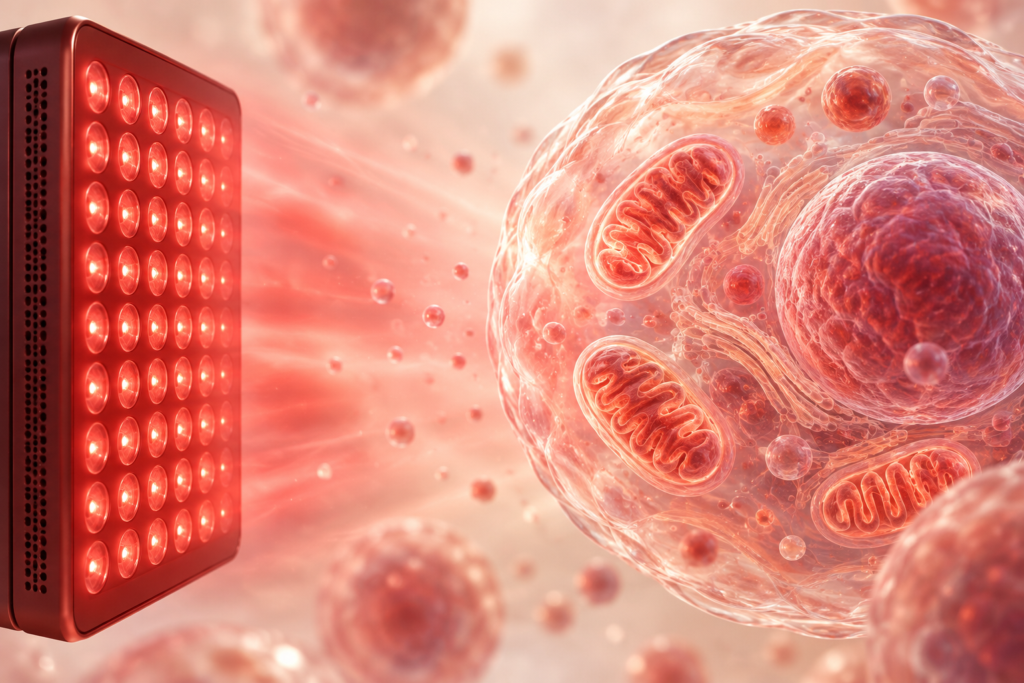
This matters because the leading explanation for how red light therapy works is cellular rather than cosmetic. According to Cleveland Clinic, red light therapy uses low levels of red and near-infrared light to influence cells without damaging the skin. On the scalp, that same principle applies: the goal is to gently support normal cellular activity in the tissue, not to force a change.
How Red Light Therapy Scalp Treatment May Work
The proposed mechanism is the same one described across photobiomodulation research. Red and near-infrared light is thought to be absorbed by mitochondrial targets inside cells, which may support energy production and influence signaling related to circulation and repair. A broad review of low-level light therapy in skin describes the wide range of effects light may have on skin cells, including effects on fibroblasts and other cells involved in maintaining healthy tissue.
On the scalp, researchers are interested in whether supporting this cellular environment — and the small blood vessels that feed the follicles — might create conditions associated with healthier-looking hair. This is a plausible line of reasoning, but it is important to be clear that “may support the environment” is not the same as “regrows hair.”
What Red Light Therapy Scalp Research Shows
The most studied scalp-related use of low-level light therapy involves androgenetic alopecia, the common pattern of hair thinning influenced by genetics and hormones. A review of the role of low-level light therapy in androgenetic alopecia summarizes research in which devices delivering red light have been examined for their effect on hair density and related measures, with some studies reporting encouraging outcomes.
Even so, the same body of literature comes with important caveats. Study designs differ, devices and protocols vary widely, follow-up periods are often short, and results are not uniform across participants. Reviewers consistently note that larger, more standardized trials are needed before strong conclusions can be drawn. In plain terms: there is real scientific interest here, but the evidence is promising and incomplete rather than settled.
Red Light Therapy Scalp Health Beyond Hair Density
Because so much attention goes to hair counts, the skin of the scalp itself is often overlooked. Yet a comfortable, well-functioning scalp is part of overall scalp health. The general research on low-level light therapy in skin describes effects relevant to skin everywhere on the body, such as supporting fibroblast activity and tissue repair processes. Whether and how strongly these translate to the scalp specifically is still being studied, and no one should assume that a device will resolve issues like persistent flaking, irritation, or discomfort.
If anything, the most responsible framing is the most modest one: red light therapy may support a healthy scalp environment for some people as one small habit, but it is not a treatment for scalp skin conditions, and it does not replace appropriate care.
When Red Light Therapy Scalp Concerns Need a Dermatologist
Some scalp concerns are medical and deserve a proper diagnosis. Sudden or patchy hair loss, persistent redness, scaling, intense itching, painful or oozing areas, sores that do not heal, or any new or changing growth on the scalp are all reasons to consult a board-certified dermatologist. These can reflect conditions that need specific evaluation and treatment, and delaying care in favor of a light device would be a mistake. A dermatologist can also advise whether light-based approaches are reasonable in your particular situation.
Realistic Red Light Therapy Scalp Expectations
People who try red light therapy for the scalp should calibrate their expectations carefully. Where benefits have been reported in research, they tend to be gradual and modest, emerging over weeks to months of consistent use rather than after a few sessions. Responses also vary considerably from person to person, and what appears to help one individual may do little for another. No device can guarantee hair regrowth, and any product that promises guaranteed results should be treated with skepticism.
A useful mindset is to view red light therapy as a possible supportive habit rather than a solution. For people experiencing hair thinning or scalp concerns that matter to them, the most reliable first step is a conversation with a dermatologist, who can identify the underlying cause and discuss the full range of evidence-based options.
Using a Red Light Therapy Scalp Device Safely
For those who choose to try a scalp-oriented device, a few sensible principles apply. Light must reach the scalp skin to do anything, so parting the hair or using a device designed to deliver light through the hair is part of getting a fair trial. Dosing still matters: research on light therapy describes a response in which a moderate, appropriate dose is the goal and simply using more is not better, so following the manufacturer’s guidance on time and frequency is wise. Consistency over weeks tends to matter more than the intensity of any single session.
Comfort and safety also deserve attention. The light should feel bright but not hot enough to cause discomfort, and protecting the eyes from direct light is sensible. As with red light therapy anywhere on the body, it is generally considered low-risk for healthy adults at appropriate doses but is not automatically right for everyone.
Who Should Be Cautious
Red light therapy is not suitable for every person or every situation without guidance. People who are pregnant, who have a condition that makes them sensitive to light, who take medications that increase light sensitivity, or who have an active scalp condition should speak with a healthcare professional before starting. Likewise, anyone whose primary concern is unexplained or significant hair loss should be evaluated by a dermatologist first, both to identify the cause and to avoid relying on a device in place of effective care.
The Bottom Line
The scalp is skin, and red light therapy approaches it the way it approaches skin everywhere: by aiming to gently support normal cellular activity. Some research suggests red and near-infrared light may support the scalp environment, and low-level light therapy has been studied in the context of common hair thinning, but the evidence is still developing, results vary, and nothing here is a cure or a guarantee. Used with realistic expectations and sensible dosing, a device may be a reasonable supportive habit — but for any genuine scalp or hair concern, a board-certified dermatologist remains the right place to start.
Ready to get your red light therapy device? See our brand and product reviews, and try out our product comparison tool to inform your decision.
Frequently Asked Questions
Can red light therapy regrow hair?
No device can guarantee hair regrowth. Low-level light therapy has been studied in the context of common hair thinning and some research is encouraging, but results vary, the evidence is still developing, and it is not a cure. A dermatologist can identify the cause of hair loss and discuss proven options.
Is the scalp treated differently from facial skin?
The scalp is skin, so the underlying idea is the same, but hair can block light from reaching the scalp. Parting the hair or using a device designed to deliver light through it helps, and dosing still follows the manufacturer’s guidance.
How long before I might notice anything on my scalp?
Where benefits have been reported in research, they tend to be gradual and emerge over weeks to months of consistent use rather than after a few sessions. Individual responses vary, and some people notice little.
Can red light therapy treat dandruff or an itchy scalp?
It is not a treatment for scalp skin conditions. Persistent flaking, redness, itching, or discomfort should be evaluated by a board-certified dermatologist, who can diagnose the cause and recommend appropriate care.
When should I see a dermatologist instead of using a device?
See a dermatologist for sudden or patchy hair loss, persistent redness or scaling, painful or non-healing areas, or any new or changing growth on the scalp. These need proper evaluation, and a device should not replace medical care.
This article is for general educational purposes only and is not medical advice. Red light therapy is not a substitute for professional care. Talk with a qualified healthcare professional about your individual situation.