Among the many claims attached to red light therapy body composition is some of the most misunderstood marketing in the wellness space. Headlines hint at inches lost and fat reduced, but the underlying research is narrower and more cautious than the marketing implies. This article summarizes what studies actually suggest about red light and body measurements, and it untangles three ideas that are often blurred together: circumference, fat, and weight.
Getting those three terms straight is the key to reading this topic honestly. They are not interchangeable, and most of the research that gets cited measured only the first of them, over a short window, in a limited way.
Circumference, Fat, and Weight Are Three Different Things
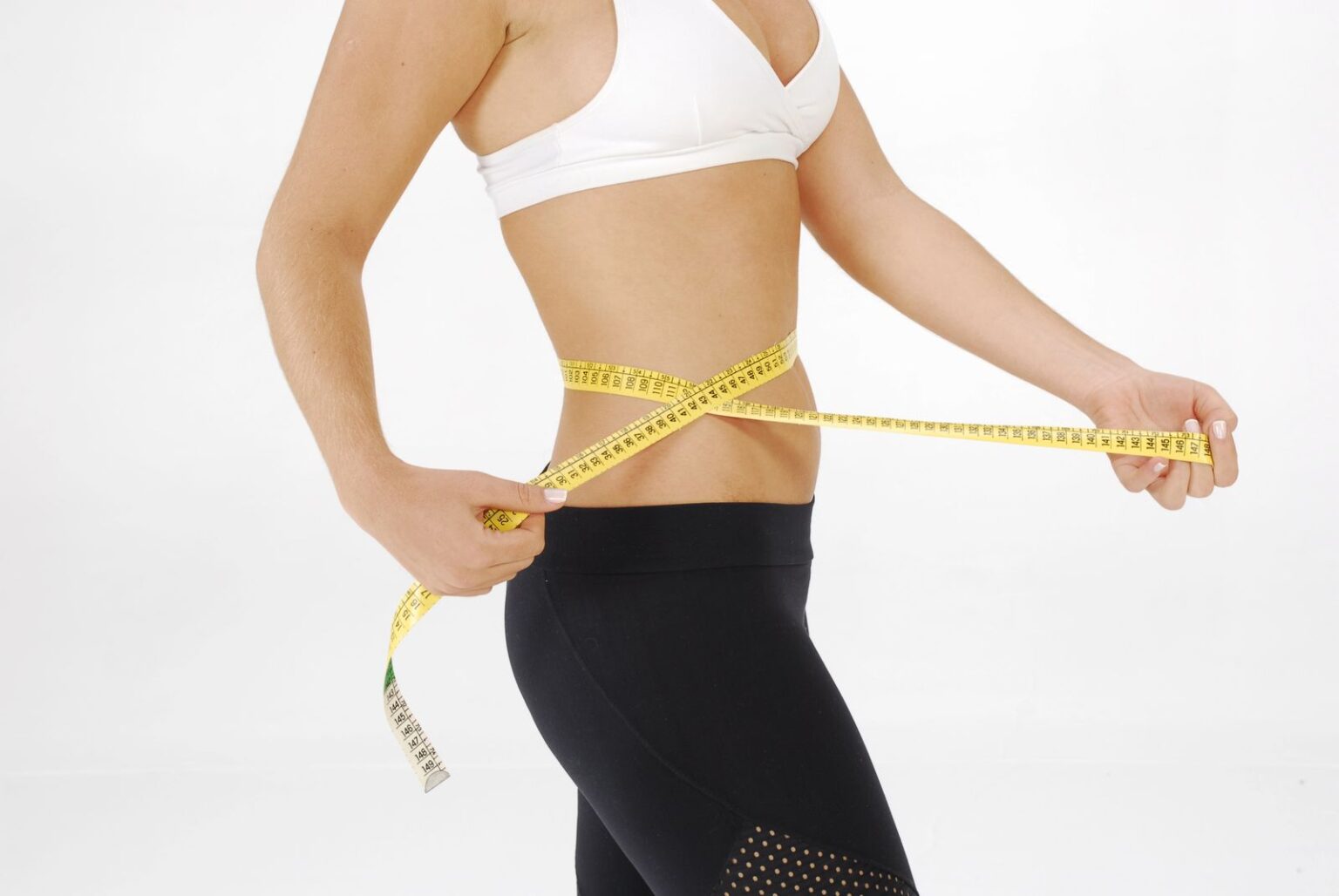
Getting three terms straight is the key to reading red light therapy body composition research honestly: circumference, fat, and weight are not interchangeable. Body fat refers to the actual amount of adipose tissue you carry. Body weight is what the scale reads, reflecting everything in the body, including water, muscle, bone, and fat. A short-term change in the tape measure around one spot does not establish that body fat has dropped, that weight has fallen, or that the body as a whole has changed.
This distinction is at the heart of the confusion. When a study reports a reduction in inches at a treated area, that is a measurement of circumference at that spot — not a measurement of fat loss or weight loss. This distinction is at the heart of nearly every red light therapy body composition misconception.
What the Body-Contouring Studies Reported
The interest in red light therapy body composition comes largely from body-contouring research using low-level laser or light therapy. A randomized, controlled study by Jackson and colleagues is frequently cited. It ran for about two weeks in roughly sixty volunteers and measured the combined circumference of treated areas such as the waist, hips, and thighs. The authors concluded, carefully, that the data suggest the therapy can reduce overall circumference measurements of specifically treated regions.
Two honest caveats travel with that finding. First, it is a circumference result, not a weight or whole-body fat result. Second, it was short: when participants were measured again a couple of weeks after treatment ended, part of the change had already reversed. Modest and potentially temporary changes at a treated area are a long way from durable body recomposition.

What Reviews Say About the Bigger Picture
Individual red light therapy body composition studies can look encouraging in isolation, so it helps to step back and weigh the evidence as a whole. A review of the efficacy of low-level laser therapy for body contouring and spot fat reduction states directly that scientific studies of its effectiveness, and of the mechanism by which it might cause loss of fat from fat cells, are lacking. That is a notable admission from the contouring literature itself.
A comprehensive review of low-level laser therapy for fat layer reduction adds more nuance. It reports that while some studies suggest a potential effect, the evidence for the therapy as a stand-alone procedure is inadequate, and the mechanism of action remains unclear and is described as somewhat controversial. The same review documents conflicting laboratory findings — some researchers could not reproduce the cellular effects others reported — which is exactly the kind of inconsistency that signals an unsettled science.
Why Study Quality Matters Here
Cleveland Clinic explains why this matters in plain terms. The gold standard is a randomized, placebo-controlled trial in a meaningful number of people, yet many red light studies have been small, lacked a placebo group, or were done in cells or animals rather than humans. Most researchers, it notes, say results look promising but that larger, higher-quality studies are needed. When the evidence base is thin and mixed, confident claims are not justified, however appealing they sound.
What This Suggests, Stated Honestly
Pulling it together, red light therapy body composition research suggests something modest and specific. It does not establish that red light causes fat loss, weight loss, or a change in overall body composition, the mechanism is uncertain, the trials are often small and brief, and major reviews call the stand-alone evidence inadequate. Results also vary from person to person.
Framed responsibly, then, red light therapy might at most be considered a possible adjunct for the appearance of a specific treated area, used within a healthy lifestyle. It is not a tool for changing body composition in any meaningful, lasting sense, and it should not be presented as one.
A Caution Worth Repeating
Because body image is involved, it is worth restating clearly: no light device replaces the fundamentals of red light therapy body composition change — which rest on nutrition, activity, sleep, and consistent behavior. Any claim of melted fat, spot fat reduction, or guaranteed inches should be treated with skepticism, because the science does not back it. Red light therapy is not a substitute for medical care, and concerns about body composition or weight are best discussed with a qualified professional.
Where a Light Routine Can Reasonably Fit
None of this makes red light therapy worthless for the goals it is actually associated with, such as skin appearance. For healthy adults at consumer doses, it is generally considered low-risk, with mild, temporary side effects, provided the eyes are protected and device guidance is followed. If someone enjoys a short session, it can be a small, pleasant habit. The error is expecting it to reshape the body. Kept in that modest role — and paired with realistic expectations and patience — it can coexist with a genuine, lifestyle-based approach to body composition without overpromising.

How to Read Body-Contouring Marketing
Much of the confusion around body composition comes from how results are presented. Advertisements often headline a number of inches lost, photographed under flattering conditions, without explaining that the measurement is circumference at a treated spot over a very short period. A reader naturally translates inches lost into fat lost or weight lost, but those are not the same thing, and the gap is rarely spelled out. When you see a before-and-after image or a dramatic measurement, it is worth asking what exactly was measured, over how long, in how many people, and whether the change lasted.
It also helps to remember that circumference can shift for mundane reasons unrelated to fat, including fluid balance, posture, and the tightness and placement of the tape. A small reduction recorded at the end of a brief treatment block may not reflect a durable structural change at all. Read red light therapy body composition claims as carefully worded measurements rather than proof of body transformation.
Tracking Your Own Body Honestly
If you are interested in your own body composition, a little realism about measurement goes a long way. The scale, a tape measure, and photographs each capture something different and each fluctuates day to day. None of them, on their own, can tell you that a particular product caused a change, especially over a short window. Trends over weeks and months, in the context of your overall habits, are far more meaningful than a single reading taken right after a treatment.
This is exactly why isolating the effect of any one intervention is so hard, and why researchers lean on randomized, placebo-controlled designs. For an individual at home, red light therapy body composition effects are most plausibly explained by your nutrition, activity, and sleep — not a light device whose stand-alone evidence reviewers describe as inadequate.
The Bottom Line
Research on red light therapy for weight loss and body composition is narrower than the headlines suggest. The most-cited studies measured small, sometimes temporary changes in the circumference of treated areas, which is not the same as fat loss, weight loss, or true body recomposition. Reviews describe the stand-alone evidence as inadequate and the mechanism as unclear. Treat red light, at most, as a possible adjunct for the appearance of a treated area within a healthy lifestyle — and rely on nutrition, activity, sleep, and behavior, guided by a professional, for real change.
Ready to get your red light therapy device? See our brand and product reviews, and try out our product comparison tool to inform your decision.
Frequently Asked Questions
1. Does red light therapy change body composition?
There is no good evidence that it meaningfully changes body composition. Red light therapy body composition changes are not what the evidence supports.
2. What is the difference between circumference and fat loss?
Circumference is the distance around a body part measured with a tape; fat loss is an actual reduction in adipose tissue. A short-term change in circumference at one spot does not establish that body fat or weight has decreased.
3. Are the body-contouring studies strong evidence?
Generally no. Many are small, short, or industry-related, use different devices, and measure circumference rather than weight. Reviews state that red light therapy body composition stand-alone efficacy is inadequate and the mechanism remains unclear.
4. Can red light therapy target fat in one area?
Red light therapy body composition claims around spot fat reduction are not supported by solid evidence. At most, some studies report modest, sometimes temporary circumference changes at treated areas, which is different from removing fat from that spot.
5. What should I rely on for body composition goals?
Nutrition, regular physical activity, adequate sleep, and consistent behavior over time. These are the evidence-based foundations, and a qualified professional can help tailor a safe approach.
This article is for general educational purposes only and is not medical advice. Red light therapy is not a substitute for professional care. Talk with a qualified healthcare professional about your individual situation.