A well-timed nap can be a genuinely useful tool for daytime alertness, and it is no surprise that people who already use red light therapy wonder whether the two habits can sit comfortably together. The honest answer is that napping has a reasonable body of guidance behind it, while red light therapy plays, at most, a minor and optional role in the ambient setting around a nap. This article keeps those two ideas separate so you can build a sensible daytime rest routine without overstating what any device can do. Studies on red light therapy naps have drawn increasing attention from researchers.
Before going further, it is worth being clear about the boundaries. Red light therapy is the use of low-intensity red and near-infrared light, typically aimed at the skin for goals such as appearance or recovery. It is not a sleep treatment, and there is no good evidence that it makes naps deeper, longer, or more restorative. What follows centers the napping fundamentals and treats red light as nothing more than possible ambient context. When examining red light therapy naps, it helps to look carefully at the underlying research.
What the Guidance Says About Napping
According to the Sleep Foundation, short naps can support alertness and performance for many people, while longer or poorly timed naps can leave you groggy or interfere with nighttime sleep. The practical takeaways are straightforward: keep most naps brief, and be thoughtful about when you take them. [source] The evidence around red light therapy naps remains an active area of investigation.
Length
A short nap of roughly 20 minutes is often suggested because it allows rest without sliding deep into the sleep cycle, which is what tends to produce that heavy, disoriented feeling on waking, sometimes called sleep inertia. Longer naps are not automatically wrong, but they carry a higher chance of grogginess and of disrupting your night. [source] For those exploring red light therapy naps, setting realistic expectations matters.
Timing
Earlier in the afternoon is generally a better window than late afternoon or evening. The CDC notes that adequate, well-timed sleep supports overall health, and a late nap can quietly steal from the nighttime sleep your body is building toward. If you nap, finishing well before evening helps protect your main sleep period. [source] Understanding red light therapy naps requires separating marketing claims from published data.
Where Red Light Fits (and Where It Does Not)
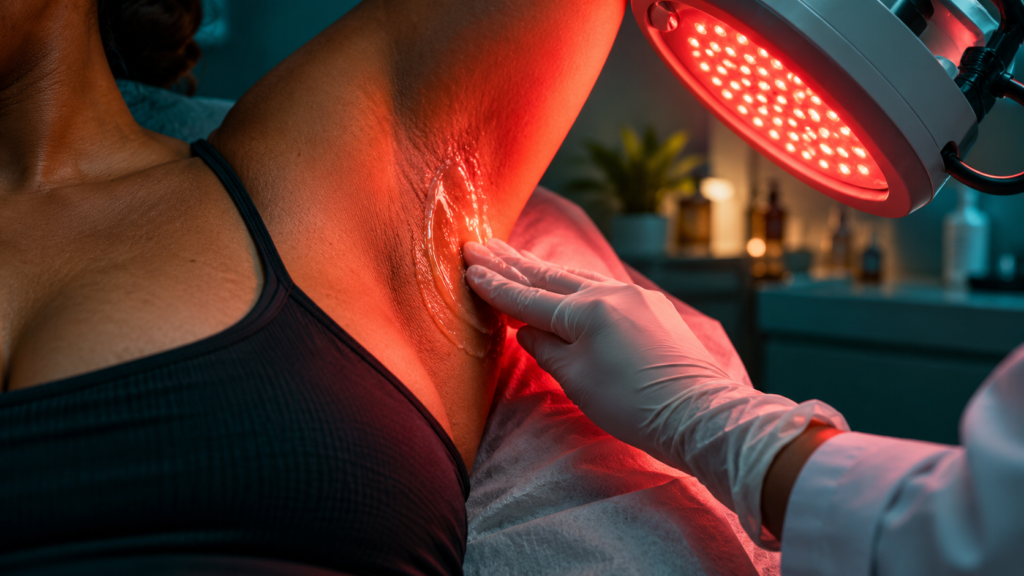
Here is the careful part. Red light therapy does not have evidence showing it improves naps. Its only plausible connection to a nap routine is environmental: some people find a warm, dim, low-color-temperature setting more relaxing than a bright, cool one, and a red-toned ambient light is one way to create that mood. That is a comfort and atmosphere choice, not a clinical effect. Anyone researching red light therapy naps will find the science is still developing.
If you choose to use a red light therapy device near your rest time, treat it as you would for any other goal, such as skin or recovery, following the manufacturer’s guidance on distance and duration. Do not expect it to act on your sleep, and do not lengthen sessions in hopes of a sleep benefit, since more light is not better and there is no nap-specific payoff to chase. The current state of red light therapy naps research points to early, modest findings.
Light, Darkness, and Daytime Rest
One genuinely important point about napping is the role of darkness. The Sleep Foundation explains that a dark, quiet, cool environment supports rest. For a daytime nap, that often means drawing curtains or using an eye mask to reduce the bright light that signals wakefulness to the body. This is ordinary light hygiene, and it matters far more for nap quality than any specialty light device. Interest in red light therapy naps has grown alongside broader photobiomodulation research.
It is also worth distinguishing the dim red ambiance some people prefer from bright light therapy boxes, which are an entirely different tool. Bright light boxes deliver intense visible light to the eyes to influence the circadian system and are typically used for morning alertness or seasonal mood support, not to set a relaxing nap mood. They are not interchangeable with red light therapy panels, and neither one is a nap aid in itself. Most published reviews on red light therapy naps call for larger, better-controlled trials.
Building a Simple, Realistic Nap Routine
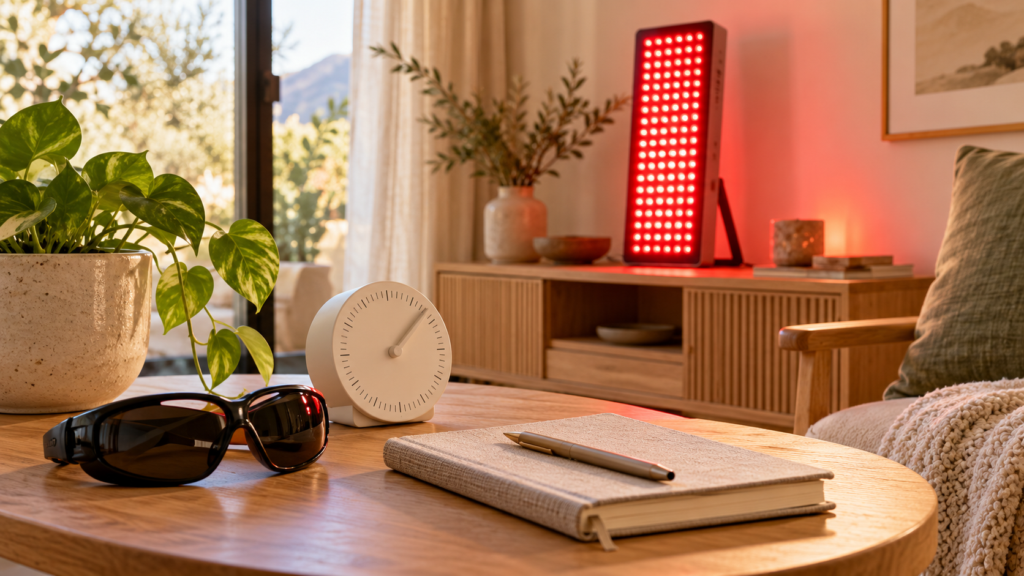
A workable daytime rest routine leans on the fundamentals. Choose an earlier-afternoon window, keep the nap short unless you have a specific reason not to, and make the space dark, quiet, and comfortable. If a warm, dim light helps you wind down beforehand, that is fine, but the rest itself benefits most from darkness once you lie down. A clear-eyed look at red light therapy naps means separating anecdote from controlled evidence.
Consistency helps too. The Sleep Foundation’s general healthy-sleep guidance emphasizes regular patterns, and naps work best when they support rather than compete with your nighttime sleep. If you find that napping leaves you unable to fall asleep at night, that is a signal to shorten or skip the nap rather than to add any device into the mix. Consulting a healthcare provider about red light therapy naps is always a sensible step.
When Napping Points to Something Else
Frequent, irresistible daytime sleepiness is worth paying attention to. If you regularly feel you must nap to get through the day, or if naps never seem to refresh you, that may reflect insufficient or poor-quality nighttime sleep, or an underlying issue. The CDC highlights how important adequate sleep is for health, and persistent daytime sleepiness is a reasonable thing to discuss with a healthcare professional. No light device is a substitute for that conversation. Devices marketed for red light therapy naps vary widely in power output and wavelength.
A Note on Expectations
It can be tempting to layer wellness gadgets onto every routine, but napping is a case where simplicity wins. The evidence-based levers are length, timing, and darkness. Red light therapy can be part of the room you rest in if you enjoy the ambiance, yet it should not be sold to you, or to yourself, as something that improves the nap. Practitioners field frequent questions about red light therapy naps from clients.
Naps and Your Nighttime Sleep
One reason to keep naps short and early is that daytime sleep and nighttime sleep are connected. The longer and later you nap, the more you can reduce the natural build-up of sleep pressure that helps you fall asleep at night. The Sleep Foundation notes that naps can be helpful but should be managed so they do not undermine your main sleep period. If you notice that an afternoon nap leaves you wide awake at bedtime, that is useful feedback: the nap was likely too long, too late, or both. Adjusting the nap, rather than reaching for a device, is the appropriate response. The aim is for naps to complement your night, not compete with it. Studies on red light therapy naps have drawn increasing attention from researchers.
Who Tends to Benefit From Napping: Red light therapy naps Notes
Napping is not equally useful for everyone. People who are well rested may find a short nap gives a mild alertness boost, while those who are chronically sleep-deprived may lean on naps as a patch for inadequate nighttime sleep. The CDC’s emphasis on getting enough regular sleep is a reminder that naps work best as an occasional supplement, not as a daily substitute for the rest you are missing at night. If naps have become a daily necessity, that pattern itself is worth examining. When examining red light therapy naps, it helps to look carefully at the underlying research.
Putting It Together
If you want a clear way to remember all of this, think of a short list. Keep most naps brief, around 20 minutes, to limit grogginess. Nap earlier in the afternoon rather than late in the day. Make the space dark, quiet, and cool, since darkness supports rest. Treat any red light therapy session as a separate, optional habit governed by the device’s own instructions, not as a nap enhancer. And if daytime sleepiness is persistent or naps never help, raise it with a professional. Approached this way, a nap routine stays grounded in what actually works, and red light therapy stays in its honest place as, at most, a bit of pleasant ambient context.
The Bottom Line
Napping is a practical skill with sensible guidance behind it: short, early, and in the dark tends to serve most people best. Red light therapy is not a nap aid and has no evidence of improving daytime rest; its only link to a nap routine is the optional, atmospheric one of a warm, dim setting. Keep the two ideas distinct, lean on the fundamentals, and seek professional input if daytime sleepiness persists.
Frequently Asked Questions
Does red light therapy make naps more restful?
There is no good evidence that it does. Red light therapy is not a nap aid; its only connection to napping is the optional, atmospheric one of a warm, dim setting some people find relaxing.
How long should a nap be?
Many people do well with a short nap of around 20 minutes, which limits the grogginess that can follow longer naps. Longer naps are not always wrong but carry a higher chance of leaving you groggy or disrupting night sleep.
When is the best time to nap?
Earlier in the afternoon is generally better than late afternoon or evening, so the nap is less likely to interfere with your main nighttime sleep.
Should I use red light or just darken the room for a nap?
Darkness matters far more for nap quality. A dark, quiet, cool space supports rest; a dim red light is only an optional ambiance choice and is not required.
I feel like I need to nap every day to function. Is that normal?
Persistent, strong daytime sleepiness can reflect insufficient or poor-quality night sleep or another issue. It is worth discussing with a healthcare professional rather than relying on naps or any device.
Ready to get your red light therapy device? See our brand reviews and product reviews, and try out our product comparison tool to inform your decision.