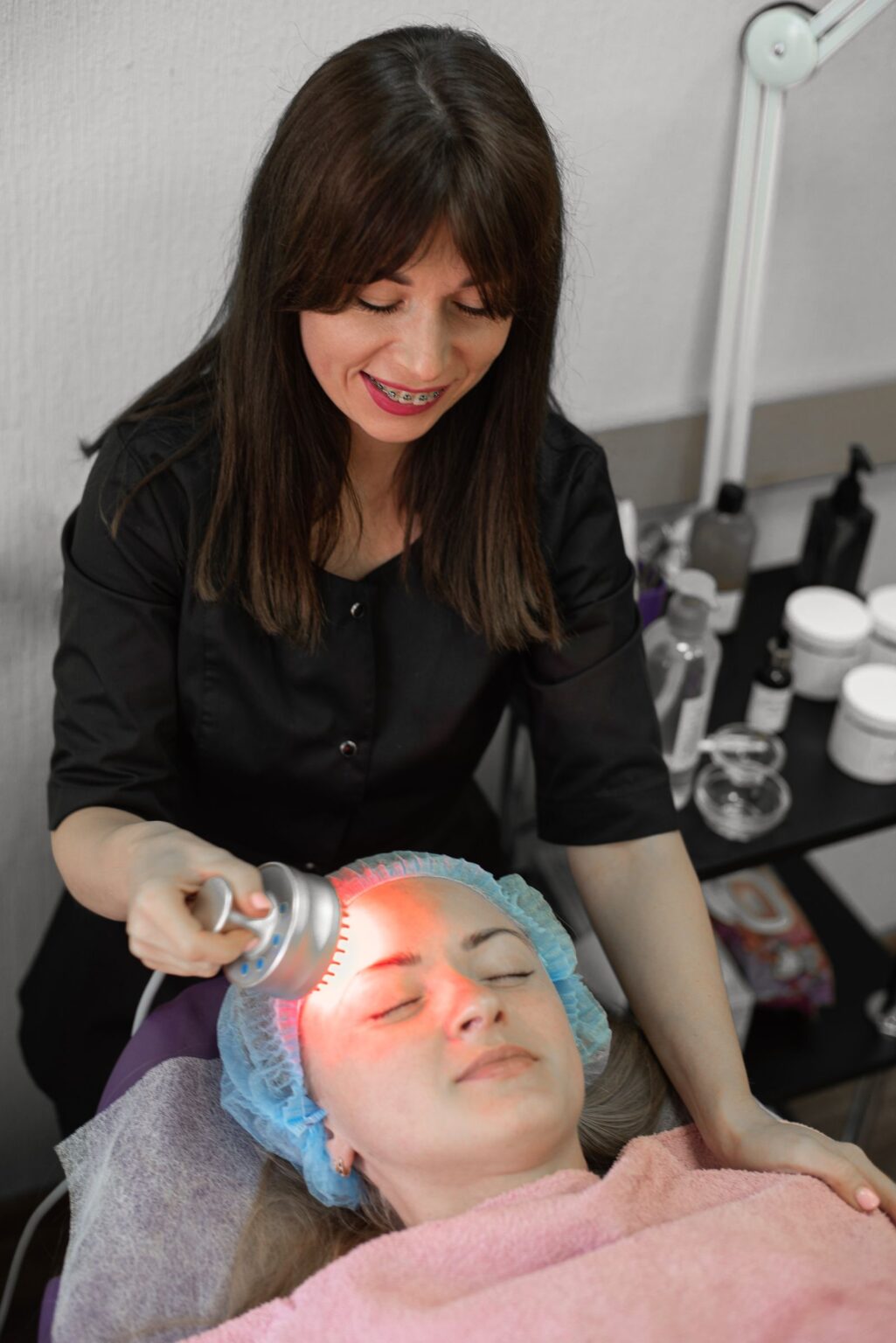
Few wellness topics attract as much confident misinformation as red light therapy. Between glowing advertisements and skeptical takedowns, it can be hard to know what is true. The reality usually sits in the middle: a practice with a plausible mechanism and encouraging—but still developing—evidence, surrounded by claims that outrun the science in both directions.
This article takes the most common red light therapy myths one at a time and examines each against what the evidence actually supports. The goal is not to sell or to debunk, but to help you think clearly about a tool that is neither magic nor nonsense.
Red Light Therapy Myths No. 1: “Red Light Therapy Is Just a Tanning Bed”
This is perhaps the most persistent misconception, and it is worth correcting first because it shapes how people judge safety. Tanning beds emit ultraviolet (UV) radiation to darken the skin, and that UV exposure carries a recognized risk of skin damage and skin cancer. Red light therapy is fundamentally different. According to Cleveland Clinic, red light therapy uses low levels of red and near-infrared light—not UV—and works through a different mechanism that does not rely on damaging the skin to produce an effect.
In other words, the two share little beyond the fact that both involve light and a device you sit near. Confusing them leads people either to fear red light therapy unnecessarily or, less commonly, to assume a tanning bed offers similar benefits. Neither assumption holds.
Red Light Therapy Myths No. 2: “More Light Means Faster, Better Results”
It is intuitive to think that if a little light helps, more must help more. The dosing research tells a different story. Studies describe a biphasic dose response, meaning the relationship between light dose and benefit is not a straight upward line. Huang and colleagues describe how a moderate dose may produce a helpful effect, while too little does nothing and too much can reduce or even reverse the benefit.
This is why doubling your session time or sitting much closer than recommended is not a shortcut to better outcomes—and may be counterproductive. The practical takeaway is to follow the device’s guidance on time and distance rather than improvising a larger dose. With red light therapy, the goal is the right amount, not the maximum amount.
Red Light Therapy Myths No. 3: “You’ll See Results Immediately”
Marketing imagery often implies a dramatic, near-instant transformation. In practice, the studies that report benefits typically involve weeks of consistent use before measuring changes, and the effects, when they occur, tend to be gradual and subtle rather than sudden. Expecting an overnight difference is a recipe for disappointment and for abandoning a routine before it has had a fair chance.
A more realistic mindset treats red light therapy like many other wellness habits: something that may contribute over time with regular use, not a switch that produces immediate change. Individual responses also vary, so two people following the same routine may notice different things.
Red Light Therapy Myths No. 4: “All Red Light Devices Are FDA Approved”
This myth hinges on a subtle but important distinction between “cleared” and “approved.” Many consumer light devices that reference the U.S. Food and Drug Administration have been cleared through the 510(k) pathway, which the FDA describes as a process for demonstrating that a device is substantially equivalent to one already on the market. That is not the same as formal FDA approval, a more rigorous process generally reserved for higher-risk products.
Many wellness-oriented light devices are marketed as general wellness products rather than being cleared or approved for specific medical uses at all. None of this means a device is unsafe or ineffective, but it does mean that “FDA approved” is often used loosely in marketing. Reading carefully—and treating vague regulatory claims with healthy skepticism—helps you set accurate expectations.
Red Light Therapy Myths No. 5: “It Works for Everything”
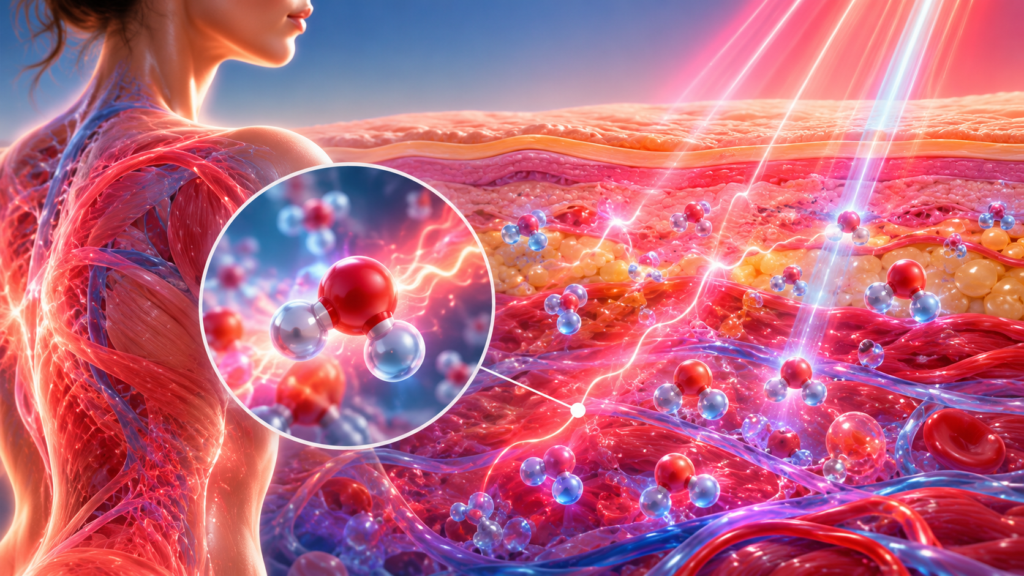
Because the proposed mechanism is general—supporting cellular energy and signaling—it is tempting to assume red light therapy helps with almost any concern. Researchers such as Michael Hamblin have described a plausible cellular mechanism centered on the mitochondria, but a sound mechanism is not the same as proof of benefit for every goal. Some uses, particularly skin-related ones, have been studied more than others, while many applications rest on small or preliminary evidence.
The honest framing is that red light therapy may support certain goals for some people, with stronger research behind some uses than others. Claims that it reliably treats, cures, or prevents disease go well beyond what the current evidence supports, and red light therapy is not a replacement for medical care.
Red Light Therapy Myths No. 6: “If There Is a Mechanism, It Must Be Proven”
This is the mirror image of the dismissive view, and it is just as misleading. A well-described laboratory mechanism explains how light could influence cells, but it does not guarantee a reliable, measurable benefit in a complex human being pursuing a specific goal. Both things can be true at once: the mechanism is credible, and the clinical evidence is still maturing. Reviewers across the field repeatedly call for larger, standardized trials, which is a sign of a science in progress rather than one that is settled.
Red Light Therapy Myths No. 7: “Natural Light Does the Same Thing”
Sunlight contains red and near-infrared wavelengths, which leads some people to assume that ordinary sun exposure provides the same effect as a dedicated device. The complication is that sunlight also contains UV radiation, the part of the spectrum associated with skin damage. A purpose-built device delivers targeted red and near-infrared wavelengths without that UV component, and at a controlled, consistent dose. Relying on the sun for a “free” version of red light therapy means accepting UV exposure that the practice is specifically designed to avoid.

Red Light Therapy Myths: How to Tell Hype From Reality
A useful filter for any claim is to ask three questions. Does it promise dramatic, guaranteed, or instant results? Does it ignore the role of dose, distance, and consistency? Does it treat a laboratory mechanism as if it were settled clinical proof? Claims that stumble on these questions deserve skepticism, regardless of how confident they sound. Trustworthy sources tend to use measured language—”may support,” “early research suggests,” “more study is needed”—precisely because that is where the evidence stands.
Red Light Therapy Myths No. 8: “Home Devices and Clinical Devices Are Identical”
Another common assumption is that the panel you buy for home use is interchangeable with the equipment found in a clinic or research study. Devices can differ considerably in their output, the wavelengths they emit, and how that output is measured, which means a home device may deliver a different dose than the one used in a particular study. This does not make consumer devices useless, but it does mean you cannot assume that results reported in research will automatically transfer to any device that happens to glow red. Reading a product’s stated wavelengths and output, and following its specific guidance, is more reliable than treating all devices as equivalent.
Why These Red Light Therapy Myths Persist
It is worth pausing on why misinformation clings to this topic so stubbornly. Part of the reason is that red light therapy sits at the intersection of real science and aggressive marketing, so genuine findings get stretched into exaggerated promises. Part of it is human nature: people want simple, confident answers, and “it works for everything” or “it is all nonsense” are easier to repeat than “it may help with some goals, the evidence is still developing, and dose matters.” Recognizing this dynamic is itself a defense against being misled, because it encourages you to pause when a claim sounds too clean and certain.
Red Light Therapy Myths: A Safety Note Worth Repeating
At consumer doses, red light therapy is generally considered low-risk for most healthy adults, with side effects that tend to be mild and temporary. Even so, it is not automatically right for everyone. Anyone who is pregnant, takes medication that increases light sensitivity, or has a relevant eye or skin condition should consult a healthcare professional before starting. Protecting the eyes from bright light is a sensible precaution. Debunking red light therapy myths should never tip into assuming the practice is risk-free for all.
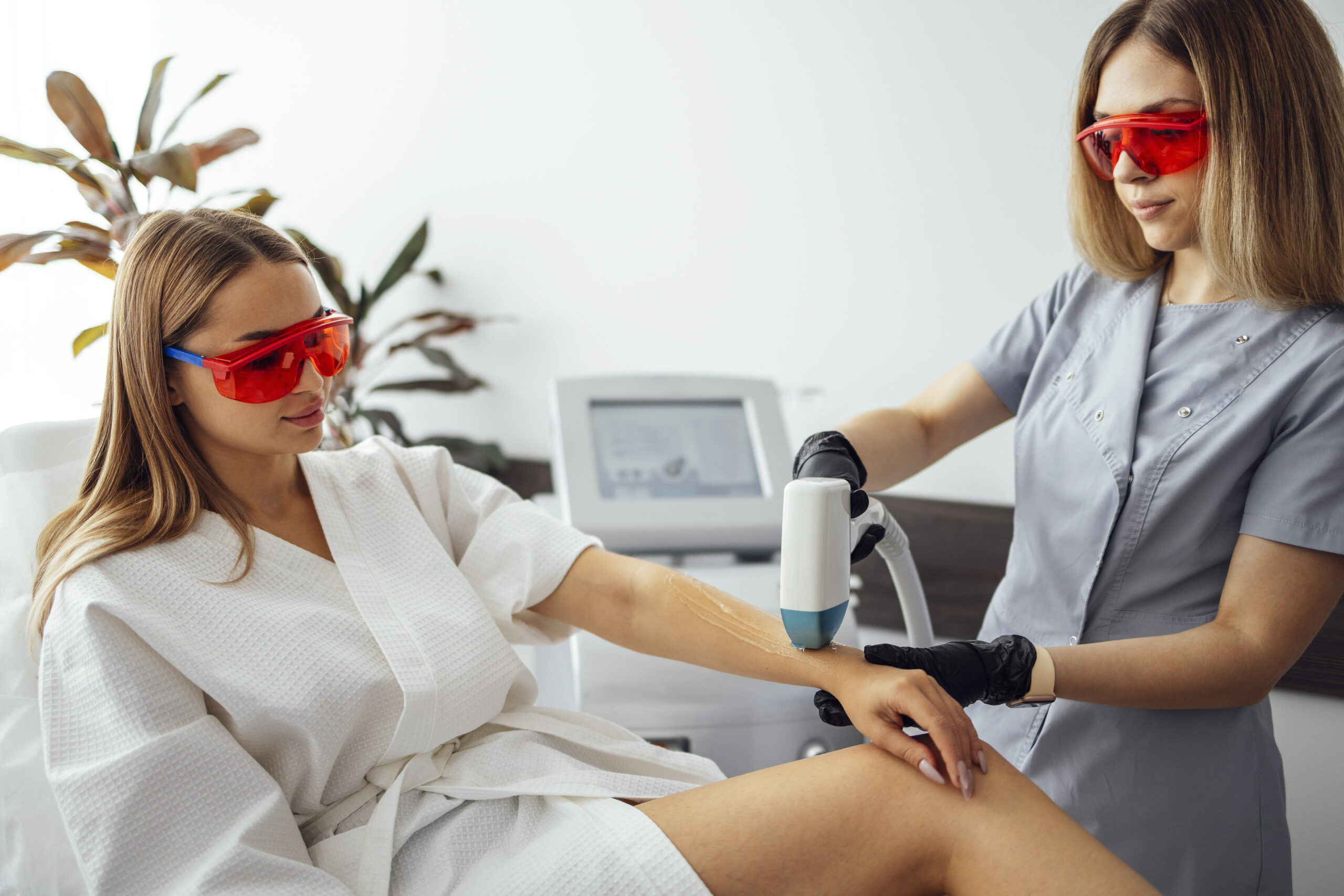
The Bottom Line on Red Light Therapy Myths
Most red light therapy myths share a common flaw: they replace nuance with certainty. It is not a tanning bed; more light is not better; results are not instant; “FDA approved” is often “FDA cleared,” and it does not work for everything—yet it is also not pseudoscience. Holding the credible mechanism and the still-developing evidence together, while respecting dose and safety, is the most accurate way to understand red light therapy.
If you’re looking to get a red light therapy device, we recommend checking our product and brand reviews to help inform your decision on which device to get. You can also try out our product comparison shopping tool.
Frequently Asked Questions
Is red light therapy a type of tanning bed?
No. Tanning beds use ultraviolet (UV) light that can damage skin, while red light therapy uses non-UV red and near-infrared light and works through a different mechanism.
Will using red light therapy longer give me faster results?
Not according to the dosing research. Studies describe a biphasic response in which a moderate dose may help, and too much can reduce the benefit, so following the recommended time and distance matters.
Does ‘FDA cleared’ mean the same as ‘FDA approved’?
No. Clearance through the 510(k) pathway means a device is considered substantially equivalent to an existing one, which is different from formal FDA approval. Many wellness devices are neither and are sold as general wellness products.
Can I just use sunlight instead of a device?
Sunlight contains red and near-infrared light, but also UV radiation linked to skin damage. A dedicated device delivers targeted wavelengths at a controlled dose without that UV exposure.
If there is a scientific mechanism, why isn’t it proven for everything?
A laboratory mechanism explains how light could affect cells, but reliable real-world benefits for specific goals require larger, standardized clinical trials that are still ongoing.
This article is for general educational purposes only and is not medical advice. Red light therapy is not a substitute for professional care. Talk with a qualified healthcare professional about your individual situation.