
Few promises are more appealing to anyone who trains than faster recovery. Sore muscles, stiffness the morning after a hard session, and the long wait for performance to bounce back are familiar frustrations. It is no surprise, then, that red light therapy is increasingly marketed as a recovery tool. This guide explores red light therapy for muscle recovery research, where the evidence is encouraging, where it remains mixed, and how to set realistic expectations.
The honest headline is this: some research suggests red and near-infrared light may support aspects of recovery, particularly the feeling of soreness and certain measures of endurance, while results for strength and other outcomes are inconsistent. Red light therapy is best understood as a possible complement to good training habits, not a proven shortcut.
Red Light Therapy for Muscle Recovery Explained
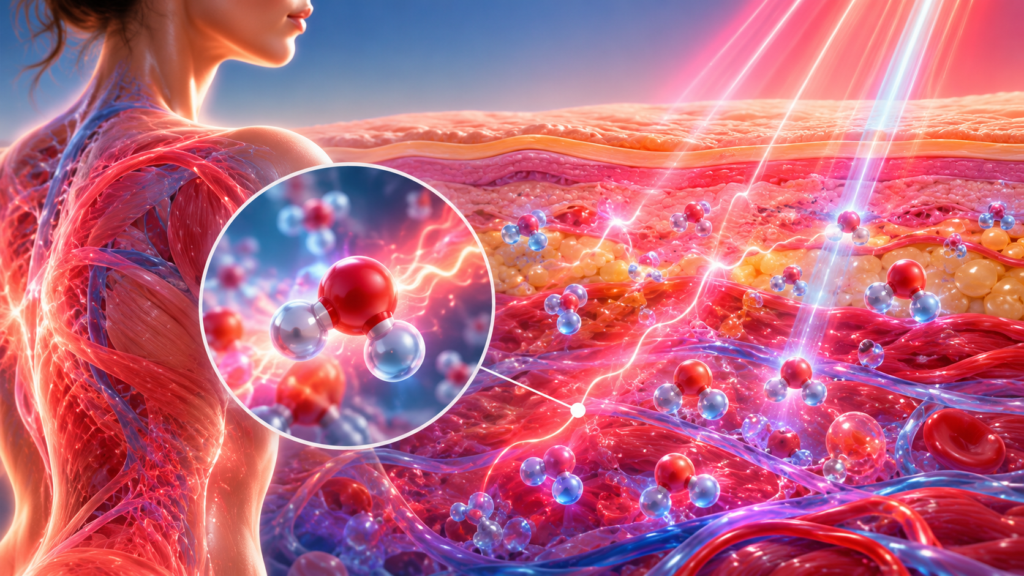
Red light therapy — also called photobiomodulation (PBM) or low-level light therapy (LLLT) — uses low-intensity red and near-infrared light delivered to the skin and, in some cases, deeper tissue. According to Cleveland Clinic, it uses low levels of red or near-infrared light to influence cells without the ultraviolet (UV) radiation found in sunlight or tanning beds, and without enough heat to burn.
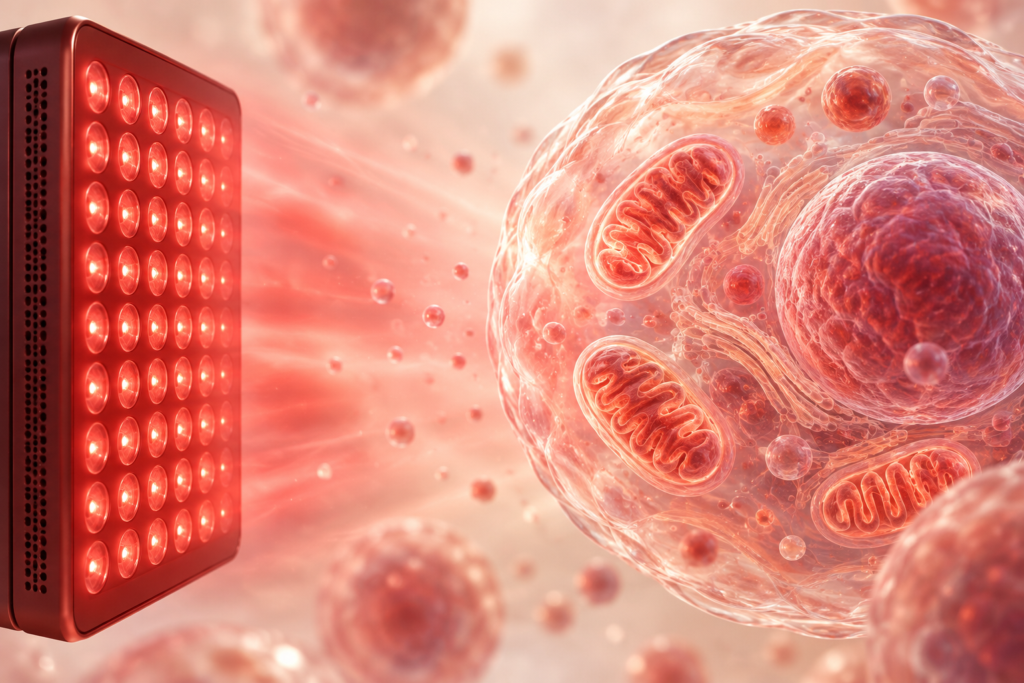
The leading explanation for how it might work centers on the mitochondria, the energy-producing structures inside cells. Researchers including Michael Hamblin describe how red and near-infrared light may be absorbed by an enzyme called cytochrome c oxidase, potentially supporting cellular energy production (ATP) and influencing signaling involved in repair and inflammation. This is the proposed basis for any recovery effect, though a plausible mechanism is not the same as a guaranteed result.
How Red Light Therapy for Muscle Recovery May Work
The reasoning that connects this mechanism to recovery goes roughly as follows. Hard exercise stresses muscle fibers and temporarily disrupts cellular energy balance, and the soreness and fatigue that follow are part of the body’s repair and adaptation process.
If red and near-infrared light can modestly support mitochondrial energy production and influence signaling tied to repair and inflammation, the theory holds that it might help cells recover a little more efficiently. That is a coherent chain of reasoning, and it is why researchers have bothered to study the question at all. It is also worth stressing that each link in that chain carries uncertainty, and the size of any real-world effect depends on whether enough light at the right dose actually reaches the muscle.
What Red Light Therapy for Muscle Recovery Research Shows
The recovery outcome with the most supportive evidence is delayed-onset muscle soreness — the familiar ache that appears a day or two after unfamiliar or intense exercise. A systematic review and meta-analysis of photobiomodulation for muscular performance and fatigue in healthy people reported that light therapy, used before or after exercise, may improve some measures of muscular performance and reduce fatigue and markers associated with muscle stress.
A separate review of photobiomodulation for acute tissue injury and sport performance recovery similarly describes signals that light exposure may help with recovery-related outcomes such as soreness and fatigue in some studies. Taken together, these reviews suggest red light therapy may ease the subjective feeling of soreness for some people, which is a meaningful and welcome possibility — but not a certainty.
Red Light Therapy for Muscle Recovery and Endurance
Beyond soreness, several studies have examined whether light exposure can support endurance or delay fatigue. The performance-and-fatigue meta-analysis found that photobiomodulation may improve some endurance-related measures, such as the number of repetitions performed or time to exhaustion, when applied at appropriate doses.
It is important to read these findings carefully. The effects reported are often modest, the studies vary widely in the devices, wavelengths, doses, and timing they use, and not every trial finds a benefit. Reviewers consistently describe the overall body of evidence as promising but heterogeneous, with a need for larger, more standardized research before firm conclusions can be drawn.
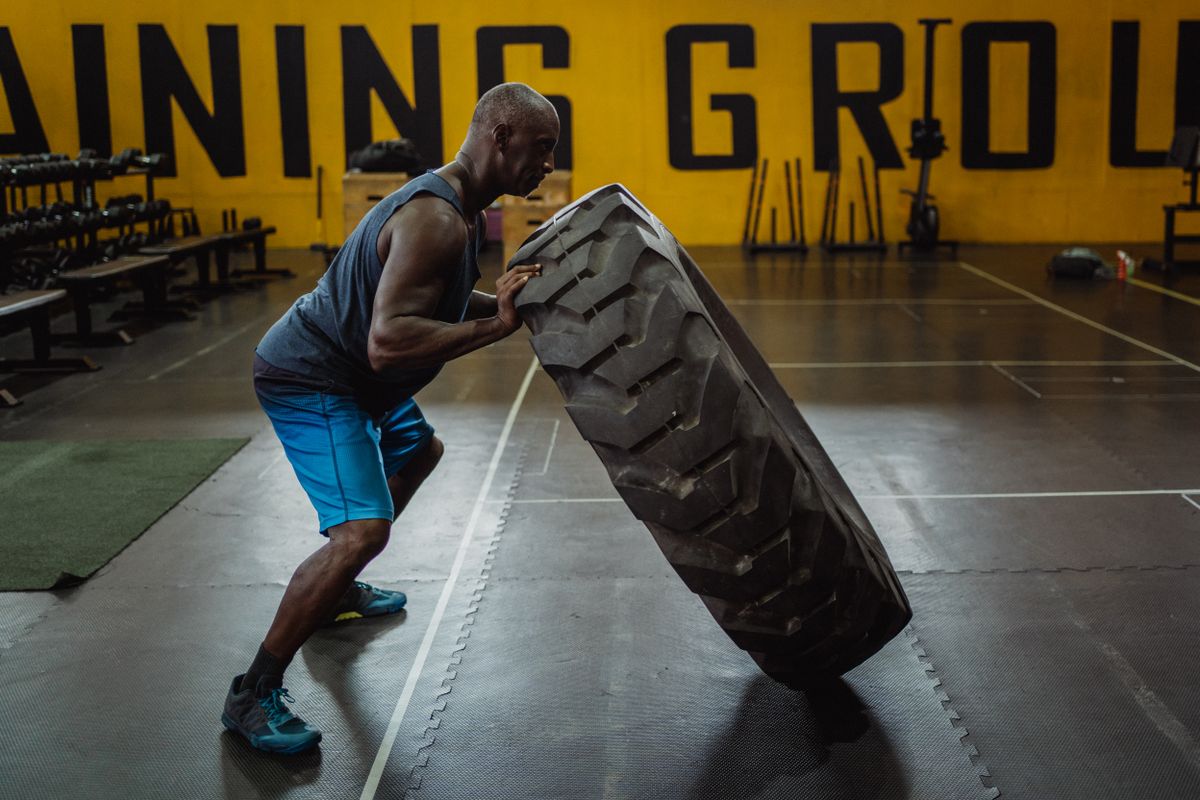
Red Light Therapy for Muscle Recovery and Strength
When it comes to maximal strength and power, the picture is murkier. Some studies report small improvements in strength-related outcomes with light exposure, while others find no meaningful difference. The performance-and-fatigue review reflects this inconsistency, with clearer signals for fatigue and endurance measures than for raw strength gains.
For that reason, it would be inaccurate to claim that red light therapy reliably builds strength or guarantees performance gains. If there is an effect on strength, current evidence suggests it is at best small and inconsistent. Progressive training remains the proven driver of strength.
Why Red Light Therapy for Muscle Recovery Results Vary
One reason the research looks mixed is that recovery studies are genuinely difficult to standardize. The dose of light reaching muscle depends on wavelength, the device’s output, the distance from the skin, session length, and individual factors like tissue thickness. Research on photobiomodulation describes a biphasic dose response, meaning a moderate dose may help while too little does nothing and too much can reduce or even reverse the benefit.
This dose sensitivity helps explain why two studies, or two individuals, can reach different conclusions using broadly similar equipment. It also underscores why following a device’s guidance on distance and time matters, and why more is not automatically better.

How to Use Red Light Therapy for Muscle Recovery
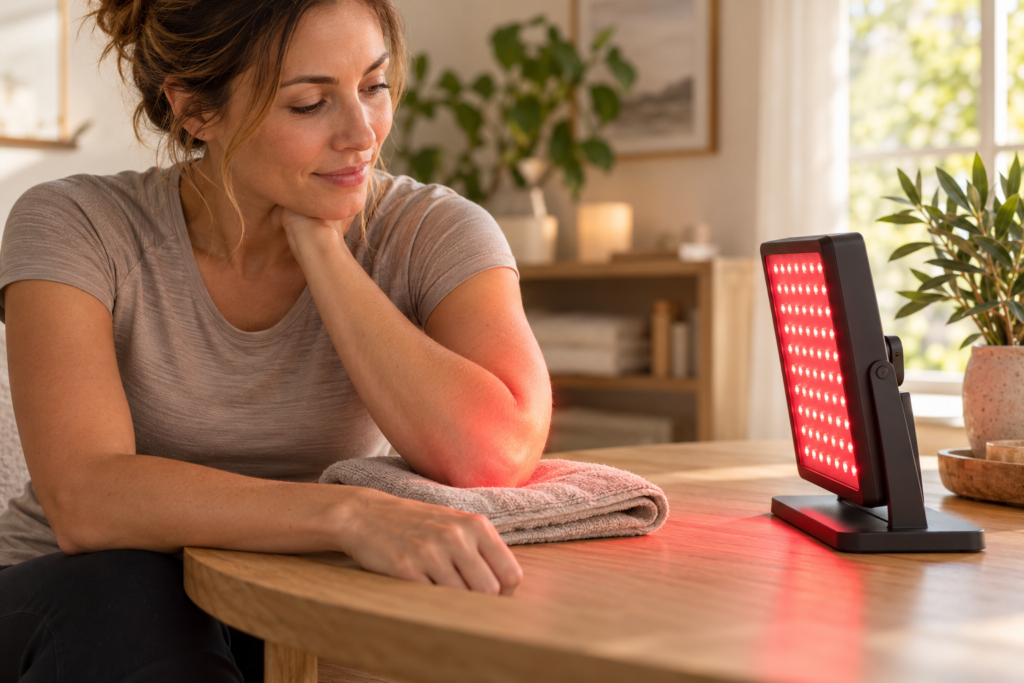
In practice, people typically use red light therapy for recovery by exposing the worked muscle groups to a panel or wrap for several minutes, either shortly before or after training, and repeating this across the week. Near-infrared wavelengths are often emphasized for muscle goals because they can reach deeper than visible red light.
Consistency over weeks tends to matter more than any single session, and red light therapy is most reasonably viewed as one supportive habit layered on top of the fundamentals: adequate sleep, sensible nutrition, appropriate training load, and rest. No device substitutes for those basics.
Limitations and Honest Expectations
It is worth restating the limitations plainly. Much of the supporting research involves small studies with varied protocols, and effects, where present, tend to be modest rather than dramatic. Red light therapy does not heal injured tissue reliably, does not eliminate soreness, and does not guarantee that you will recover faster or perform better. Individual responses vary, and some people may notice little.
Approached with realistic expectations, red light therapy can be a low-risk experiment for recovery support. Approached as a miracle cure, it is likely to disappoint.

When to See a Professional
Normal post-exercise soreness usually eases within a few days. Pain that is severe, persistent, or worsening, or that follows a specific injury such as a fall or a sudden pull, is a different matter and warrants evaluation by a healthcare professional. Sharp joint pain, swelling that does not settle, numbness, or loss of function should not be self-managed with a light device. Red light therapy is a wellness tool, not a replacement for medical assessment and care.
Using It Sensibly
If you decide to try red light therapy for muscle recovery, choose a device with clearly stated wavelengths and output, follow the manufacturer’s recommended distance and session time rather than overdoing it, and protect your eyes from bright light. Give any routine several weeks before judging it, and keep treating sleep, nutrition, and training structure as the foundation. If you have a medical condition, take medication that increases light sensitivity, or are pregnant, check with a healthcare professional first.
The Bottom Line
Red light therapy is a plausible, generally low-risk practice that some research suggests may support recovery-related outcomes, especially the feeling of soreness and certain endurance measures, while evidence for strength is mixed and the overall literature is still developing. Used as a complement to solid training, sleep, and nutrition — and with expectations grounded in the evidence rather than the marketing — it can be a reasonable addition to a recovery routine, but it is not a guaranteed fix.
Ready to get your red light therapy device? See our brand and product reviews, and try out our product comparison tool to inform your decision.
Frequently Asked Questions
Does red light therapy speed up muscle recovery?
Some research suggests it may support recovery-related outcomes such as the feeling of soreness and certain endurance measures, but the evidence is mixed and effects, where present, tend to be modest. It is not a guaranteed shortcut.
Is it better used before or after a workout?
Studies have applied light both before and after exercise and reported possible benefits in each case. There is no single proven timing, so following device guidance and being consistent matters more.
Can red light therapy build strength?
Evidence for strength and power is mixed and inconsistent. Any effect appears small at best, and progressive training remains the proven driver of strength gains.
How often would someone use it for recovery?
People commonly use it several times a week for a few minutes per muscle group. Consistency over weeks tends to matter more than any single session, but more is not automatically better.
Is red light therapy safe for recovery?
At consumer doses it is generally considered low-risk for healthy adults, with mild, temporary side effects like brief warmth or redness. Protect your eyes, and consult a professional if you are pregnant, take photosensitizing medication, or have a medical condition.
This article is for general educational purposes only and is not medical advice. Red light therapy is not a substitute for professional care. Talk with a qualified healthcare professional about your individual situation.