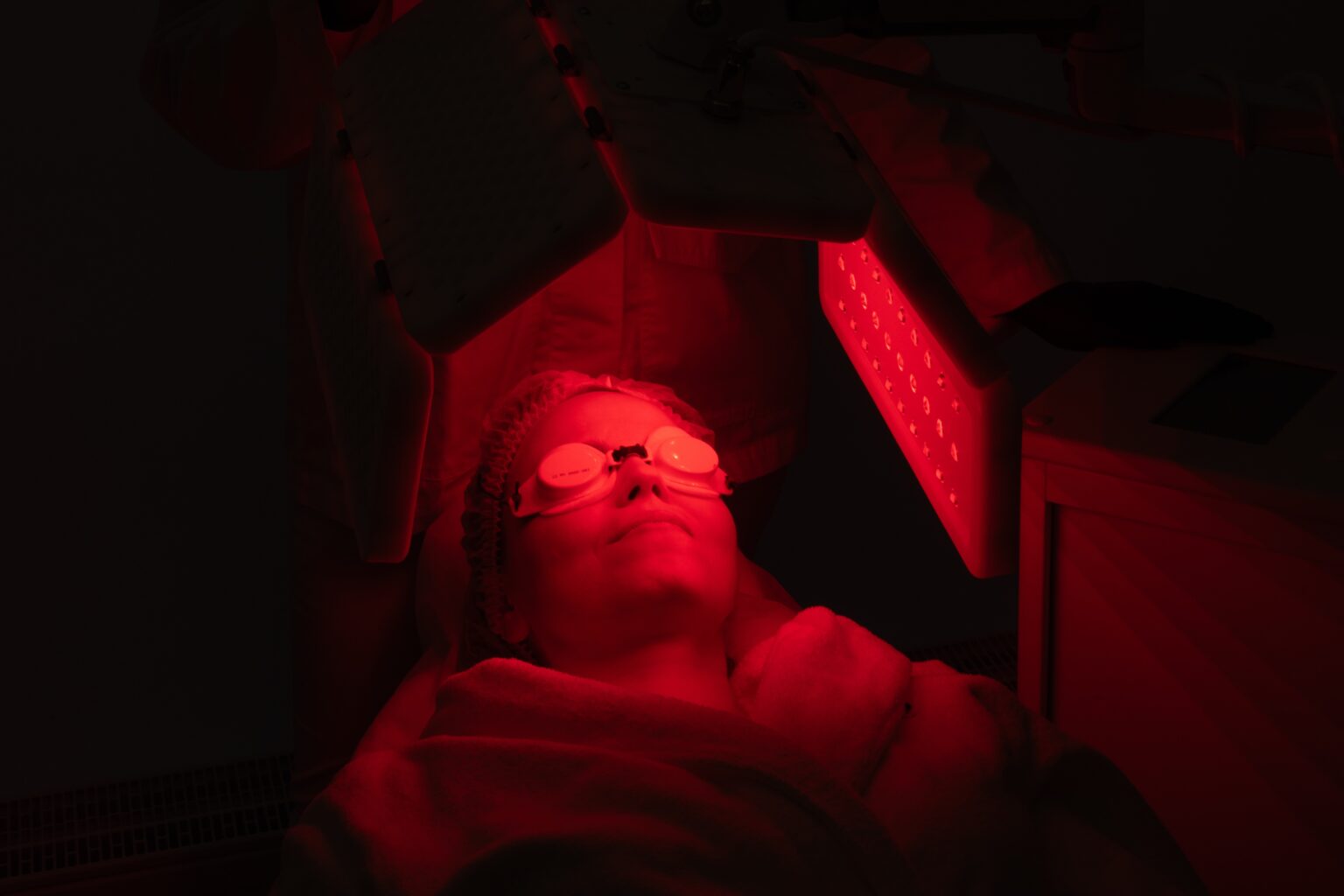
Among the most common questions about red light therapy is whether it is safe for the eyes and whether goggles are necessary. It is a sensible thing to wonder. The eyes are delicate, light-sensitive organs, and a practice built entirely around shining light at the body naturally raises questions about ocular safety. This guide explains red light therapy eye protection, what current research and safety standards suggest, and how to make informed decisions for yourself.
Red light therapy eye protection is a reasonable and widely recommended precaution, even though catastrophic eye harm from normal consumer use is not a documented epidemic. Understanding why the eyes warrant caution — and what the evidence does and does not establish — helps you act prudently without overreacting.
Why Red Light Therapy Eye Protection Matters
The eye is built to manage visible light through reflexes: when faced with a bright source, you naturally squint, blink, or look away. These protective responses help limit how much intense light reaches sensitive structures. The complication with red light therapy is that many devices emit near-infrared light, which is largely invisible to the human eye.
Because near-infrared light cannot be seen, it does not trigger that natural aversion response. Your eyes will not instinctively squint or turn away from a near-infrared source the way they would from a bright visible light, which means you could be exposed to more than you realize without any sensation warning you. This invisibility is the single most important reason eye protection is taken seriously in the context of near-infrared devices.
Red Light Therapy Eye Protection Standards
International bodies that set guidance on light exposure recognize that infrared light can affect the eye. ICNIRP, which publishes guidance on exposure limits, addresses infrared radiation to the eye, reflecting a broader consensus that intense or prolonged infrared exposure is a meaningful consideration for ocular safety. The existence of such guidance is itself a signal: the eye is regarded as a structure worth protecting from excessive infrared light.
Cleveland Clinic, in its general overview of red light therapy, notes the importance of protecting the eyes during use. While everyday consumer devices are low-intensity compared with industrial or laser sources, the prudent takeaway from both clinical guidance and standards bodies is the same: shield the eyes rather than assume they need no protection.

Red Light Therapy Eye Protection Research
Beyond the surface of the eye, researchers have studied how infrared radiation can affect the lens, the clear structure that focuses light. Laboratory and review work examining infrared exposure and the lens indicates that the lens can absorb infrared energy and that intense or prolonged exposure is a relevant consideration for lens health. Historically, certain occupational settings with very high infrared exposure have been studied in connection with lens changes.
It is important to keep this in perspective. Such findings often involve exposure levels well beyond what a typical consumer red light therapy session delivers, and they do not establish that ordinary home use causes eye damage. What they do support is the underlying rationale for caution: the lens and other eye structures can interact with infrared light, so limiting unnecessary exposure to the eyes is a reasonable, evidence-informed habit rather than baseless worry.
Red Light Therapy Eye Protection: Goggles vs. Closed Eyes
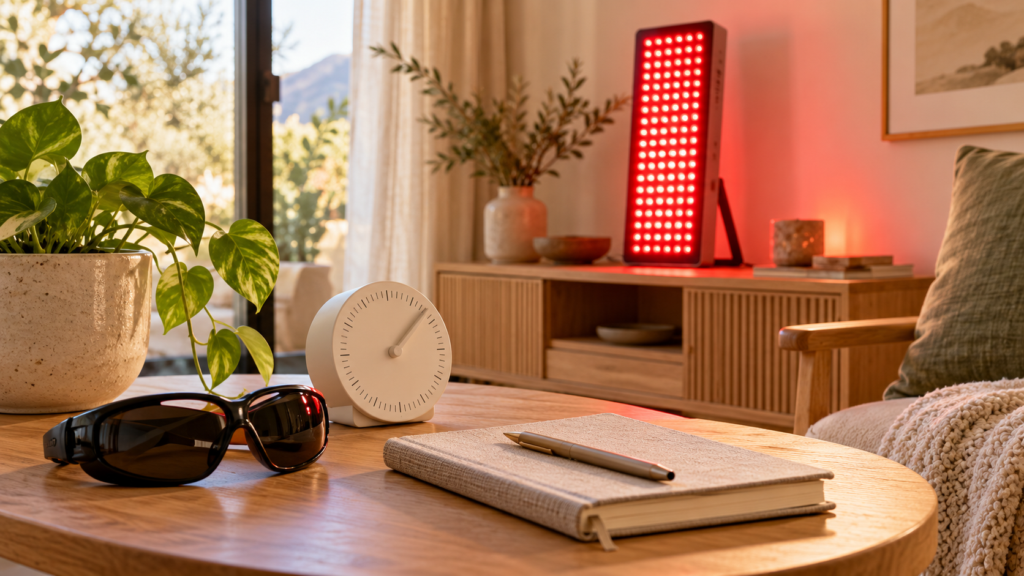
In practice, people use two main strategies: dedicated eye protection, such as opaque goggles designed to block the relevant wavelengths, or simply keeping the eyes closed during a session, sometimes combined with not facing the device directly. Each approach has merit, and the best choice depends on the device and how it is used.
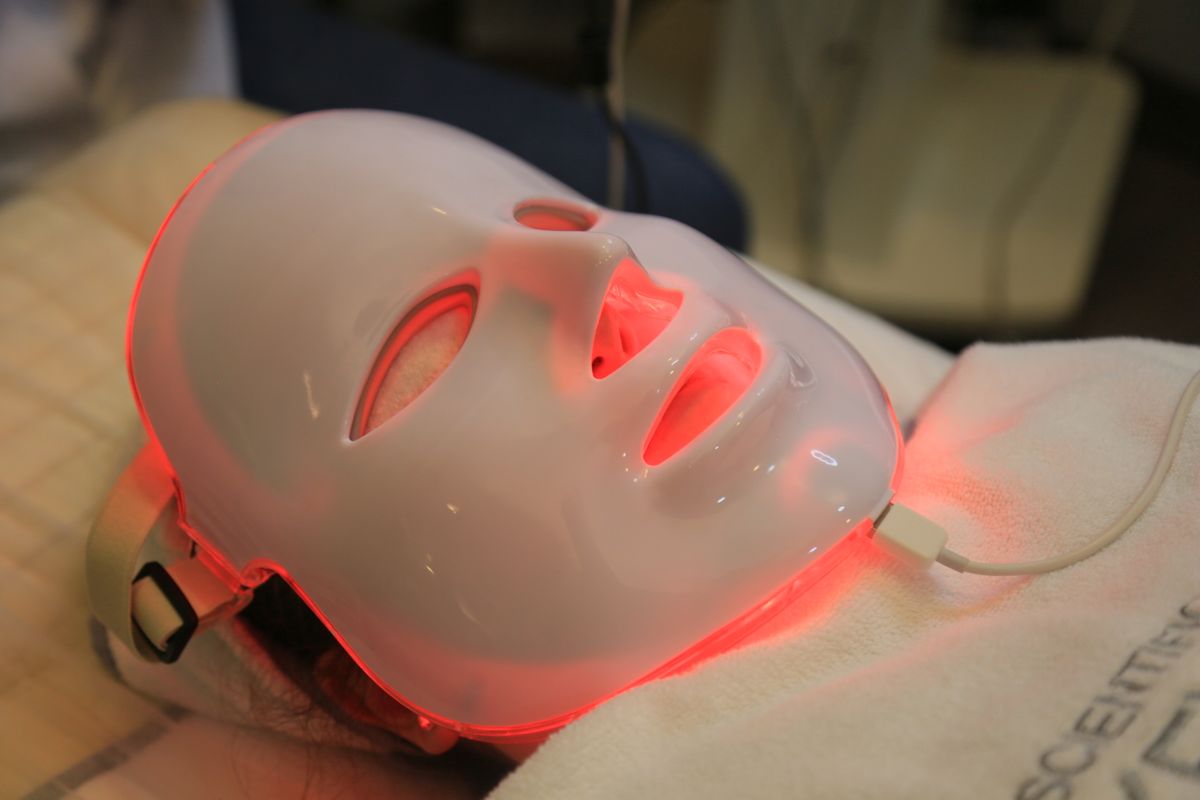
Goggles offer a consistent physical barrier and are particularly sensible with bright or near-infrared-heavy panels, or when the face is the treatment area. Closing the eyes reduces light reaching the retina but is less reliable than a purpose-made barrier, since eyelids do not block all light and it is easy to open them reflexively. For facial treatments in particular, where the device is close to the eyes, dedicated protection that fits well is often the more reassuring option. Many manufacturers supply or recommend specific eyewear, and following that guidance is a straightforward way to stay on the safe side.
Who Needs Extra Red Light Therapy Eye Protection
Some people have stronger reasons to be cautious. Anyone with an existing eye condition — for example, conditions affecting the retina or lens — should be especially thoughtful and consult an eye care professional before regular use. People who have recently had eye surgery, or who take medications that increase light sensitivity, also have good reason to seek individualized advice.
This is not about singling anyone out unnecessarily; it is about recognizing that the eye is highly individual, and that a precaution which is optional for one person may be important for another. When in doubt, a brief conversation with an optometrist or ophthalmologist is a sensible step before incorporating regular red light therapy near the face.

Keeping the Risk in Perspective
It is equally important not to overstate the danger. Consumer red light therapy devices are low-intensity compared with lasers and industrial infrared sources, and widespread, documented eye injuries from normal home use are not a hallmark of the practice. The goal of eye protection is sensible risk reduction, not a response to a proven epidemic of harm.
A balanced view holds two things at once: the eye is a sensitive structure that can interact with infrared light and lacks a natural aversion reflex to it, which justifies routine protection; and ordinary, brief consumer sessions used with basic precautions are not known to be dangerous to the eyes. This is precisely the kind of low-cost, high-prudence habit that makes sense even when the absolute risk is modest. Eye protection is cheap, easy, and removes a variable you would otherwise have to think about.
Practical Recommendations
Pulling this together, a few simple practices cover most situations. Use the eye protection supplied or recommended with your device, especially for facial treatments or near-infrared-heavy panels. If you do not have dedicated eyewear, at minimum keep your eyes closed and avoid staring directly into the light. Do not look directly into bright or near-infrared sources, since you cannot rely on a natural reflex to protect you from invisible light. And if you have any eye condition, have had recent eye surgery, or simply feel uncertain, consult an eye care professional before regular use. These steps are minor, but they let you enjoy red light therapy without leaving eye safety to chance.
The Bottom Line
Eye protection during red light therapy is a reasonable, widely recommended precaution, driven mainly by the fact that near-infrared light is invisible and does not trigger the eye’s natural aversion reflex. Standards guidance on infrared exposure and research on how the lens interacts with infrared light support a cautious approach, even though typical consumer use is low-intensity and not known to cause eye damage. Use recommended goggles, avoid staring into bright sources, and consult an eye professional if you have any concern — a small, sensible habit for a delicate organ.
Ready to get your red light therapy device? See our brand and product reviews, and try out our product comparison tool to inform your decision.
Frequently Asked Questions
Do I need to wear goggles during red light therapy?
Eye protection is a reasonable and widely recommended precaution, especially for facial treatments or near-infrared-heavy devices. Many manufacturers supply or recommend specific eyewear, and following that guidance is a simple way to stay safe.
Why are eyes a concern if the light feels gentle?
Near-infrared light is largely invisible, so your eyes do not instinctively squint or look away from it. Without that natural aversion reflex, you could be exposed more than you realize, which is why protection is emphasized.
Is closing my eyes enough instead of using goggles?
Closing your eyes reduces light reaching the retina but is less reliable than purpose-made goggles, since eyelids do not block all light and may open reflexively. Dedicated eyewear is more reassuring, especially for facial sessions.
Does research show red light therapy damages the eyes?
Research indicates the lens and eye structures can interact with infrared light, but much of that work involves exposure far beyond typical consumer sessions. Ordinary home use with basic precautions is not known to cause eye damage.
Who should be especially careful about eye exposure?
People with existing eye conditions, those who have had recent eye surgery, and those taking medications that increase light sensitivity have stronger reasons for caution and should consult an eye care professional first.
This article is for general educational purposes only and is not medical advice. Red light therapy is not a substitute for professional care. Talk with a qualified healthcare professional about your individual situation.