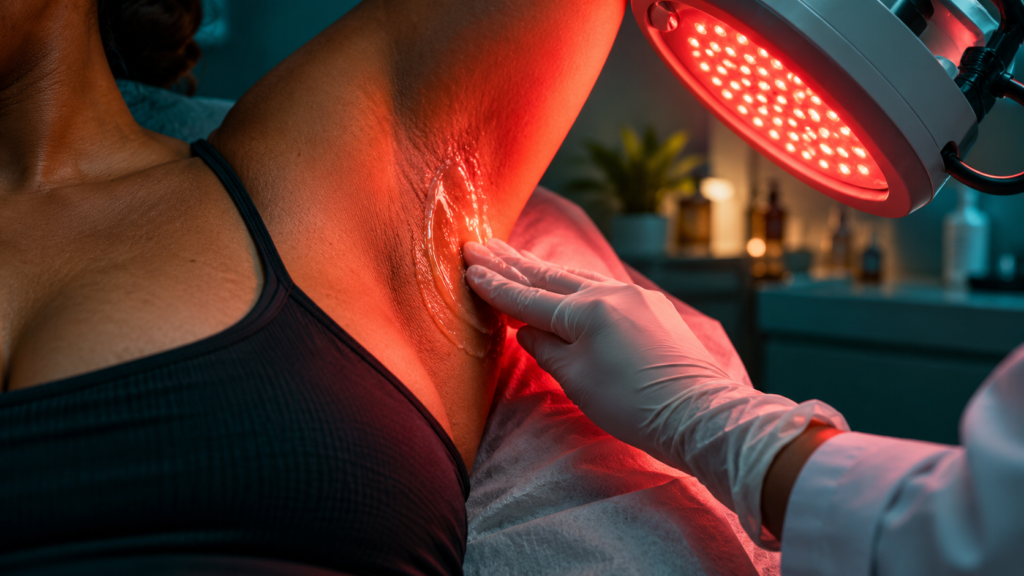

Red light therapy safety is a reasonable first question before adding any new wellness practice to your routine. Red light therapy has earned a generally reassuring reputation, but “generally safe” is not the same as “safe for everyone in every situation.” Understanding the genuine safety picture — including its low-risk profile, its mild and usually temporary side effects, and the specific situations that warrant caution — lets you use it responsibly.
This guide offers a balanced look at red light therapy safety so you can make an informed decision and know when to involve a healthcare professional.
The General Safety Picture
For most healthy adults, red light therapy at consumer doses is generally considered low-risk. Unlike tanning beds, it does not use ultraviolet (UV) light, so it does not carry the UV-related skin risks associated with tanning. And unlike intense surgical or ablative lasers, the light used in photobiomodulation is low-intensity and is not designed to heat or damage tissue.
Cleveland Clinic describes red light therapy as generally safe when used appropriately, while also noting that long-term safety data are still limited and that it is not a proven treatment for every advertised use. That balanced framing is a good anchor: a reassuring short-term safety profile, paired with honesty that the science is still developing and that careful use matters.
Common, Mild Side Effects
When side effects do occur with consumer use, they tend to be mild and temporary. People sometimes report brief warmth, mild redness, or slight tightness of the skin after a session. These sensations typically fade on their own and are not usually cause for concern.
More significant issues are uncommon at consumer doses but are not impossible, particularly if a device is misused — for example, sessions far longer than recommended, or using a device at an unsafe distance. If you experience persistent irritation, discomfort, blistering, or any reaction that does not settle quickly, the sensible response is to stop using the device and, if needed, seek advice from a healthcare professional rather than pushing through.
Why Following Dosing Guidance Matters
Because the dose response in light therapy is biphasic — with an optimal range rather than a “more is better” line — using a device far beyond its recommended time or intensity is not only unlikely to help but may increase the chance of irritation. Staying within the manufacturer’s recommended session length and distance is one of the simplest ways to keep red light therapy comfortable and low-risk.
Protecting Your Eyes
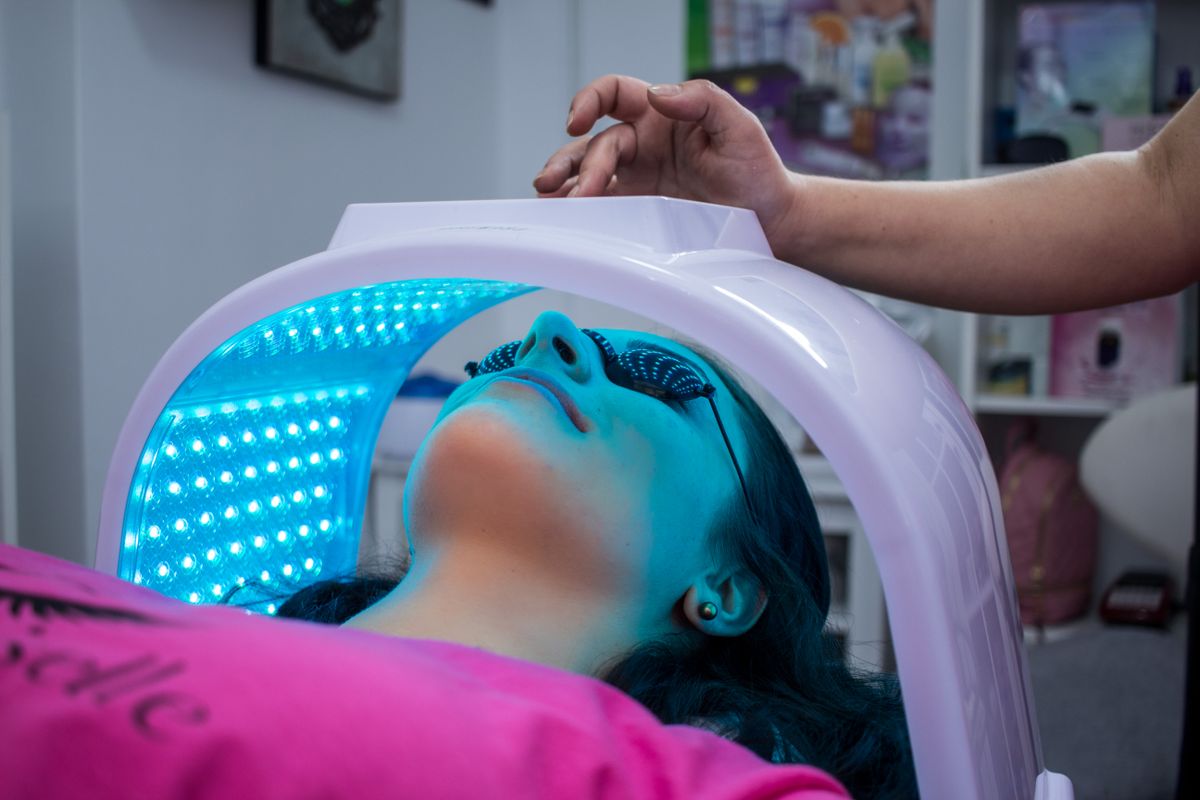
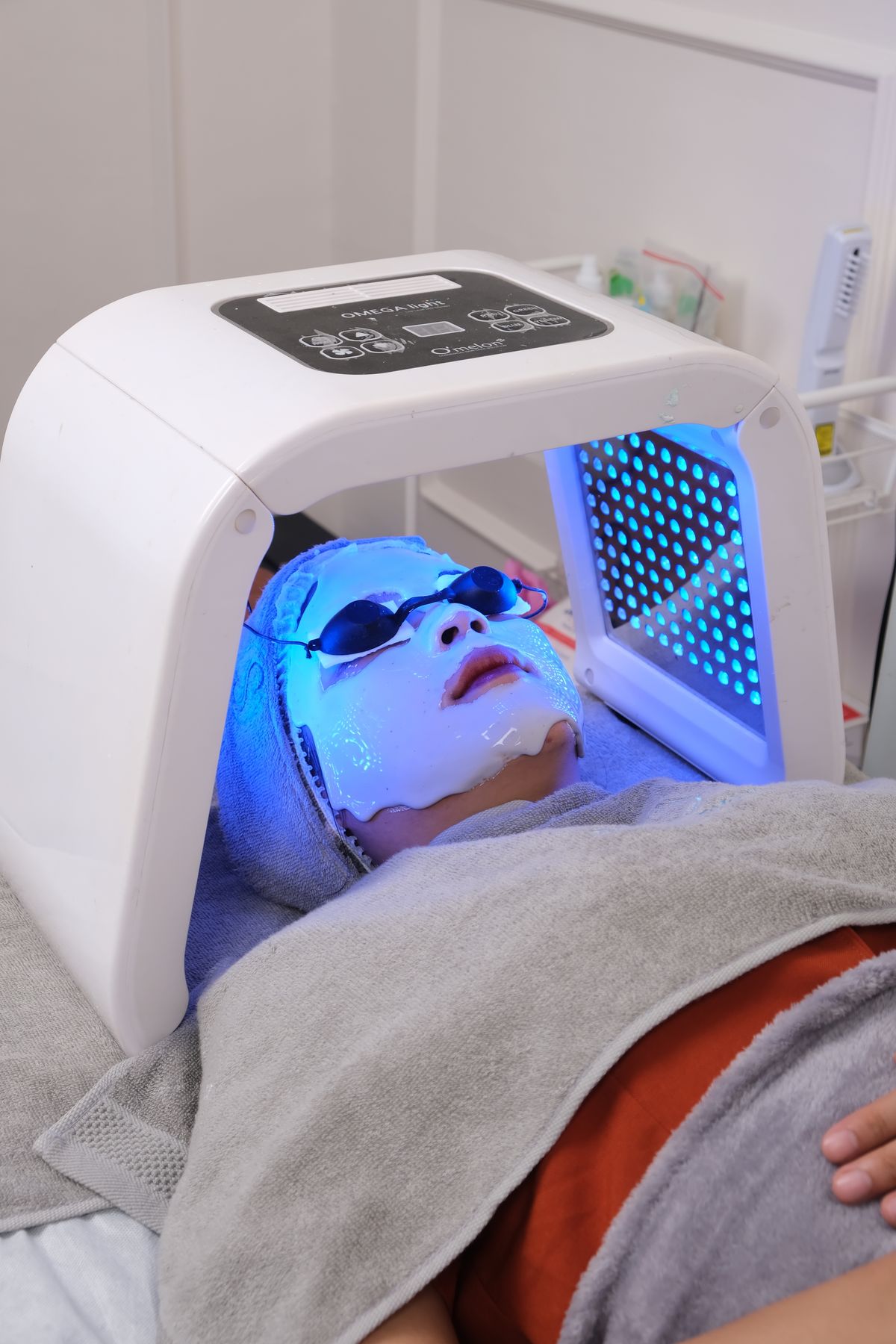
This guide offers a balanced look at red light therapy safety so you can make an informed decision and know when to involve a healthcare professional. Bright visible light can be uncomfortable, and near-infrared light poses a particular consideration because it is largely invisible — meaning your eyes will not instinctively squint or look away from it the way they do from a bright visible source. This absence of a natural aversion response is why many people use eye protection during sessions.
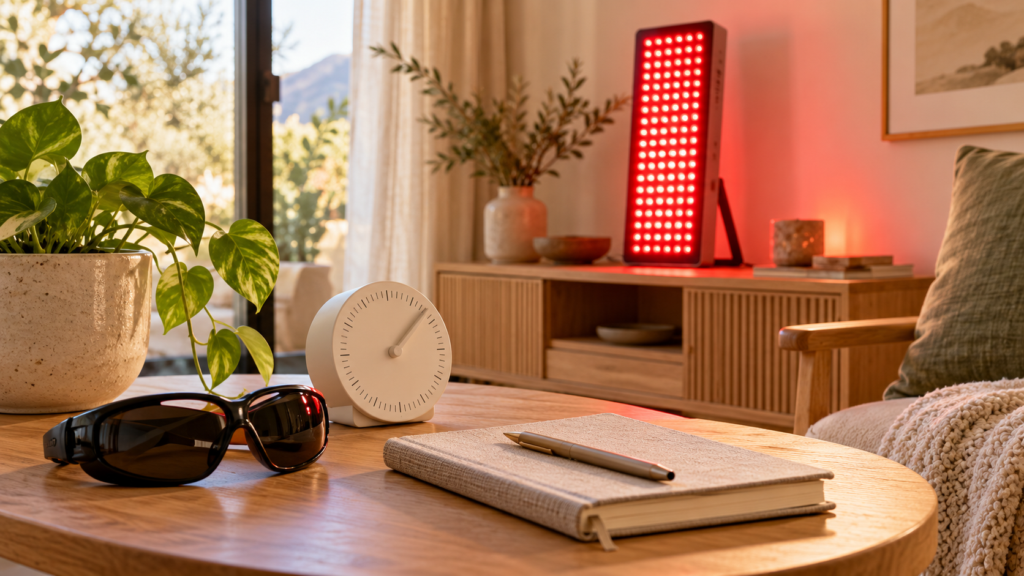
International guidance from bodies such as ICNIRP addresses exposure limits for infrared light to the eye, reflecting that the eye is a sensitive structure worth protecting from intense or prolonged infrared exposure. For everyday users, practical steps include using the eye protection supplied or recommended with a device, keeping eyes closed when appropriate, and avoiding staring directly into bright sources. If you have an existing eye condition, red light therapy safety means consulting an eye care professional before regular use.
Medications That Increase Light Sensitivity
Some medications can make the skin more sensitive to light, a phenomenon known as photosensitivity. While much of the classic concern around photosensitizing drugs relates to ultraviolet and visible light exposure, anyone taking such medications should be thoughtful about any light-based practice and discuss it with a healthcare professional or pharmacist.
Dermatology resources note that a range of common medications — including certain antibiotics, some acne treatments, particular diuretics, and others — can be associated with drug-induced photosensitivity reactions. If you take a medication known to increase light sensitivity, that is a clear red light therapy safety prompt to consult a professional before starting.
Pregnancy and Specific Conditions
Red light therapy has not been thoroughly studied for safety in pregnancy, so a cautious, professional-guided approach is appropriate for anyone who is pregnant or trying to conceive. The same goes for people with certain medical conditions — for example, conditions that affect the skin’s sensitivity to light, or any condition where a clinician has advised care with light exposure.
There is also a specific caution worth highlighting: red light therapy should not be applied directly over undiagnosed skin lesions, moles that are changing, or known skin cancers without professional guidance. A reassuring note from the research literature is that a systematic review examining the oncologic safety of low-level light therapy for aesthetic skin uses did not find evidence that it promotes skin cancer, which is reassuring; even so, any suspicious or changing skin spot should be evaluated by a professional rather than self-treated.
What Red Light Therapy Is Not
An important part of red light therapy safety is having accurate expectations — it is not a proven cure or treatment for diseases. It is not a proven cure or treatment for diseases, it does not melt fat or eliminate pain, and it does not reverse aging or guarantee results. Framing it as a miracle can lead people to delay appropriate medical care or to overuse devices in pursuit of effects that the evidence does not support.
The more accurate framing is that red light therapy may support certain wellness goals for some people, with early and mixed evidence, and that more research is needed. It is a complement to good health habits, not a replacement for medical care. Anyone using red light therapy to address a genuine health concern should still pursue proper diagnosis and treatment — that is the core of red light therapy safety.
A Practical Safety Checklist
To put red light therapy safety into action, a few simple habits cover most of the picture. Follow your device’s recommended session length and distance rather than improvising longer or closer sessions. Use appropriate eye protection, especially with bright or near-infrared-heavy devices. Avoid treating undiagnosed or changing skin spots without professional input. Pause and reassess if you notice persistent irritation or any unexpected reaction. And consult a healthcare professional first if you are pregnant, take medications that increase light sensitivity, or have a relevant medical or eye condition. None of these steps is burdensome, and together they keep a generally low-risk practice firmly on the sensible side.
The Bottom Line
Red light therapy at consumer doses is generally considered low-risk for most healthy adults, with side effects that are usually mild and temporary. The key precautions are practical: protect your eyes, follow dosing guidance, do not treat undiagnosed skin lesions, and seek professional advice if you are pregnant, take photosensitizing medications, or have a relevant condition. Long-term data remain limited and many uses are still being studied, so the wisest approach pairs a reassuring safety profile with realistic expectations and the understanding that red light therapy is not a replacement for medical care.
Ready to get your red light therapy device? See our brand and product reviews, and try out our product comparison tool to inform your decision.
Frequently Asked Questions
Is red light therapy safe for most people?
For most healthy adults, red light therapy at consumer doses is generally considered low-risk. However, long-term data are limited, and certain people should consult a professional first, so it is not automatically right for everyone.
What are the side effects of red light therapy?
When side effects occur with consumer use, they tend to be mild and temporary, such as brief warmth, mild redness, or slight skin tightness. Persistent irritation or unexpected reactions are a reason to stop and seek advice.
Do I need to protect my eyes during red light therapy?
Eye protection is sensible, especially with bright or near-infrared-heavy devices. Near-infrared light is largely invisible, so the eyes do not instinctively react to it, which is why many people use goggles or keep their eyes closed.
Can I use red light therapy if I take medication?
Some medications increase sensitivity to light. If you take a medication known to cause photosensitivity, you should discuss red light therapy with a healthcare professional or pharmacist before starting.
Is red light therapy safe during pregnancy?
Its safety in pregnancy has not been well studied, so a cautious approach guided by a healthcare professional is appropriate for anyone who is pregnant or trying to conceive.
Can red light therapy treat or cure conditions?
No. Red light therapy is not a proven cure or treatment for diseases. It may support certain wellness goals for some people, but evidence is early and mixed, and it is not a replacement for medical care.
This article is for general educational purposes only and is not medical advice. Red light therapy is not a substitute for professional care. Talk with a qualified healthcare professional about your individual situation.