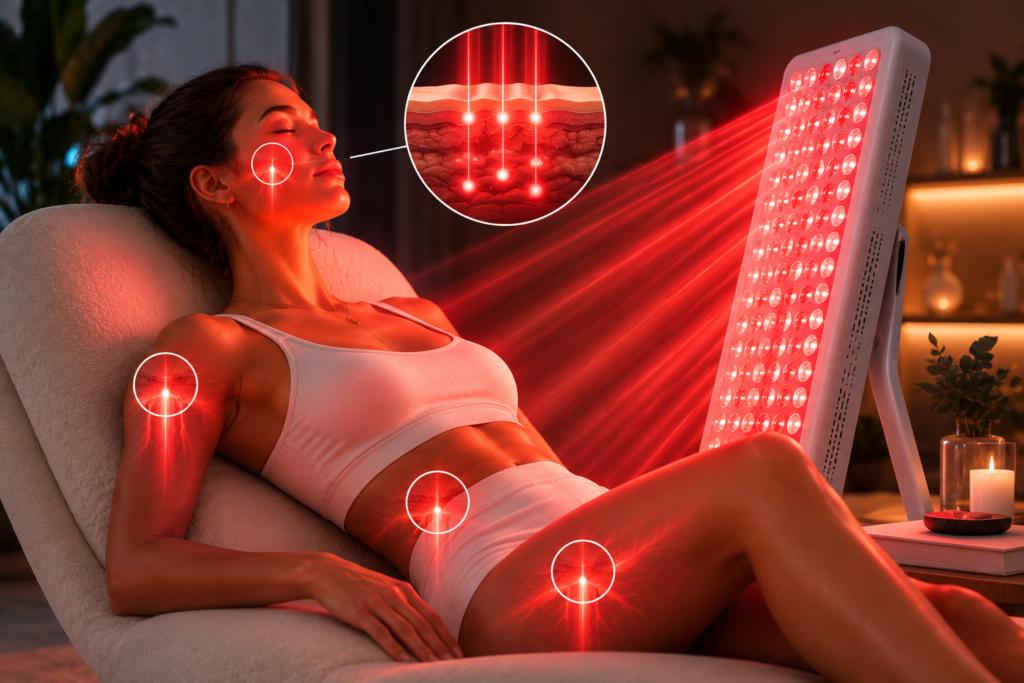

Staying active into later life is one of the most powerful things a person can do for health, mobility, and independence. It is also a stage of life when recovery can feel slower, joints can feel stiffer, and the desire to keep moving comfortably becomes more pressing. In that context, many active older adults come across red light therapy and wonder whether it could help them recover from a workout or move with a little more ease. This article takes an honest, cautious look at where red light therapy might fit — and, just as importantly, where it does not belong — for older adults who want to stay active. Studies on red light therapy active older adults have drawn increasing attention from researchers.
The most important message comes first: regular physical activity itself is the foundation. According to the National Institute on Aging, physical activity is essential for healthy aging and is linked to better physical function, fall prevention, and quality of life. No light device replaces that foundation. Red light therapy, if it has any role at all, is a possible supportive habit layered on top of movement, sleep, and good medical care — not a substitute for any of them. When examining red light therapy active older adults, it helps to look carefully at the underlying research.
Why Activity Comes First
Before discussing any device, it is worth being clear about what genuinely supports active aging. The National Institute on Aging describes how regular movement — a mix of aerobic activity, muscle-strengthening, and balance work — can improve the ability to perform everyday tasks, help protect against age-related loss of muscle and strength, and reduce the risk of falls and serious injury. These are well-established benefits, supported by decades of research. [source] The evidence around red light therapy active older adults remains an active area of investigation.
Red light therapy has nothing close to that evidence base for healthy aging. So the sensible frame is this: prioritize consistent, enjoyable activity that fits your abilities, and treat any recovery tool as a minor add-on. If a choice ever comes down to spending energy on a gadget versus a daily walk or a strength session, the walk and the strength session win every time. For those exploring red light therapy active older adults, setting realistic expectations matters.
What Red Light Therapy Is — and Isn’t
Red light therapy, also called photobiomodulation, uses low levels of red and near-infrared light. According to Cleveland Clinic, it uses low levels of light to influence cells and is not the same as the ultraviolet light from the sun or tanning beds. It is being investigated for a range of uses, including relief of pain and inflammation associated with conditions such as osteoarthritis of the knee, but Cleveland Clinic is careful to note that much of the research consists of small studies and that more high-quality trials are needed. [source] Understanding red light therapy active older adults requires separating marketing claims from published data.
For an older adult, the practical translation is cautious optimism at most. Red light therapy may support comfort or recovery for some people, but it is not proven to treat arthritis, heal joints, or reverse age-related changes. Anyone who reads otherwise in marketing should be skeptical. Anyone researching red light therapy active older adults will find the science is still developing.

Possible Roles in Recovery and Comfort
Some older adults are drawn to red light therapy as a gentle, low-effort routine they can use after activity. The appeal is understandable: a typical session is short, requires no exertion, and feels relaxing. Within a cautious frame, the goals people pursue tend to be modest — feeling a little more comfortable after a walk or a strength session, or building a calming post-exercise ritual. [source] The current state of red light therapy active older adults research points to early, modest findings.
It is fair to say red light therapy might support those everyday recovery and comfort goals for some individuals. It is not fair to promise it will. Responses vary widely from person to person, and what feels helpful to one individual may do nothing noticeable for another. Interest in red light therapy active older adults has grown alongside broader photobiomodulation research.
Knee Discomfort: A Carefully Worded Example
Knee discomfort is common with age and activity, so it is a frequent reason older adults explore light therapy. A systematic review and meta-analysis examining low-level laser therapy in people with knee osteoarthritis explored whether it might help with pain and function. Findings in this area are mixed and depend heavily on dose and protocol, and reviewers consistently emphasize uncertainty. This means red light therapy should be viewed as a possible comfort adjunct that some people try alongside appropriate care — never as a treatment that fixes the underlying joint or removes the need for professional guidance. Most published reviews on red light therapy active older adults call for larger, better-controlled trials.
Safety Considerations That Matter More With Age
For most healthy adults, red light therapy at consumer doses is generally considered low-risk, with side effects that tend to be mild and temporary. Cleveland Clinic notes it appears safe when used short-term and as directed, while cautioning that misuse can risk skin or eye irritation and that long-term safety is not fully established. A clear-eyed look at red light therapy active older adults means separating anecdote from controlled evidence.
Older adults often have additional factors worth weighing. Many take multiple medications, some of which can increase sensitivity to light. Skin can be more fragile, and eye health varies. Chronic conditions are more common. For all these reasons, an older adult considering red light therapy has an even stronger reason than usual to check with a healthcare professional first, and to protect the eyes from bright light during use. Consulting a healthcare provider about red light therapy active older adults is always a sensible step.
When to See a Professional Instead
This point deserves emphasis. Persistent, worsening, or severe joint or muscle pain is not something to manage with a light device. Pain that limits daily function, follows a fall or injury, comes with swelling, redness, warmth, or instability, or simply will not settle deserves evaluation by a qualified healthcare professional. Red light therapy is not a diagnostic tool and not a treatment for injury, and using it to push through or mask pain can delay care that is genuinely needed. Devices marketed for red light therapy active older adults vary widely in power output and wavelength.
A professional can also help distinguish ordinary post-exercise soreness from something that needs attention — a distinction that becomes more valuable, not less, as we age. Practitioners field frequent questions about red light therapy active older adults from clients.

How an Older Adult Might Use It Sensibly
For an active older adult who has cleared it with their healthcare professional and wants to try red light therapy, a cautious approach looks like this. Keep activity as the centerpiece of the routine. Treat red light therapy as an optional extra used a few times a week, following the device’s guidance on distance and time rather than overusing it. Remember the research principle that more is not better — doubling a session does not double any benefit and may be counterproductive. Expose bare skin to the light, since clothing blocks much of it, and protect the eyes. And give any routine several weeks before judging it, while keeping expectations realistic and being willing to stop if it offers nothing. Studies on red light therapy active older adults have drawn increasing attention from researchers.

Setting Realistic Expectations
Perhaps the kindest thing to do for an older adult curious about red light therapy is to manage expectations honestly. The evidence for recovery and comfort uses is mixed and of low certainty. Effects, when they occur, tend to be subtle and gradual, not dramatic. It will not restore youthful joints, eliminate arthritis discomfort, or guarantee faster recovery. Viewed as one small, optional comfort habit within a life built around movement, good sleep, sensible nutrition, and professional care, it can be a reasonable thing to try. Viewed as a cure or a shortcut, it will disappoint. When examining red light therapy active older adults, it helps to look carefully at the underlying research.
The Bigger Picture of Active Aging: Red light therapy active older adults Notes
It is worth ending where the strongest evidence points. The National Institute on Aging makes clear that it is never too late to become more active, and that movement supports not only the body but mood, sleep, and cognitive function. Social activity, balance work to prevent falls, and strength training to protect muscle all carry real, well-documented value. A red light panel, at best, sits quietly at the edge of that picture. The active older adults who do best are the ones who keep the fundamentals at the center and hold any recovery gadget loosely.
The Bottom Line
For active older adults, red light therapy is a possible comfort or recovery adjunct with mixed, low-certainty evidence — not a treatment for arthritis, joint damage, or aging itself. The foundation of healthy aging remains regular, enjoyable physical activity, supported by sleep, nutrition, and professional care. Anyone weighing red light therapy, especially alongside medications or medical conditions, should consult a healthcare professional first, keep expectations modest, and never use it in place of evaluation for persistent or severe pain.
Frequently Asked Questions
Can red light therapy treat arthritis in older adults?
No. Red light therapy is not a proven treatment for arthritis. It is being investigated as a possible comfort adjunct, but the evidence is mixed and of low certainty. Persistent joint pain should be evaluated by a healthcare professional.
Is red light therapy safe for older adults?
It is generally considered low-risk for healthy adults at consumer doses, but older adults often take medications or have conditions that warrant extra caution. Consult a healthcare professional first, and protect the eyes during use.
Should I use red light therapy instead of exercise?
No. Physical activity is foundational for healthy aging and is supported by strong evidence. Red light therapy is, at most, a minor optional add-on and never a replacement for movement, strength work, or balance training.
How often might an older adult use it?
People commonly use it a few times a week, following the device’s guidance on time and distance. More is not better, and overusing it offers no added benefit and may be counterproductive.
When should I see a professional instead?
Any persistent, worsening, or severe pain, pain after a fall or injury, or pain with swelling, warmth, or instability deserves professional evaluation. Red light therapy should never be used to mask or push through such pain.
Ready to get your red light therapy device? See our brand reviews and product reviews, and try out our product comparison tool to inform your decision.