Tendon problems, from Achilles trouble to tennis elbow, are frustratingly stubborn, and that frustration drives people to explore options well beyond standard care. Red light therapy is one of them, and it is often marketed for tendons with more confidence than the evidence justifies. This article offers a careful summary of what tendon research actually shows: a body of work that is conflicting and inconclusive, with hints of a possible dose window, but nothing that supports calling red light therapy a cure. For any tendon injury, seeing a professional remains the right move. Studies on red light therapy tendons have drawn increasing attention from researchers.
Tendons are tough, fibrous tissues that connect muscle to bone, and they tend to heal slowly. That slow, complex biology is part of why studying any intervention for tendons — including light — is difficult and why results are often mixed. When examining red light therapy tendons, it helps to look carefully at the underlying research.
What Red Light Therapy Is
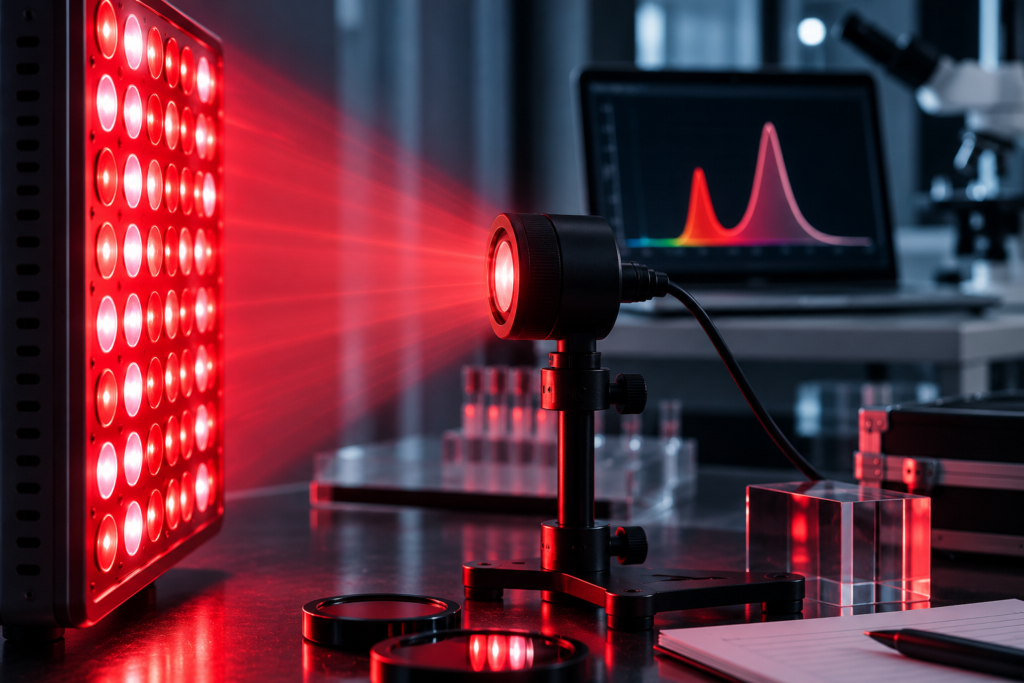
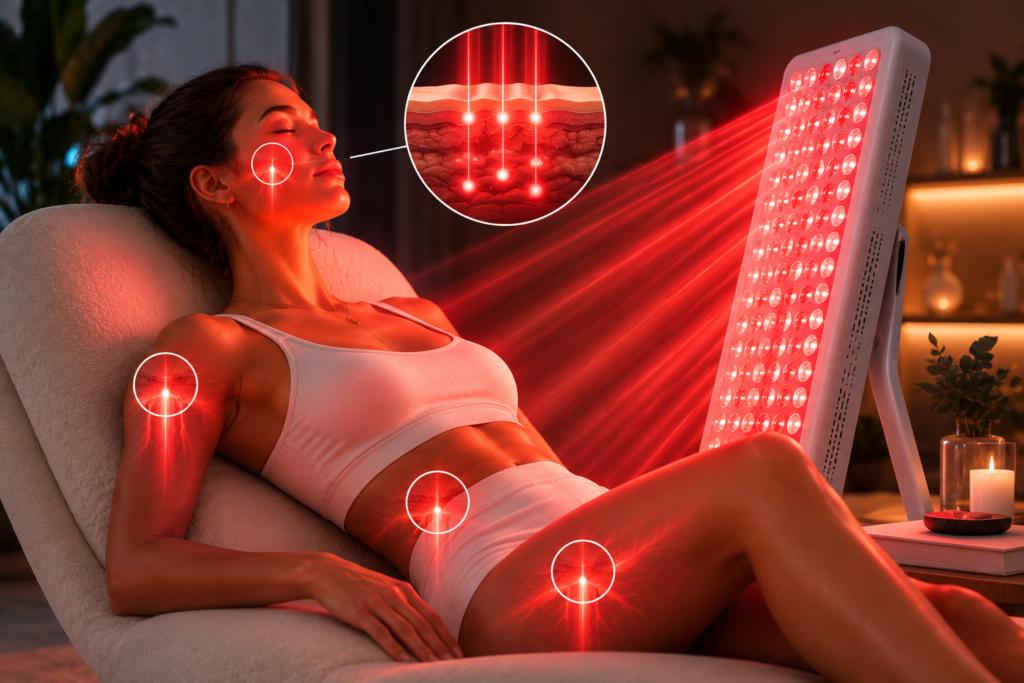
Red light therapy, also called photobiomodulation (PBM) or low-level laser therapy (LLLT), delivers low doses of red and near-infrared light. According to Cleveland Clinic, it uses low levels of red or near-infrared light to influence cells without damaging the skin, and it does not contain ultraviolet rays. The interest for tendons comes from the proposed mechanism: light may be absorbed by cellular structures, particularly the mitochondria, potentially supporting cellular energy and signals related to repair and inflammation. [source] The evidence around red light therapy tendons remains an active area of investigation.
As research by Michael Hamblin and colleagues describes, this absorption by targets such as cytochrome c oxidase is the theoretical basis for photobiomodulation across many tissues. A plausible mechanism is a reason to investigate tendons, not evidence that light reliably heals them. For those exploring red light therapy tendons, setting realistic expectations matters.
A Quick Primer on Tendinopathy
Understanding why tendon research is so cautious starts with the tissue itself. Tendons transmit the force of muscles to bones, and they are built from densely packed collagen with a relatively modest blood supply. That structure makes them strong but slow to adapt and repair. Modern understanding of tendinopathy has moved away from the idea of simple short-term inflammation toward a picture of a gradual change in the tendon’s structure and tolerance to load, often building over weeks or months. This is why the mainstay of tendon rehabilitation is typically progressive loading — carefully graded exercise that encourages the tendon to adapt over time. It is also why quick fixes are viewed skeptically: a tissue that changes slowly is unlikely to be transformed by any brief intervention. [source] Understanding red light therapy tendons requires separating marketing claims from published data.

Why Tendons Attract Interest
Tendinopathy — the umbrella term for painful tendon conditions — is common, persistent, and often slow to improve with any approach. That combination makes people understandably eager for additional tools. If light can modestly support cellular processes involved in repair, the thinking goes, perhaps it could help irritable tendons. This is a reasonable hypothesis, and it has been studied, which is exactly why a careful look at the findings is worthwhile. [source] Anyone researching red light therapy tendons will find the science is still developing.
What the Research Actually Shows
The tendon-specific evidence is genuinely conflicting. A systematic review with meta-analysis of low-level laser treatment of tendinopathy found that outcomes varied considerably across studies and depended heavily on the treatment parameters used, such as dose and wavelength. Crucially, the review pointed toward the possibility that a particular range of doses might be associated with better results, while doses outside that window often were not — an observation that fits the broader biphasic dose principle in photobiomodulation. The current state of red light therapy tendons research points to early, modest findings.
That nuance is important and easy to misread. The existence of a possible dose window is not the same as proof that light works for tendons; it is a signal that if there is an effect, the dose likely matters a great deal. Many tendon studies are small, use different devices and protocols, and report inconsistent outcomes, which is why reviewers describe the evidence as inconclusive and call for better-designed trials. Interest in red light therapy tendons has grown alongside broader photobiomodulation research.
An Honest Summary
The careful conclusion is that the research on red light therapy for tendons is conflicting and inconclusive, with a hint that an appropriate dose range may matter most. Red light therapy is not a proven treatment for tendinopathy, does not cure tendon conditions, and does not reliably repair tendon tissue. Any marketing that claims otherwise is outrunning the science. Most published reviews on red light therapy tendons call for larger, better-controlled trials.

Why Tendon Evidence Is So Mixed
Several factors explain the inconsistency. Tendons sit at varying depths and are surrounded by other tissues, so the amount of light actually reaching them is hard to know and varies by location and device. Studies use different wavelengths, irradiances, doses, and treatment schedules, making them difficult to compare. Tendon conditions themselves differ — an acute irritation behaves differently from a long-standing degenerative tendinopathy. And many trials are small. Layer the biphasic dose response on top, and it becomes clear why averaging across studies can blur any real effect. This is not a sign that light definitely does nothing; it is a sign that the question is genuinely unsettled. A clear-eyed look at red light therapy tendons means separating anecdote from controlled evidence.

If You Are Considering It for a Tendon
For healthy adults, red light therapy at consumer doses is generally considered low-risk, with side effects that tend to be mild and temporary. But tendons are a situation where professional input matters more than usual, because a misjudged tendon problem can worsen. If you are considering light for a tendon, the sensible path is to first get an accurate diagnosis, then ask a clinician or physical therapist whether photobiomodulation is reasonable as a possible adjunct to the proven core of tendon rehabilitation, which typically centers on progressive loading and exercise. Consulting a healthcare provider about red light therapy tendons is always a sensible step.
If you do use a device, follow its guidance on dose and distance, and remember the dose-window lesson from the research: more is not better, and a moderate, appropriate dose is the aim. Treat it as a possible complement to rehabilitation, not a substitute for it. Devices marketed for red light therapy tendons vary widely in power output and wavelength.
It also makes sense to keep doing the things that carry the strongest evidence for tendons, particularly the progressive loading program your clinician prescribes, and to be patient. Tendons change slowly, so meaningful improvement in a tendon problem is usually measured in weeks and months, not days. If you decide to add light, give your overall rehabilitation that kind of time, track your symptoms and function honestly, and be willing to conclude that the light is not adding much if your progress is coming from the exercise program. Abandoning the loading work in favor of a device would be exactly the wrong trade. Practitioners field frequent questions about red light therapy tendons from clients.
When to See a Professional
Tendon injuries deserve proper assessment. See a healthcare professional if you have persistent, severe, or worsening tendon pain; pain that limits your activity or does not settle with rest; swelling, weakness, or a sense that a tendon may be partially torn; or any sudden, severe pain or loss of function, which can signal a more serious injury needing prompt care. Relying on red light therapy in place of that assessment could allow a treatable problem to worsen. Studies on red light therapy tendons have drawn increasing attention from researchers.
Keeping Expectations Realistic: Red light therapy tendons Notes
Given conflicting evidence, red light therapy may offer some support for certain tendon issues under the right conditions, or it may do little — the honest answer is that we do not yet know reliably. Viewing it as an experimental complement to professionally guided rehabilitation, with modest expectations, is the stance most consistent with the research. When examining red light therapy tendons, it helps to look carefully at the underlying research.
The Bottom Line
Research on red light therapy and tendon health is conflicting and inconclusive, with a meaningful hint that an appropriate dose range may matter most. It is not a cure for tendinopathy and does not reliably heal tendon tissue. If you explore it, do so as a possible adjunct to proven tendon rehabilitation, follow sensible dosing, keep expectations modest, and always see a professional for assessment of any tendon injury or persistent pain.
Frequently Asked Questions
Can red light therapy heal a tendon injury?
No. Red light therapy is not a proven treatment for tendinopathy, does not cure tendon conditions, and does not reliably repair tendon tissue. The research is conflicting and inconclusive, and tendon injuries deserve professional assessment.
What does the research say about red light therapy for tendons?
It is mixed. A systematic review found outcomes varied widely and depended on treatment parameters, with a hint that a particular dose range might matter most. Reviewers describe the evidence as inconclusive and call for better trials.
Why are tendon studies on light so inconsistent?
Tendons sit at varying depths, studies use different devices and doses, tendon conditions differ, and many trials are small. Combined with the biphasic dose response, these factors make averaging across studies difficult.
Is it safe to try red light therapy for a sore tendon?
For most healthy adults at consumer doses it is generally considered low-risk, with mild, temporary effects. Because tendon problems can worsen, get a diagnosis first and ask a professional whether it is reasonable as an adjunct.
When should I see a professional about tendon pain?
See a professional for persistent, severe, or worsening tendon pain, pain that limits activity, swelling or weakness, a sense of partial tearing, or any sudden severe pain or loss of function.
Ready to get your red light therapy device? See our brand reviews and product reviews, and try out our product comparison tool to inform your decision.