OVERALL
4
DEVICES
Advantage Panel, Advantage Wrap, Full Stack, Half Stack 3.0, Target Light 4.0, Target Light 3.0, Target Light 2.0, Target Light 670
2017
Panels ~ Portable Devices ~ Wraps ~ Accessories
From £125
660nm-850nm
About Red Light Rising
Editor's Take
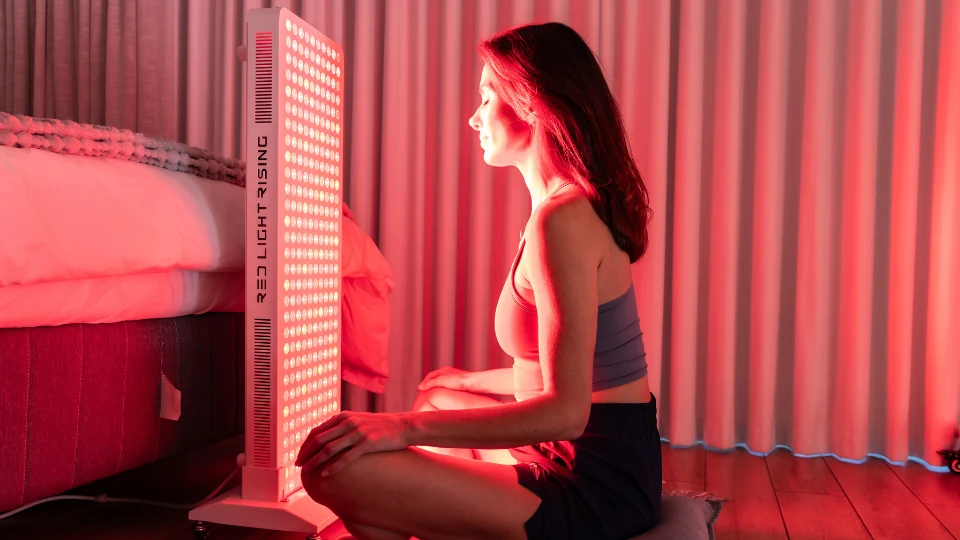
Red Light Rising is one of the more complete brands to consider if you want options beyond the standard red light panel. The UK company has been around since 2017 and offers everything from small targeted lights to portable devices, flexible wraps, medium-sized panels, and larger full-body systems. We particularly like that the range gives you somewhere to start without forcing you into a large setup, while still leaving room to move up if your routine eventually requires more coverage.
There is also more transparency here than we see from many red light therapy brands. Red Light Rising publishes wavelength, irradiance, EMF, and flicker information across much of its range, with some devices receiving additional independent testing. The biggest hesitation is less about the products themselves and more about buying from outside the company’s primary UK and European markets. U.S. customers need to pay closer attention to voltage compatibility, plugs, international shipping, duties, warranty coverage, and the cost of sending a device back if something goes wrong.
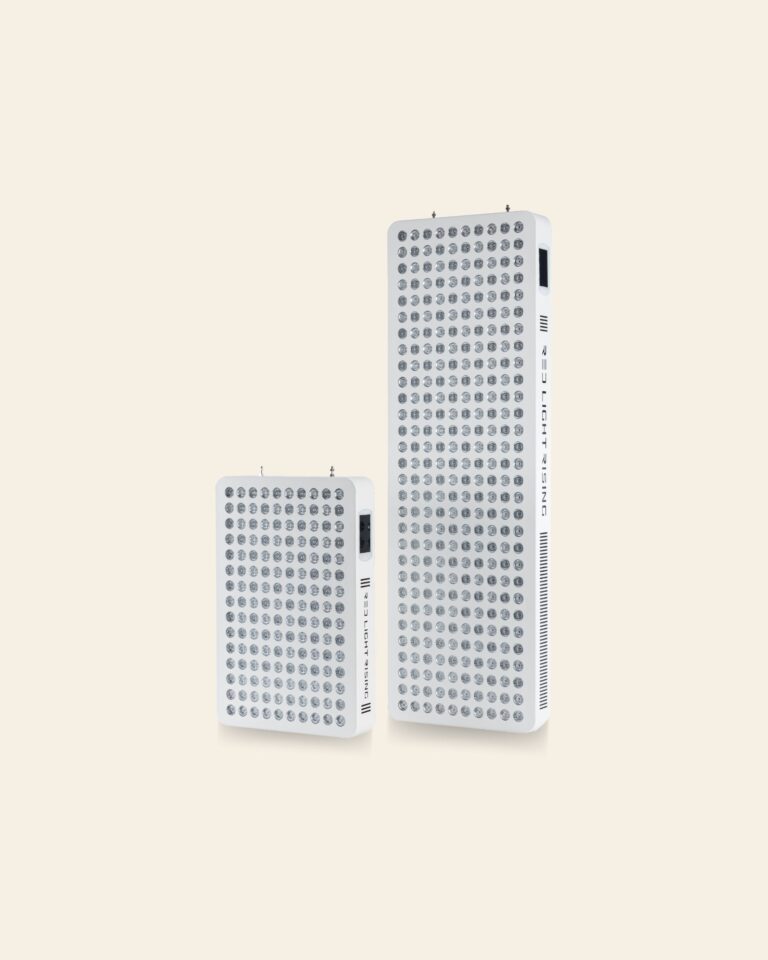
Red Light Rising was established in the UK in 2017 and has developed a much broader lineup than brands built around one or two nearly identical panels. There are inexpensive lights for individual areas, rechargeable portable options, a wearable wrap, traditional panels, and systems intended to cover considerably more of the body.
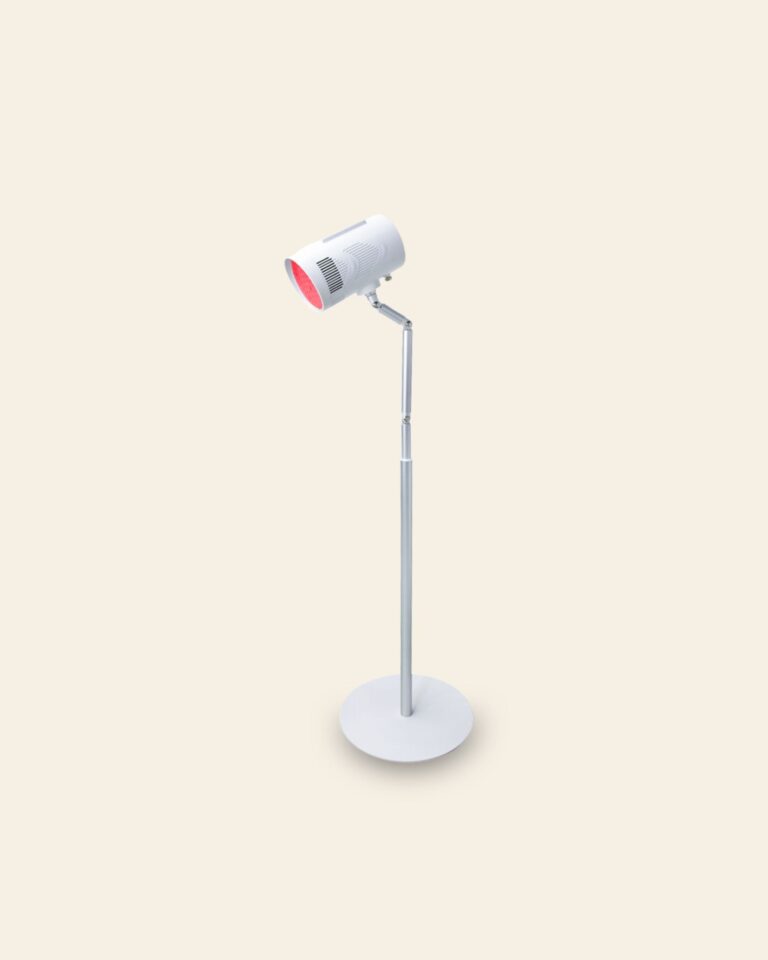
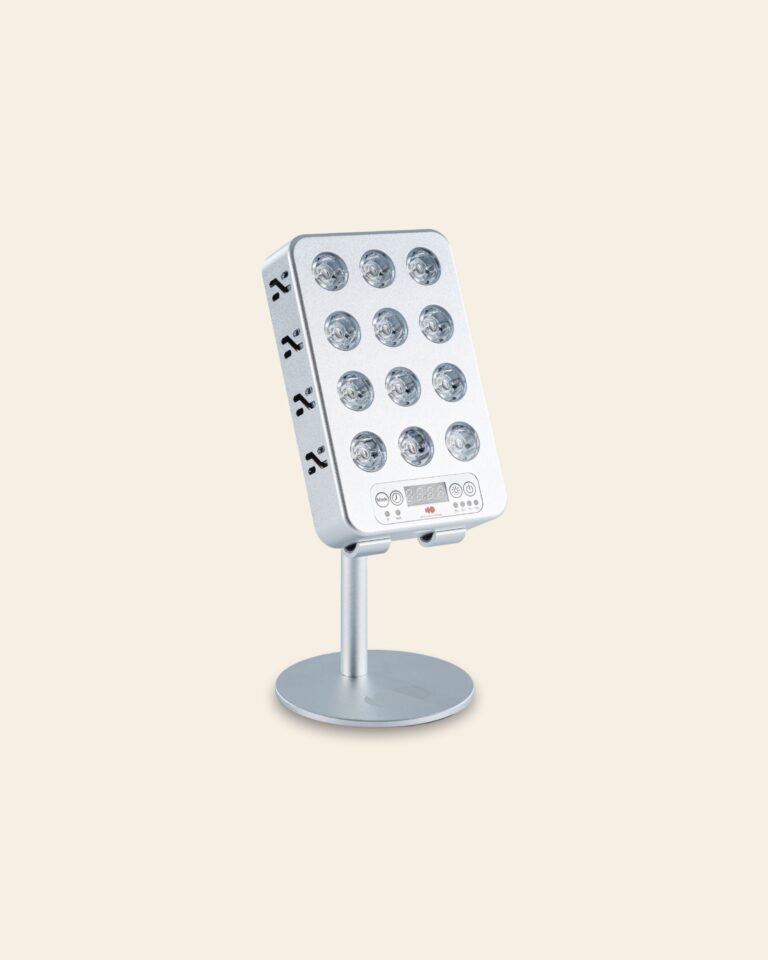
The Target Light range handles the smaller end of the lineup. The Target Light 670 is particularly simple, using a single 670nm red wavelength for localized sessions. The Target Light 2.0 adds 660nm red and 850nm near-infrared light, while newer Target Light models introduce different wavelength combinations, rechargeable operation, adjustable output, and more sophisticated positioning systems depending on the model.
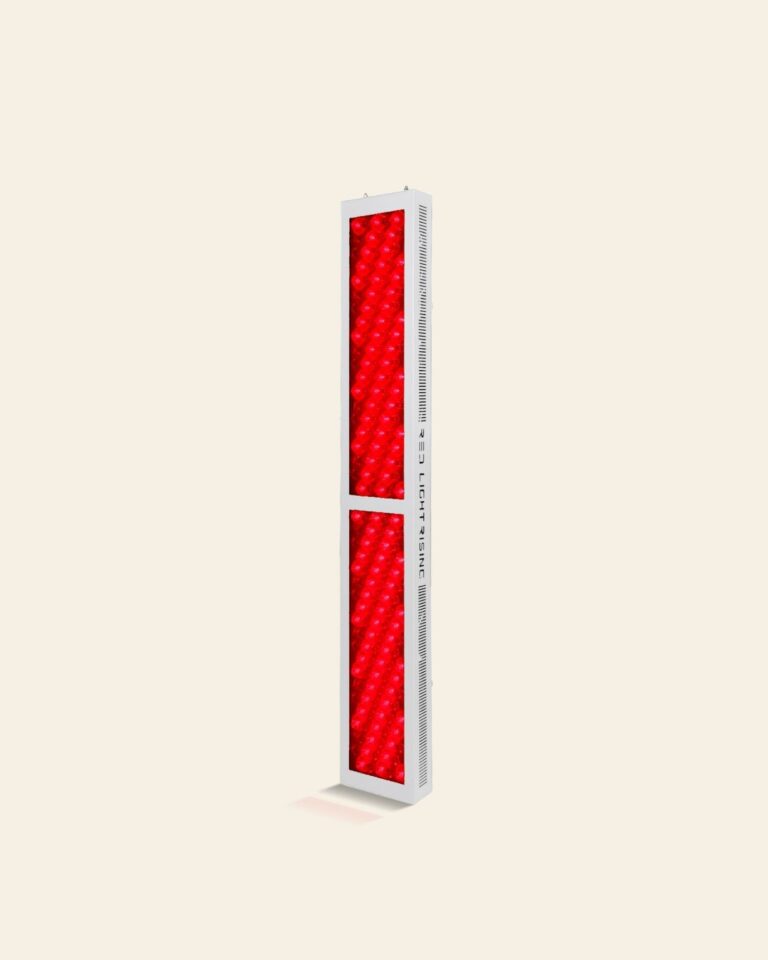
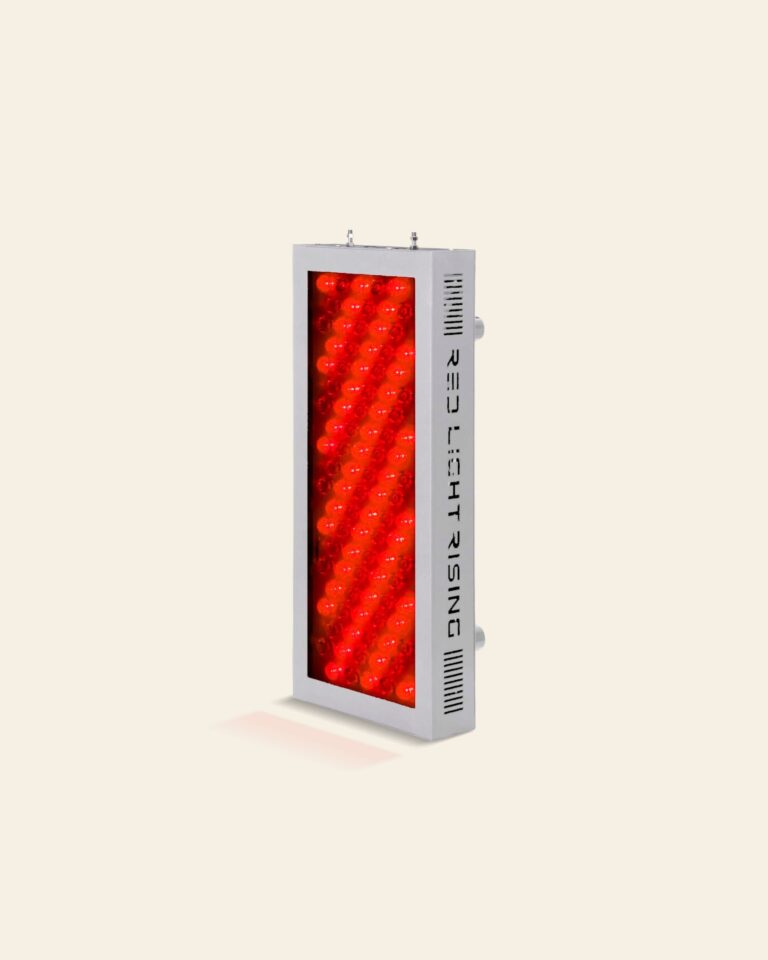
For larger areas, Red Light Rising moves into the Half Stack, Full Stack, and Advantage systems. These make more sense if repeatedly repositioning a small light around the torso, back, or legs sounds like something you’ll quickly get tired of doing.
The Advantage panels are the more feature-heavy option. They use five wavelengths at 630nm, 660nm, 810nm, 830nm, and 850nm, combining two red and three near-infrared wavelengths. They also introduce features like adjustable intensity, preset modes, touchscreen controls, and modular expansion that aren’t available on the brand’s simpler panels.
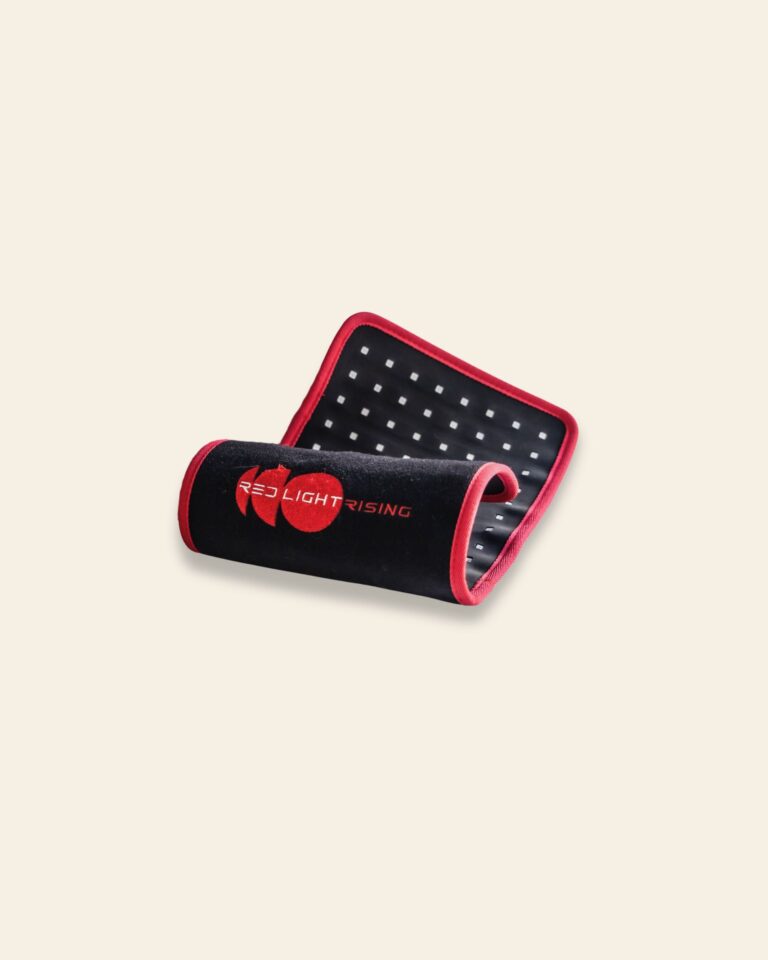
There is also the Advantage Wrap, which takes the range in a completely different direction. Instead of positioning yourself in front of a rigid light, the flexible device can be secured directly around areas of the body. It’s a more specialized option, but it gives Red Light Rising an alternative for someone whose priority is hands-free targeted use rather than broad coverage.
There isn’t one Red Light Rising wavelength combination because the exact setup changes considerably across the range. Depending on the product, you’ll find wavelengths including 630nm, 660nm, 670nm, 810nm, 830nm, and 850nm. Some devices deliberately use only one or two, while the Advantage panels combine five.
We actually prefer that approach to adding every available wavelength to every product just to make the specification list longer. A small targeted light and a large multi-wavelength panel serve different purposes, so it makes sense that the hardware changes with them. The important thing is to check the exact model rather than assuming all Red Light Rising products use the same LEDs.
Another strength is how the company presents output. Red Light Rising publishes irradiance measurements at different treatment distances across much of its range rather than relying exclusively on the largest number that can be measured immediately in front of the LEDs. Some products have also undergone independent testing through a UK laboratory.
You don’t need to become an expert in mW/cm² to shop the brand. The useful takeaway is that light intensity changes as you move farther away from a device, sometimes substantially. Measurements taken at realistic distances therefore tell you considerably more about how a product may actually be used than one impressive number without much context.
Red Light Rising also publishes information around flicker and EMF for a number of its products. We appreciate having those measurements available, particularly when the company identifies how or where they were taken. Technical transparency doesn’t tell you whether a particular device is right for you, but it gives you more information to make that decision yourself.
One of the easiest things to like about Red Light Rising is that you don’t have to spend four figures to enter the brand. Smaller Target Lights have started around £125, providing a relatively accessible option if you’re primarily interested in localized treatment rather than illuminating large areas of the body.
Prices increase as you add portability, positioning hardware, larger treatment areas, additional controls, or more sophisticated panel systems. Products like the rechargeable Target Light 3.0 and floor-mounted Target Light 4.0 cost substantially more than the basic Target Lights because you’re paying for more than the light source itself.
The same logic applies to the larger systems. A Half Stack sits between a targeted light and a full-height panel, while the Full Stack prioritizes large vertical coverage with intentionally simple controls. The Advantage line costs more because it adds five wavelengths, adjustable output, presets, touchscreen operation, remote control, and the ability to expand compatible setups.
Full-body configurations can move well beyond £1,000, so we’d decide how much treatment area you realistically need before assuming the largest option is automatically the best purchase. Someone primarily treating a shoulder or knee doesn’t benefit much from owning a wall of LEDs. Someone planning regular torso, back, and leg sessions may quickly regret saving money on a light that requires constant repositioning.
That’s where Red Light Rising’s broad lineup works in its favor. There isn’t one format that every customer is pushed toward. You can choose based on whether targeted precision, portability, medium-area coverage, full-body convenience, or advanced controls matter most to you.
U.S. customers need to approach Red Light Rising a little differently because this is a UK company rather than a domestic brand. Prices are generally presented in British pounds, and products aren’t necessarily configured around the U.S. market by default.
Electrical compatibility is the first thing we’d check. Some Red Light Rising equipment is designed around 230V UK or European electrical systems, and you shouldn’t assume every product can simply be plugged into a standard U.S. outlet with a different plug adapter. Confirm the voltage range and power configuration of the exact device before ordering.
Shipping is another consideration. Red Light Rising provides favorable shipping within its primary UK and European markets, but an international order can introduce additional freight costs, import duties, customs charges, or taxes. Those expenses can change the value of a product considerably compared with the price displayed on the page.
We’d think about the return journey too. Getting a small Target Light back to the UK is one thing. Returning a large panel is something else entirely. Even when a product qualifies for the company’s return policy, the customer may still be responsible for return shipping.
None of that means we’d automatically rule Red Light Rising out in the U.S. The products themselves can still be compelling. We’d simply calculate the complete ownership cost and confirm electrical compatibility before comparing the brand directly with a U.S.-based alternative.
Red Light Rising’s 365-day money-back guarantee on eligible products is one of the more generous trial periods we’ve encountered. A full year gives a private customer substantially more time to determine whether the size, setup, controls, and overall format work in everyday life than a conventional 30-day return period.
There are conditions, though, and they’re important. The extended period applies to eligible private purchases, original packaging needs to be retained, customers are responsible for return shipping, and the policy is limited to one return per household.
We would absolutely keep the box and packaging. Large red light panels aren’t the kind of products we’d want to improvise packaging for months later, especially if the return needs to travel internationally.
It’s also important not to assume every Red Light Rising product receives 365 days. The Advantage Wrap, for example, has a 30-day return period, and commercial purchases are handled differently. Check the individual product rather than treating the brand’s longest return window as a universal policy.
Warranty coverage varies in much the same way. Larger panels and some Advantage systems receive three years of protection, while several smaller or rechargeable Target Light products have shorter coverage. The Target Light 4.0 falls between parts of the range with a two-year warranty.
We’d prefer more consistency, but varying warranties aren’t necessarily unreasonable when the products range from flexible wearables and battery-powered portables to rigid panels. What matters is knowing what applies before purchasing. The warranty listed on the exact product page is the one we’d use when comparing Red Light Rising with another brand.
Customer feedback around Red Light Rising is generally positive, with build quality, ease of use, product selection, and customer support appearing among the more favorable themes. The variety of the lineup is particularly useful because customers aren’t all trying to make the same device work for completely different routines.
Some owners also appreciate the amount of technical information Red Light Rising makes available. That won’t matter equally to everyone, but it can be reassuring when comparing premium light therapy equipment and trying to understand what’s actually behind the marketing.
Customers report using Red Light Rising products as part of routines involving recovery, soreness, skin, sleep, relaxation, and general wellness. We’d treat those comments as individual experiences rather than evidence that another person should expect the same outcome. Customer reviews are more useful to us when they describe what the equipment is actually like to own.
That’s why we’d pay closer attention to comments about build quality, controls, positioning, noise, shipping, and reliability. Those are things another buyer can reasonably expect to learn from an owner’s experience. Personal wellness results are much harder to transfer from one person to another.
Support appears to be one of the stronger parts of Red Light Rising’s reputation. Customers have described receiving useful responses when asking about which product to choose, setup questions, shipping, and technical problems.
There are also reports of the company helping customers troubleshoot equipment rather than immediately pushing them toward purchasing replacement hardware. That’s exactly the type of support we’d want from a company selling products that can cost hundreds or thousands of pounds.
For UK customers, having that support relatively close to home is another positive. International customers have more to consider. Even responsive customer service can’t eliminate the inconvenience of sending a large piece of hardware overseas if a physical repair, replacement, or return becomes necessary.
That makes the quality of support especially important for U.S. customers. We’d want to know how warranty issues involving international orders are handled, where replacement components ship from, and whether a defective unit would ever need to be returned internationally at the customer’s expense.
Red Light Rising gives buyers an unusually wide range of ways to approach red light therapy. Someone treating one small area can buy a Target Light instead of paying for a giant panel, while someone who wants considerably more coverage can move into the Half Stack, Full Stack, or Advantage systems. The Advantage Wrap adds another option for people who prefer direct-contact wearable treatment.
We also like the company’s approach to technical information. Publishing wavelength, irradiance, EMF, and flicker measurements gives buyers more to work with than vague claims about power. The fact that some equipment has received additional independent testing adds another layer of useful information.
The 365-day trial on eligible consumer products is another major positive. A light therapy device can fit into your routine very differently after six months than it did during the excitement of the first week, and having longer to evaluate the hardware gives buyers considerably more breathing room.
The biggest weakness is how complicated the buying experience can become outside the UK and Europe. U.S. customers have more homework to do around voltage, plug compatibility, international freight, customs charges, returns, and warranty service. We’d like to see clearer U.S.-specific purchasing information where international orders are available.
Warranty coverage could also be easier to understand across the range. One product may have one year of protection, another two, and a larger panel three. There are reasonable reasons for different product categories to receive different coverage, but buyers shouldn’t have to assume which policy applies.
We’d also like to see the company’s strongest testing transparency applied as consistently as possible across every product. Red Light Rising already provides considerably more measurement information than many brands. Making the same level of current testing readily available across the entire range would make comparisons within the lineup even easier.
Red Light Rising is a well-rounded red light therapy brand for someone who wants to choose a device around the way they’ll actually use it rather than being pushed toward one standard panel. The lineup covers everything from basic targeted lights to rechargeable devices, flexible wearables, medium-sized panels, full-height systems, and more configurable Advantage setups. We particularly like the published testing information and the 365-day trial available on eligible products, both of which give buyers more information and time than many competing brands provide.
The main caution applies to customers shopping from outside Red Light Rising’s home market. U.S. buyers should confirm voltage compatibility, plug configuration, international shipping costs, duties, warranty coverage, and return shipping before placing an order. We’d also check the warranty of each individual device because protection varies across the lineup. If those details work for your location, Red Light Rising offers a strong combination of product variety, straightforward options, technical transparency, and buyer-friendly policies that makes the brand worth considering across several different types of red light therapy setups.

Join red light therapy users comparing devices, sharing protocols, and posting honest results. Free to join, no sales pitch.
Protocol sharing
Device comparisons
Safety-first advice
Category
Score
Product Range
Price & Value
Warranty & Returns
Customer Support