OVERALL
4.0
DEVICES
Firefly, Firewave, Firewave Pro, Firedragon, Firedragon Pro, Firestorm, Firestorm Pro, Inferno, Inferno Pro, Firehawk, ETERNO LED Face Mask
2017
Panels ~ Portable Devices ~ Face Mask ~ Full Body Systems
From $249
630nm-850nm
About EMR-TEK
Editor's Take
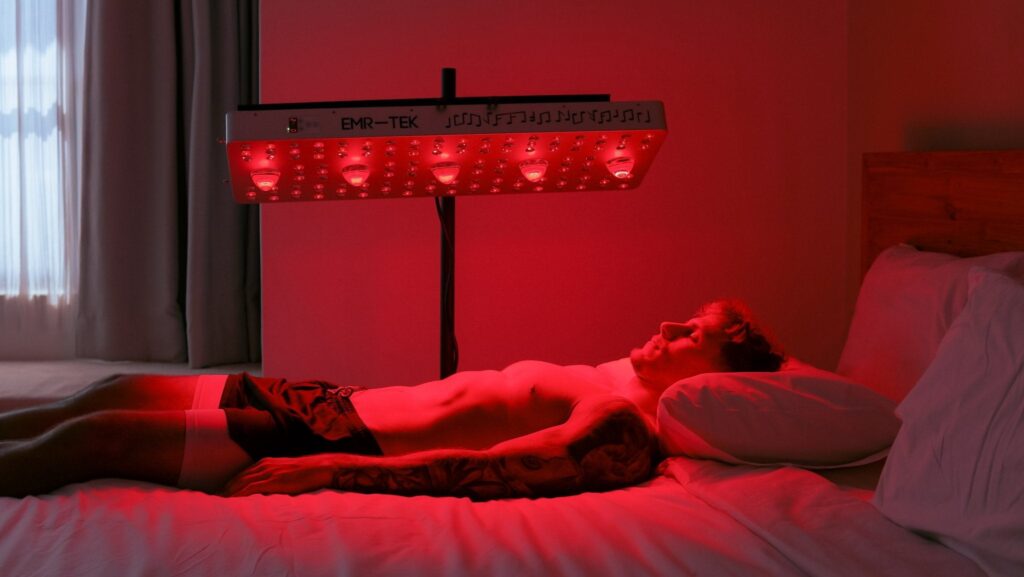
EMR-TEK stands out for buyers who care more about concentrated output and hardware options than having the simplest red light therapy setup. The Canadian brand offers everything from compact targeted lights to large full-body systems, with several models combining conventional LEDs with higher-output COB lights. There is enough variety here to build anything from a small home setup to something much closer to what might be used in a gym or wellness facility.
The hardware is generally the stronger part of the EMR-TEK story. Customers frequently praise the intensity, construction, and performance of the lights, while the brand publishes relatively detailed specifications around wavelengths, irradiance, EMF, and flicker. Our bigger hesitation is the buying experience. The return policy gives customers very little opportunity to actually use a device before committing to it, and recent feedback includes enough complaints about shipping delays and communication that we would take those issues seriously before placing an order.
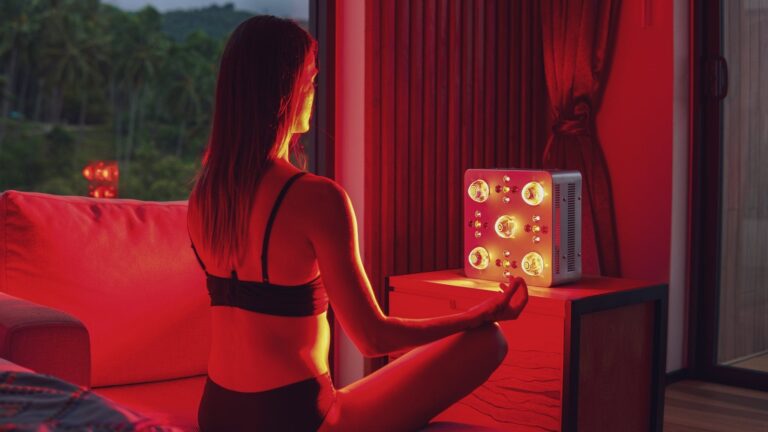
EMR-TEK is a Canadian red light therapy company with products ranging from small portable devices to panels and large full-body systems. Most of the lineup is suitable for home use, although equipment such as the Firehawk moves into a size and price category that can also make sense for gyms, wellness centers, and other professional environments.
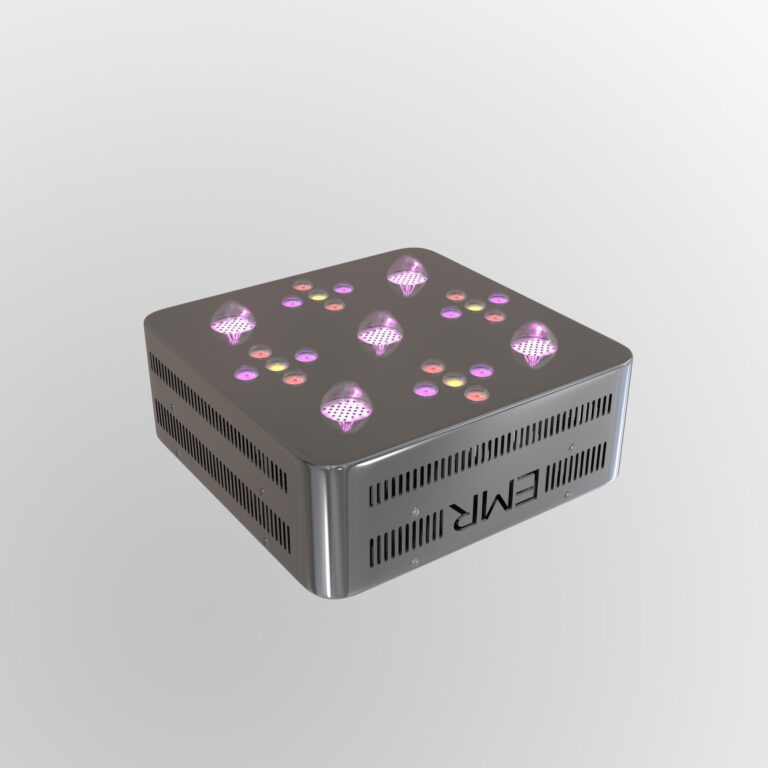
One of the more noticeable differences is EMR-TEK’s use of COB, or chip-on-board, lighting in several products. Instead of relying entirely on rows of conventional LEDs, COB technology places multiple light-emitting components together in a concentrated area. In practical terms, EMR-TEK uses it to produce a considerable amount of light from devices that can remain relatively compact.
That does not mean more output automatically makes a device better. It means positioning, treatment distance, and session length become particularly important. EMR-TEK’s more powerful products are designed to be used with some distance between the light and the body rather than assuming the highest possible output number is what someone should receive throughout a session.
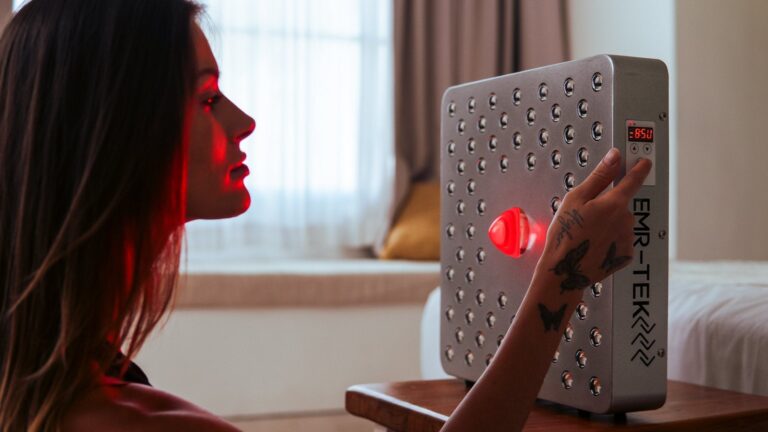
There is a substantial difference between the smallest and largest EMR-TEK products. The Firewave is one of the more compact options and makes sense for someone treating the face, shoulder, knee, or another relatively small area. Larger Firestorm, Firedragon, and Inferno models increase the amount of coverage available, while the Firehawk sits near the top of the lineup as a full-body system.
The Firewave currently starts around $249.99, compared with a listed regular price of $399.99. It combines traditional LEDs with more concentrated COB lights and allows the two light sources to be operated separately or together. That gives users more control over intensity than simply switching an entire panel on or off.
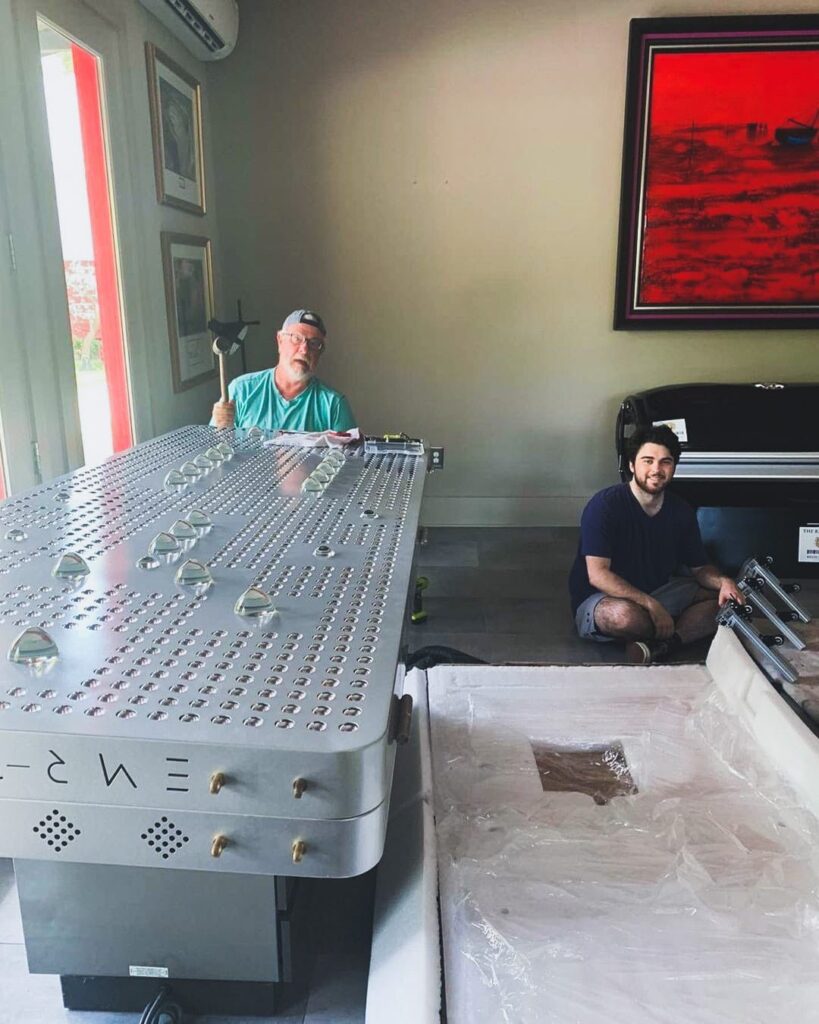
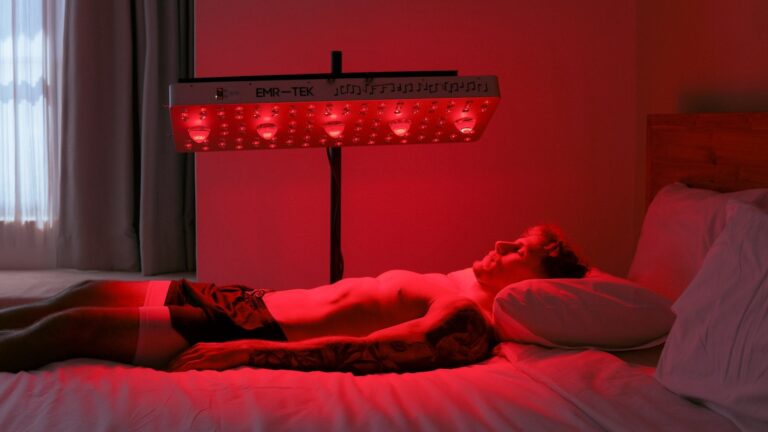
At the opposite end, the Firehawk is a much more serious commitment. At around $9,999.99, it is a large full-body system with a rolling base and adjustable positioning rather than something designed to sit on a desk or countertop. It is intended for someone who wants considerably more coverage and is willing to dedicate both the money and physical space to getting it.
There are also Pro versions of several EMR-TEK products. These are more relevant for buyers who care about electrical performance in addition to light output. Pro models use Mean Well drivers, with EMR-TEK emphasizing reduced EMF and flicker-free operation as part of the upgrade.
We would not automatically pay more for a Pro model simply because it has “Pro” in the name. The upgrade makes the most sense when lower EMF, zero flicker, modular support, or the other model-specific improvements actually matter to the way the device will be used. Otherwise, one of the standard models may provide the coverage you need for less money.
Several current EMR-TEK red light panels use 630nm, 670nm, and 830nm wavelengths, providing two red wavelengths and one near-infrared wavelength. That combination is somewhat different from the familiar 660nm red and 850nm near-infrared pairing found across much of the consumer red light therapy market.
Exact specifications can vary by model, though, so we would check the individual product rather than assuming every EMR-TEK device uses the same wavelength combination. This is particularly important when comparing standard and Pro versions or looking at products from different generations of the lineup.
EMR-TEK also puts a significant amount of emphasis on irradiance, which is essentially a measurement of how much light reaches a given area. Some of the numbers are unusually high. The Firewave, for example, has been advertised at approximately 1,400 mW/cm² directly at the panel face when its COB technology is operating.
We would not use that number alone to compare it with another device. Nobody needs to press the Firewave against the body simply because that produces the largest measurement. Light intensity falls as distance increases, and EMR-TEK recommends using the Firewave from approximately 10 to 18 inches away from the treatment area.
The company’s usage guidance also illustrates why maximum power is not necessarily the goal. EMR-TEK recommends beginning with relatively short sessions using the LEDs before gradually increasing treatment time and introducing the more intense COB output as appropriate. For facial use, the company recommends the less intense LED mode rather than immediately using the strongest available setting.
We like seeing that distinction. A powerful light is more useful when the company also explains how that output should actually be managed rather than treating the largest irradiance number as the entire selling point.
EMR-TEK covers a very wide price range. Smaller devices can cost a few hundred dollars, larger panels move progressively higher, and full-body equipment can reach several thousand dollars. The Firehawk sits at the extreme end at close to $10,000.
That range makes it especially important to buy for coverage rather than specifications alone. Someone treating one shoulder does not need thousands of dollars worth of LEDs surrounding the entire body. At the same time, someone planning regular head-to-toe sessions may find a small Firewave frustrating because every session requires repeated repositioning.
The standard-versus-Pro decision adds another layer. Pro models generally command a premium for upgraded drivers and electrical characteristics such as reduced EMF and flicker. Those improvements have real value for certain buyers, but they are not automatically necessary for everyone.
EMR-TEK’s strongest value tends to come from matching the size and hardware to what will actually be treated. There is enough choice in the lineup that buying substantially more equipment than necessary should be avoidable.
EMR-TEK advertises free shipping on orders over $145 and states that deliveries within the U.S. and Canada generally take around two to five business days. International orders are estimated at approximately five to 12 business days.
Customer experiences do not always match those timelines. Recent feedback includes a noticeable number of complaints about orders taking several weeks, incomplete shipments, and tracking information that either arrived late or failed to update properly.
Some customers ultimately received their devices and were very happy with the equipment but still lowered their overall rating because of the fulfillment experience. That distinction comes up often enough that we would not ignore it. The lights themselves may be well received while the process of actually getting one can be less predictable.
Setup depends heavily on the model. A compact Firewave requires relatively little space, while the larger systems need considerably more planning around treatment distance, positioning, electrical access, and storage. Full-body systems such as the Firehawk are large enough that we would determine exactly where the equipment is going before ordering rather than figuring it out once several thousand dollars worth of hardware arrives.
EMR-TEK’s return policy is one of the biggest drawbacks of buying from the brand. There is a 30-day return period from delivery, but products generally need to remain unused and be returned in their original packaging. Once a device has been powered on or the packaging has been opened beyond what is necessary for inspection, standard return eligibility becomes much more restrictive.
We would not describe that as a genuine 30-day trial. A trial suggests there is enough time to actually use the light, work it into a routine, and then decide whether it was the right purchase. EMR-TEK’s policy is much closer to a conventional unused-product return window.
That distinction is particularly important with expensive equipment. A panel can look perfect on a specifications page and still turn out to be too large, too intense, too cumbersome, or simply wrong for the way you expected to use it. Anyone relying on the return policy as a safety net should read the complete terms before opening or powering on the device.
Warranty coverage varies across the lineup. Most standard red light panels receive two years, while larger flagship systems such as the Firehawk and Ultron receive three years. Smaller products, including devices such as the Firefly and Eterno Mask, receive shorter coverage.
We would check the warranty attached to the exact product before purchasing rather than assuming the same policy applies throughout EMR-TEK’s range. That becomes increasingly important as the purchase price moves from a few hundred dollars into the thousands.
Feedback about EMR-TEK’s actual hardware tends to be stronger than feedback about the overall buying experience. Owners frequently describe the lights as powerful and well built, and there are customers who have returned to purchase additional EMR-TEK equipment after being happy with their first device.
Customers discuss using the lights as part of routines involving exercise recovery, general soreness, joints, skin, relaxation, sleep, and overall wellness. Some report feeling less stiff or sore with regular use, while others mention changes in how their skin looks or how they feel after workouts.
We would treat those as individual experiences rather than expected outcomes. EMR-TEK itself positions its equipment as general wellness products rather than devices intended to diagnose, treat, cure, or prevent disease. Customer feedback is much more useful when evaluating things such as construction, controls, intensity, noise, reliability, and ease of use.
EMR-TEK currently holds an overall Trustpilot rating around 4.0 out of 5 from more than 500 reviews. Most feedback is positive, but there is also a meaningful amount of negative feedback. A large portion of those complaints focuses on shipping, fulfillment, refunds, and communication rather than dissatisfaction with the light output itself.
That difference matters. Someone researching EMR-TEK could come away with two seemingly contradictory impressions: customers really like the products, while some customers are very frustrated with the company. Both can be true when the hardware performs well but fulfillment and support are inconsistent.
Customer support is one of the less predictable parts of the EMR-TEK experience. There are plenty of positive reports from people who received help with defective equipment, missing components, replacement products, and other problems. Some customers have even updated negative reviews after EMR-TEK stepped in and resolved the issue.
Other experiences are much less favorable. Customers have reported waiting days for responses, sending multiple emails without receiving clear answers, struggling to get updates about delayed orders, and having difficulty resolving missing shipments or refunds.
We would put more weight on this than we might with an inexpensive device. Waiting for a response about a $250 light is frustrating. Waiting for an answer about equipment costing several thousand dollars is a much bigger concern.
The inconsistency is ultimately the issue. EMR-TEK clearly has examples of providing very good support, but the experience does not appear equally reliable for every customer. More consistent communication around fulfillment, delays, and problem resolution would make the brand much easier to recommend without reservation.
EMR-TEK has a genuinely distinctive product lineup. The combination of conventional LEDs and concentrated COB lighting gives several devices a different performance profile from ordinary LED panels, while the 630nm, 670nm, and 830nm configuration used across key models also separates them from brands built almost entirely around 660nm and 850nm.
We also like the range of sizes. Someone looking for a compact targeted light and someone building a serious full-body setup can both shop within the same brand without being pushed toward equipment that is completely wrong for their needs.
The Pro lineup adds another level of choice. Mean Well drivers, zero-flicker operation on applicable models, lower EMF, and other upgraded features give buyers a legitimate reason to move up rather than simply attaching a premium label to essentially the same hardware.
Technical information is another strength. EMR-TEK publishes considerably more detail about wavelengths, irradiance, flicker, EMF, treatment distance, and recommended use than brands that rely almost entirely on broad wellness claims. We would rather have too much information to sort through than not enough information to make an informed comparison.
The return policy is the first thing we would change. A 30-day period sounds reassuring until you realize that actually powering on and using the product can significantly affect return eligibility. For equipment that can cost hundreds or thousands of dollars, a genuine trial period would give customers considerably more confidence.
Shipping consistency also needs improvement. The number of customers reporting delays, incomplete orders, and poor tracking makes the advertised delivery window harder to rely on. Clearer proactive communication when an order is delayed would help considerably.
Customer service could be more consistent for the same reason. There are examples of excellent problem resolution, but there are also enough reports of unanswered messages and difficulty getting order updates that support remains a legitimate consideration.
We would also like EMR-TEK to make specifications and model differences as consistent as possible across the entire range. The brand attracts buyers who pay attention to details such as wavelengths, drivers, EMF, flicker, and output. Those customers should be able to confirm exactly what they are buying without having to reconcile differences between product information.
EMR-TEK is most compelling for someone who wants high-output red light therapy hardware and is willing to spend a little more time choosing the right setup. Its COB-equipped products, Pro models, multiple panel sizes, and less conventional wavelength combinations give the brand a legitimate identity in a market where many panels otherwise look remarkably similar.
The products themselves are not what give us the most hesitation. Customer feedback around the hardware is generally strong, particularly when it comes to output and construction. The bigger concerns are the restrictive unused-product return policy, inconsistent shipping experiences, and mixed communication when something goes wrong.
We would be comfortable considering EMR-TEK for the hardware, but we would go into the purchase knowing exactly which model, size, wavelengths, warranty, stand, and accessories we needed before placing the order. With very little room to actually try a device and change your mind afterward, getting that decision right upfront matters more here than it does with brands offering a genuine at-home trial.

Join red light therapy users comparing devices, sharing protocols, and posting honest results. Free to join, no sales pitch.
Protocol sharing
Device comparisons
Safety-first advice
Category
Score
Product Range
Price & Value
Warranty & Returns
Customer Support