OVERALL
4.3
BEST FOR
Full-Body Sessions, Commercial Use, Clinics
$9,999.99
WAVELENGTHS
630nm-830nm
IRRADIANCE
4,425W of combined COB and LED power.
COVERAGE AREA
Full body
WEIGHT
Not listed
Our Review
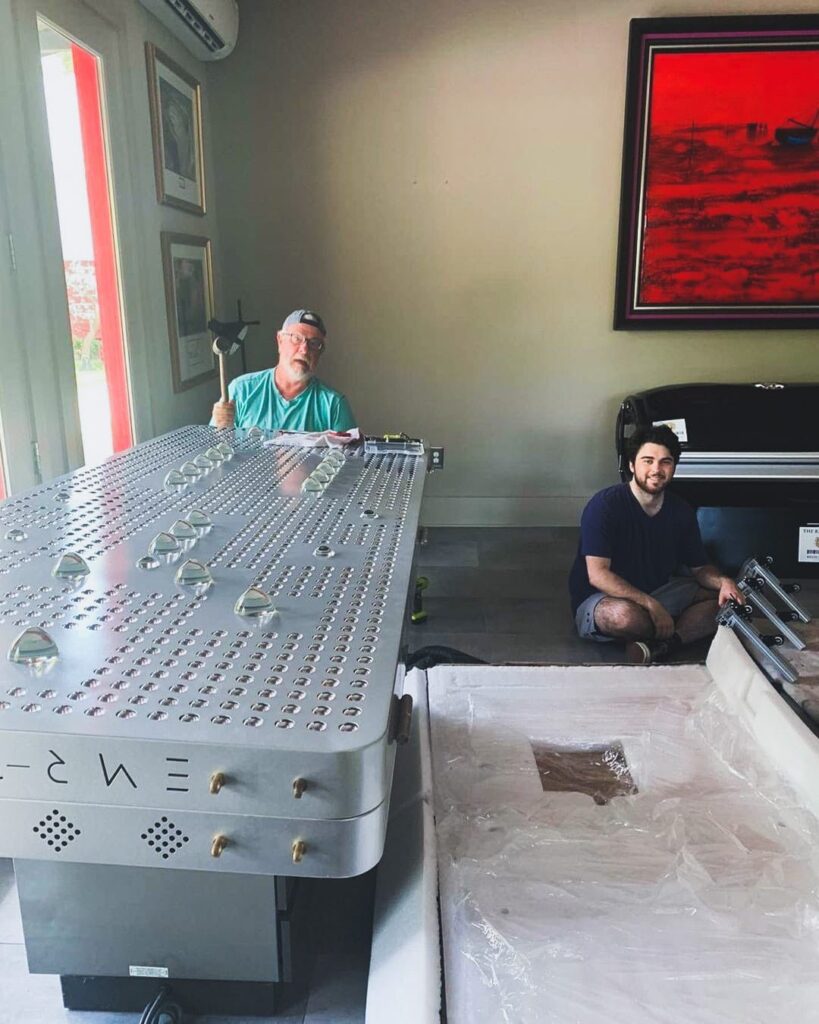
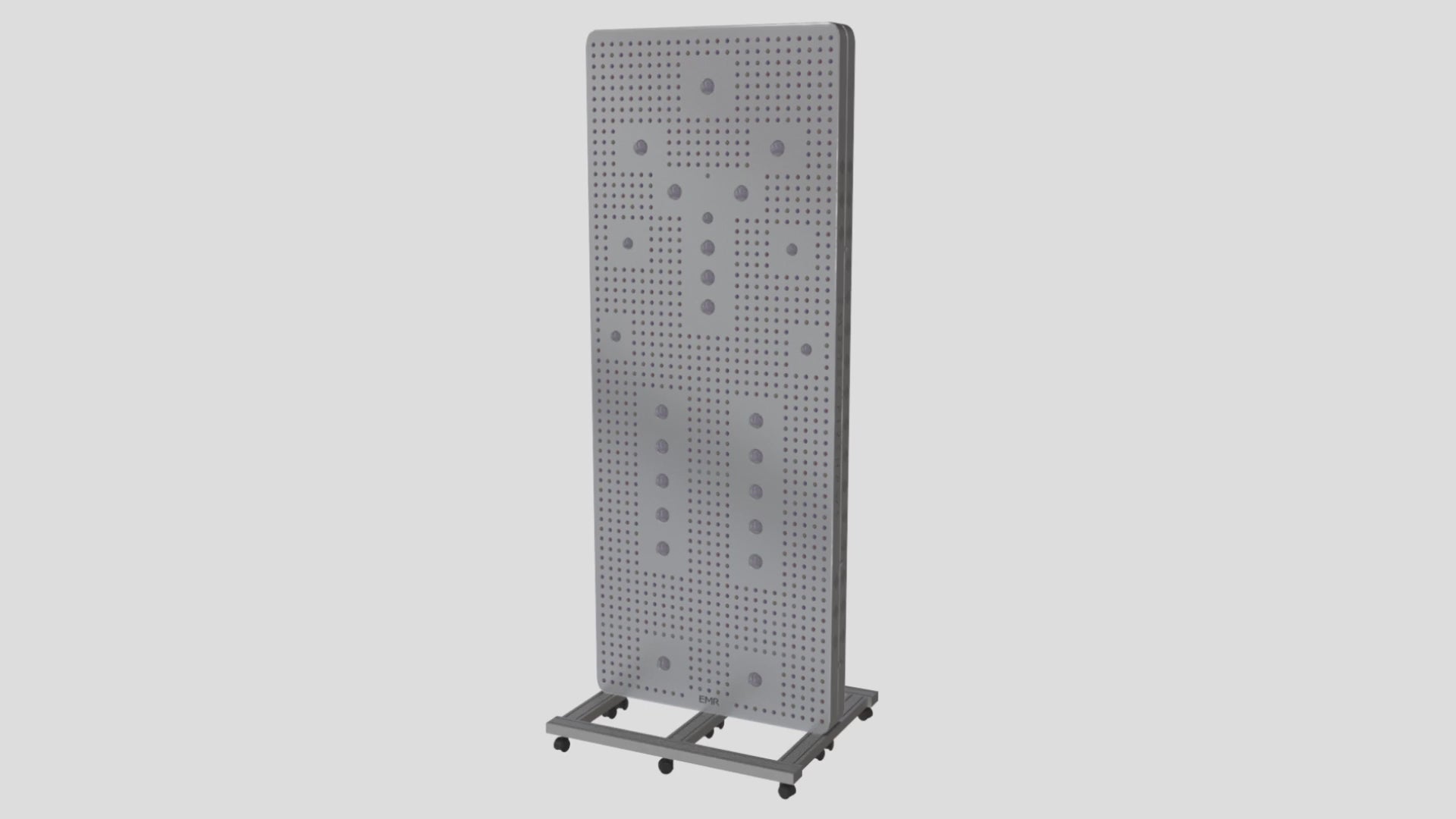
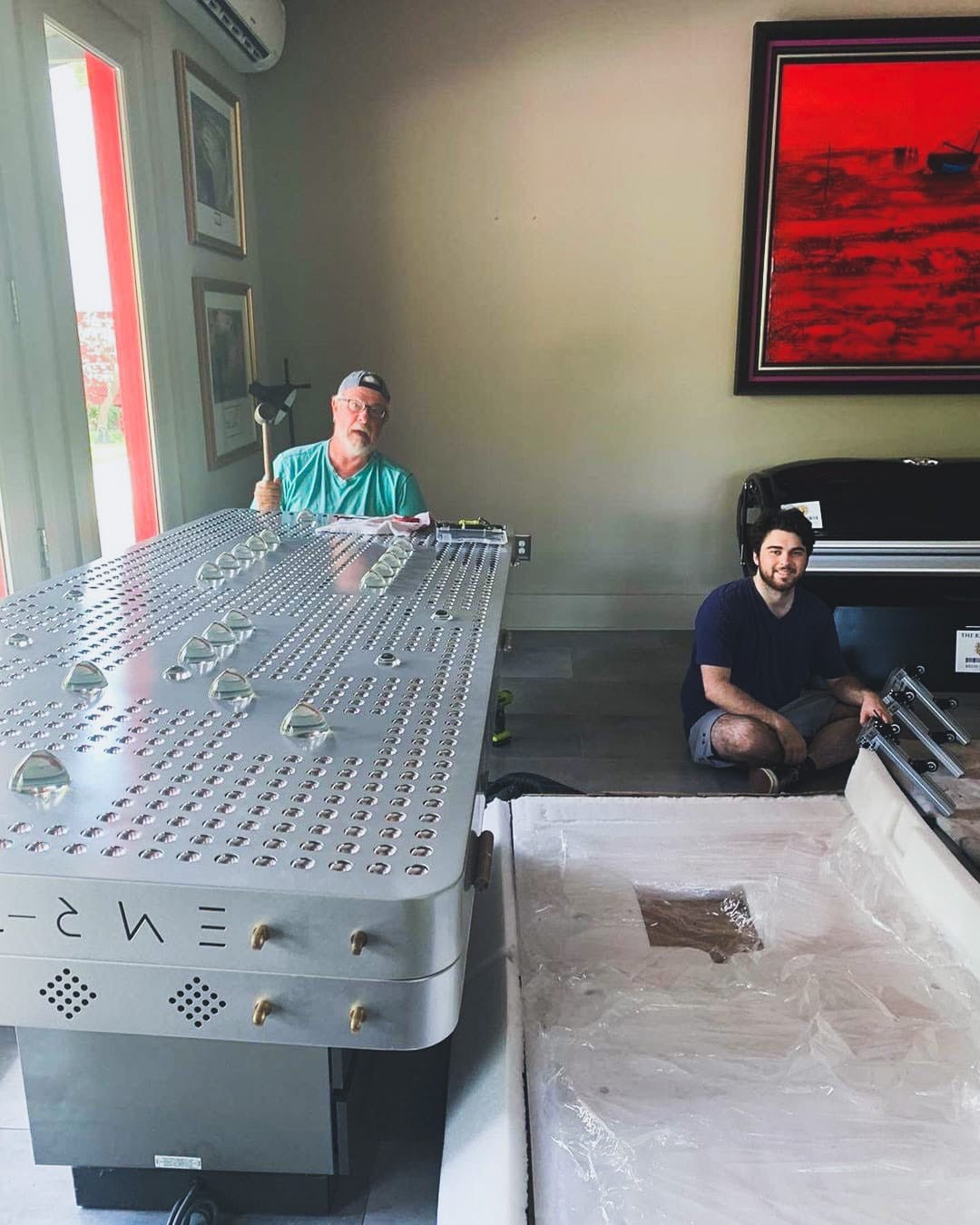
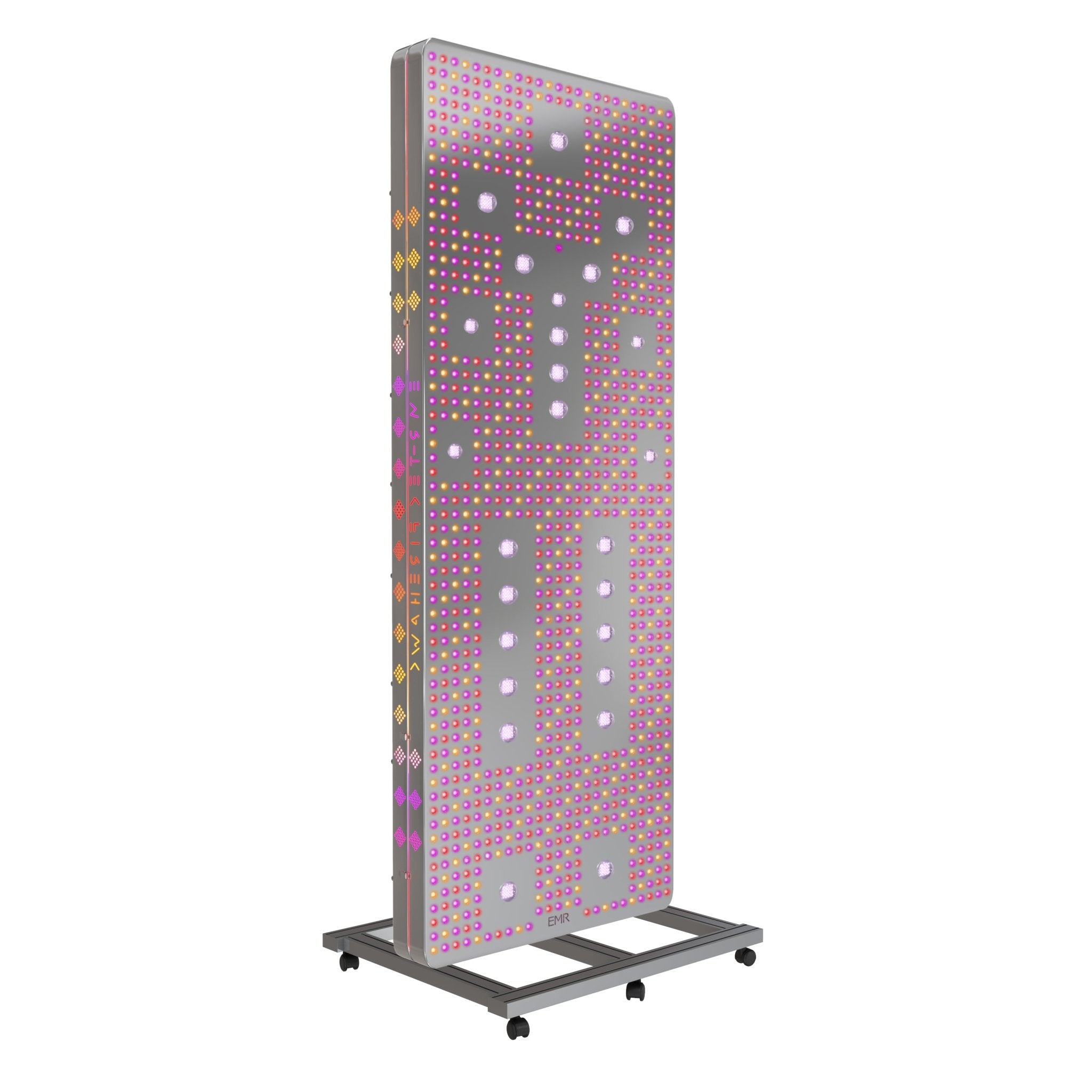
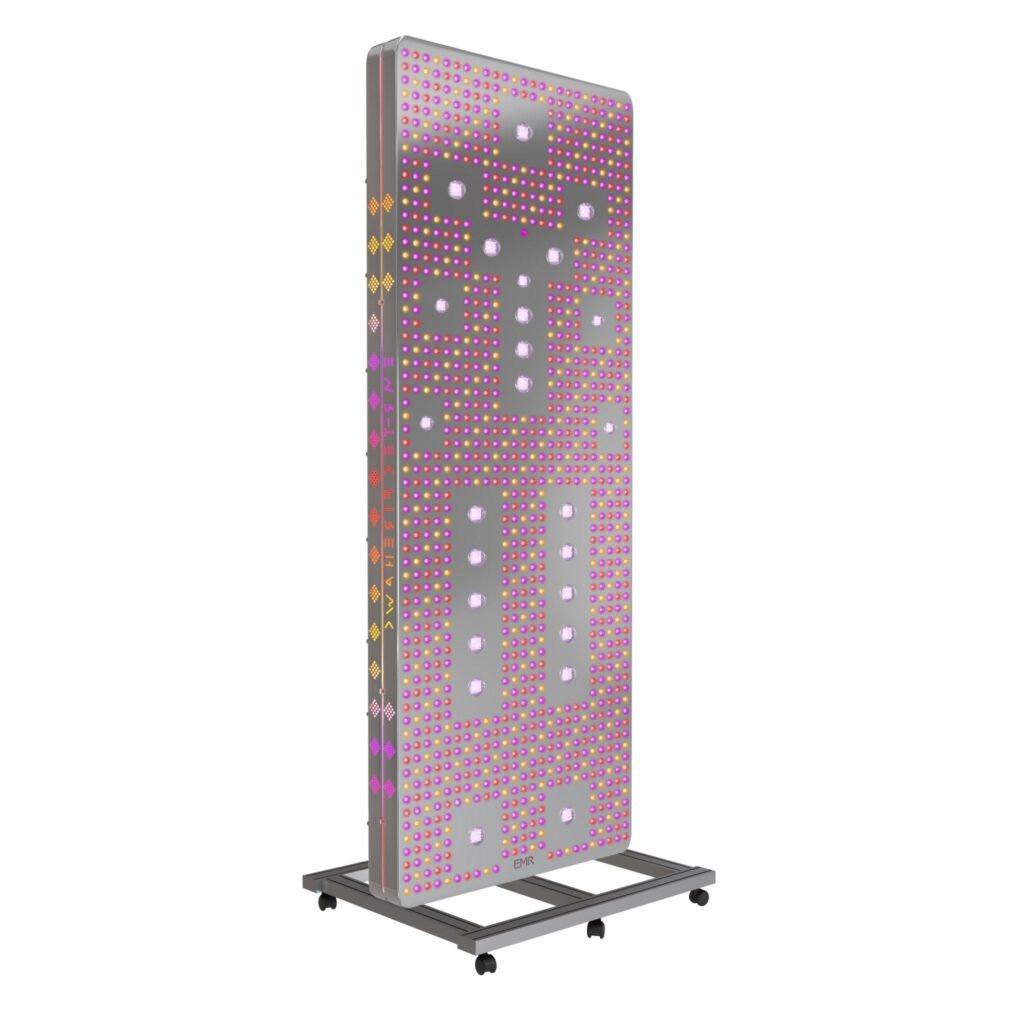
Firehawk is for someone building a dedicated red light space, not someone looking for a panel they can tuck away after dinner. Its size, rolling base, pulley system, and commercial-level price make the most sense in a home gym, performance room, clinic, or recovery facility where broad full-body sessions are the priority.
The buying question is whether you need Firehawk scale or simply like the idea of it. If multiple people will use the system, you want a permanent treatment station, and repositioning smaller panels already sounds tedious, the format has a clear purpose. If you’re a single home user treating a few areas, the footprint and roughly five-figure cost are difficult to defend when smaller EMR-TEK systems can deliver the same core light wavelengths.
For this specific device, the published light set is 630nm, 670nm, 830nm. That is worth stating plainly because the wavelength mix is one of the easiest details to blur when a brand sells several generations or sizes under similar names.
The hybrid COB and LED approach is one of the reasons people look at EMR-TEK in the first place. Rather than relying only on a standard grid of diodes, Firehawk uses concentrated COB modules alongside LEDs to push a lot of light across a broad area. We would still choose it based on how the whole system fits your routine, not because “COB” sounds more advanced.
There is a very practical line here: pay for the feature you will feel during every session, not the one that only looks impressive while comparing tabs online. For EMR-TEK Firehawk, that tension is basically flagship full-body station versus five-figure investment. If the first point is something you will appreciate every time you use it, the product has a clear reason to exist in your routine. If the second point is already bothering you while you are still shopping, we would not assume it becomes less annoying after you own it. That is usually the better signal than another feature comparison.
At roughly $10,000 on current promotion, this is a purchase that should come after you already know red light therapy is something you use consistently. It is overkill for a face, knee, or occasional post-workout session. The value is being able to walk up to one serious station and handle broad sessions without piecing together smaller devices.
The price is roughly $9,999.99 at the current U.S. listing, which pushes Firehawk into serious enthusiast, practitioner, or commercial territory. We would not justify it by chasing the highest possible wattage. We would justify it because one large station replaces several smaller panels and the room will use it often.
EMR-TEK’s broader customer feedback includes very enthusiastic repeat buyers as well as complaints about shipping and support. With equipment this expensive, we would pay attention to the service side just as much as output. Confirm current warranty terms, delivery expectations, installation, and what happens if a component needs repair before committing.
One policy detail matters a lot with EMR-TEK: the current 30-day return policy is generally for unused products. Once a device has been powered on beyond inspection, returns are not guaranteed. That is very different from a 30- or 60-day “try it at home” promise, so we would treat the purchase as close to committed once you start using it.
As far as buyer protection goes, the warranty is 3 years. That is enough to provide some reassurance, but the real value depends on the conditions attached to the return and warranty process.
The practical story is coverage and handling. This is the kind of device you create a room around, then roll or angle into the position you want. The included positioning hardware matters because a system at this scale would be frustrating if every adjustment required moving the frame by hand.
Key Features
EMR-TEK's largest red and near-infrared system, purpose-built for red and NIR only rather than multi-spectrum.
Mounting is integrated rather than a separate purchase, with height adjustment that avoids lifting the unit.
The longest coverage EMR-TEK offers, shared only with the multi-spectrum Ultron.
630/670/830nm
Premium driver components.
Flagship output designed for stable operation.
Full Specifications
Wavelengths:
Final Verdict
4.3

Join red light therapy users comparing devices, sharing protocols, and posting honest results. Free to join, no sales pitch.
Protocol sharing
Device comparisons
Safety-first advice
Tec Specs
Wave Lengths
630nm-830nm
IRRADIANCE:
4,425W of combined COB and LED power.
Coverage Area:
Full body
Overall Category Scores
Category
Score
Best Quality
Ease of Use
Features
Value
Support
Staying informed with the latest research and reviews.
10 Minute Read
10 Minute Read