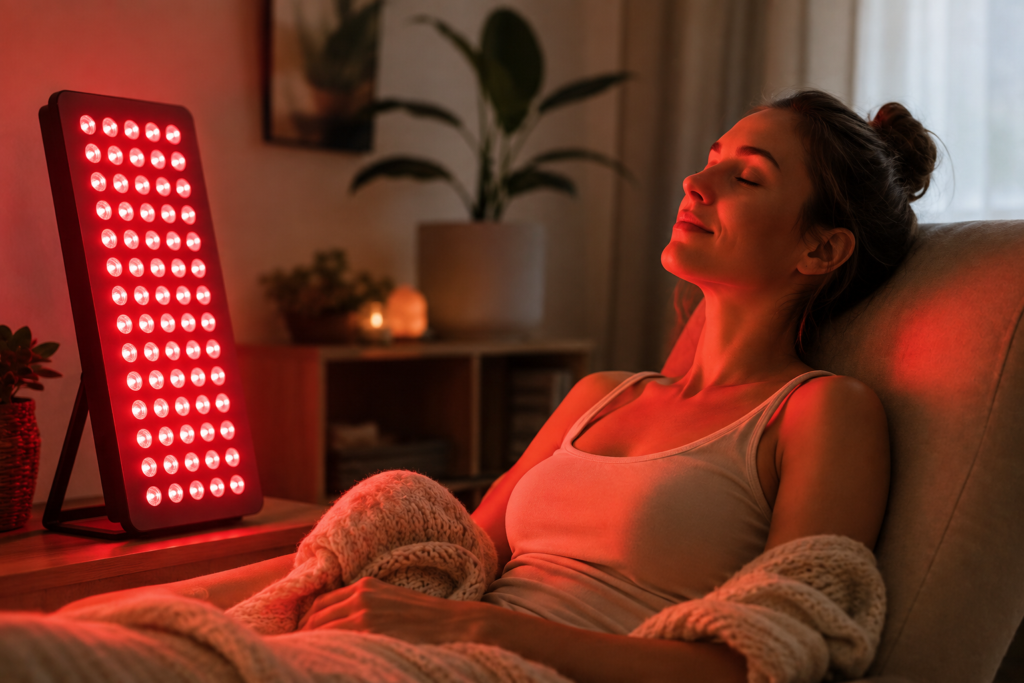
Most of the light you sit in after sunset is working against your sleep. Phone screens, kitchen LEDs, the TV, that bright bathroom vanity right before you brush your teeth. All of it leans heavily on blue wavelengths, and blue light is the exact signal your brain reads as “stay awake.”
Red light sends the opposite message. That is the whole case for doing red light therapy before bed: instead of fighting your body’s wind-down, you give it a nudge in the right direction. The evidence here is promising rather than airtight, so this is not a miracle switch. But it is a low-risk habit with real science behind its mechanism, and it slots neatly into the hour you are already winding down.
Here is what it does and why the timing matters.
Red light therapy before bed: What red light therapy actually does
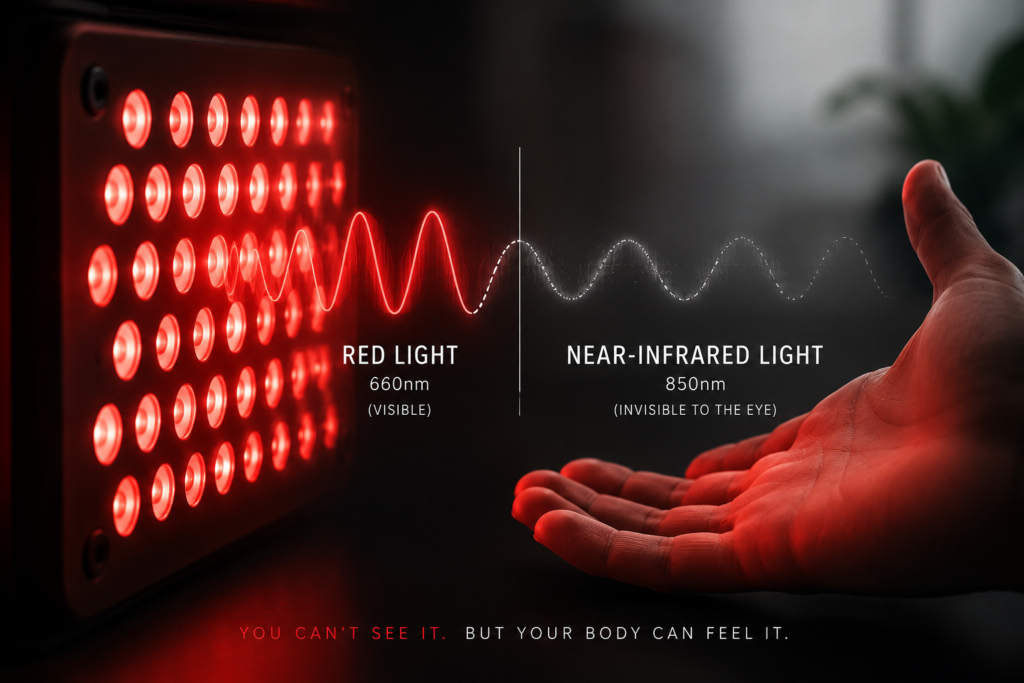
Red light therapy, also called photobiomodulation or low-level light therapy, uses red and near-infrared wavelengths, roughly 630 to 850 nanometers, delivered through LED panels or handheld devices. It is not heat, and it is not UV. It is specific wavelengths that your cells can absorb and use.
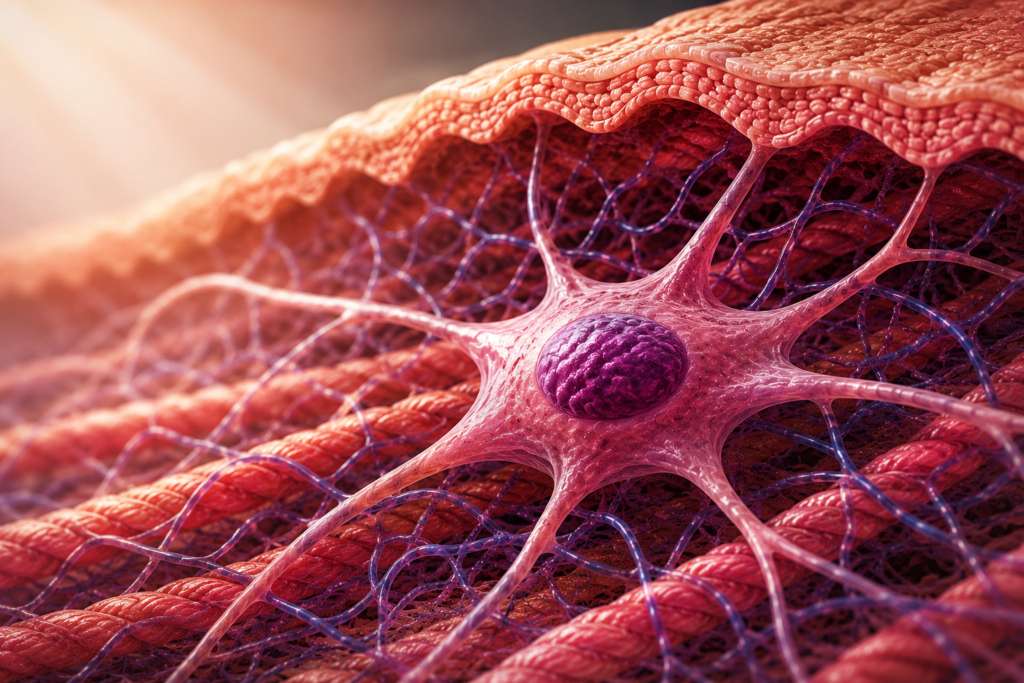
The mechanism is more interesting than most marketing makes it sound. The light is absorbed by an enzyme in your mitochondria called cytochrome c oxidase. When that happens, your cells can ramp up production of ATP, the molecule your body runs on. Researcher Michael Hamblin’s overview of photobiomodulation lays out how that bump in cellular energy supports tissue repair, lowers inflammation, and helps cells recover. In plain terms: you are giving your cells a bit more fuel right when your body wants to switch into overnight repair mode.
The problem with most evening light
To understand why red light at night is useful, you have to understand what bright evening light does to you.
Melatonin is the hormone that tells your body it is nighttime. It rises in the evening as light fades, and it sets up the whole cascade that leads to sleep. The catch is that light, especially short-wavelength blue light, suppresses it. A Harvard-led study in the Journal of Clinical Endocrinology and Metabolism found that ordinary room light before bedtime suppressed melatonin onset and cut the duration of melatonin production short. Not a flashlight in the eyes. Just normal indoor lighting.
That is the problem. The brighter and bluer your evening, the later your body thinks night begins. Red and amber wavelengths sit at the far end of the spectrum and do not hammer melatonin the way blue light does, which is why swapping bright white light for red in the last stretch of your evening lets your natural rhythm run closer to schedule.
5 smart reasons to do red light therapy before bed
1. It protects your melatonin instead of crushing it. This is the most established point in the whole conversation. Where blue light delays your melatonin onset, red light largely leaves it alone, so your body can keep its own timing. If you are going to have light on while you wind down, red is the friendlier choice.
2. It may actually help you sleep better. The most-cited study here comes from the Journal of Athletic Training, where female athletes got 30 minutes of red light each night for 14 nights. The red light group saw higher serum melatonin and better scores on the Pittsburgh Sleep Quality Index than the placebo group, and the two changes tracked together. You can read the full text on PubMed Central. Worth knowing the sample was small and athletic, so treat it as encouraging, not the final word.
3. It lines up with your body’s overnight repair window. Melatonin does more than make you sleepy. As this review in the British Journal of Pharmacology describes, it is deeply tied to your circadian rhythm and the restorative processes that run overnight. Pair that with the cellular-energy boost from the light itself and you are reinforcing the repair window from two directions.
4. It doubles as recovery for skin and muscle. Your skin regenerates while you sleep, which makes the pre-bed slot a natural fit for the collagen-supporting, recovery-focused side of red light. If you trained in the evening, the same session can do double duty for sore muscles and post-workout inflammation.
5. It builds a wind-down ritual that gets you off screens. Half the battle with sleep is behavioral. Ten or fifteen minutes under red light is ten or fifteen minutes you are not doom-scrolling under blue light. The habit itself becomes a signal to your brain that the day is closing.
How to do red light therapy before bed right
The details of red light therapy before bed matter more than people expect, and getting them wrong can flip the benefit.
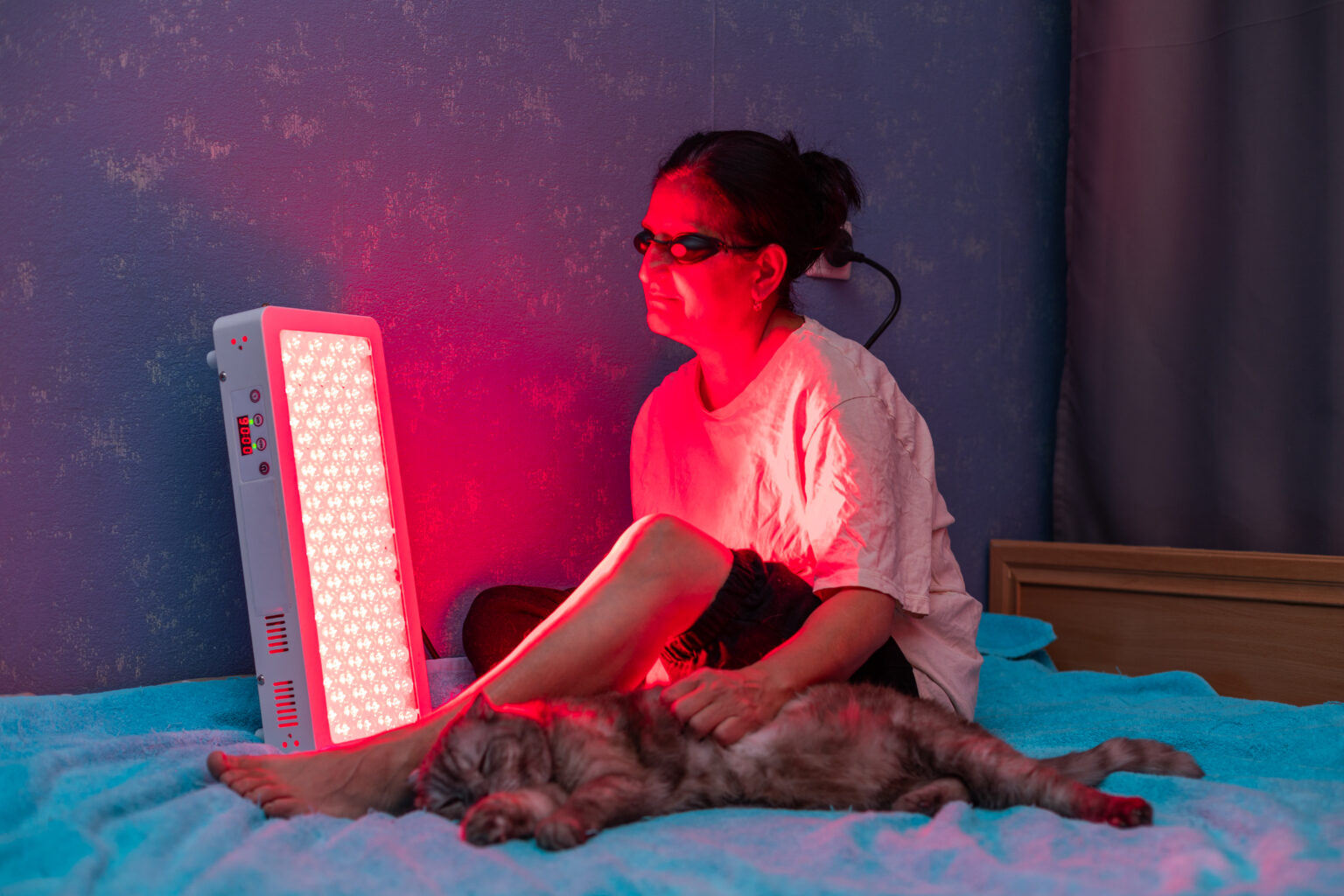
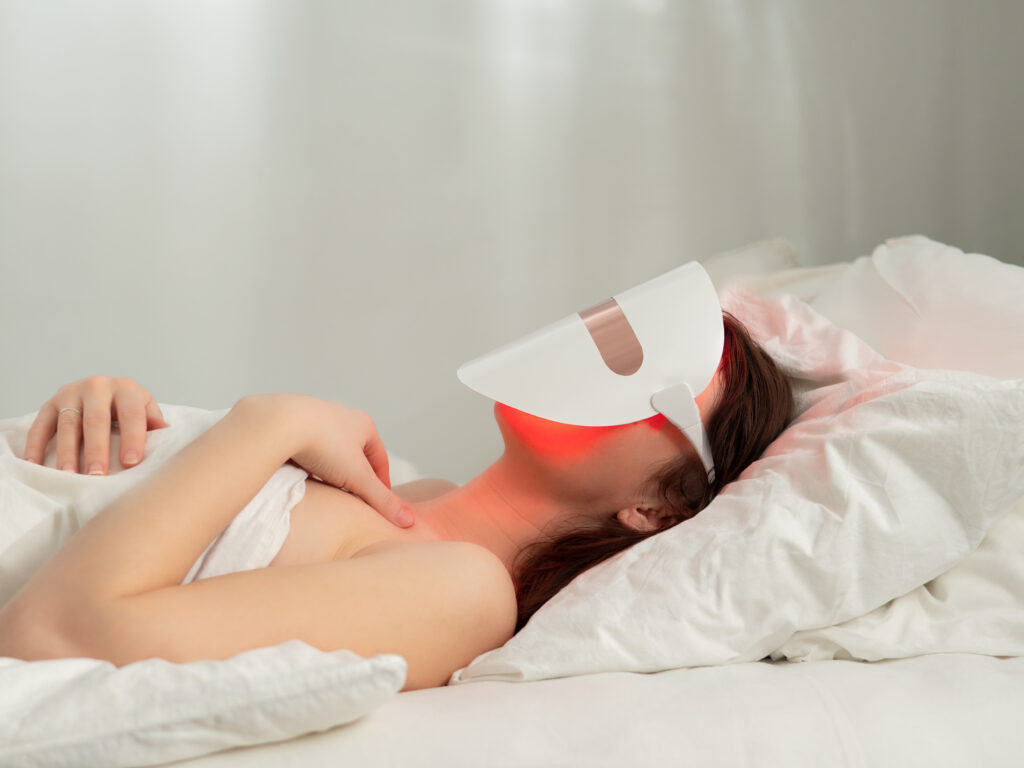
Keep the light off your eyes. This is the big one. Bright light aimed straight into your eyes, even red, can register as an alerting cue, and research on evening light exposure and sleep shows that the timing and intensity of what hits your eyes shapes your sleep architecture. Point the device at your skin, not face-on into your eyes, and keep the rest of the room dim.
A few more practical notes:
- Timing: use it in the 30 to 60 minutes before bed, as part of winding down.
- Wavelength: 630 to 660 nm is typical for skin and surface benefits, while near-infrared around 810 to 850 nm penetrates deeper for recovery.
- Consistency: give it two to three weeks of nightly use before you judge it. The athlete study ran 14 nights for a reason.
- Stack the basics: dim your other lights, cut screens, keep the bedroom cool. Red light reinforces a good setup, it does not replace one.
The honest caveats
The strongest sleep study is small and ran in young athletes, so the results may not map cleanly onto everyone. The cleaner, better-established takeaway is that red light protects melatonin rather than forcing sleep. Think of it as removing a sleep blocker, not flipping a sleep switch.
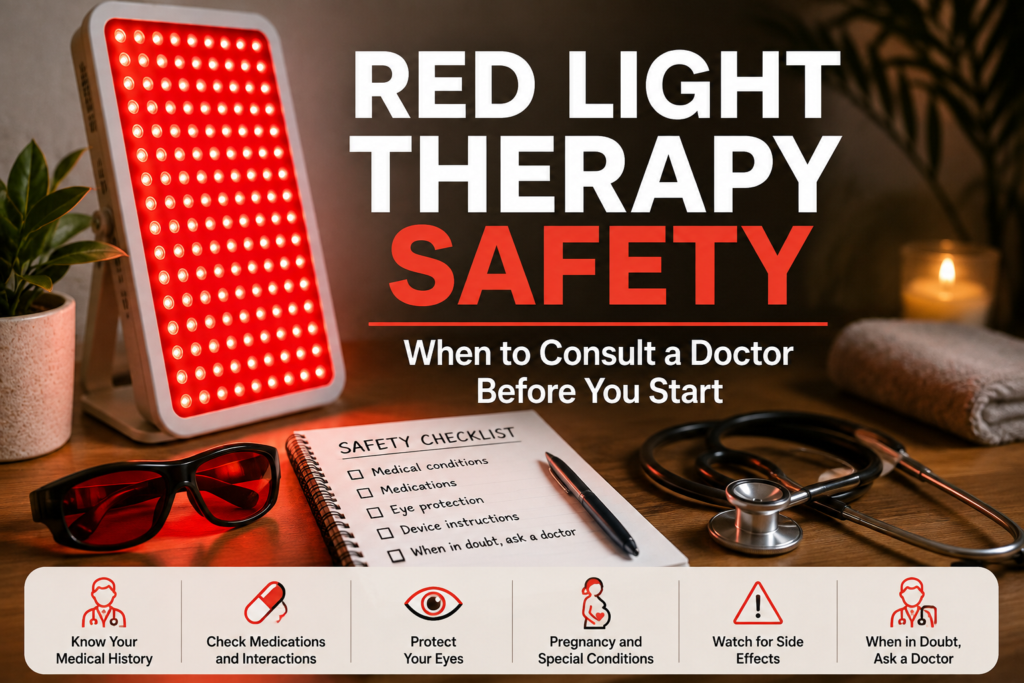
A couple of practical flags. If you take a photosensitizing medication or have a condition affected by light, check with your doctor first. And as always, this is general wellness information, not medical advice.
The bottom line
You are going to spend the last hour of your day in some kind of light. Red light therapy before bed is the version that works with your body clock instead of against it, comes with a real cellular mechanism, and folds recovery and a screen-free ritual into the same few minutes. For a low-risk habit, that is a lot of upside. Try it for a couple of weeks and see how your nights respond.