If you have ever felt naturally sleepy as the evening grows dark, or wide awake shortly after sunrise, you have experienced your circadian rhythm at work. This internal timing system governs much of how your body functions across a 24-hour day, and light is its most important signal. Understanding the basics of how light shapes the body clock makes it far easier to build sensible sleep habits — and to see clearly where a tool like red light therapy does and does not fit. Studies on light and circadian rhythm have drawn increasing attention from researchers.
This article keeps things foundational and plain. No jargon for its own sake, just a clear picture of how light, your eyes, and your brain work together to keep you on a daily schedule. When examining light and circadian rhythm, it helps to look carefully at the underlying research.
What Is a Circadian Rhythm?
A circadian rhythm is roughly a 24-hour cycle in the body’s biology and behavior. According to the National Institute of General Medical Sciences (NIGMS), circadian rhythms influence sleep and wakefulness, hormone release, body temperature, and many other processes. The word comes from the Latin for about (circa) a day (diem). [source] The evidence around light and circadian rhythm remains an active area of investigation.
These rhythms are driven by an internal clock, but they do not run in perfect isolation. They rely on external cues — most importantly light — to stay aligned with the actual day-night cycle of the world around you. Without those cues, the clock can drift. For those exploring light and circadian rhythm, setting realistic expectations matters.
The Master Clock in Your Brain
NIGMS describes a master clock in the brain located in the suprachiasmatic nucleus, or SCN, a small group of cells in a region called the hypothalamus. The SCN coordinates the body’s many smaller clocks, helping keep them synchronized. Think of it as a conductor keeping an orchestra of bodily processes in time. [source] Understanding light and circadian rhythm requires separating marketing claims from published data.
What makes the SCN especially relevant to light is its location and wiring. It sits just above where the optic nerves from the eyes cross, which places it in an ideal position to receive information about how much light is present in the environment. Anyone researching light and circadian rhythm will find the science is still developing.
How Light Reaches the Clock
Light is the dominant cue, or zeitgeber, that keeps the circadian system aligned. The pathway is specific and worth understanding. Light enters through the eyes and is detected not only by the cells that produce vision but also by specialized light-sensitive cells in the retina. These cells send signals to the SCN, effectively telling the master clock whether it is day or night. [source] The current state of light and circadian rhythm research points to early, modest findings.
This is a crucial point: the circadian effect of light is mediated through the eyes, not the skin. Bright morning light helps anchor the clock and promote daytime alertness, while darkness in the evening allows the body to prepare for sleep. The Sleep Foundation notes that this light signaling influences the release of melatonin, a hormone associated with sleep onset, which typically rises in the evening as light fades. Interest in light and circadian rhythm has grown alongside broader photobiomodulation research.
Light, Melatonin, and Timing
Melatonin is sometimes called the hormone of darkness because its production normally increases when light levels drop. When bright light — particularly blue-enriched light — reaches the eyes in the evening, it can suppress melatonin and signal the brain that it is still daytime, potentially delaying sleep. This is why light hygiene in the evening matters so much for healthy sleep timing. Most published reviews on light and circadian rhythm call for larger, better-controlled trials.
The flip side is equally important. Getting bright light, ideally daylight, earlier in the day helps reinforce a strong, well-timed rhythm. The CDC notes that healthy sleep depends on consistent patterns, and a stable light-dark routine supports exactly that kind of consistency. A clear-eyed look at light and circadian rhythm means separating anecdote from controlled evidence.

When the Rhythm Gets Disrupted
Modern life offers many ways to confuse the body clock. Artificial light at night, late screen use, shift work, and travel across time zones can all push the circadian system out of step with the external day. The result can be difficulty falling asleep at the desired time, daytime grogginess, or a general feeling of being out of sync. Consulting a healthcare provider about light and circadian rhythm is always a sensible step.
This is where the practical value of understanding light becomes clear. Many sleep difficulties tied to timing can be eased by paying attention to when and what kind of light you get — bright light early, dim and warm light late. That said, persistent circadian or sleep problems deserve professional attention, as they can have underlying causes that need proper evaluation. Devices marketed for light and circadian rhythm vary widely in power output and wavelength.
Where Red Light Therapy Does and Does Not Fit
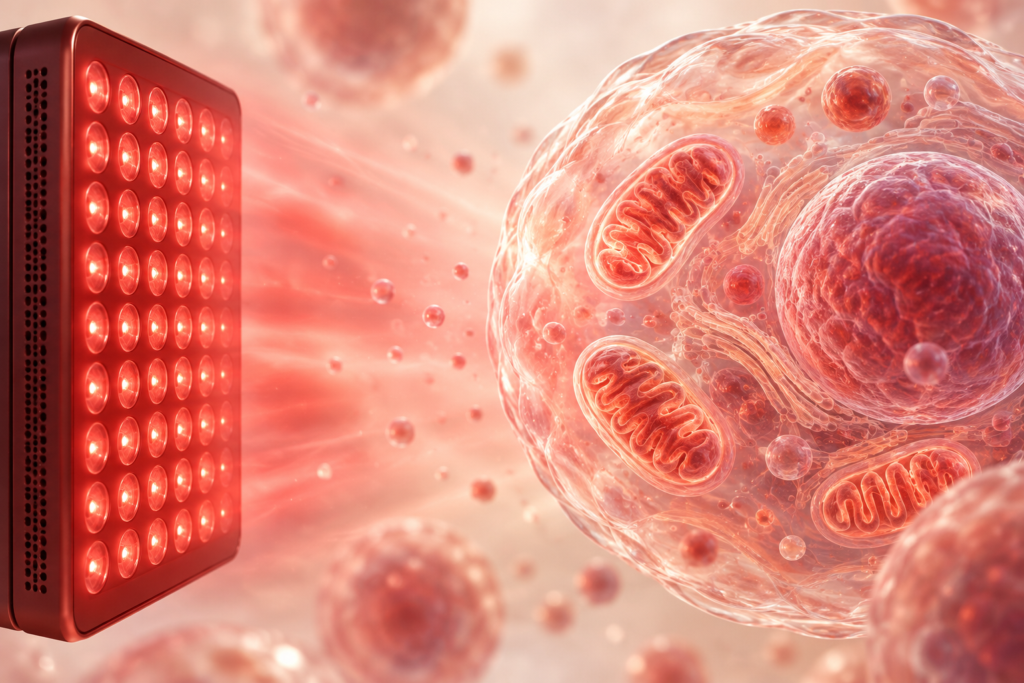
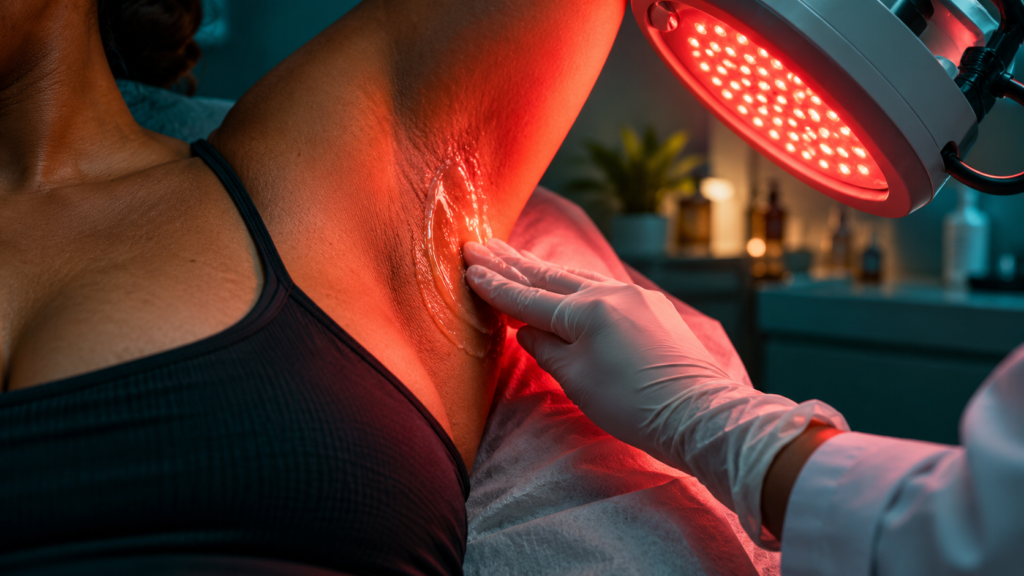
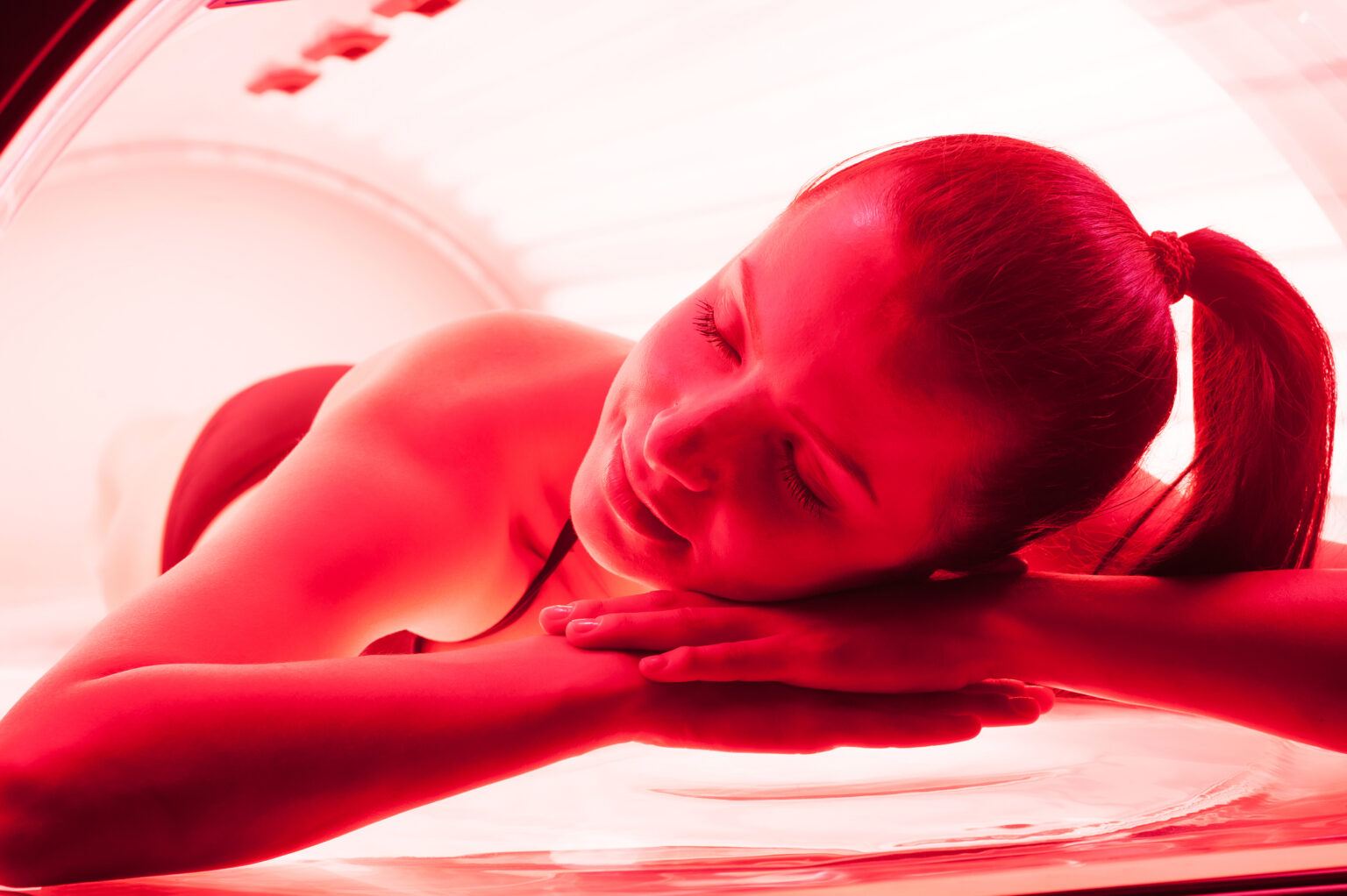
With the basics in place, it becomes much easier to place red light therapy accurately. Red light therapy uses red and near-infrared light delivered to the skin or body, and its proposed effects are on cells and tissues rather than directly on the circadian clock through the eyes. So red light therapy is not a circadian timing tool in the way that bright morning light or a bright light therapy box is. Practitioners field frequent questions about light and circadian rhythm from clients.
There are three distinct things worth keeping separate. First, red and near-infrared photobiomodulation devices aimed at the skin. Second, evening light hygiene — using dim, warm light and avoiding bright blue light at night to protect melatonin and sleep timing. Third, bright light therapy boxes used through the eyes under guidance for certain circadian or seasonal issues. These serve different purposes and should not be lumped together. Studies on light and circadian rhythm have drawn increasing attention from researchers.
The Modest, Honest Role of Red Light
Where red light therapy may connect to circadian health is indirect. Because red wavelengths appear to have minimal melatonin-suppressing effect, using a warm, dim red light source in the evening is less likely to disrupt the wind-down signal than bright blue-white light. In that sense, red-toned light at night fits comfortably within good evening light hygiene. But that is a statement about light color and timing, not evidence that a red light device resets or strengthens your circadian rhythm. The evidence for red light therapy and sleep is very limited, and it should not be confused with the well-established role of light entering the eyes. When examining light and circadian rhythm, it helps to look carefully at the underlying research.
Practical Takeaways for a Healthy Body Clock
The foundations of supporting your circadian rhythm are refreshingly simple and well supported. Seek bright light, ideally natural daylight, in the morning and during the day. Keep evening light dim and warm, and reduce bright, blue-enriched light from screens before bed. Aim for consistent sleep and wake times, even on weekends, to give your clock a steady signal. Keep the bedroom dark at night. These habits work with your biology rather than against it.
Red light therapy, if you choose to use it, sits at the edge of this picture as an optional, relaxing addition — not a core circadian tool. The heavy lifting for a healthy body clock comes from light timing through the eyes, consistent routines, and the sleep-hygiene fundamentals that health authorities consistently recommend.
Common Questions About Light Timing: Light and circadian rhythm Notes
A few practical questions come up often once people grasp the basics. One is how much morning light is enough; while individual needs vary, simply getting outdoors or near a bright window in the morning is a reasonable starting point, and natural daylight is far brighter than typical indoor lighting. Another is whether evening light must be eliminated entirely. It does not; the goal is to lower brightness and avoid strongly blue-enriched light in the hours before bed, not to sit in total darkness. Warm, dim lamps are perfectly compatible with a healthy wind-down.
People also ask whether weekends matter. They do, because a stable light-dark pattern across all seven days gives the clock a consistent signal, whereas sharply shifting your schedule on weekends can nudge the rhythm out of step. None of this requires perfection — small, steady habits around light timing tend to be more effective than occasional dramatic efforts.
The Bottom Line
Your circadian rhythm is a roughly 24-hour internal clock, coordinated by the SCN in the brain and kept aligned chiefly by light entering the eyes. Bright light by day and dim, warm light at night support healthy sleep timing. Red light therapy works on cells rather than directly on this clock, so it is best understood as a possible, gentle part of evening light hygiene rather than a circadian treatment. For ongoing sleep or timing troubles, a healthcare professional is the right resource.
Frequently Asked Questions
What controls my circadian rhythm?
An internal master clock in the brain, the suprachiasmatic nucleus (SCN), coordinates the body’s rhythms. It stays aligned mainly through light detected by the eyes.
Does light affect the body clock through the skin or the eyes?
Primarily through the eyes. Specialized light-sensitive cells in the retina signal the SCN, which is why bright light timing matters so much for sleep.
Why is morning light helpful?
Bright light earlier in the day helps anchor the circadian clock and promote daytime alertness, supporting a well-timed, consistent sleep-wake rhythm.
Does red light therapy reset my circadian rhythm?
There is no good evidence that red light therapy resets the body clock. Its effects are on cells, not directly on the eye-based circadian pathway.
What should I do if my sleep timing feels constantly off?
Improving light timing and keeping consistent routines can help, but persistent circadian or sleep problems should be discussed with a healthcare professional.
Ready to get your red light therapy device? See our brand reviews and product reviews, and try out our product comparison tool to inform your decision.