How often to use red light therapy is one of the first practical questions people ask — and one of the hardest to answer cleanly. Marketing rarely helps. Some sources imply a quick daily blast is ideal, while others suggest marathon sessions for faster results. The honest answer is more nuanced, and understanding it will help you build a routine that is both sensible and sustainable.
This guide walks through how often to use red light therapy, typical session lengths, why longer is not the same as better, and how to set expectations grounded in evidence. Throughout, keep one idea in mind: consistency over weeks tends to matter more than intensity in any single session.
How Long Is a Typical Session?
Most consumer devices recommend sessions in the range of a few minutes to around twenty minutes per area, with the exact figure depending heavily on the device’s output and the distance you sit from it. A powerful full-body panel used at close range may call for shorter exposures, while a gentler handheld unit might suggest a longer session to deliver a comparable dose.
This is why there is no single universal session length. The number that matters is the total dose of light delivered to your skin, and that depends on how much light energy reaches the surface combined with how long you are exposed. Two people using different devices may need different session times to arrive at a similar dose. The most reliable starting point is always the manufacturer’s guidance for your specific device.
How Many Times a Week?
Frequency varies with goals and devices, but many people use red light therapy somewhere between three and seven times per week. Some routines involve daily short sessions; others space sessions out across the week. Both patterns can be reasonable.
What the research consistently emphasizes is that effects, when they occur, tend to build gradually with regular use over weeks rather than appearing after one or two sessions. In practice, a routine you can actually maintain — even if it is modest — is likely to serve you better than an ambitious schedule you abandon after a week. Cleveland Clinic notes that red light therapy is typically used repeatedly over time rather than as a one-off, which fits this picture of patient, consistent use.
Why More Is Not Always Better
Perhaps the single most important principle in deciding how often to use red light therapy is that the dose-benefit relationship is not a straight line. Research describes what is known as a biphasic dose response: a moderate, appropriate dose may produce a helpful effect, while too little does little and too much can reduce or even reverse the benefit.
Huang and colleagues, in a widely cited update on this topic, describe how low-level light therapy follows this biphasic pattern, where there is an optimal range and pushing beyond it does not yield extra reward. In everyday terms, doubling your session time in hopes of faster results can be counterproductive. This is one of the clearest reasons to follow device guidance rather than improvising longer or more frequent sessions.
The Temptation to Overdo It
How often to use red light therapy is where many people go wrong — assuming that if a little is good, more must be better. With red light therapy, that instinct can work against you. The biphasic principle means there is a window of useful dosing, and exceeding it does not accelerate progress. Resisting the urge to extend sessions or stack multiple sessions back to back is part of using the practice wisely.
Goal-Dependent Variation
How often to use red light therapy may also depend on what you are hoping to support. Skin-related goals, exercise recovery, and everyday comfort routines can each lend themselves to slightly different rhythms. Someone focused on the appearance of their skin might fold a short session into a daily skincare step, while someone using it for post-workout recovery might time sessions around training days.
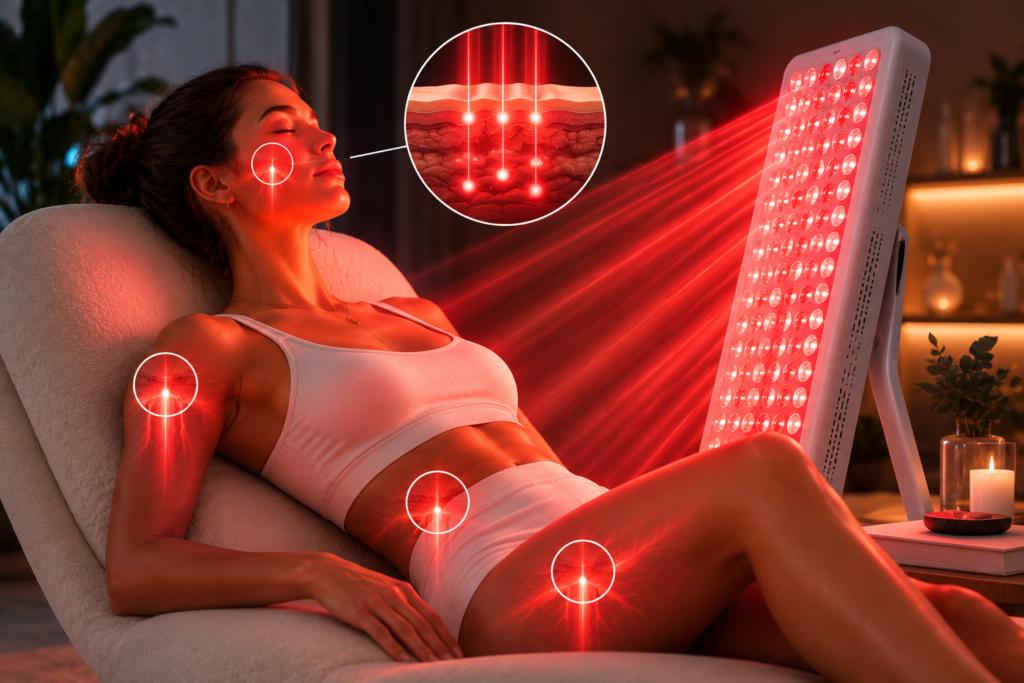
Because the proposed cellular mechanism — light absorbed by mitochondrial targets, gently supporting cellular energy and signaling — is broadly similar across goals, the differences are more about scheduling and convenience than about a fundamentally different protocol. There is no need to overcomplicate it: match the routine to your life and your goal, follow the device’s dosing guidance, and give it time.
Common Mistakes to Avoid
How often to use red light therapy goes wrong in predictable ways — here are the most common missteps. The first is overuse — longer or more frequent sessions in pursuit of faster results, which the biphasic dosing literature suggests can backfire. The second is inconsistency, where sporadic use makes it hard to judge whether anything is working. The third is impatience: abandoning a routine after a few sessions because nothing dramatic happened, when most studies that report benefits run for weeks. A fourth is ignoring distance — sitting much farther from or closer to the device than recommended changes the dose you actually receive, even if your session length stays the same.
Avoiding these mistakes is less about discipline and more about reframing expectations. Red light therapy rewards steady, moderate, well-measured use rather than bursts of enthusiasm.
Safety and Comfort
For most healthy adults, red light therapy at consumer doses is generally considered low-risk, with reported side effects typically mild and temporary, such as brief warmth or mild redness. Sticking to recommended session lengths and frequencies is part of keeping it that way. If you notice persistent discomfort, irritation, or any unexpected reaction, it is sensible to stop and reassess rather than push through.
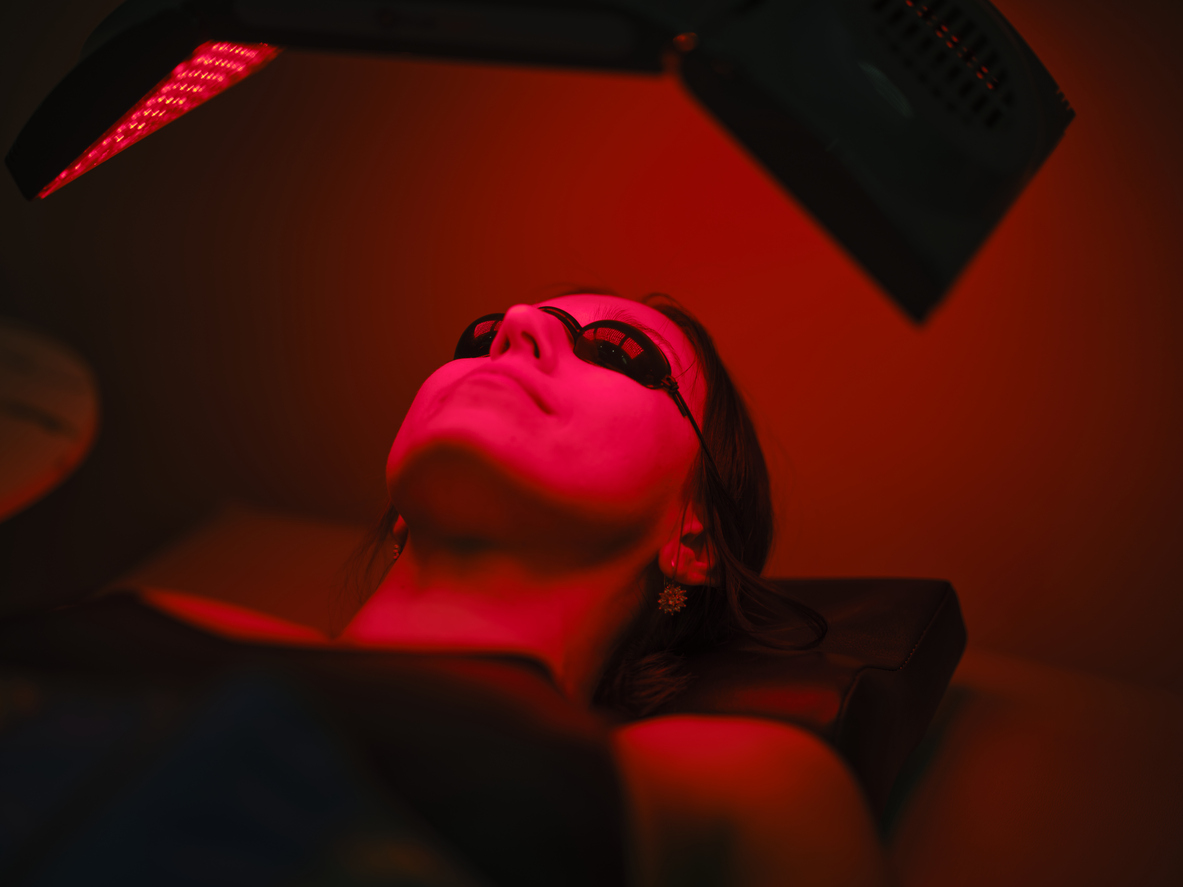
Eye comfort also deserves attention, especially with bright or near-infrared-heavy devices, since near-infrared light is largely invisible and does not trigger the eye’s natural squint reflex. Many people use eye protection as a simple precaution. And as always, red light therapy is not a replacement for medical care; anyone who is pregnant, takes medications that increase light sensitivity, or has a relevant medical or eye condition should consult a healthcare professional before starting a routine.

Setting Realistic Expectations
If there is one mindset that makes figuring out how often to use red light therapy more rewarding, it is patience paired with consistency. The studies that report benefits generally involve weeks of regular use, and the effects, where they occur, tend to be gradual and subtle rather than instant or dramatic. Individual responses also vary considerably; a routine that helps one person may do little for another.
Viewing red light therapy as one supportive habit within a broader routine — alongside good sleep, movement, and sensible skincare — tends to produce a healthier and less disappointing experience than treating it like a switch that delivers overnight change. More research is still needed to pin down optimal protocols for specific goals, which is all the more reason to favor steady, moderate use over experimentation with extreme schedules.
A Simple Starting Framework
If you want a practical answer to how often to use red light therapy, start with your device’s recommended session length and distance and commit to that routine for several weeks before judging it. Resist the urge to extend or stack sessions. Keep the target area of skin bare and the distance consistent so your dose stays steady. Then observe, patiently, how you respond. This unglamorous approach reflects what the dosing research actually supports far better than any promise of rapid transformation.
The Bottom Line
How often you should use red light therapy comes down to moderate, consistent sessions — commonly a few minutes to around twenty per area, several times a week — guided by your specific device and goal. Because of the biphasic dose response, more is not better, and patience over weeks matters more than intensity in any single session. Follow device guidance, keep expectations realistic, and treat red light therapy as a supportive habit rather than a quick fix or a substitute for medical care.
Ready to get your red light therapy device? See our brand and product reviews, and try out our product comparison tool to inform your decision.
Frequently Asked Questions
How long should each red light therapy session be?
It depends on your device and how far you sit from it, but many sessions fall between a few minutes and around twenty minutes per area. Follow your device’s specific guidance, since output and distance change the dose.
Can I use red light therapy every day?
Many people do use it daily in short sessions, and that can be reasonable for some goals. Consistency matters more than frequency, and you should avoid overly long sessions, since more is not necessarily better.
Is it bad to use red light therapy for too long?
Research describes a biphasic dose response, meaning a moderate dose may help while too much can reduce the benefit. Extending sessions well beyond the recommended time is unlikely to help and may be counterproductive.
How soon will I see results?
Effects, when they occur, tend to build gradually over weeks of consistent use rather than after one or two sessions. Patience and a steady routine are more useful than expecting an immediate change.
Does the right frequency depend on my goal?
To some degree, yes. Skin, recovery, and comfort goals can lend themselves to slightly different scheduling, but the underlying approach is similar: follow device guidance, stay consistent, and avoid overdoing it.
Sources
This article is for general educational purposes only and is not medical advice. Red light therapy is not a substitute for professional care. Talk with a qualified healthcare professional about your individual situation.