Red light therapy is generally considered low-risk for most healthy adults at consumer doses, which is part of its appeal. But “most people” is not “everyone,” and a thoughtful approach means recognizing when a quick conversation with a healthcare professional is worth having first. This is not about fear; it is about matching a sensible precaution to your individual situation so you can proceed with confidence.
This guide explains red light therapy who should avoid certain uses or speak with a healthcare professional before starting, including people with specific medications, medical conditions, and other important safety considerations.
Red Light Therapy Who Should Avoid It if Taking Medication?
Some medications increase the skin’s sensitivity to light, a reaction known as drug-induced photosensitivity. Dermatology resources note that a range of common medications can be associated with this effect, including certain antibiotics, some acne treatments, particular diuretics, certain nonsteroidal anti-inflammatory drugs, and others. A detailed review of drug-induced photosensitivity describes how various medications can make the skin react more readily to light exposure.
While much of the established concern around photosensitizing drugs relates to ultraviolet and visible light, the prudent course for anyone taking such a medication is to discuss any light-based practice with a healthcare professional or pharmacist before starting. If you are unsure whether your medication carries a photosensitivity warning, that uncertainty is itself a good reason to ask. A pharmacist can often tell you quickly whether your prescription falls into this category.
Red Light Therapy Who Should Avoid It With Photosensitive Conditions?
Beyond medications, some medical conditions make the skin or body more sensitive to light. Certain autoimmune or skin conditions, for example, can involve heightened light sensitivity, and people with these conditions should be cautious with any practice that involves deliberate light exposure. In these cases, a clinician who knows your history is far better placed than a device manual to advise whether red light therapy is appropriate.
This is a clear instance where individualized advice matters. The same practice that is unremarkable for one person could be inadvisable for someone with a light-sensitive condition, so a brief professional conversation is a sensible safeguard rather than an overreaction.
Red Light Therapy Who Should Avoid It During Pregnancy?
Red light therapy has not been thoroughly studied for safety during pregnancy. In the absence of robust evidence, a cautious, professional-guided approach is appropriate for anyone who is pregnant or trying to conceive. This does not mean it is known to be harmful; it means the data needed to confidently say it is safe in pregnancy are limited.
If you are pregnant and considering red light therapy for any reason, raising it with your obstetric provider is the right first step. They can weigh your specific circumstances and offer guidance tailored to you, which is more reliable than general consumer information.
Red Light Therapy Who Should Avoid It With Eye Conditions?
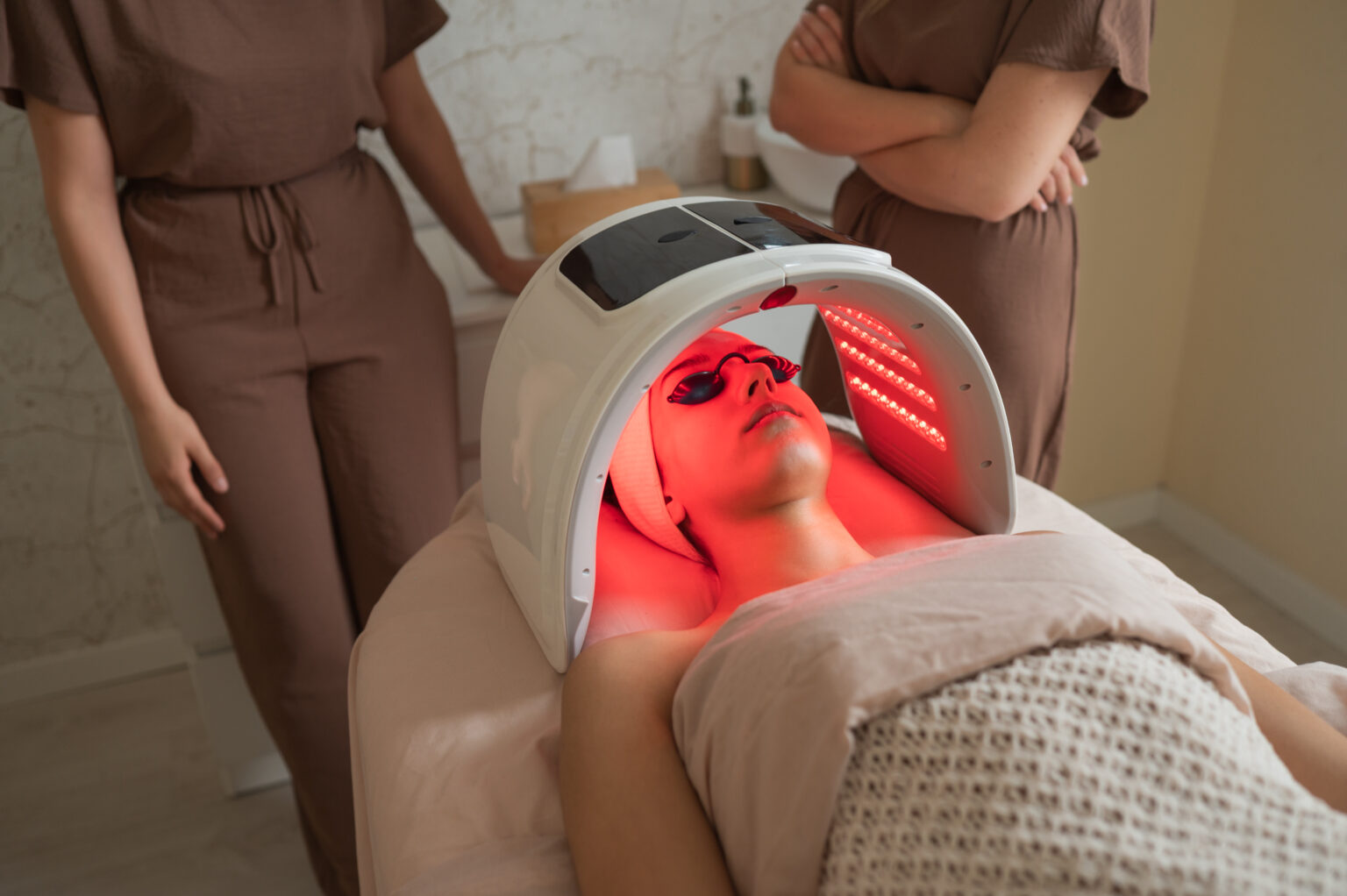
The eyes deserve special mention because near-infrared light is largely invisible and does not trigger the eye’s natural aversion reflex, making eye protection a routine precaution for everyone. For people with existing eye conditions — such as conditions affecting the retina or lens — or those who have recently had eye surgery, the case for caution is stronger still.
If you fall into this group, consulting an eye care professional before using red light therapy near the face is sensible. They can advise on whether the practice is appropriate for you and what eye protection is suitable, given your specific situation. This is a small step that can prevent unnecessary risk to a sensitive and highly individual organ.
Red Light Therapy Who Should Avoid It With Skin Concerns?
Red light therapy should not be applied directly over known skin cancers, moles that are changing, or undiagnosed skin lesions without professional guidance. Any suspicious or changing spot on the skin warrants evaluation by a qualified professional before you consider treating the area with light.
There is a reassuring nuance here. A systematic review examining the oncologic safety of low-level light therapy for aesthetic skin uses did not find evidence that it promotes skin cancer, which is encouraging in the general case. Even so, that reassurance does not replace proper diagnosis: a changing mole or an unexplained skin lesion should be assessed by a dermatologist or physician, not self-treated. Erring on the side of professional evaluation is always the right call for anything that looks new, changing, or suspicious.
Older Adults and Aging Skin
Older adults are a large and growing group of red light therapy users, often drawn to skin-appearance goals. Age itself is not a barrier, but there are sensible considerations. Skin changes naturally with age — becoming thinner and sometimes more fragile or sensitive — as the National Institute on Aging describes in its guidance on skin care and aging. Older adults are also more likely to take multiple medications, some of which may carry photosensitivity warnings, and to have eye conditions that warrant extra eye-protection care.
None of this means older adults should avoid red light therapy. It simply means that the same prompts apply with a little more attention: review your medications for photosensitivity, be mindful of eye health, and check in with a healthcare professional if you have relevant conditions. A brief conversation can help tailor the practice sensibly to changing skin and overall health.

Red Light Therapy Who Should Avoid It and Why
It is worth being clear about the spirit of all this. The point is not to make red light therapy sound dangerous — for most healthy adults at consumer doses, it is generally considered low-risk. The point is that a handful of specific situations genuinely benefit from individualized advice, and recognizing whether you are in one of those situations is simply good self-care.
If none of the categories above apply to you, following your device’s guidance on dosing and eye protection is usually sufficient. If one or more do apply, a short conversation with a doctor, pharmacist, or eye care professional is a small investment that lets you proceed with genuine peace of mind. Either way, red light therapy is a complement to good health habits, not a replacement for medical care.
How to Make the Conversation Useful
If you decide to check in with a professional, a little preparation makes it more productive. Bring a current list of your medications and supplements so any photosensitivity concerns can be reviewed. Mention any relevant conditions, including skin and eye history. Describe the device you are considering, including its wavelengths and how you plan to use it, since that context helps. And ask directly whether there is any reason in your specific case to avoid or modify red light therapy. A focused conversation along these lines usually takes only a few minutes and replaces guesswork with informed reassurance.
The Bottom Line
Understanding red light therapy who should avoid certain uses starts with recognizing that most healthy adults can use consumer devices safely, while some groups should speak with a healthcare professional first. Older adults can benefit from a little extra attention to medications and eye health. Frame this as sensible caution rather than fear, and remember that red light therapy is not a substitute for medical advice or care.
Ready to get your red light therapy device? See our brand and product reviews, and try out our product comparison tool to inform your decision.
Frequently Asked Questions
Who should talk to a doctor before trying red light therapy?
People taking medications that increase light sensitivity, those with photosensitive or relevant medical conditions, anyone who is pregnant, people with eye conditions, and anyone with skin cancers, changing moles, or undiagnosed skin lesions should seek professional advice first.
Can I use red light therapy if I take medication?
Some medications can increase the skin’s sensitivity to light. If you take such a medication, or are unsure, discuss red light therapy with a healthcare professional or pharmacist before starting, since a pharmacist can often check quickly.
Is red light therapy safe during pregnancy?
Its safety in pregnancy has not been well studied. A cautious approach guided by your obstetric provider is appropriate for anyone who is pregnant or trying to conceive, since the data needed to confidently confirm safety are limited.
Can I use red light therapy over a mole or skin spot?
Not without professional guidance. Red light therapy should not be applied directly over known skin cancers, changing moles, or undiagnosed lesions. Any suspicious or changing spot should be evaluated by a qualified professional first.
Do older adults need to take extra precautions?
Age itself is not a barrier, but older adults may take more medications with photosensitivity warnings and are more likely to have eye conditions. Reviewing medications, protecting the eyes, and consulting a professional about relevant conditions are sensible steps.
Does needing to ask a doctor mean red light therapy is dangerous?
No. For most healthy adults at consumer doses it is generally considered low-risk. The recommendation reflects a few specific situations that benefit from individualized advice, framed as sensible caution rather than fear.
This article is for general educational purposes only and is not medical advice. Red light therapy is not a substitute for professional care. Talk with a qualified healthcare professional about your individual situation.