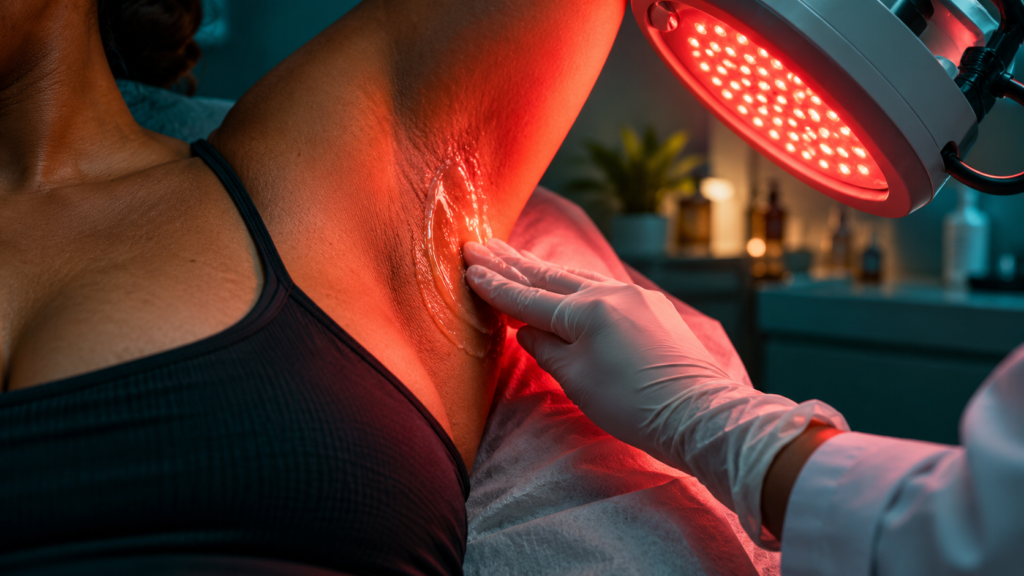
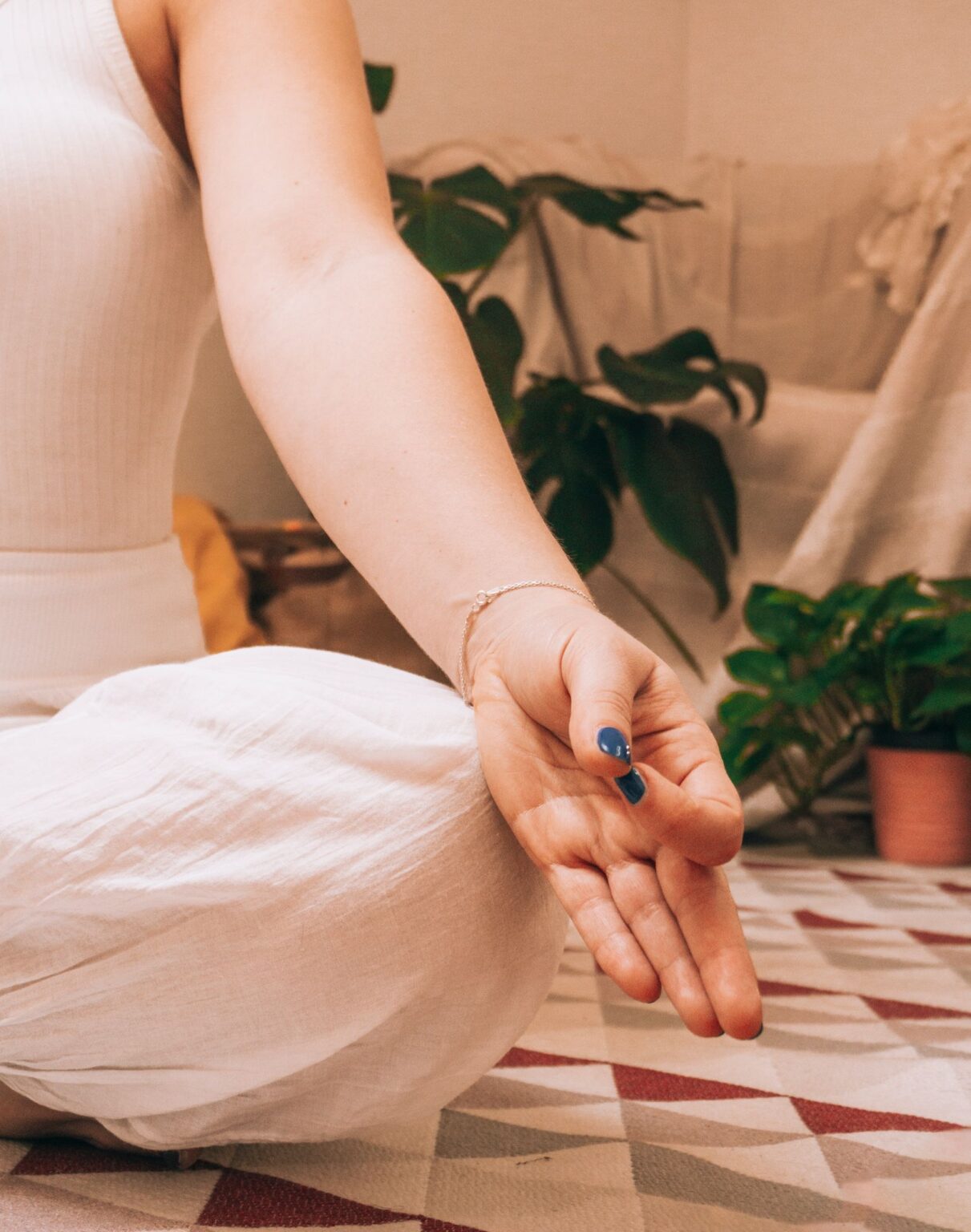
Red light therapy stress is a topic many people are curious about, especially when looking for calming wellness routines. The realistic answer is nuanced. Red light therapy is not a treatment for stress, anxiety, or any condition, but the act of pausing for a quiet, low-light few minutes can become part of a relaxation ritual — provided the real work of managing stress rests on techniques that are actually supported by evidence. This article explains how to think about that balance and how to build a sensible routine.
When discussing red light therapy stress, keep one frame in mind: any value comes from the calming routine you build around a session, not from a proven physiological effect on stress. For ongoing or overwhelming stress, professional guidance and established methods matter far more than any device.
Red Light Therapy Stress: Why Stress Management Matters
Stress is not just a feeling. The American Psychological Association, describing the effects of stress on the body, explains that ongoing stress can affect many systems — including the muscular, cardiovascular, and digestive systems — and that chronic stress can take a real toll over time. That is precisely why finding healthy, sustainable ways to handle stress is worthwhile.
The National Center for Complementary and Integrative Health similarly notes that while short-term stress is a normal part of life, long-term stress can contribute to or worsen health problems, which is why managing it thoughtfully is important. None of this means a single tool fixes stress; it means a steady set of healthy habits is worth building.
What Red Light Therapy Stress Research Actually Supports
It is worth being clear about what actually has support. The American Psychological Association, in its guidance on healthy ways to handle stressors, points to approaches such as tapping into social support, getting regular exercise, prioritizing sleep, practicing relaxation and mindfulness techniques, and reframing unhelpful thoughts. These are the evidence-informed foundations of stress management, and they deserve the central role in any routine.
Red light therapy is not on that list, and that is the key point. The established tools for handling stress are behavioral and lifestyle-based. A light routine can sit alongside them as a pleasant cue, but it should not crowd them out or be mistaken for them.

How Red Light Therapy Stress Fits Into a Relaxation Routine
So where might red light therapy reasonably fit? Think of it as a ritual anchor. Many relaxation practices work partly because they create a consistent signal to the mind and body that it is time to slow down. Lighting a candle, dimming the lights, or settling into a familiar chair can all play that role. A brief, warm-glowing red light session can serve the same function for some people — a few minutes that mark the transition from a busy day into a calmer evening.
Used this way, the device is essentially a prompt for a pause. The relaxation comes from the pause itself, from slowing your breathing, from stepping away from screens and demands. If pairing those calming behaviors with a red light session helps you actually do them consistently, that is a reasonable, modest benefit — with no need to claim the light is treating anything.
Building a Red Light Therapy Stress Routine
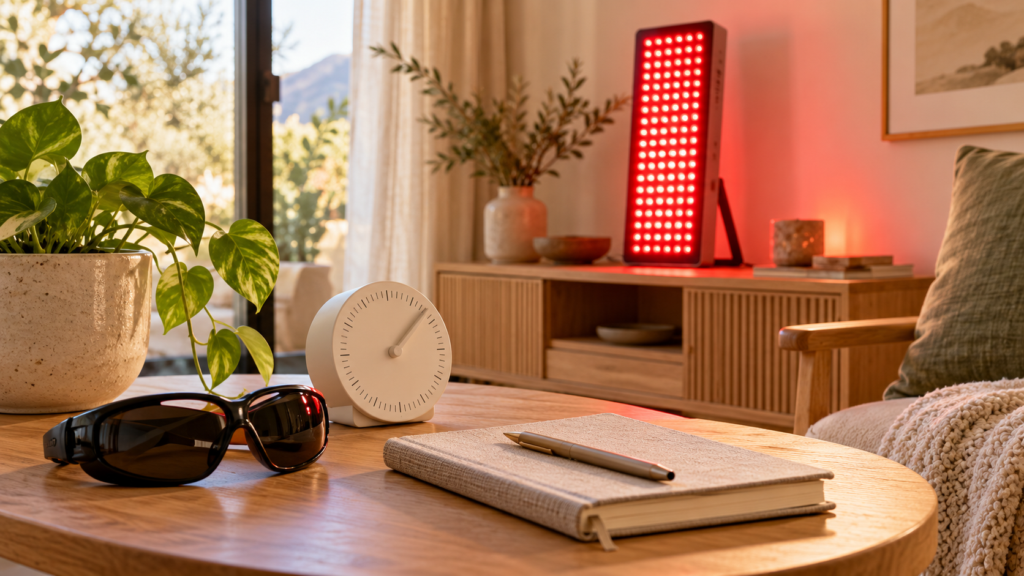
A grounded routine puts proven techniques first and treats red light as an optional ritual cue. You might choose a consistent time, such as the half hour before bed, and begin by reducing bright screens and noise. If you use a red light device for skin or recovery goals, this can be the moment you run a short session, letting it signal that you are winding down.
While the light is on, practice something with real support behind it: slow breathing, a brief mindfulness exercise, gentle stretching, or simply sitting quietly. Afterward, continue the calm tone — a few pages of a book, a warm drink, dim lighting. The session becomes a bookmark in a larger relaxation practice rather than the practice itself.
The most realistic approach to red light therapy stress is pairing it with evidence-based relaxation techniques rather than relying on the light alone.
Keeping Red Light Therapy Stress Expectations Realistic
It helps to be honest with yourself about what to expect. Some people find that a consistent wind-down ritual genuinely helps them feel calmer over time. Others notice little difference. Either way, the benefit, when it exists, comes from the routine and the proven techniques inside it. Red light therapy is not a guaranteed source of calm, and treating it as one sets up disappointment.

Why Red Light Therapy Stress Relief Comes From the Routine
It is worth pausing on why a simple ritual can feel calming at all, because understanding it keeps expectations honest. Much of the value in relaxation practices comes from consistency and from deliberately stepping out of a stressed, reactive state. When you sit down for the same calming sequence each evening, you are giving your mind and body a predictable signal to downshift. The American Psychological Association notes that relaxation and mindfulness techniques are among the healthy ways people can handle stressors, and these techniques work whether or not a light is involved. A red light session can act as the bookend that helps you actually start such a practice, but the practice itself is doing the work.
This framing also protects against a subtle trap. If you tell yourself the light is what relaxes you, you may neglect the breathing, the screen-free quiet, and the consistency that genuinely help. By keeping the credit where it belongs — on the proven behaviors — you are more likely to keep doing them even on days when you skip the device entirely.
Red Light Therapy Stress and Evening Routines
One reason an evening relaxation routine can matter is its link to sleep. Stress and sleep influence each other closely: a tense, wound-up evening can make it harder to fall asleep, and poor sleep can leave you more reactive to stress the next day. Building a calm pre-sleep ritual, with or without a brief light session, supports the transition into rest. If you already use a red light device earlier in the day for skin or recovery goals, anchoring a separate, screen-free wind-down in the evening can complement it. The point is not that the light improves sleep, but that a consistent, calming routine can help you protect the quiet time that good sleep needs.

An Important Caution
Because stress and mental health are closely linked, a clear caution belongs here. Red light therapy is not a replacement for professional mental health care. If stress is persistent, overwhelming, or accompanied by symptoms such as ongoing anxiety, sleeplessness, hopelessness, or difficulty functioning, that is a sign to seek professional support rather than to lean on a wellness device. A primary care provider or mental health professional can help, and the National Center for Complementary and Integrative Health encourages talking with a provider about stress that feels unmanageable.
If stress ever escalates into a crisis or thoughts of self-harm, please reach out immediately by calling or texting the 988 Suicide and Crisis Lifeline at 988. Trained counselors are available any time, and your wellbeing comes before any routine.
Using Red Light Therapy Stress Routines Sensibly
For healthy adults who choose to use a consumer red light device as part of a wind-down ritual, it is generally considered low-risk at typical doses, with mild and temporary side effects such as brief warmth or redness. It is still wise to protect the eyes from bright light, follow the manufacturer guidance on time and distance, and check with a healthcare professional first if you are pregnant, take photosensitizing medication, or have a relevant medical or eye condition.
Above all, keep the device in a supporting role. The heart of stress management is the set of evidence-based habits you build — movement, sleep, connection, relaxation skills — and a light routine is, at most, a gentle cue that helps you practice them.
The Bottom Line
Red light therapy stress routines may help create a calming evening ritual, but the strongest evidence still supports exercise, sleep, mindfulness, and other established stress-management strategies. The real power lies in established stress-management techniques such as exercise, sleep, social support, and mindfulness. Build your routine around those, treat red light as an optional anchor, and seek professional help for stress that feels unmanageable — including the 988 Suicide and Crisis Lifeline in any crisis.
Ready to get your red light therapy device? See our brand and product reviews, and try out our product comparison tool to inform your decision.
Frequently Asked Questions
Does red light therapy stress research show it relieves stress?
Red light therapy is not a treatment for stress. A calm light ritual may help cue relaxation for some people, but the real benefit comes from proven techniques like exercise, sleep, social support, and mindfulness.
How can I use red light therapy as part of a relaxation routine?
A practical red light therapy stress routine treats the light as an optional cue for slow breathing, mindfulness, gentle stretching, or other evidence-based relaxation practices.
What are evidence-based ways to handle stress?
The American Psychological Association points to social support, regular exercise, good sleep, relaxation and mindfulness techniques, and reframing unhelpful thoughts. These should be the foundation of any stress routine.
When should I seek help for stress?
If stress is persistent, overwhelming, or comes with ongoing anxiety, sleeplessness, hopelessness, or trouble functioning, talk with a primary care provider or mental health professional rather than relying on a device.
What if stress becomes a crisis?
If stress escalates into a crisis or thoughts of self-harm, call or text the 988 Suicide and Crisis Lifeline at 988 right away. Trained counselors are available any time, and your safety comes first.
This article is for general educational purposes only and is not medical advice. Red light therapy is not a substitute for professional care. Talk with a qualified healthcare professional about your individual situation.