Red light therapy seasonal mood is a topic many people search for as the days grow shorter and changes in energy and mood become more noticeable. This is one of the most important distinctions to get right in the entire conversation about light and mental health, because the answer is frequently misunderstood. The clinical tool studied for seasonal mood changes is a bright light box viewed through the eyes — not a red or near-infrared photobiomodulation panel aimed at the skin. This article explains that difference clearly and carefully.
Before discussing red light therapy seasonal mood, one point is essential: red light therapy is not a treatment for seasonal affective disorder, and a red light skin panel is not the same as bright light therapy. If you experience a seasonal pattern of low mood, the right path is professional care, not a wellness device.
Red Light Therapy Seasonal Mood: Understanding SAD
The National Institute of Mental Health describes seasonal affective disorder as a type of depression characterized by a recurring seasonal pattern, with symptoms that typically last several months. It most commonly appears in the fall and winter, when daylight hours are shorter, and it is a genuine form of depression — not simply disliking cold weather or feeling a bit flat. As a depressive disorder, it deserves the same seriousness and professional attention as depression at any other time of year.
Because the pattern is linked to the darker months, light has long been part of the clinical conversation. But the specifics of how light is used here are exactly where confusion tends to creep in, so they are worth spelling out precisely.
Red Light Therapy Seasonal Mood: Light Boxes vs. Red Light Panels
Light therapy for seasonal affective disorder, often called bright light therapy, uses a light box that delivers very bright visible light — commonly described at around 10,000 lux — intended to be viewed indirectly through the eyes, usually for a set time in the morning. The mechanism is tied to the eyes and the circadian system: bright light reaching the eyes helps influence the body’s internal clock. This is a specific, clinically studied approach, and it is the kind of light therapy associated with seasonal depression.
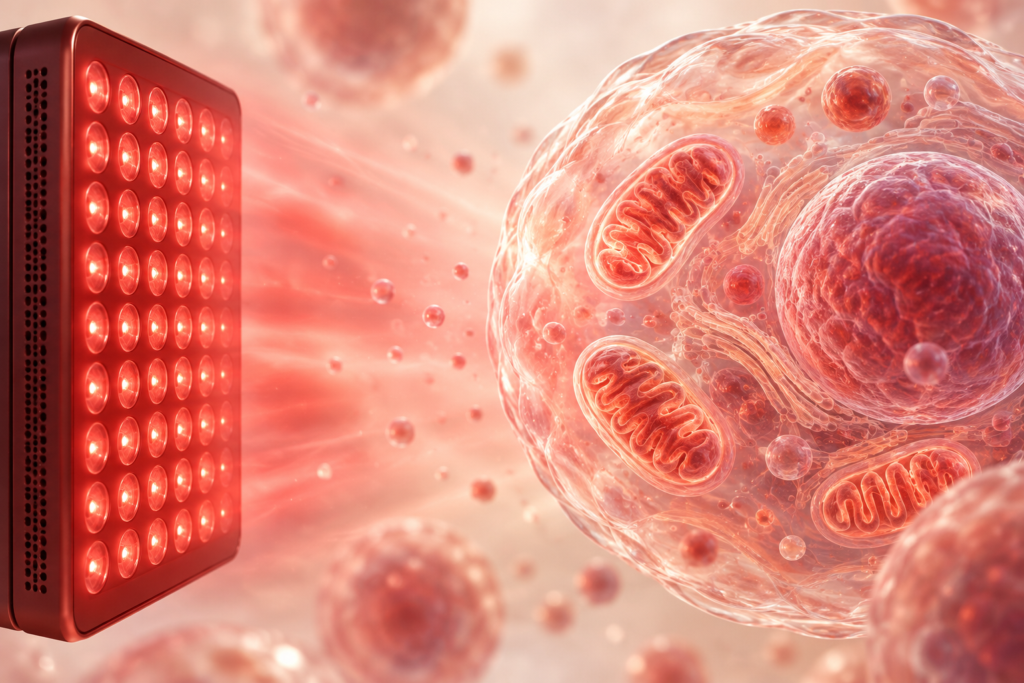
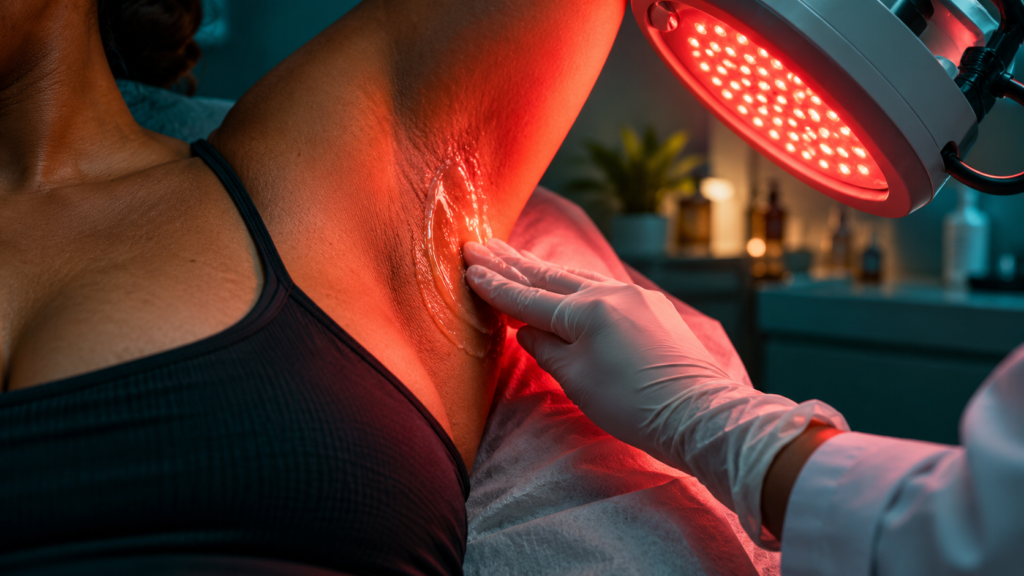
Red light therapy is a completely different thing. It applies red and near-infrared light to the skin, and the leading hypothesis for how it works involves light being absorbed by energy-related processes inside cells — not the eyes, and not the body clock. A red light panel is not a bright light box, does not deliver the kind of bright visible light through the eyes that seasonal light therapy relies on, and is not a treatment for seasonal affective disorder. Mixing these up is the single most important mistake to avoid in this topic.
Why Red Light Therapy Seasonal Mood Differences Matter
This is not a trivial technicality. Someone who buys a red light skin panel expecting it to function like a bright light box for seasonal depression may be relying on the wrong tool for a real medical condition. The two devices differ in what they emit, where the light is directed, the mechanism involved, and the purpose. No reputable source suggests a red or near-infrared skin panel treats seasonal affective disorder, and implying otherwise would be misleading and potentially harmful.

How Red Light Therapy Seasonal Mood Relates to Circadian Rhythms
The reason light is relevant to seasonal mood comes back to the body clock. The National Institute of General Medical Sciences, explaining circadian rhythms, describes how these roughly 24-hour cycles are strongly influenced by light, with signals from the eyes helping to set the body’s master clock. Shorter winter days mean less daylight reaching the eyes, which can disrupt circadian timing and is one factor thought to contribute to seasonal patterns in some people.
This is precisely why the clinical approach for seasonal affective disorder centers on bright light through the eyes — it targets that circadian, eye-based pathway. It is also why a skin-directed red light panel does not fit the same role: it does not act on the body clock through the eyes. Understanding the mechanism makes the device distinction click into place.

A Clear Caution and the Importance of Professional Care
Because seasonal affective disorder is a form of depression, the caution here is firm. Red light therapy is not a replacement for professional mental health care, and it is not a treatment for seasonal depression. If you notice a recurring seasonal pattern of low mood, low energy, changes in sleep or appetite, or loss of interest in things you usually enjoy, that is a reason to talk with a healthcare professional. They can provide an accurate diagnosis and discuss evidence-based options, which may include approaches such as light therapy with an appropriate device, talk therapy, or medication, tailored to you.
The National Institute of Mental Health also offers practical guidance on caring for your mental health and on finding help, which can be a useful starting point. And if a seasonal low ever deepens into a crisis or thoughts of self-harm, please reach out immediately by calling or texting the 988 Suicide and Crisis Lifeline at 988, where trained counselors are available at any hour.

Healthy Habits Beyond Red Light Therapy Seasonal Mood
Alongside professional care, there are ordinary habits that support overall wellbeing through the darker months, and they are worth distinguishing from any device claim. The National Institute of Mental Health, in its guidance on caring for your mental health, highlights practices such as staying physically active, keeping a regular routine, staying connected to others, and prioritizing sleep. None of these require a special gadget, and all of them support the foundations that mood rests on.
Getting natural daylight earlier in the day is particularly relevant in winter, since shorter days mean less light reaching the eyes. A short walk outdoors in the morning, or time near a bright window, works through the same eye-and-body-clock pathway that the clinical light-box approach targets. These habits are not a substitute for professional treatment of a seasonal mood disorder, but they are sensible, low-cost ways to support yourself, and they have nothing to do with shining a red light panel on the skin.
Understanding red light therapy seasonal mood also means recognizing that natural daylight reaching the eyes plays a very different role than skin-directed red light.
Choosing the Right Tool for Red Light Therapy Seasonal Mood
The reason this article keeps returning to the device distinction is that seasonal affective disorder is a real medical condition, and using the wrong tool can mean going without effective help. Someone who assumes a red light skin panel will lift a seasonal depression may delay seeking care that actually works, while a months-long depressive episode continues. The kinder, safer path is to recognize the limits of any wellness device, to take seasonal mood changes seriously, and to let a professional guide the choice of treatment — whether that involves an appropriate light therapy device used as directed, talk therapy, medication, or a combination.
Using Red Light Therapy Seasonal Mood Information Wisely
None of this means a red light therapy device is off-limits for the goals it is actually used for, such as skin appearance or recovery. For healthy adults at consumer doses, it is generally considered low-risk, with mild and temporary side effects. The key is simply to understand what it is and is not: a skin-directed wellness tool, not a seasonal depression treatment and not a substitute for bright light therapy or professional care.
If you are managing seasonal mood changes, let the proven, professionally guided approaches lead. A red light routine, if you enjoy it for other reasons, is at most a separate, pleasant habit — never a stand-in for the care a seasonal mood disorder deserves.
The Bottom Line
Current evidence does not support red light therapy seasonal mood claims for treating seasonal affective disorder, which is typically addressed with bright light therapy delivered through the eyes under professional guidance. Red light therapy does not treat seasonal mood changes and is not the same as bright light therapy. If you experience a seasonal pattern of low mood, seek professional care, and remember that the 988 Suicide and Crisis Lifeline is available any time by call or text.
Ready to get your red light therapy device? See our brand and product reviews, and try out our product comparison tool to inform your decision.
Frequently Asked Questions
What does red light therapy seasonal mood research show?
No. Current red light therapy seasonal mood research does not support using red light therapy to treat seasonal affective disorder. Bright light therapy delivered through the eyes is a different clinical approach.
What is the difference between a light box and a red light panel?
A bright light box delivers intense visible light (often around 10,000 lux) to be viewed through the eyes to influence the body clock. A red light panel applies red and near-infrared light to the skin, a different mechanism and purpose.
Why is bright light used for seasonal depression?
Because the seasonal pattern is linked to shorter days and less daylight reaching the eyes, which can disrupt the body clock. Bright light therapy targets that eye-based circadian pathway under professional guidance.
Is a red light therapy panel the same as bright light therapy?
No. Understanding red light therapy seasonal mood begins with recognizing that bright light therapy and red light therapy use different types of light, different mechanisms, and different clinical purposes.
What should I do if I notice seasonal mood changes?
Talk with a healthcare professional for an accurate diagnosis and evidence-based options. See NIMH guidance on caring for your mental health, and if you are in crisis, call or text the 988 Suicide and Crisis Lifeline at 988.
This article is for general educational purposes only and is not medical advice. Red light therapy is not a substitute for professional care. Talk with a qualified healthcare professional about your individual situation.