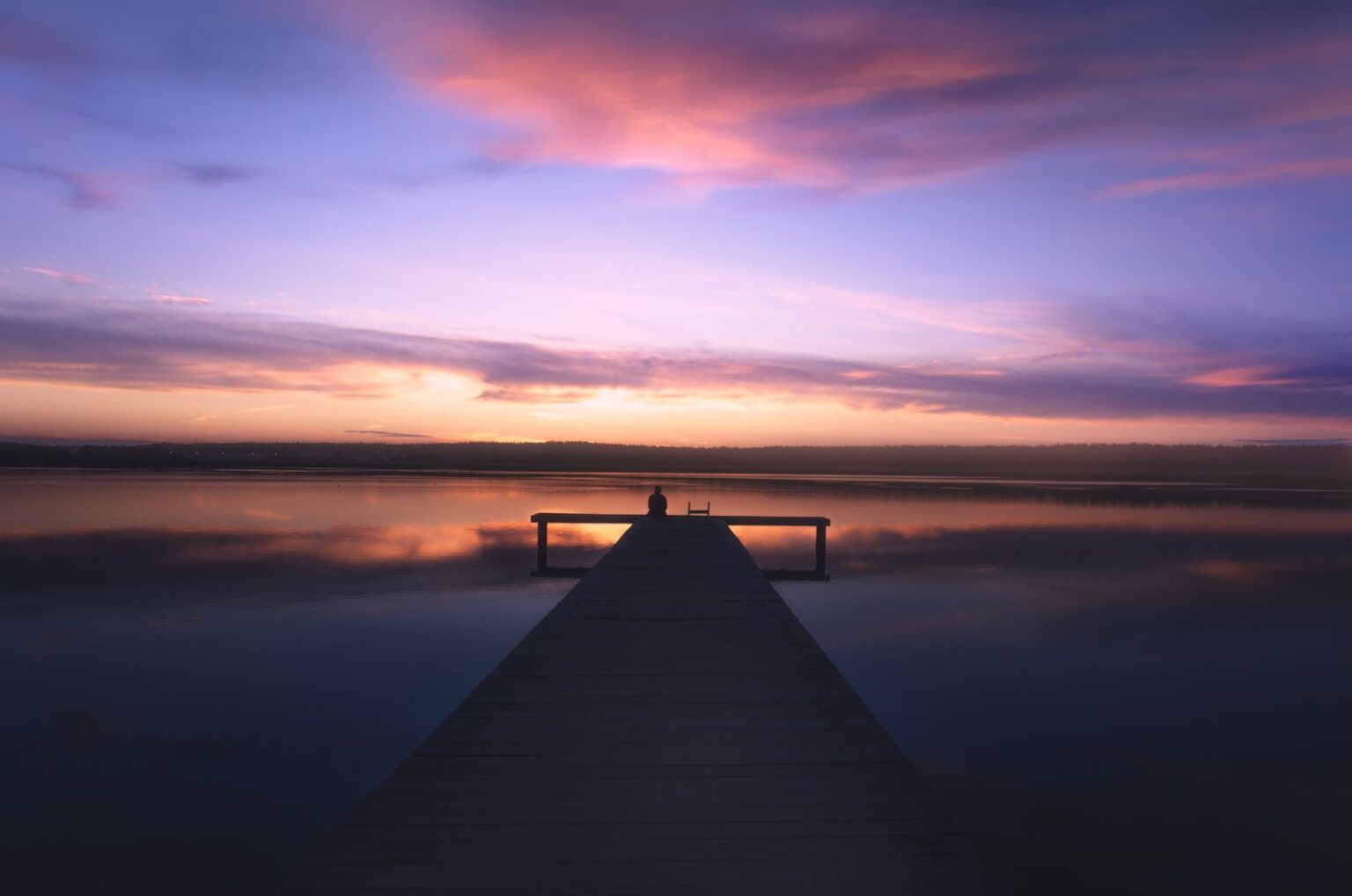
A red light therapy relaxation ritual is becoming a popular way for some people to mark the transition from a busy day to a calmer evening. A warm shower, a cup of tea, dimmed lights, a few pages of a book — small rituals like these help the mind shift from doing to resting. Some people are now adding a few minutes of red light to that wind-down sequence, drawn by its soft, warm glow. This article looks honestly at how red light therapy might fit into a relaxation ritual, and, just as importantly, where the real, evidence-backed calm actually comes from.
The most effective red light therapy relaxation ritual keeps evidence-based relaxation practices at its center, with red light serving only as an optional ambient cue. Red light, if you choose to include it, is best understood as an optional ambient cue — a pleasant part of the setting, not a treatment for stress, anxiety, or any mental health condition.
What Is a Red Light Therapy Relaxation Ritual?
A relaxation ritual is simply a repeatable set of cues and actions that tells your body and mind it is safe to unwind. The power of a ritual comes partly from its consistency: when you repeat the same gentle sequence each evening, it becomes easier over time to slip into a calmer state. The National Center for Complementary and Integrative Health describes a range of approaches for managing stress, including relaxation techniques and mindfulness practices that have been studied for their calming effects.
What makes a ritual effective is not any single object in the room. It is the deliberate act of stepping away from stimulation, slowing your breathing, and giving your attention something soothing to rest on. That is why the foundation of any wind-down routine should be practices with real support behind them, with sensory touches like soft lighting playing a supporting role. A successful red light therapy relaxation ritual depends far more on consistency and calming habits than on the light itself.
Where Red Light Therapy Relaxation Rituals Fit
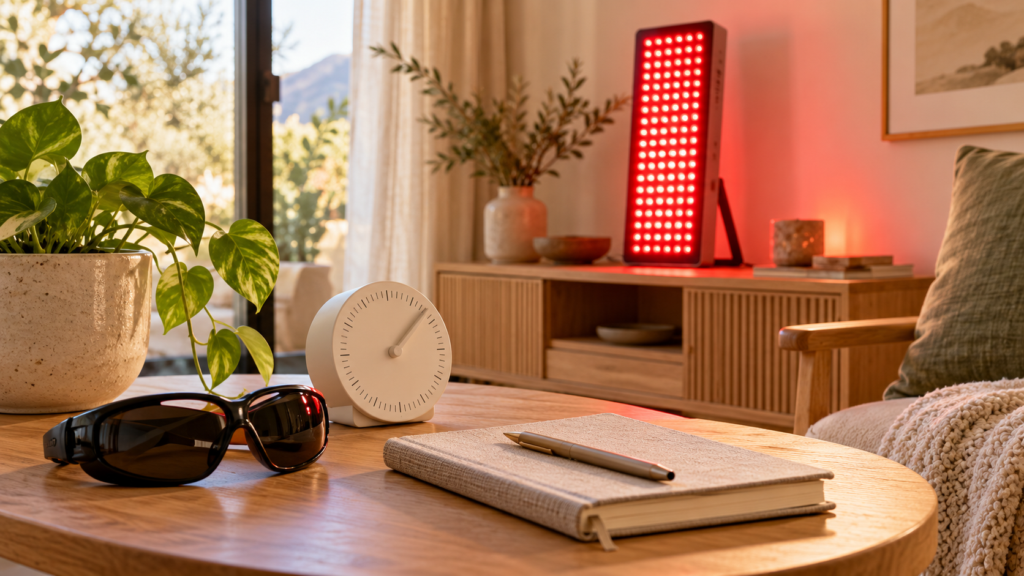
Bright, blue-rich light from screens and overhead bulbs tends to feel stimulating, which is part of why dimming the lights in the evening feels relaxing. A warm, low red glow is the opposite of harsh overhead lighting, and for some people that soft ambiance simply feels pleasant and calming to be around. Used this way, a red light panel becomes part of the scenery of winding down, much like a candle or a dimmer switch.
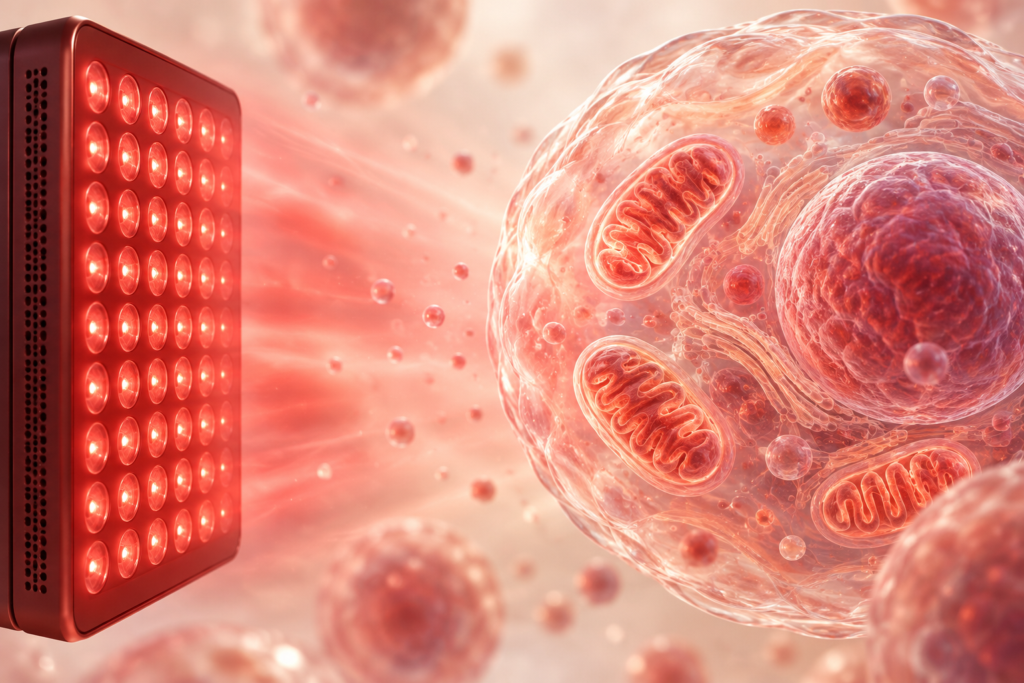
It is worth being clear about what this is and is not. Cleveland Clinic explains that red light therapy uses low levels of red and near-infrared light and is studied mainly for skin and tissue-related goals; it is not established as a treatment for mood or stress. So if a soft red glow helps set a calming mood for you, that is a reasonable sensory preference — not evidence that the light itself relieves stress or anxiety.
An Honest Caution
Red light therapy is not a treatment or cure for any mental health condition, and it is not a substitute for professional mental health care. If you are struggling with persistent stress, anxiety, low mood, or thoughts of self-harm, please reach out to a qualified professional. In the United States, you can call or text the 988 Suicide and Crisis Lifeline at any time. A relaxation ritual can be a comforting part of daily life, but it is not a replacement for support when you need it.
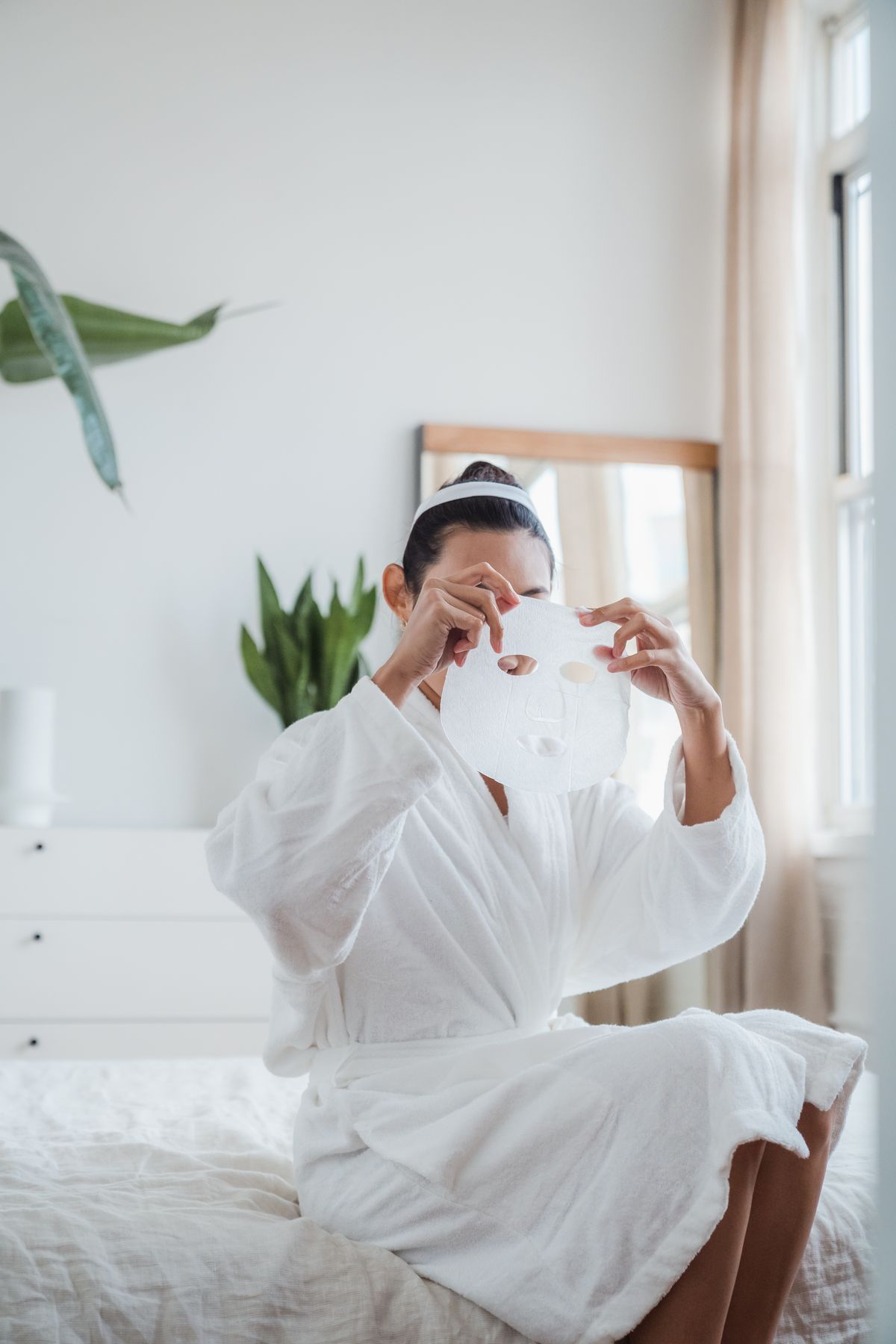
What Makes a Red Light Therapy Relaxation Ritual Effective
If your goal is genuine calm, the strongest evidence points to a handful of established practices. The American Psychological Association outlines healthy ways to handle stress, including staying connected to supportive people, getting regular physical activity, prioritizing sleep, setting limits on stressors where possible, and using relaxation techniques such as slow breathing. These are the workhorses of stress management, with research behind them.
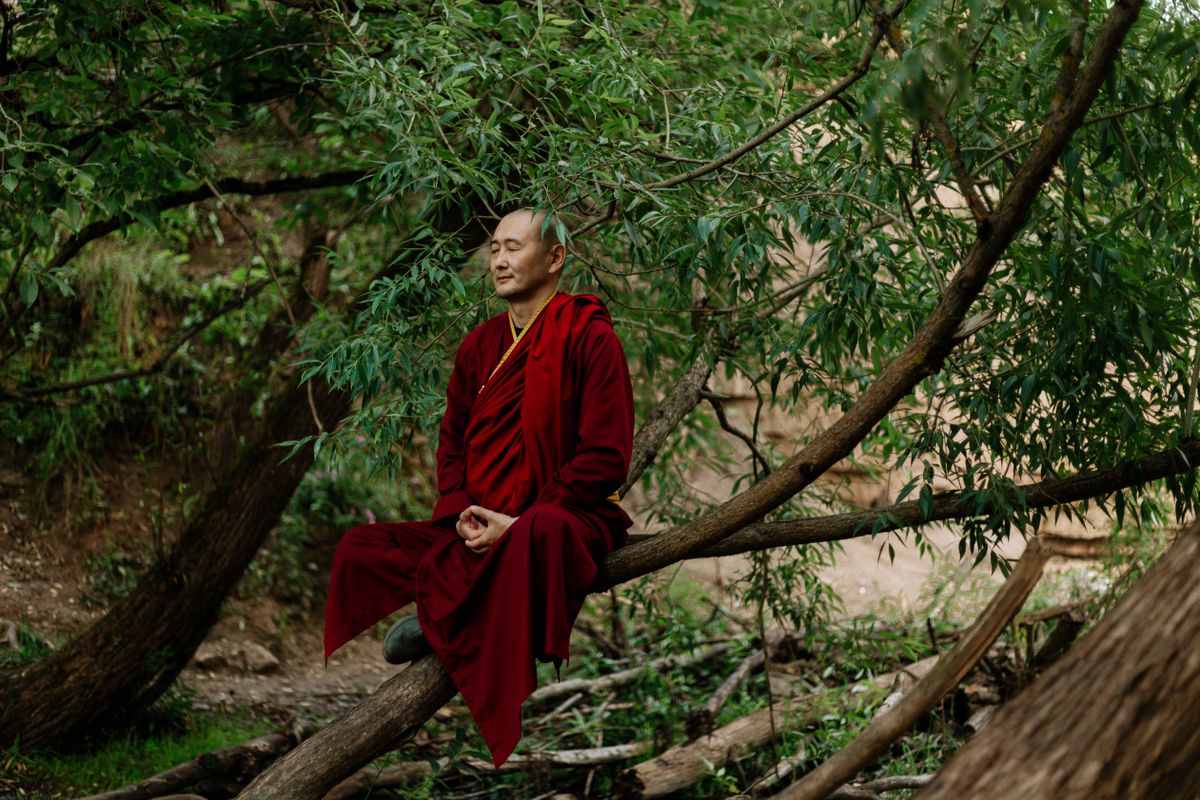
Mindfulness and meditation are another well-studied avenue. The National Center for Complementary and Integrative Health notes that meditation and mindfulness practices may help with stress and general wellbeing for some people, while also being candid that effects vary and the research is still developing. The takeaway is encouraging but measured: these practices are reasonable, low-risk tools, and they belong at the center of a relaxation ritual rather than at its edges.
Building a Red Light Therapy Relaxation Ritual
A thoughtful wind-down routine might combine several of these elements into a sequence you can repeat. You could begin by lowering the lights and silencing notifications, then spend a few minutes on slow, deliberate breathing or a short mindfulness practice.
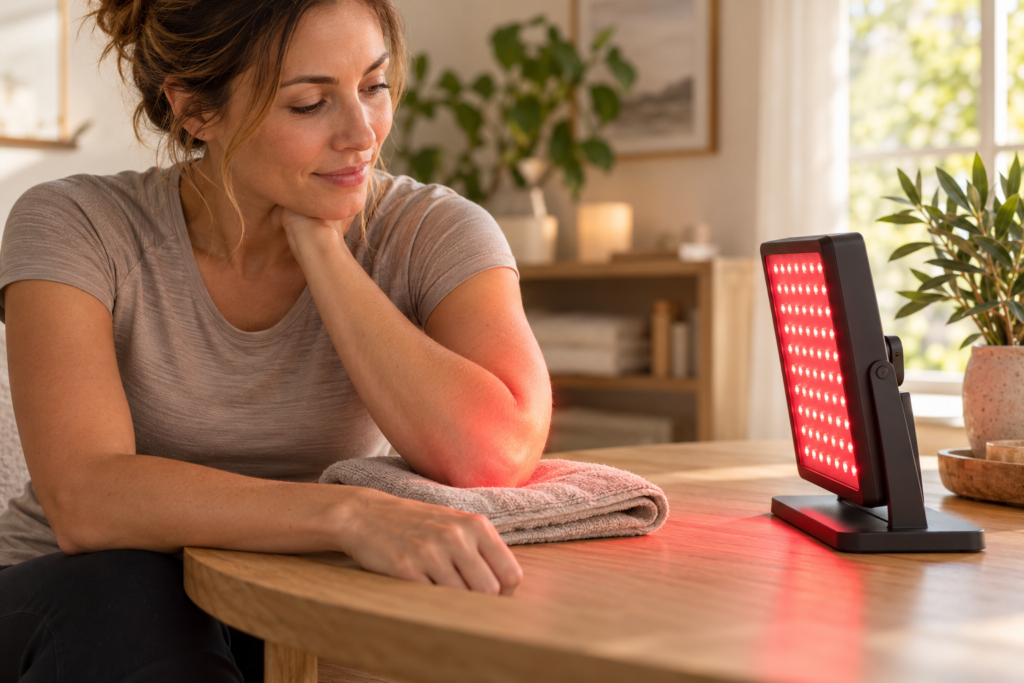
You might stretch gently, journal, or read something undemanding. If you enjoy the ambiance of a soft red glow and choose to run a red light device for a few minutes, you can fold that in as part of the setting — perhaps while you breathe or stretch — following the manufacturer’s guidance on time and distance.
The order is less important than the consistency and the intention. By keeping the evidence-backed practices at the heart of the ritual, you ensure that the routine is genuinely supporting your wellbeing, with any sensory extras simply making the experience more pleasant. The best red light therapy relaxation ritual is one you can repeat consistently without relying on the device itself for stress relief.
Keeping Red Light Therapy Relaxation Ritual Expectations Realistic
It helps to remember what a relaxation ritual can and cannot do. A consistent wind-down routine may make it easier to transition out of a busy day and into rest, and that can be meaningfully comforting. But no evening ritual, and certainly no light device, can resolve chronic stress, untreated anxiety, or a mental health condition on its own. The American Psychological Association also describes how ongoing stress can affect the body, which is one more reason to take persistent stress seriously rather than relying on a routine alone.
Approached with honest expectations, red light is neither a miracle nor a mistake within a relaxation ritual. It is simply one optional, low-stakes sensory element. The calm you feel comes mostly from the deliberate act of slowing down and from practices that genuinely support stress management.
Why Consistency Matters in a Red Light Therapy Relaxation Ritual
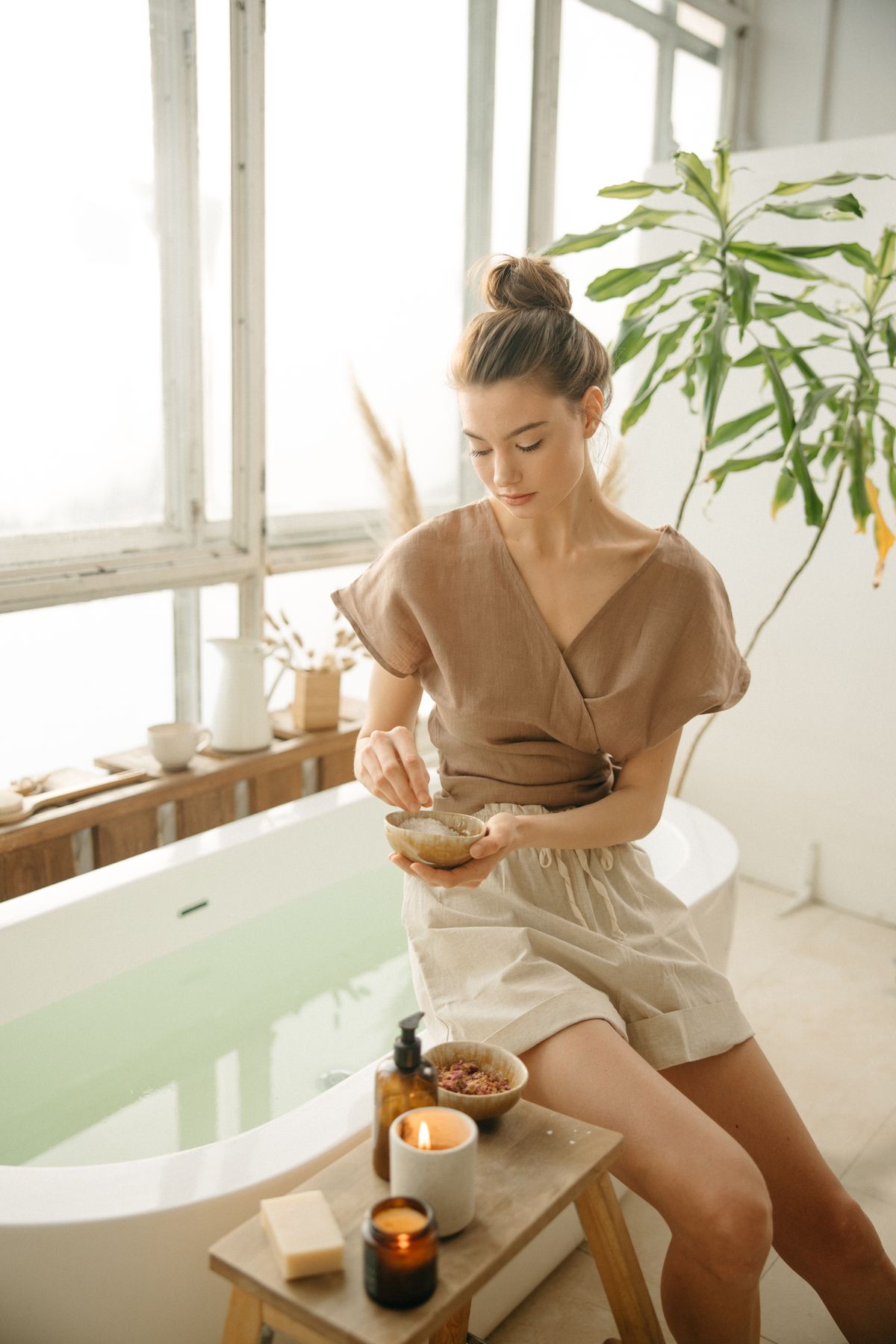
One of the most useful things to understand about relaxation rituals is that their value grows with repetition. A single calming evening is pleasant, but a ritual repeated night after night begins to act as a dependable signal that the day is ending and rest is coming. Over time, that predictability can make the transition into sleep and recovery feel smoother. This is also why it is wise to build a ritual around elements you can realistically sustain, rather than an elaborate routine that becomes a chore.
Within this picture, the question of whether to include a red light device becomes refreshingly low-stakes. If the soft glow makes the ritual more enjoyable and therefore more likely to stick, that is a reasonable, if modest, contribution. If it feels like one more gadget to manage, it is perfectly fine to leave it out. The ritual does not depend on it, and neither does your wellbeing. What matters is the consistent practice of slowing down with intention.
When a When a Red Light Therapy Relaxation Ritual Isn’t EnoughIs Not Enough
It is also important to recognize the limits of any evening routine. A relaxation ritual can help you decompress from ordinary daily stress, but persistent anxiety, low mood, difficulty functioning, or distress that does not lift are signals that deserve more than a wind-down sequence.
The American Psychological Association notes that ongoing stress can take a real toll on the body over time, which is one reason not to dismiss stress that lingers. In those situations, the most caring response is to seek support from a qualified professional rather than to ask a routine to carry weight it cannot bear. Treating a ritual as a complement to that support, never a replacement for it, keeps your expectations honest and your wellbeing protected.
Safety Notes for the Light Itself
If you do choose to include a red light device in your evening routine, a few sensible precautions apply. For most healthy adults, red light therapy at consumer doses is generally considered low-risk, with side effects that are typically mild and temporary, such as brief warmth or redness. Protect your eyes from bright light, follow the device instructions, and consider speaking with a healthcare professional first if you are pregnant, take medications that increase light sensitivity, or have a relevant medical or eye condition.
The Bottom Line
A red light therapy relaxation ritual can be a pleasant part of an evening routine, but the real benefits come from evidence-based relaxation practices—not the light itself. But the relaxation that matters comes from the practices themselves — slowing down, breathing, mindfulness, connection, movement, and rest. Red light therapy is not a treatment for stress or any mental health condition and is not a replacement for professional care. Keep the evidence-based practices at the center, treat the light as optional scenery, and reach out for support — including the 988 Suicide and Crisis Lifeline — whenever you need it.
Ready to get your red light therapy device? See our brand and product reviews, and try out our product comparison tool to inform your decision.
Frequently Asked Questions
A red light therapy relaxation ritual can be a pleasant part of an evening routine, but the real benefits come from evidence-based relaxation practices—not the light itself.
A red light therapy relaxation ritual is not a treatment for stress or anxiety. If it feels calming, that benefit is most likely due to the surrounding relaxation practices, not the light itself. It is not a treatment for any mental health condition.
How would I add red light to an evening wind-down routine?
A red light therapy relaxation ritual can include a few minutes of soft red light alongside slow breathing, mindfulness, stretching, or reading, while keeping those evidence-based practices as the focus. Keep evidence-based practices, such as breathing or mindfulness, at the center of the ritual, with the light as an optional sensory extra.
Is a relaxation ritual a substitute for therapy or professional care?
No. A relaxation ritual can be a comforting daily habit, but it is not a replacement for professional mental health care. If you are struggling with persistent stress, anxiety, or low mood, reach out to a qualified professional. In the US, you can call or text the 988 Suicide and Crisis Lifeline at any time.
What actually helps with everyday stress?
Established approaches include staying connected to supportive people, regular physical activity, prioritizing sleep, setting limits on stressors, and relaxation or mindfulness techniques. These have research behind them and form the core of effective stress management.
Is it safe to use a red light device in the evening?
For most healthy adults at consumer doses it is generally considered low-risk, with mild, temporary side effects such as brief warmth or redness. Protect your eyes, follow device instructions, and consult a healthcare professional first if you are pregnant, photosensitive, or have a relevant medical or eye condition.
This article is for general educational purposes only and is not medical advice. Red light therapy is not a substitute for professional care. Talk with a qualified healthcare professional about your individual situation.