Type red light therapy for weight loss into a search bar, and you will meet a flood of confident promises sitting alongside a much quieter, more careful body of science. The gap between the two is wide, and it matters because weight is a sensitive subject, and false hope is easy to sell. This article takes a deliberately cautious approach. It explains what red light therapy is, what the limited research has shown about body measurements, and why, when it comes to managing weight, the foundations remain nutrition, physical activity, sleep, and behavior.
The most important point belongs at the top: red light therapy for weight loss claims are not supported by reputable science. It does not melt, burn, or destroy fat, it is not shown to cause weight loss, and no reputable source supports the idea that shining light on the body makes the pounds disappear. At most, some research has explored whether it might modestly affect the appearance of a treated area over a few weeks. That is a narrow and very different claim, and keeping it narrow is the honest way to discuss this topic.
What Red Light Therapy Actually Is
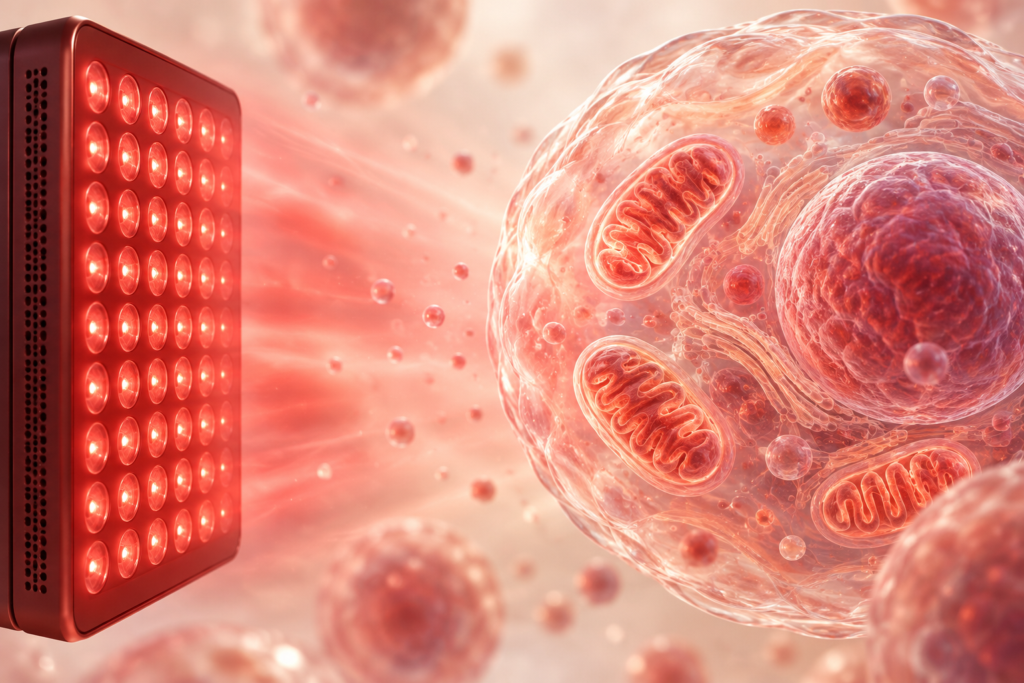
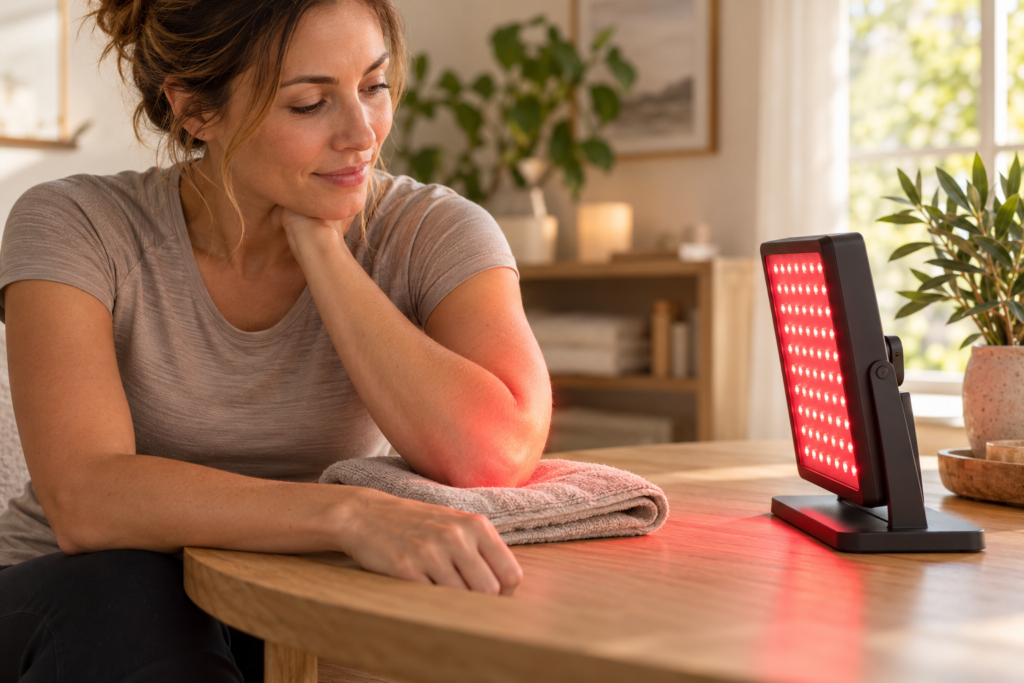
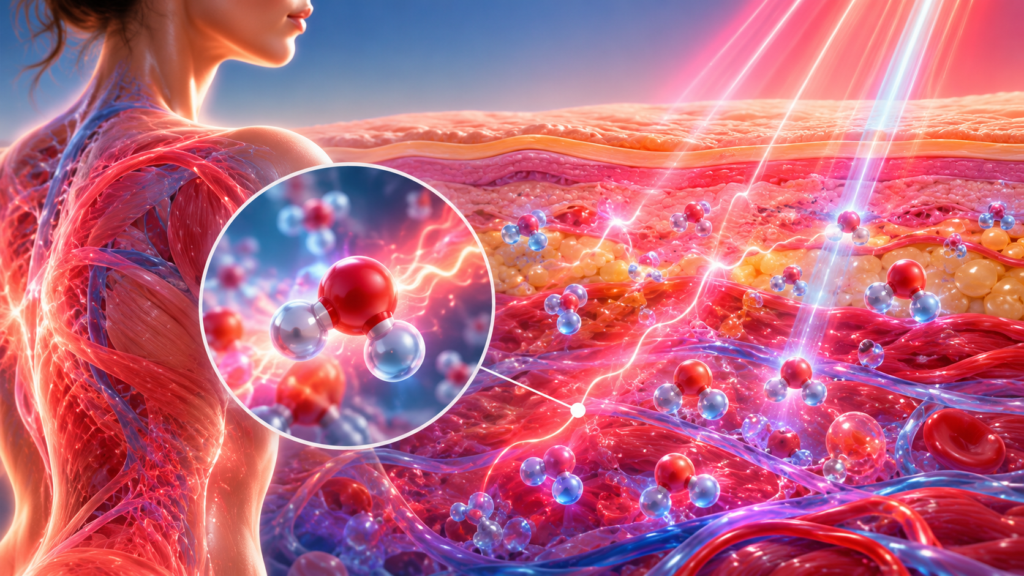
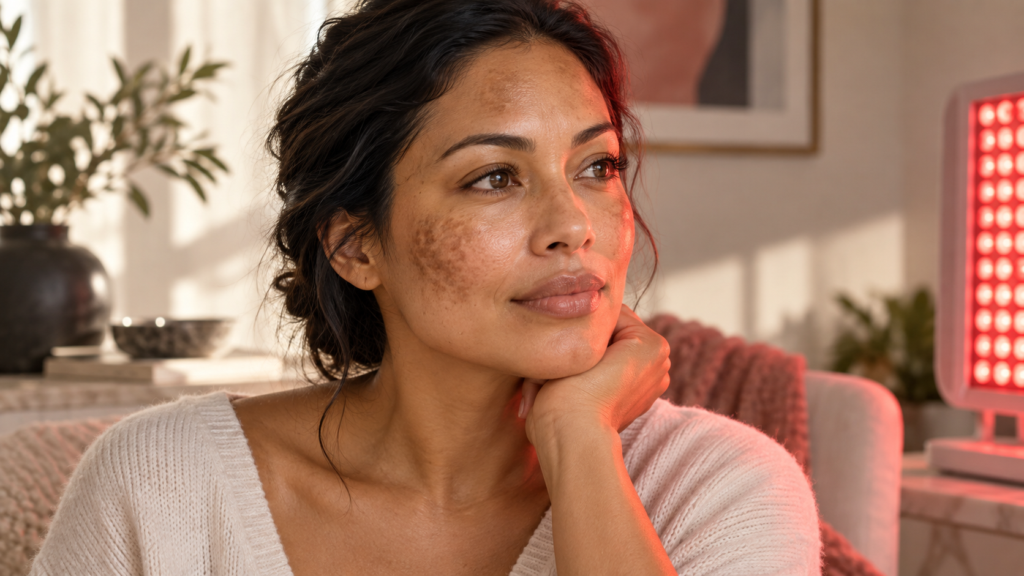
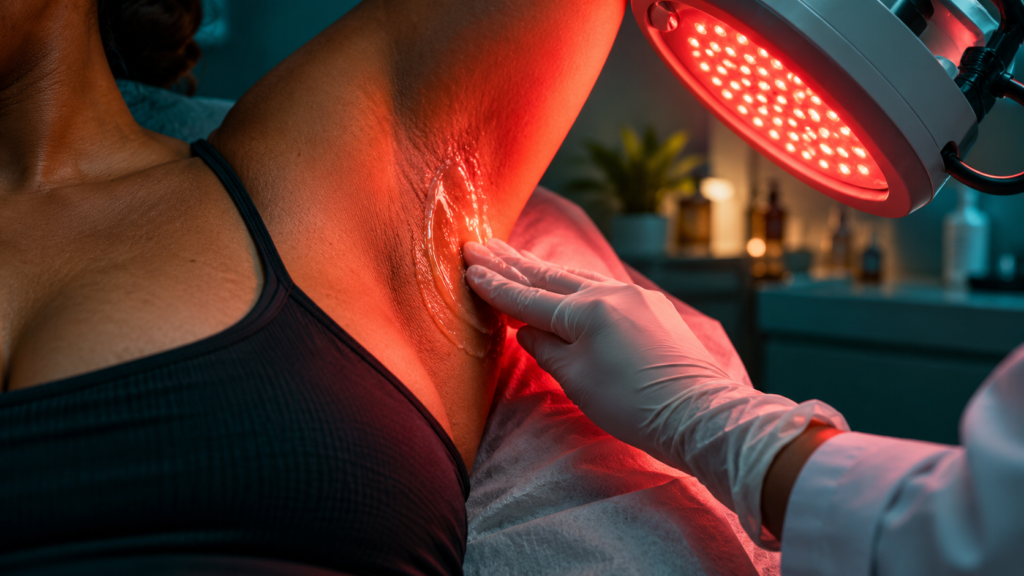
Red light therapy — also called photobiomodulation or low-level light therapy — uses low doses of red and near-infrared light delivered to the skin. According to Cleveland Clinic, it uses low levels of red or near-infrared light to influence cells without damaging the skin, and it does not contain the ultraviolet rays that cause sunburn or tanning. Devices range from small handheld units to large panels and clinic-based systems.
The practice is most often studied and discussed in the context of skin appearance. When it comes to weight, Cleveland Clinic is blunt: there is no scientific evidence to support red light therapy for weight loss. That single sentence from a major medical center is the most useful anchor for any red light therapy weight loss conversation.
Circumference Is Not the Same as Weight Loss
So, where do red light therapy weight loss claims actually come from? They trace back to a small set of body-contouring studies that measured something specific and limited: the circumference of treated areas, such as the waist, hips, or thighs, usually over just a few weeks. A randomized, controlled study by Jackson and colleagues, for example, ran for two weeks in about sixty volunteers and reported a reduction in combined circumference measurements of the treated regions. Its own conclusion was carefully worded: the data suggest the therapy can reduce overall circumference measurements of specifically treated regions.
It is essential to understand what that does and does not mean. A change in the tape-measure reading around a treated spot is not the same as losing body fat, losing weight on the scale, or changing the body as a whole. The Jackson study did not claim weight loss, and notably, when participants were measured again a couple of weeks after treatment ended, some of the change had already reversed. Effects measured this way can be small and short-lived.

Why the Evidence Is Weaker Than the Marketing
Beyond the circumference distinction, the red light therapy weight loss research itself has real limits. A review of the efficacy of low-level laser therapy for body contouring and spot fat reduction notes plainly that scientific studies of its effectiveness, and of the mechanism by which it might affect fat cells, are lacking. Many individual trials are small, short, or conducted in commercial contexts, and they use different devices and settings, which makes results hard to compare.
A separate comprehensive review of low-level laser therapy for fat layer reduction reaches a similarly modest conclusion: while some studies report effects, the evidence for the therapy as a stand-alone procedure is inadequate, and the mechanism of action remains unclear and even somewhat controversial. In other words, the people who study this most closely are calling for caution, not celebration.
What This Means for Real Expectations
Putting the pieces together gives a grounded picture of red light therapy for weight loss expectations. Some short studies have measured modest, sometimes temporary changes in the circumference of treated areas. That is not the same as fat loss or weight loss, the mechanism is uncertain, the trials are often small and brief, and major reviews say the stand-alone evidence is not strong. So the most honest framing is this: red light therapy may, at most, be explored as a possible adjunct for the appearance of a specific treated area, within a healthy lifestyle. It is not a weight-loss method.
A Prominent Word of Caution
Because red light therapy for weight loss claims touch both health and self-image, a clear caution belongs front and center. No light device can substitute for the basics of weight management, and any product or clinic promising effortless fat loss, melted fat, or guaranteed results is making claims the evidence does not support. Real, lasting change in weight comes from sustained habits, not from a light source. Red light therapy is not a replacement for medical care, and anyone with health concerns about their weight should speak with a qualified professional.

What Actually Supports Weight Management
The reassuring part is that the things that genuinely help are well established and within reach. The Centers for Disease Control and Prevention describes healthy weight loss as a lifestyle built on healthy eating patterns, regular physical activity, enough sleep, and stress management, with gradual, steady progress of about one to two pounds a week being more sustainable than rapid drops. The CDC also notes that even modest weight loss — around five percent of starting weight — can meaningfully improve markers like blood pressure, cholesterol, and blood sugar.
These fundamentals are not glamorous, and they will never trend the way a gadget does. But they are what the science actually supports. If a brief red light session is something a person enjoys for skin or recovery goals, it can sit alongside those habits as a minor extra — never as the engine of weight change.
Using Red Light Therapy Sensibly
For healthy adults who choose to use a consumer device for the goals it is genuinely associated with, red light therapy at typical doses is generally considered low-risk, with side effects that tend to be mild and temporary, such as brief warmth or redness. Cleveland Clinic notes it appears safe when used short-term and as directed, though long-term safety of home devices is not fully known and misuse can harm skin or unprotected eyes. Sensible steps include protecting the eyes, following the device guidance on time and distance, and checking with a healthcare professional first if you are pregnant, take medication that increases light sensitivity, or have a relevant medical condition.
Keep its role honest — red light therapy weight loss is not a thing the evidence supports, so let nutrition, movement, sleep, and behavior do the real work.
The Bottom Line
Red light therapy for weight loss is not supported by science — this is a low-intensity, light-based wellness practice, not a proven fat-loss treatment. The studies behind the weight-related buzz mostly measured small, sometimes temporary changes in the circumference of treated areas, which is not the same as losing fat or weight, and major reviews call the stand-alone evidence inadequate with an unclear mechanism. Approached honestly, it may at most be a possible adjunct for the appearance of a treated area within a healthy lifestyle — while nutrition, activity, sleep, and behavior remain the foundation, and a professional remains the right guide for real concerns about weight.
Ready to get your red light therapy device? See our brand and product reviews, and try out our product comparison tool to inform your decision.
Frequently Asked Questions
Does red light therapy cause weight loss?
No. There is no scientific evidence that red light therapy causes weight loss. Red light therapy weight loss is not something the evidence supports.
Can red light therapy melt or burn fat?
No reputable evidence supports the idea that red light melts, burns, or destroys fat. The proposed mechanisms are unclear and even described as controversial in scientific reviews.
What did the body-contouring studies actually measure?
Red light therapy for weight loss studies mostly measured circumference at treated areas, not whole-body fat or scale weight. That is a measurement of a treated spot, not whole-body fat loss or weight loss, and some effects reversed after treatment stopped.
If a device is FDA cleared, does that prove it causes weight loss?
No. Clearance reflects a regulatory process about a device being similar to an existing one for a stated use; it is not proof that a product causes weight loss. Treat effortless or guaranteed weight-loss claims with skepticism.
What actually helps with weight management?
The CDC points to healthy eating patterns, regular physical activity, enough sleep, and stress management, with gradual progress being more sustainable. Speak with a healthcare professional for guidance tailored to you.
This article is for general educational purposes only and is not medical advice. Red light therapy is not a substitute for professional care. Talk with a qualified healthcare professional about your individual situation.