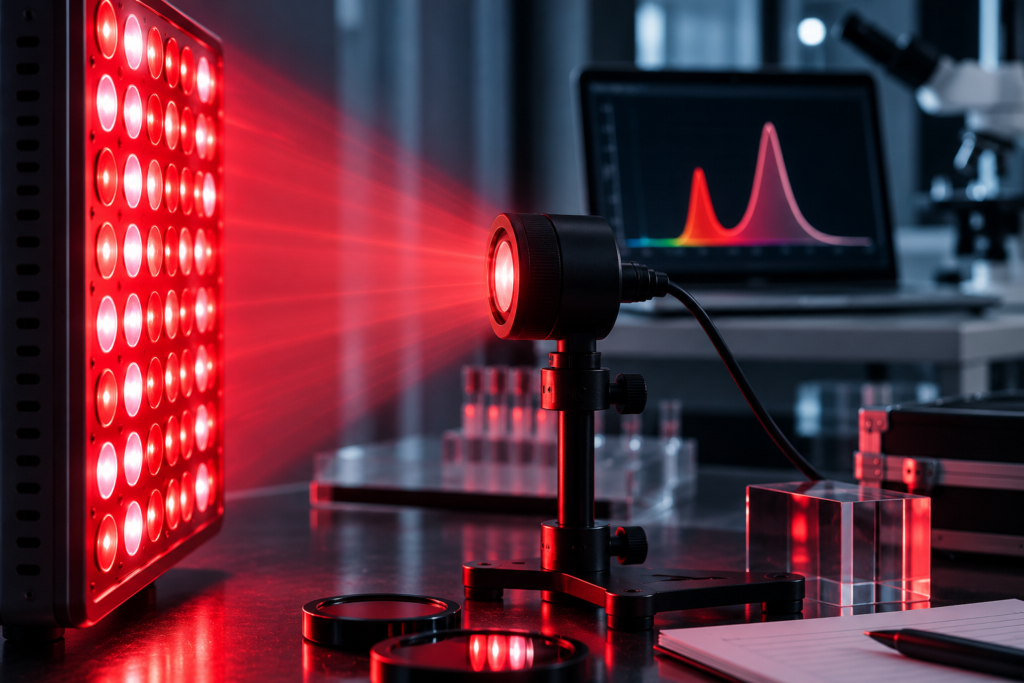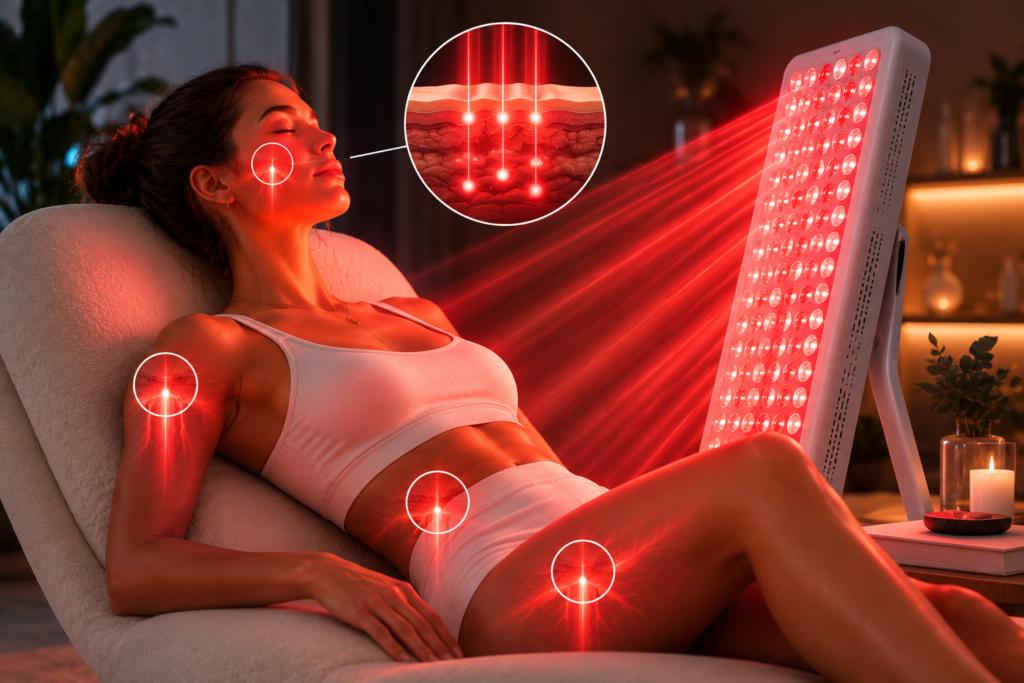

Red light therapy nutrition and exercise belong in a clear order: the foundation is nutrition, movement, sleep, and consistent behavior — not a device. Red light therapy, at most, is an optional minor extra that some people add for reasons like skin appearance. This article describes how to keep first things first in red light therapy nutrition and exercise, and where, if anywhere, a light device reasonably fits.
The reason to frame red light therapy nutrition and exercise this way is simple: durable results come from habits, not shortcuts. But the evidence is clear that durable results come from habits, not shortcuts. Red light therapy does not cause weight loss, and treating it as central would be a mistake. Treating it as a small, optional addition to a solid routine is more honest and more useful.
Start With Nutrition: The Foundation
Nutrition is where most weight-management progress begins. The CDC’s guidance on steps for losing weight emphasizes sustainable, realistic changes rather than extreme or temporary diets. That means favoring an eating pattern you can maintain: plenty of vegetables and fruits, sensible portions, adequate protein, and fewer highly processed, calorie-dense foods. Gradual change that you can keep up tends to outperform dramatic plans that collapse after a few weeks.
No light device changes this — building a nutrition approach you can live with is the most valuable step in any red light therapy nutrition and exercise routine. Building a nutrition approach you can live with is the single most valuable step, and it deserves the bulk of your attention.
Add Movement: Activity for Weight and Health
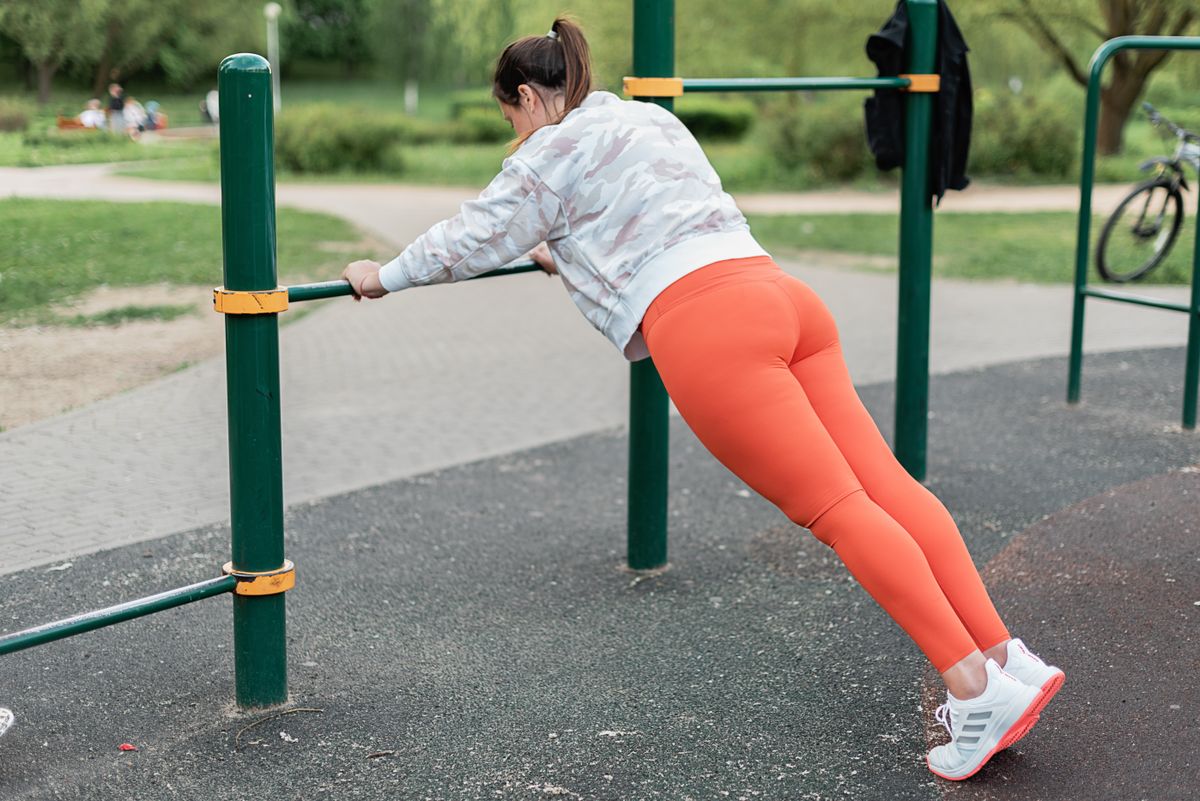
Physical activity is the second pillar. According to the CDC’s guidance on physical activity and your weight and health, regular activity supports weight management and brings broad health benefits beyond the scale, including effects on mood, sleep, and long-term disease risk. A mix of activities you enjoy — walking, cycling, strength work, or anything you will actually do — is more sustainable than a punishing routine you dread.
Activity and nutrition reinforce each other. Movement supports overall health and can complement sensible eating, while consistency in both is what produces lasting change. Red light therapy nutrition and exercise thinking must stay clear on this: a device is not a substitute for moving your body.
Don’t Forget Sleep and Behavior
Sleep and everyday behavior round out the foundation. Adequate sleep supports appetite regulation, energy for activity, and the mental resources needed to stay consistent. Behavioral habits — planning meals, managing stress, tracking progress in a way that suits you, and building routines that make healthy choices easier — are what hold the whole effort together. The CDC’s steps for losing weight reflect this emphasis on realistic, repeatable behavior rather than willpower alone.
These elements are free, well supported, and within your control. They matter far more than any device, and they are the right place to invest effort first.
Choosing a Safe, Realistic Approach
If you are considering a structured weight-loss program, the NIDDK’s guidance on choosing a safe and successful weight-loss program is a valuable reference. It encourages programs that promote gradual, steady weight loss, include attention to nutrition and activity, are transparent about risks and costs, and do not rely on extreme claims or unproven gadgets. Applying these principles helps you avoid programs or products that overpromise — including any that lean heavily on red light therapy as a primary tool.
A trustworthy approach is honest about effort and time. It treats devices as, at most, optional extras and keeps the focus on sustainable habits and, where appropriate, guidance from qualified professionals.

Where Red Light Therapy Reasonably Fits
Given all of this, where does red light therapy fit within a red light therapy nutrition and exercise approach? As an optional, minor adjunct — nothing more. Some people use it for the appearance of their skin and choose to fold a few minutes of use into a routine they already maintain. Used this way, it sits on top of a solid foundation rather than substituting for any part of it. It should never be the centerpiece of a weight-management plan, and it should not be expected to influence weight at all.
If you do include it, treat it like any small wellness habit: keep expectations modest, follow the device’s guidance on distance and time, and remember that consistency in nutrition, movement, sleep, and behavior is what actually matters. Red light therapy nutrition and exercise proportions are clear: the fundamentals get the attention, and the device is a minor accent at best.
A Simple Way to Structure a Routine
A sustainable red light therapy nutrition and exercise routine usually looks unglamorous, and that is a good sign. Within that, optional extras such as red light therapy occupy a small, clearly secondary place. The proportions tell the story: the fundamentals get the attention, and any device is a minor accent. This structure is not exciting, but it is honest and it works because it is repeatable.
Keeping Motivation Realistic Over Time
One reason people drift toward gadgets is that the fundamentals can feel slow, and motivation naturally rises and falls. A more durable mindset focuses on consistency rather than intensity: small, repeatable choices made most days tend to outperform dramatic efforts that cannot be sustained. The CDC’s guidance on steps for losing weight reflects this by favoring gradual, realistic change over rapid transformation.
It also helps to measure progress in ways beyond the scale, such as energy, sleep quality, and how daily activity feels, since these capture broader health benefits that the CDC associates with regular physical activity. Setbacks are normal and are not a reason to abandon the plan or to chase a shortcut. Viewed this way, red light therapy stays in its proper place as a minor, optional extra, and your attention remains on the habits that genuinely move the needle and that you can keep up for the long term.

A Caution Note: No Shortcuts
Be wary of any plan or product that positions red light therapy — or any device — as a shortcut to weight loss. Red light therapy does not melt fat or cause weight loss, and presenting it as a centerpiece can distract from the habits that genuinely help. Sustainable weight management takes time and consistency, and it is not a replacement for medical care. If you have health conditions or significant goals, consider working with qualified professionals who emphasize gradual, evidence-based change.
Putting It Together
The honest hierarchy is clear. Nutrition and movement form the foundation of weight management, with sleep and behavior holding the structure together, and trustworthy guidance available through credible programs and professionals. Red light therapy, if used at all, is a small optional extra associated mainly with skin appearance, never a weight-loss tool and never a substitute for the fundamentals. Keep the proportions right and you will spend your energy where it actually pays off.
The Bottom Line
Combining red light therapy with nutrition and movement really means keeping nutrition and movement at the center and letting red light therapy be a minor, optional adjunct at most. Sustainable habits — balanced eating, regular activity, good sleep, and supportive behavior — are what drive weight management, with professional guidance when appropriate. There are no shortcuts, and no device replaces the fundamentals. Build the foundation first, and treat any extra as exactly that.
Ready to get your red light therapy device? See our brand and product reviews, and try out our product comparison tool to inform your decision.
Frequently Asked Questions
Should I rely on red light therapy for weight loss?
No. Red light therapy does not cause weight loss and should never be the centerpiece of a plan. Weight management depends on nutrition, movement, sleep, and consistent behavior.
What matters most for weight management?
Sustainable nutrition and regular physical activity form the foundation, supported by adequate sleep and helpful behaviors. The CDC emphasizes gradual, realistic change rather than extreme or effortless approaches.
Can red light therapy be part of a healthy routine?
It can be an optional, minor adjunct that some people use for skin appearance, folded into a routine they already maintain. It is not a substitute for diet, activity, sleep, or behavior.
How do I choose a safe weight-loss program?
Look for programs that promote gradual, steady loss, address nutrition and activity, are transparent about risks and costs, and avoid extreme claims or reliance on unproven gadgets, as the NIDDK advises.
Does adding a device speed up results?
No. There are no shortcuts. Durable results come from consistent habits over time, and any device is, at most, a minor extra rather than a way to accelerate weight loss.
This article is for general educational purposes only and is not medical advice. Red light therapy is not a substitute for professional care. Talk with a qualified healthcare professional about your individual situation.