
Red light therapy weight loss safety starts with one important distinction: low-risk is not the same as right for everyone. Because weight is a sensitive area surrounded by marketing pressure, it is important to be clear about who should pause and consult a professional first, and to restate plainly that red light therapy is not a weight-loss treatment. This article offers a responsible, supportive guide to red light therapy weight loss safety, caution, and eligibility.
The aim here is not to alarm anyone but to encourage thoughtful, individualized decisions. The single most reliable step for anyone with health conditions, who is pregnant, or who has questions about a device is to speak with a qualified healthcare professional. That conversation is worth far more than any product claim.
First, a Clear Statement of What Red Light Therapy Is Not
Before discussing red light therapy weight loss safety precautions, it bears repeating: red light therapy is not a weight-loss treatment. Cleveland Clinic describes it as a low-level light practice used mainly for specific, often skin-related goals. Any role it might play in a weight context is, at most, related to the appearance of skin, within a healthy lifestyle. Keeping this straight is itself a form of red light therapy weight loss safety, because it prevents people from relying on a device instead of the habits and care that genuinely support weight management.
Pregnancy
People who are pregnant should consult their healthcare professional before using red light therapy. This is a standard precaution across many wellness practices: when in doubt during pregnancy, the safest course is to ask a qualified provider rather than to assume a product is appropriate. A clinician can give advice tailored to the individual situation, which is always preferable to general marketing reassurances.

Existing Medical Conditions and Medications
Anyone with a medical condition — or who takes medications that increase sensitivity to light — should check with a healthcare professional before starting. Certain conditions and medications can change how the body responds to light exposure, and a provider who knows your history is best placed to advise. This is particularly relevant for people managing chronic conditions, who often have several factors to weigh and who benefit most from individualized guidance.
If you are pursuing weight goals while managing a health condition, the NIDDK’s guidance on choosing a safe and successful weight-loss program is a helpful reference. It encourages approaches that are transparent, gradual, and attentive to individual health needs, and that do not rely on extreme claims or unproven gadgets. Red light therapy weight loss safety extends to anyone with a medical condition or who takes medications that increase sensitivity to light.
What to Ask a Professional Before Starting
If you decide to raise red light therapy with a healthcare professional, a few questions can make the conversation productive. You might ask whether anything in your medical history or current medications could affect how your body responds to light exposure, and whether eye protection or any other precaution is advisable for your situation. It is also reasonable to ask the provider to help you separate realistic expectations from marketing claims, especially anything that frames a device as a weight-loss tool.
Finally, you can ask how to keep your attention on the fundamentals that genuinely support weight management. The CDC’s guidance on steps for losing weight emphasizes sustainable, realistic habits, and a professional can help you build a plan around nutrition, activity, sleep, and behavior, with any device kept in a clearly secondary and optional role. Coming to the conversation with these questions tends to produce far more useful guidance than relying on product descriptions, and it keeps the decision centered on your individual health rather than on a sales pitch.
People With Eye Conditions and Eye Safety Generally
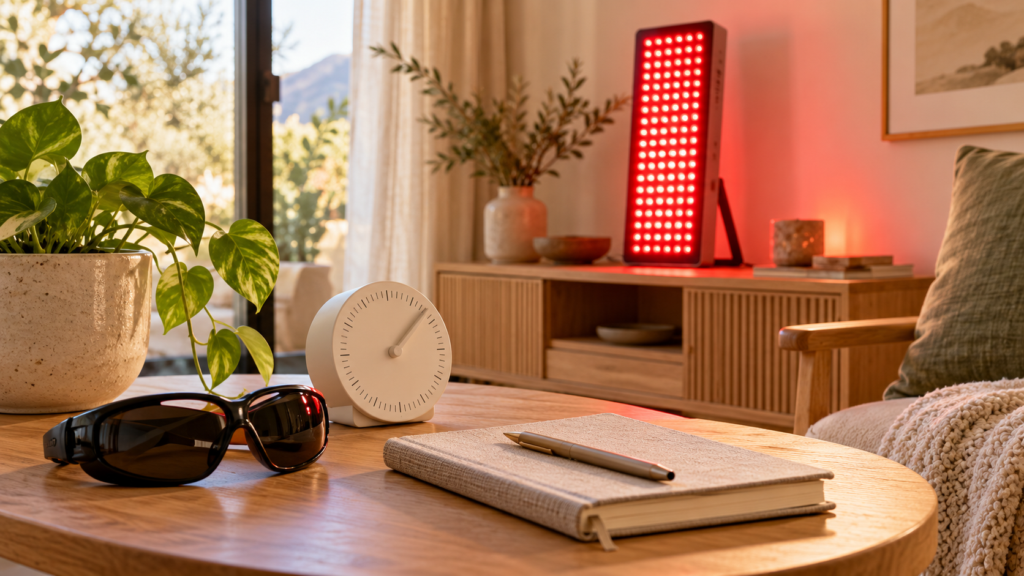
Eye protection is a sensible precaution with bright light, and people with eye conditions should be especially careful and consult a professional. This is relevant for full-body or panel devices that may be used near the face. Even for those without known eye conditions, protecting the eyes from bright light during sessions is a reasonable habit. When in doubt, a healthcare professional can advise on whether and how to use a device safely.
A Supportive Word on Weight and Well-Being
Weight goals are personal, and it is important to approach them in a way that supports overall well-being. Anyone who has concerns about their relationship with food, eating, or body image deserves compassionate, professional support, and a healthcare provider or qualified professional is the right person to turn to. Health is about much more than a number, and sustainable well-being is best pursued with guidance that considers the whole person. Red light therapy is not a tool for these concerns, and it should never be positioned as one.

Why Professional Guidance Matters More Than Marketing
Across all red light therapy weight loss safety situations, the common thread is the value of individualized advice over marketing generalities. Marketing speaks in generalities and tends toward optimism; a healthcare professional can consider your specific history, medications, conditions, and goals. The CDC’s guidance on steps for losing weight emphasizes sustainable, realistic habits, and a qualified provider can help you build an approach that fits your life. No device claim substitutes for that kind of personalized care.
A Note on Device Marketing and Regulatory Status
Red light therapy weight loss safety also means understanding how devices are described in regulatory terms. Many light-based consumer devices are cleared, registered, or marketed as general wellness products rather than formally approved to treat specific conditions. The FDA’s information on 510(k) clearances reflects a process that is distinct from approval for a particular medical use, and that distinction is meaningful. A device being cleared or marketed for general wellness is not evidence that it treats weight or any condition. Reading claims with this in mind is another sensible form of caution.

A Caution Note: When to Pause and Ask
To summarize red light therapy weight loss safety precautions: consult a healthcare professional if you are pregnant, have a medical condition, take light-sensitizing medications, or have an eye condition. Seek compassionate professional support for any concerns about eating or body image. And remember that red light therapy is not a weight-loss treatment and not a replacement for medical care. When in doubt, ask a qualified professional first.
Putting It Together
Red light therapy is low-risk for many healthy adults at consumer doses, but eligibility is individual. People who are pregnant, who have medical conditions or take photosensitizing medications, or who have eye conditions should consult a professional before starting. Anyone with concerns about eating or body image deserves supportive, qualified care. Throughout, the steady truth is that red light therapy is not a weight-loss treatment, and personalized professional guidance outweighs any marketing claim or regulatory label.
The Bottom Line
The most responsible approach to red light therapy and weight goals is humility about what it can do and care about who uses it. It is not a weight-loss treatment, and certain groups — including those who are pregnant, managing medical conditions, taking light-sensitizing medications, or with eye conditions — should consult a professional first. Weight and well-being are best pursued with compassionate, individualized guidance and the fundamentals of nutrition, activity, sleep, and behavior. When uncertain, the safest and wisest step is always to ask a qualified healthcare professional.
Ready to get your red light therapy device? See our brand and product reviews, and try out our product comparison tool to inform your decision.
Frequently Asked Questions
Is red light therapy a weight-loss treatment?
No. Red light therapy is not a weight-loss treatment and does not cause weight loss. It is described as a low-level light practice used mainly for skin-related goals, and any weight-context role is limited to skin appearance within a healthy lifestyle.
Who should consult a professional before using red light therapy?
People who are pregnant, who have a medical condition, who take medications that increase light sensitivity, or who have an eye condition should consult a healthcare professional before starting.
I have concerns about my eating or body image. What should I do?
Reach out to a healthcare provider or qualified professional for compassionate, individualized support. Health is about more than a number, and these concerns deserve proper care. Red light therapy is not a tool for them.
Does an FDA clearance mean red light therapy treats weight?
No. Many devices are cleared, registered, or marketed as general wellness products rather than approved to treat specific conditions. A clearance is not evidence that a device treats weight or any condition.
Is red light therapy safe for everyone?
It is generally low-risk for many healthy adults at consumer doses, but it is not automatically right for everyone. Individual factors matter, so consulting a qualified professional when in doubt is the safest approach.
This article is for general educational purposes only and is not medical advice. Red light therapy is not a substitute for professional care. Talk with a qualified healthcare professional about your individual situation.