EDITOR & SEO NOTES — remove before publishing
Target keyword: red light therapy exercise recovery
Secondary keywords: post workout light therapy, recovery after training, light therapy workout recovery
Search intent: Informational — routine, cautious
Meta title: Red Light Therapy and Exercise Recovery: A Practical Guide
Meta description: Where might red light therapy fit in a post-workout routine? A practical, cautious look at the evidence, sensible use, and why sleep and nutrition come first.
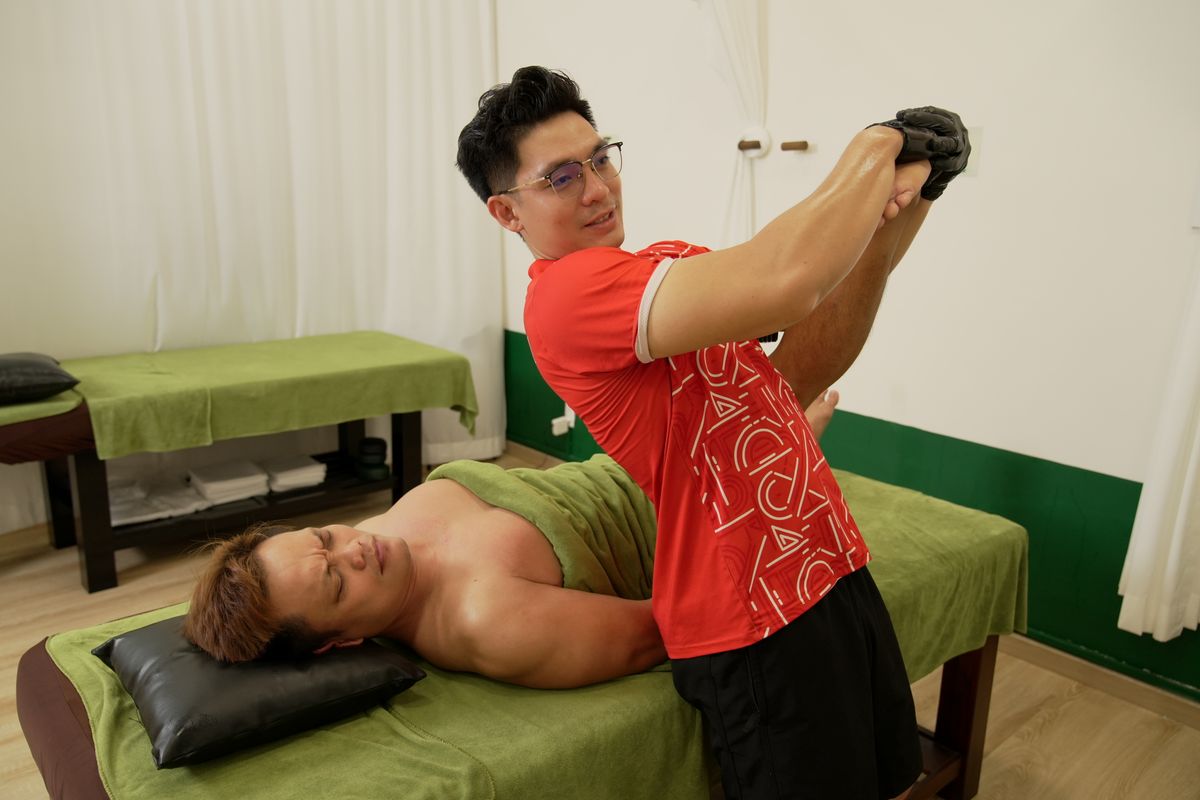
Featured image: Cool-down/stretch scene with a device; active.
Suggested supporting images: A person stretching beside a red light panel after training; a weekly routine graphic placing light therapy alongside sleep, nutrition, and load management.
Alt text: A cool-down stretch beside a red light device
Internal linking suggestions: Red Light Therapy for Muscle Recovery; Red Light Therapy for Athletes; Red Light Therapy and Inflammation; How Red Light Therapy Works
Recovery is where training adaptations actually take hold, so it makes sense that people look for ways to support it. This guide explores red light therapy exercise recovery, what current research suggests, where it may fit into a post-workout routine, and why sleep, nutrition, and sensible training remain the foundation.
Current red light therapy exercise recovery research suggests it may provide modest support for soreness and fatigue in some people, but the evidence remains mixed and should be interpreted cautiously.
Red Light Therapy Exercise Recovery Explained
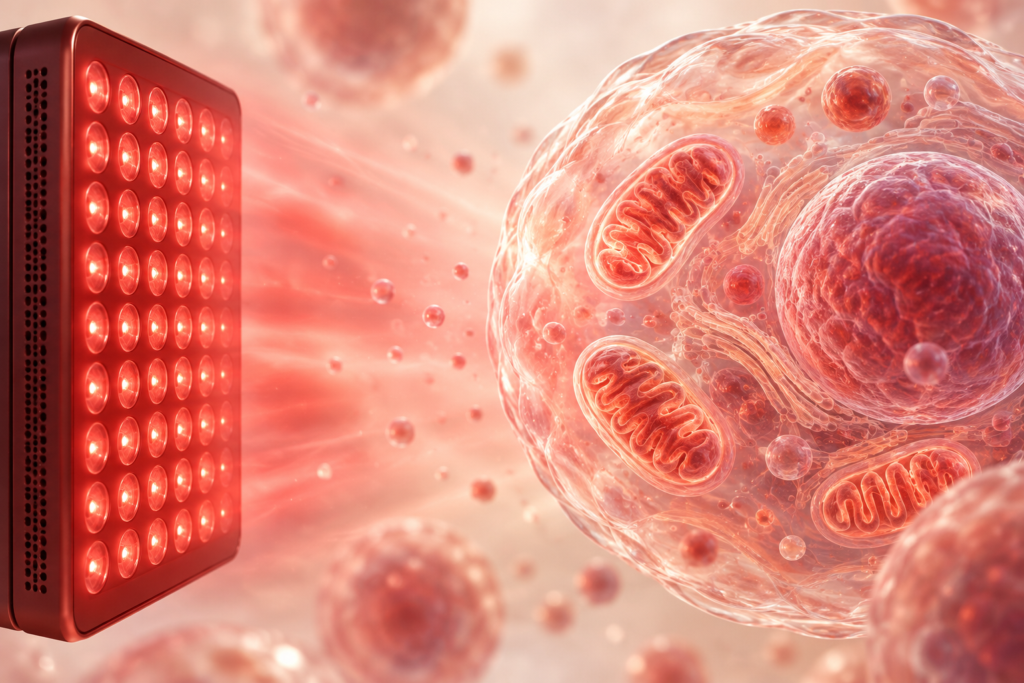
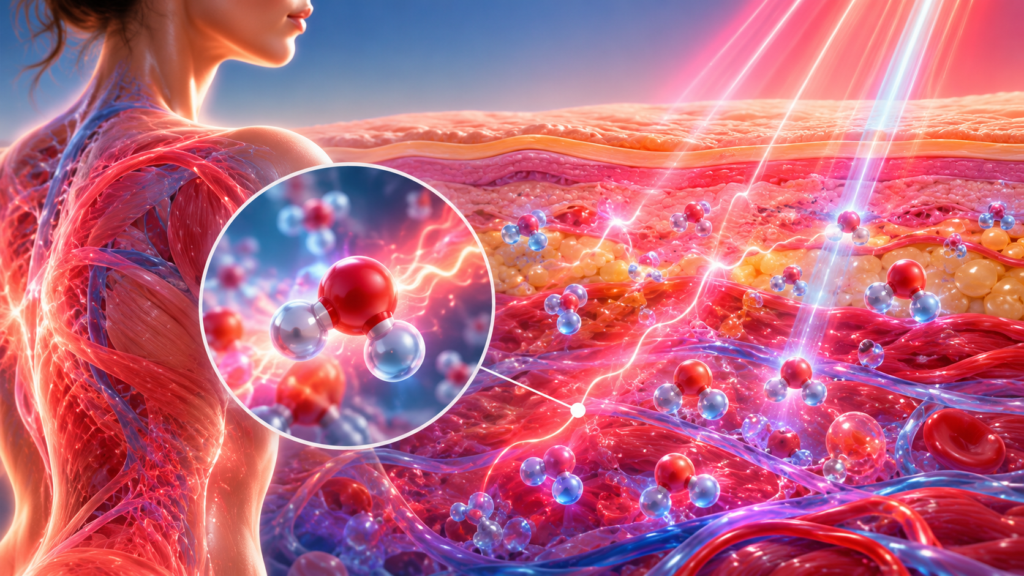
Red light therapy — also known as photobiomodulation (PBM) or low-level light therapy (LLLT) — uses low-intensity red and near-infrared light. According to Cleveland Clinic, it delivers low levels of red or near-infrared light to influence cells without ultraviolet radiation and without burning heat. The proposed mechanism involves light absorption by cellular targets such as cytochrome c oxidase, potentially supporting energy production and signaling tied to repair and inflammation.
That mechanism is the rationale for using light around exercise. As always, a plausible biological basis does not guarantee a meaningful real-world effect, which is why the research matters more than the theory.
Understanding Red Light Therapy Exercise Recovery
To judge where a tool like red light therapy might fit, it helps to be clear about what recovery actually is. Training applies a stress to the body; recovery is the period during which the body repairs that stress and adapts, ideally returning a little stronger or more capable. This process spans hours to days and is driven primarily by rest, sleep, fuel, and the gradual progression of training load.
Soreness, stiffness, and short-term dips in performance are normal parts of this cycle, not problems to be eliminated at all costs. Any recovery aid, therefore, is competing against and complementing a process the body already does well on its own — which is exactly why the bar for a meaningful added benefit is high, and why modest, mixed research findings should be read modestly.
What Red Light Therapy Exercise Recovery Research Shows
Two strands of research are most relevant. A review of photobiomodulation for acute tissue injury and sport performance recovery describes signals that light exposure may support recovery-related outcomes, such as reduced soreness and fatigue, in some studies. A systematic review and meta-analysis of photobiomodulation for muscular performance and fatigue in healthy people similarly reports that light therapy may improve some measures of fatigue and performance when used at appropriate doses.
Both reviews, however, emphasize variability. Studies differ in devices, wavelengths, doses, and timing, and not all find benefits. The fair conclusion is that red light therapy may offer modest recovery support for some people, with effects that are inconsistent across the literature.
How to Use Red Light Therapy for Exercise Recovery
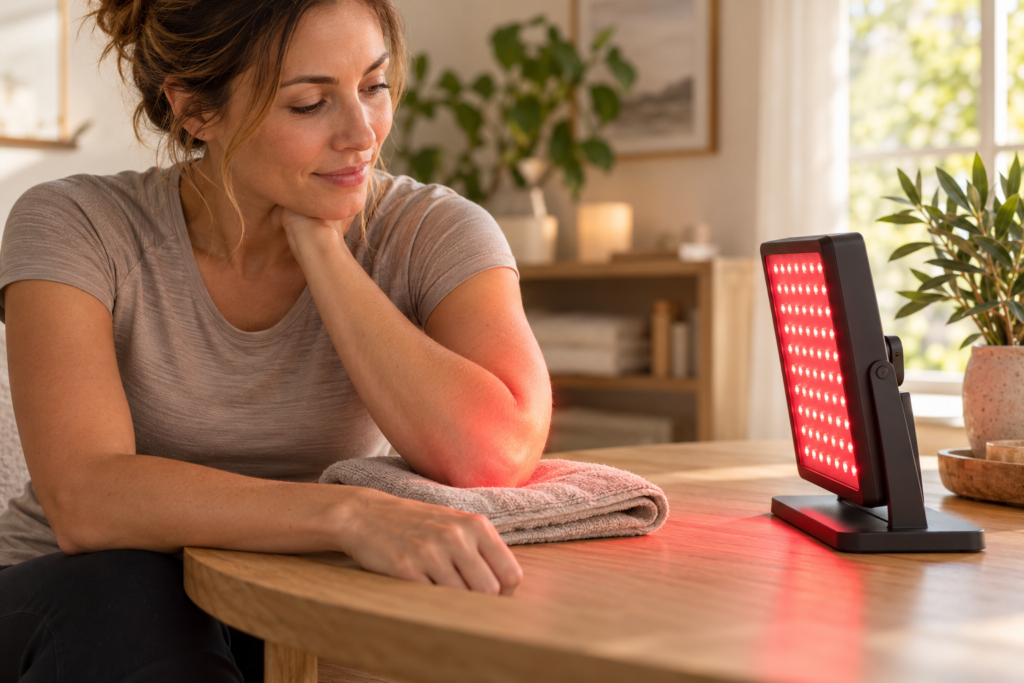
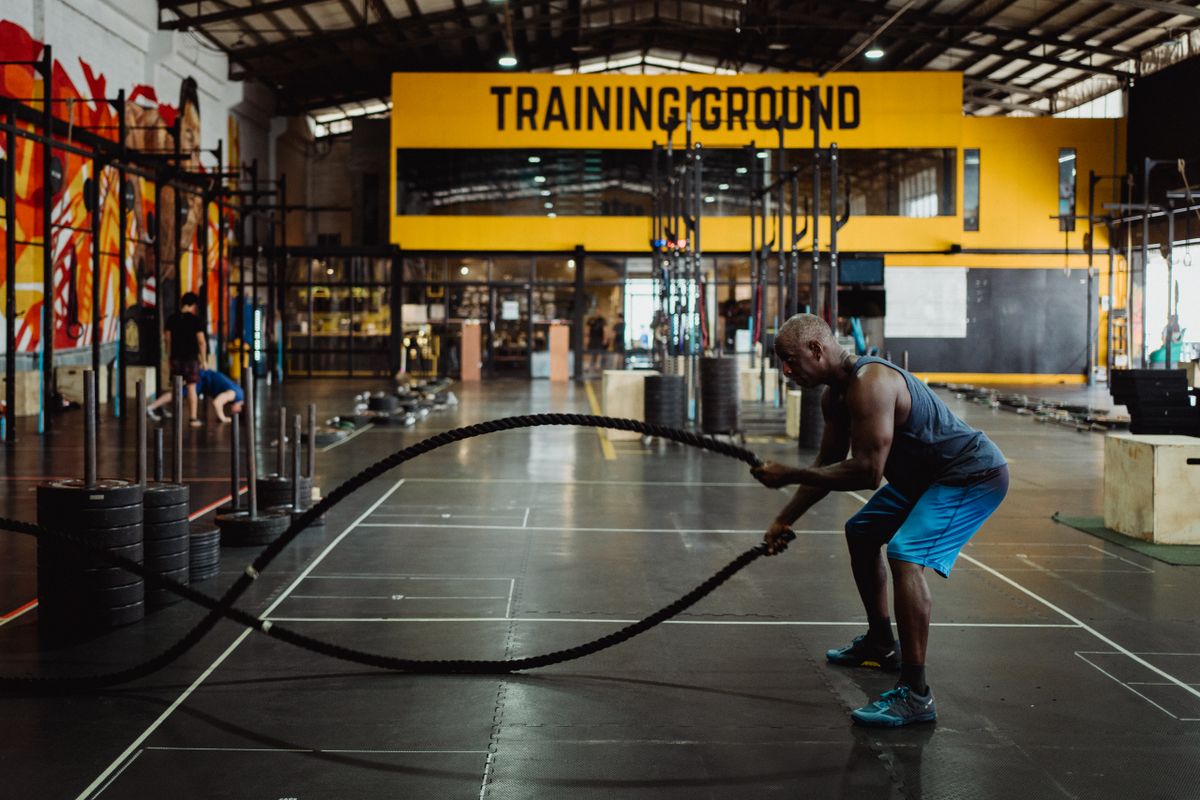
In practice, people commonly use red light therapy as part of a cool-down or recovery block: a few minutes of exposure to the worked muscle groups before or after training, repeated across the week. Near-infrared wavelengths are often emphasized for muscle goals because they can reach deeper than visible red light.
Because research describes a biphasic dose response — a moderate dose may help while too much can reduce the benefit — following device guidance on distance and time is sensible, and longer sessions are not automatically better. Consistency over weeks tends to matter more than any single session.
Why Red Light Therapy Exercise Recovery Starts With the Basics
It would be a mistake to treat any device as the centerpiece of recovery. The evidence base for the basics is far stronger than for light therapy. Adequate, high-quality sleep is when much of the body’s repair happens. Appropriate protein and overall nutrition supply the raw materials for adaptation. Sensible, progressive training load — with planned easier days and rest — prevents the accumulated fatigue that no gadget can fully offset.
Red light therapy, at best, sits on top of this foundation. If sleep is short, nutrition is inconsistent, or training load is excessive, no amount of light exposure will compensate. Getting the fundamentals right is the highest-leverage recovery strategy.
Prioritizing Red Light Therapy Exercise Recovery
A simple mental model can keep priorities straight. Picture recovery as a stack: sleep and rest form the broad base, nutrition and hydration sit on top of that, sensible training structure comes next, and only then do optional extras like red light therapy occupy the small space at the peak. The items at the base do the heavy lifting and are well supported by evidence; the items at the peak are refinements that may add a little for some people. Spending money or attention on the peak while neglecting the base is a common and costly mistake. If you find yourself reaching for a device to fix fatigue that better sleep would resolve, the stack is upside down.
Realistic Red Light Therapy Exercise Recovery Expectations
Set expectations modestly. Where benefits appear in research, they tend to be small and are not guaranteed for any individual. Red light therapy does not heal tissue reliably, does not eliminate soreness, and does not ensure faster recovery or better performance. Some people may notice a subtle difference in how recovered they feel; others may notice nothing.
Viewed as a low-risk experiment layered onto solid habits, it can be a reasonable addition. Viewed as a substitute for sleep, nutrition, or smart programming, it will fall short.
Building a Red Light Therapy Exercise Recovery Routine
If you want to incorporate red light therapy into recovery, a practical approach is to keep it simple. Choose a device with clearly stated wavelengths and output. Expose bare skin over the muscles you trained, at the manufacturer’s recommended distance, for the recommended time. Use it consistently a few times a week rather than sporadically, and protect your eyes from bright light. Then judge the routine over several weeks, not a single session, while keeping sleep, nutrition, and load management as your priorities.

When to See a Professional
Ordinary training soreness fades within a few days. Pain that is sharp, severe, persistent, or worsening, swelling that does not settle, or symptoms following a specific injury are signals to stop self-managing and see a healthcare professional. Red light therapy is a wellness habit, not a diagnostic or treatment tool, and it should never delay appropriate care for a possible injury.
Who Should Be Cautious
For most healthy adults, red light therapy at consumer doses is generally considered low-risk, with mild and temporary side effects such as brief warmth or redness. Even so, people who are pregnant, who take medications that increase light sensitivity, or who have a relevant medical or eye condition should consult a healthcare professional before starting. When in doubt, ask.
The Bottom Line
Red light therapy may be a modest, generally low-risk aid for exercise recovery, supported by mixed but somewhat encouraging research on soreness and fatigue. It works best as a small habit layered on top of the real foundations of recovery — sleep, nutrition, and sensible training load — rather than as a replacement for them. Keep expectations realistic, follow sensible dosing, and see a professional for any pain that is severe, persistent, or injury-related.
Ready to get your red light therapy device? See our brand and product reviews, and try out our product comparison tool to inform your decision.
Frequently Asked Questions
Should I use red light therapy before or after exercise?
Research has applied light both before and after training with possible benefits in each case, so there is no single proven timing. Following device guidance and using it consistently matters more than the exact moment.
Will red light therapy replace the need for rest days?
No. Rest, sleep, and sensible training load are the proven foundations of recovery. Red light therapy, at best, is a modest addition layered on top of those fundamentals, not a substitute for them.
How long should a recovery session be?
Follow the manufacturer’s recommended distance and time. Research describes a biphasic dose response, meaning a moderate dose may help while too much can reduce the benefit, so longer is not better.
Does red light therapy reduce muscle soreness?
Some research suggests it may help with the feeling of soreness and fatigue for some people, but the evidence is mixed and effects tend to be modest. It does not reliably eliminate soreness.
Is it safe to use after every workout?
At consumer doses it is generally considered low-risk for healthy adults. Still, follow device guidance, protect your eyes, and check with a professional if you are pregnant, take photosensitizing medication, or have a medical condition.
This article is for general educational purposes only and is not medical advice. Red light therapy is not a substitute for professional care. Talk with a qualified healthcare professional about your individual situation.