As the seasons turn, many people notice their sleep shifting too. Darker winter mornings, shorter days, and changing daylight can leave you groggier, sleepier in the evening, or out of sync with your usual schedule. It is natural to wonder whether red light therapy could help with these seasonal sleep changes. The short, honest answer is that the tool most studied for seasonal and circadian effects is bright light delivered to the eyes — which is distinct from red light therapy — and that seasonal mood or sleep problems deserve professional attention. Studies on red light therapy seasonal sleep have drawn increasing attention from researchers.
This article explains why daylight changes affect sleep, clarifies the difference between the relevant types of light, and frames red light therapy cautiously. Red light therapy may fit into a calming evening routine for some people, but it is not a proven treatment for seasonal sleep disruption. When examining red light therapy seasonal sleep, it helps to look carefully at the underlying research.
Why Seasons Affect Sleep
The body runs on circadian rhythms — roughly 24-hour internal cycles that influence sleep, alertness, and the timing of hormones. According to the NIH’s National Institute of General Medical Sciences, these rhythms are strongly influenced by light, which acts as the primary signal that keeps the internal clock aligned with the day. Specialized cells in the eyes detect light and relay timing information to the brain’s master clock. [source] The evidence around red light therapy seasonal sleep remains an active area of investigation.
When daylight changes with the seasons, that timing signal changes too. Shorter days and darker mornings mean less light at the times our clocks have come to expect it, which can shift sleep timing, alertness, and mood for some people. This is a normal consequence of how tightly human physiology is tied to the light–dark cycle, and it is why light is central to any serious discussion of seasonal sleep. For those exploring red light therapy seasonal sleep, setting realistic expectations matters.
The Key Distinction: Bright Light Therapy vs. Red Light Therapy
Here is the most important clarification in this article. When researchers and clinicians talk about using light for circadian or seasonal issues, they are usually referring to bright light therapy — intense, broad-spectrum light delivered to the eyes, often from a light box, typically used in the morning. The Sleep Foundation, in its overview of light therapy, describes bright light exposure through the eyes as a tool studied for circadian rhythm and certain seasonal concerns. [source] Understanding red light therapy seasonal sleep requires separating marketing claims from published data.
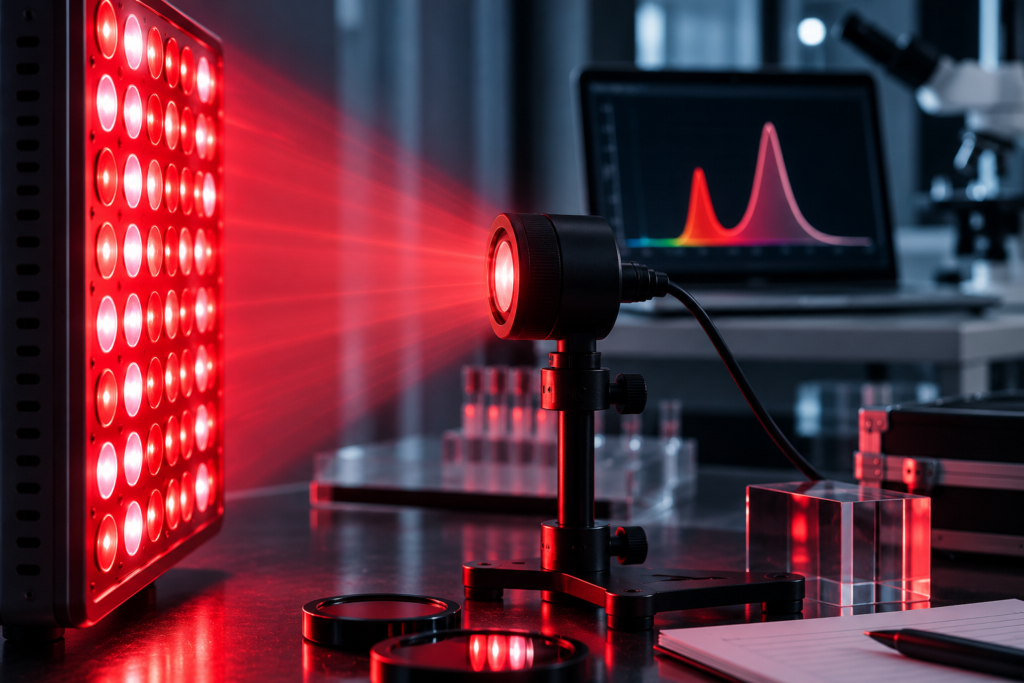
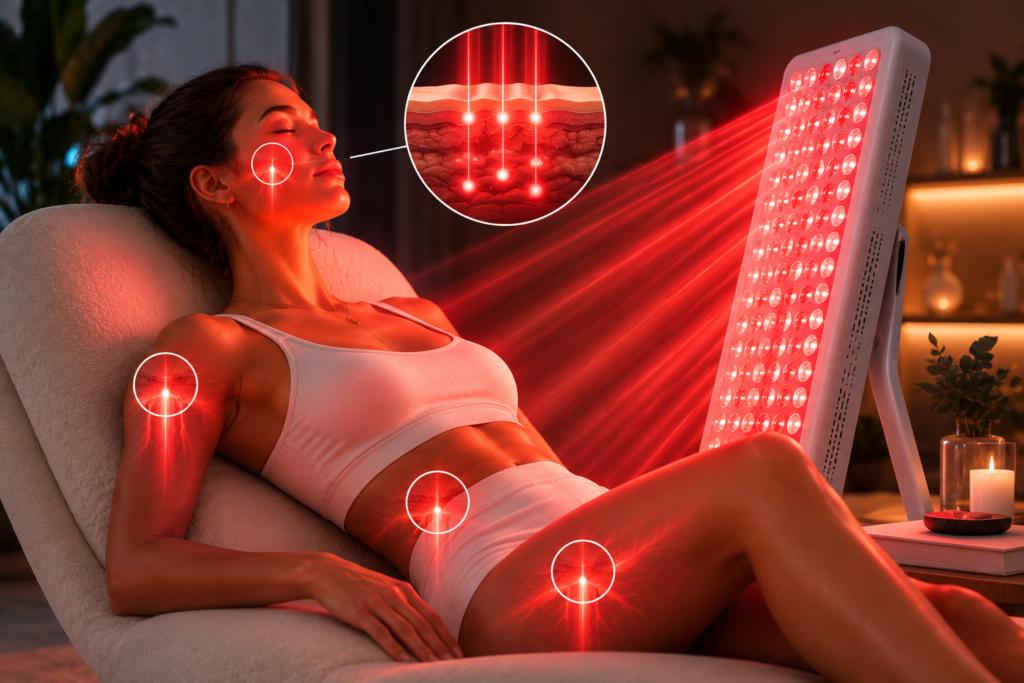
Red light therapy (photobiomodulation) is a different practice. It uses low-intensity red and near-infrared wavelengths aimed at the skin and tissues, not bright light directed into the eyes to reset the body clock. The two are easy to confuse because both involve light, but they differ in wavelength, intensity, where the light is directed, and the purpose behind them. For seasonal circadian effects, it is the bright-light-to-the-eyes approach that has the research behind it, not red light therapy. Anyone researching red light therapy seasonal sleep will find the science is still developing.
Why the Confusion Is Common
Marketing language often blurs these lines, implying that any light device can address seasonal sleep or mood. Keeping the categories straight prevents disappointment and, more importantly, prevents someone from substituting a red light device for an approach that a professional might actually recommend. If you are exploring light for seasonal reasons, it is worth knowing which kind of light the evidence concerns. [source] The current state of red light therapy seasonal sleep research points to early, modest findings.
Where Red Light Therapy Might Fit
None of this means red light therapy has no place in the evening during darker months. For some people, a calm red light session can serve as part of a relaxing wind-down ritual, and red wavelengths are thought to suppress melatonin only minimally compared with bright, blue-heavy light. In that limited sense, an evening red light session is unlikely to be the kind of bright, alerting light that disrupts the transition toward sleep, provided the surrounding room is kept dim. Interest in red light therapy seasonal sleep has grown alongside broader photobiomodulation research.
But this is a modest role: an optional, soothing routine element, not a circadian intervention. Red light therapy is not a substitute for the bright-light-to-the-eyes approach studied for seasonal effects, and it is not proven to correct seasonal sleep shifts. The evidence base for red light therapy and sleep generally remains very limited. Most published reviews on red light therapy seasonal sleep call for larger, better-controlled trials.
Practical, Cautious Habits for Seasonal Sleep
Whatever light tools you consider, the fundamentals of seasonal sleep are worth getting right. The Sleep Foundation’s guidance on light and sleep emphasizes aligning light exposure with the day — seeking light during waking hours and reducing bright, blue-heavy light in the evening. In darker months, that might mean making mornings as bright as practical, getting outdoors when you can, keeping a consistent sleep and wake schedule, and dimming lights as bedtime approaches. A clear-eyed look at red light therapy seasonal sleep means separating anecdote from controlled evidence.
If you choose to include red light therapy in the evening, treat it as a calm ritual within a dim, consistent routine rather than as a fix for the season. And if seasonal changes are noticeably affecting your sleep or mood, that is precisely the situation where professional guidance matters most. Consulting a healthcare provider about red light therapy seasonal sleep is always a sensible step.
Morning Light May Matter More Than Evening Devices
When daylight is scarce, one of the most useful things you can do is seek light earlier in the day rather than focus on devices at night. The NIH’s National Institute of General Medical Sciences explains that the timing of light exposure is what keeps circadian rhythms aligned, and morning light in particular helps anchor the internal clock to the day. The Sleep Foundation’s guidance on light and sleep likewise encourages getting bright light during waking hours and reducing it in the evening. Devices marketed for red light therapy seasonal sleep vary widely in power output and wavelength.
In darker months, that can be as simple as opening curtains early, spending time outdoors when there is daylight, or sitting near a window during the morning. These habits are low-cost and align with how the body clock actually responds to light. A red light therapy device used at night does not replace this. If your sleep feels shifted by the season, paying attention to morning and daytime light is often more relevant than adding an evening gadget. Practitioners field frequent questions about red light therapy seasonal sleep from clients.
Keeping Expectations Realistic Through the Seasons
It is worth being clear-eyed about what red light therapy can and cannot do as the seasons change. The evidence for red light and sleep is very limited, amounting essentially to a single small trial in a specific group, and none of that addresses seasonal circadian shifts. So while a calm evening red light session may feel pleasant and fit into a relaxing routine, it should not be expected to counteract the effects of shorter days or darker mornings. Treating it as a soothing ritual keeps expectations honest; treating it as a seasonal fix sets up disappointment and may delay more appropriate steps. The most dependable seasonal sleep strategies remain the unglamorous ones: consistent sleep and wake times, sensible daytime light exposure, a dim and screen-free evening, and professional guidance when the season genuinely disrupts how you sleep or feel. Studies on red light therapy seasonal sleep have drawn increasing attention from researchers.
When to See a Professional
Seasonal shifts in mood and sleep can be more than a minor nuisance. Persistent low mood, significant changes in sleep or energy across a season, or symptoms that interfere with daily life warrant evaluation by a healthcare professional. Conditions related to seasonal patterns can be serious, and approaches such as professionally guided bright light therapy, behavioral strategies, or other care are decisions for a qualified clinician — not something to self-manage with a red light device. When examining red light therapy seasonal sleep, it helps to look carefully at the underlying research.
Reaching out is not an overreaction. It is the appropriate step when the seasons seem to be taking a real toll on how you sleep or feel.
A Word of Caution: Red light therapy seasonal sleep Notes
Red light therapy is not a treatment for seasonal affective patterns, circadian disorders, or insomnia, and the evidence for any sleep benefit is very limited. The light studied for seasonal and circadian effects is bright light delivered to the eyes, which is distinct from red light therapy. If seasonal changes are affecting your sleep or mood, consult a healthcare professional. Anyone who is pregnant, takes medication that increases light sensitivity, or has a relevant eye or medical condition should also seek professional advice before using any light-based routine. Red light therapy is not a substitute for medical care.
The Bottom Line
Seasonal daylight changes genuinely affect the body clock and can shift sleep, because light is the master signal for circadian rhythm. The light most studied for these effects is bright light directed at the eyes — a distinct practice from red light therapy. Red light therapy may, for some people, fit into a calming evening routine, but it is not a proven remedy for seasonal sleep changes. For meaningful seasonal sleep or mood concerns, the right move is to talk with a professional.
Frequently Asked Questions
Can red light therapy help with winter sleep changes?
There is no strong evidence that it corrects seasonal sleep shifts. The light studied for circadian and seasonal effects is bright light directed at the eyes, which is different from red light therapy. A calm evening red light session may at most fit into a relaxing routine.
How is red light therapy different from a light therapy box?
A light therapy box delivers intense light to the eyes, usually in the morning, and is studied for circadian and seasonal purposes. Red light therapy uses low-intensity red and near-infrared light aimed at the skin and tissues, not the body clock through the eyes.
Why do the seasons affect my sleep?
Light is the main signal that keeps the body’s internal clock aligned with the day. Shorter, darker days change that signal, which can shift sleep timing, alertness, and mood for some people.
What should I do if winter really disrupts my sleep or mood?
Speak with a healthcare professional. Persistent seasonal changes in sleep or mood can be significant, and approaches like professionally guided bright light therapy or other care should be decided with a clinician.
Is an evening red light session likely to keep me awake?
Red wavelengths are thought to suppress melatonin only minimally, so a calm evening session in a dim room is unlikely to be strongly alerting. Still, it is not a treatment for seasonal sleep issues and should be kept gentle.
Ready to get your red light therapy device? See our brand reviews and product reviews, and try out our product comparison tool to inform your decision.