
Light exposure and mood are closely connected, but the relationship is often misunderstood. But the way light influences mood is often misunderstood, and that confusion gets tangled up with claims about red light therapy. This foundational article explains, in plain terms, how light relates to mood — mainly through the eyes and the body clock — and why that is different from shining red or near-infrared light on the skin.
Understanding light exposure and mood makes it much easier to evaluate wellness claims and recognize why daylight, circadian rhythms, and red light therapy are not the same thing.
Light Exposure and Mood: The Eyes and the Body Clock
The main way light influences mood and alertness runs through the eyes and the brain’s internal timekeeping system. The National Institute of General Medical Sciences, explaining circadian rhythms, describes how these roughly 24-hour cycles in the body are influenced by environmental cues, with light being the most powerful. Specialized signals from the eyes help set the body’s master clock, which in turn coordinates patterns of sleep, wakefulness, and many other processes.
In other words, light entering the eyes is a primary timekeeper. When that timing is well aligned — bright light during the day, darkness at night — the body’s rhythms tend to run smoothly. When it is disrupted, sleep and daytime functioning can suffer, and that can ripple into how a person feels. The link between light and mood, then, is largely a link between light, the eyes, the circadian system, and sleep.
Why Light Exposure and Mood Depend on Timing
It is not only how much light you get, but when. The Sleep Foundation, discussing light and sleep, explains that light exposure helps regulate the circadian rhythm: daylight supports alertness and a healthy daytime state, while light at night — especially in the evening — can interfere with the body clock and make sleep harder. Because sleep and mood are closely connected, this timing has real downstream effects on how we feel.
This is why advice about light and wellbeing so often focuses on behavior: getting daylight earlier in the day, and reducing bright or screen light close to bedtime. These habits work through the eyes and the circadian system. They are about the timing and intensity of visible light reaching the brain’s clock, not about applying light to the skin. The connection between light exposure and mood depends largely on when light reaches the eyes rather than on light applied to the skin.

How Light Exposure and Mood Work Together
Mood is shaped by many factors — biology, life circumstances, relationships, health, and more — and light is only one influence among them. Its main route is indirect: by helping regulate the body clock and supporting healthy sleep, appropriate light exposure can support overall wellbeing, while disrupted light and poor sleep can make things harder. One well-recognized example of light and mood interacting is seasonal patterns. The National Institute of Mental Health, describing seasonal affective disorder, explains that some people experience depressive episodes that follow a seasonal pattern, often in the darker months.
Importantly, seasonal affective disorder is a form of depression and a medical condition. Where light is used to help with it, that is a specific clinical approach — typically bright light delivered through the eyes — not a casual wellness habit and not the same as red light skin therapy. The takeaway is that light genuinely matters for mood, but mostly through the visual and circadian system, and serious mood concerns require professional care.

Light Exposure and Mood vs. Red Light Therapy
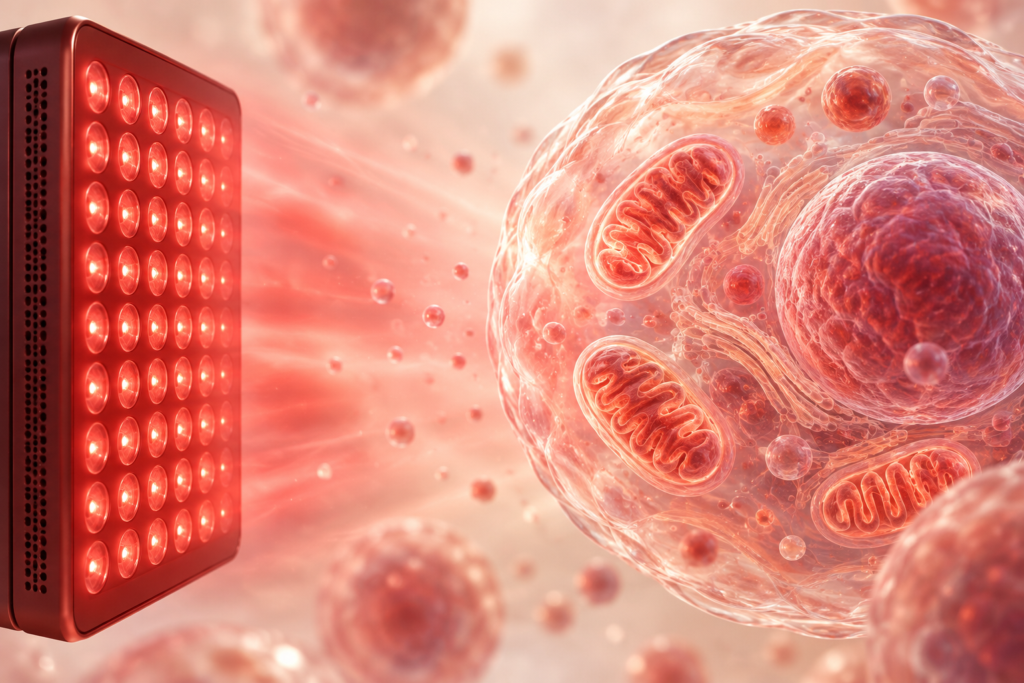
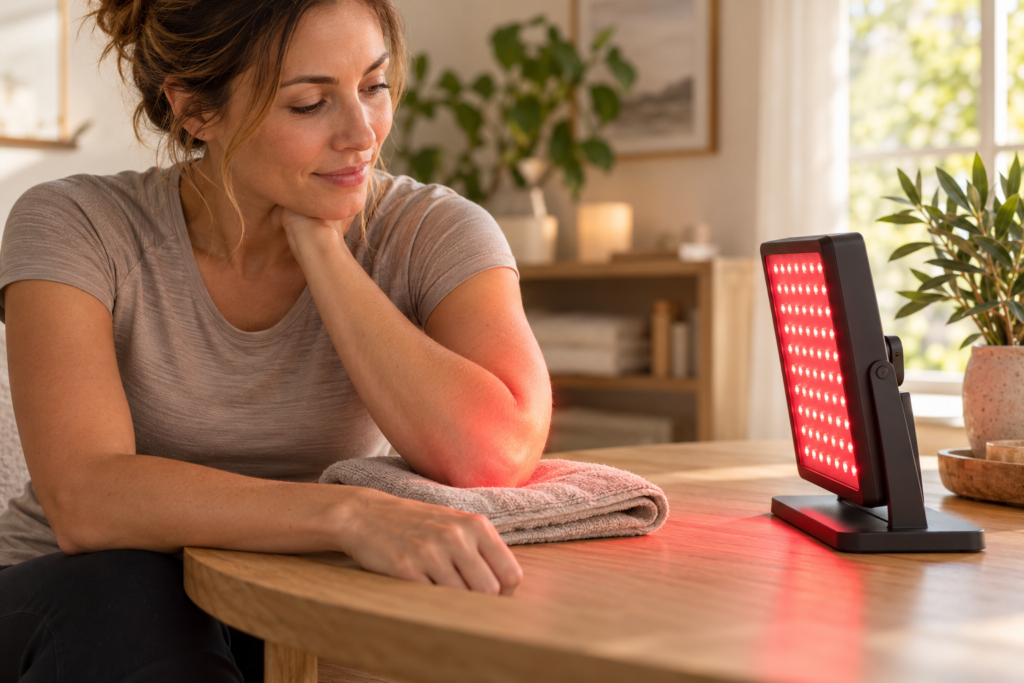
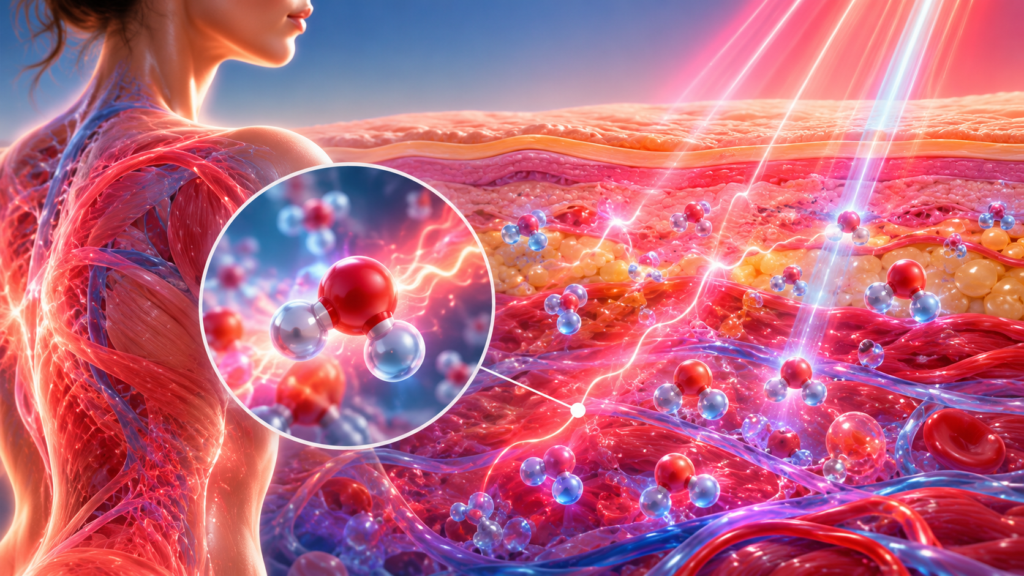
Here is the distinction that resolves most of the confusion. The light that influences mood and the body clock is visible light that enters through the eyes and is processed by the brain’s timekeeping system. Red light therapy, by contrast, applies red and near-infrared light to the skin, where the leading hypothesis is that it interacts with energy-related processes inside cells — a mechanism that has nothing to do with setting the body clock through the eyes.
These are two different stories about light and the body. One is about timing signals reaching the brain through vision; the other is about light being absorbed by skin and tissue. Treating them as interchangeable is a common mistake, and it leads people to assume a skin-directed red light panel will do what a circadian, eye-directed approach is designed to do. It will not, and the science behind each is distinct.
Bright Light Boxes and Light Exposure and Mood
For seasonal mood patterns specifically, the clinical tool people may have heard of is a bright light box, which delivers intense visible light intended to be viewed through the eyes to influence the circadian system. That is a fundamentally different device and purpose from a red or near-infrared photobiomodulation panel aimed at the skin. Conflating the two is a frequent source of confusion, and the distinction matters when reading any product claim.

Why Sleep Connects Light Exposure and Mood
If there is a single thread connecting light and mood, it is sleep. Because light is the body clock’s most powerful timing cue, the light you encounter across the day strongly shapes when you feel alert and when you feel sleepy. The Sleep Foundation explains that getting bright light during the day and limiting light at night helps keep the circadian rhythm aligned, which supports more consistent, higher-quality sleep. And consistent sleep, in turn, underpins steadier energy and mood.
This is why so much practical advice about feeling better circles back to light and routine rather than to any single device. Morning daylight, a regular schedule, and a dark, low-light environment at night are not glamorous, but they act directly on the system that links light, the body clock, and how we feel. When people notice their mood dipping in darker months or after stretches of poor sleep, disrupted circadian timing is often part of the picture.
Everyday Habits for Healthy Light Exposure and Mood
Translating the science into habits is refreshingly concrete. Seek out natural light earlier in the day, even a short time outdoors or near a bright window. Keep evenings dimmer and reduce bright screens close to bedtime so the body clock receives the right signal to wind down. Aim for a consistent sleep and wake schedule, since regularity reinforces healthy circadian timing. These steps work through the eyes and the body clock — the very pathway that connects light to mood — and they cost nothing. A red light therapy panel used on the skin is simply not part of this particular mechanism, which is why it should not be expected to substitute for daylight habits.
Using Light Exposure and Mood Research Wisely
For everyday wellbeing, the practical lessons follow the science. Getting daylight earlier in the day and limiting bright light in the evening can support healthy sleep and, indirectly, mood — and these habits work through the eyes and the body clock. A red light therapy device used on the skin for other goals does not replace those habits and should not be expected to regulate the body clock.
And as always in this area, a clear boundary applies: none of this is a substitute for professional mental health care. If you are experiencing persistent low mood, a seasonal pattern of depression, or any concern that affects daily life, talk with a healthcare professional. If you are ever in crisis or thinking about self-harm, call or text the 988 Suicide and Crisis Lifeline at 988 for immediate support.
The Bottom Line
Light exposure and mood are connected primarily through the eyes, the circadian system, and healthy sleep—not through skin-directed red light therapy. That is a different mechanism from red light therapy, which applies red and near-infrared light to the skin. Knowing the difference helps you read claims sensibly, build helpful daylight habits, and recognize when a mood concern calls for professional care rather than a wellness device.
Ready to get your red light therapy device? See our brand and product reviews, and try out our product comparison tool to inform your decision.
Frequently Asked Questions
How are light exposure and mood connected?
Mainly indirectly. Light exposure and mood are connected because light entering the eyes helps regulate the body’s circadian clock, which supports healthy sleep and influences how we feel.
Is the light that affects mood the same as red light therapy?
No. Mood and the body clock are influenced by visible light through the eyes. Red light therapy applies red and near-infrared light to the skin, a different mechanism that does not set the body clock.
Why does the timing of light matter?
Daylight earlier in the day supports alertness and healthy rhythms, while bright or screen light at night can disrupt the body clock and sleep. Because sleep and mood are linked, timing has real effects on wellbeing.
Can a red light panel help with seasonal mood changes?
Although light exposure and mood are closely related, seasonal affective disorder is typically addressed with bright light delivered through the eyes—not a skin-directed red light panel. Seasonal mood concerns should be discussed with a professional.
What should I do about persistent low mood?
Talk with a healthcare professional, especially if low mood is persistent, seasonal, or affects daily life. If you are in crisis or thinking about self-harm, call or text the 988 Suicide and Crisis Lifeline at 988.
This article is for general educational purposes only and is not medical advice. Red light therapy is not a substitute for professional care. Talk with a qualified healthcare professional about your individual situation.