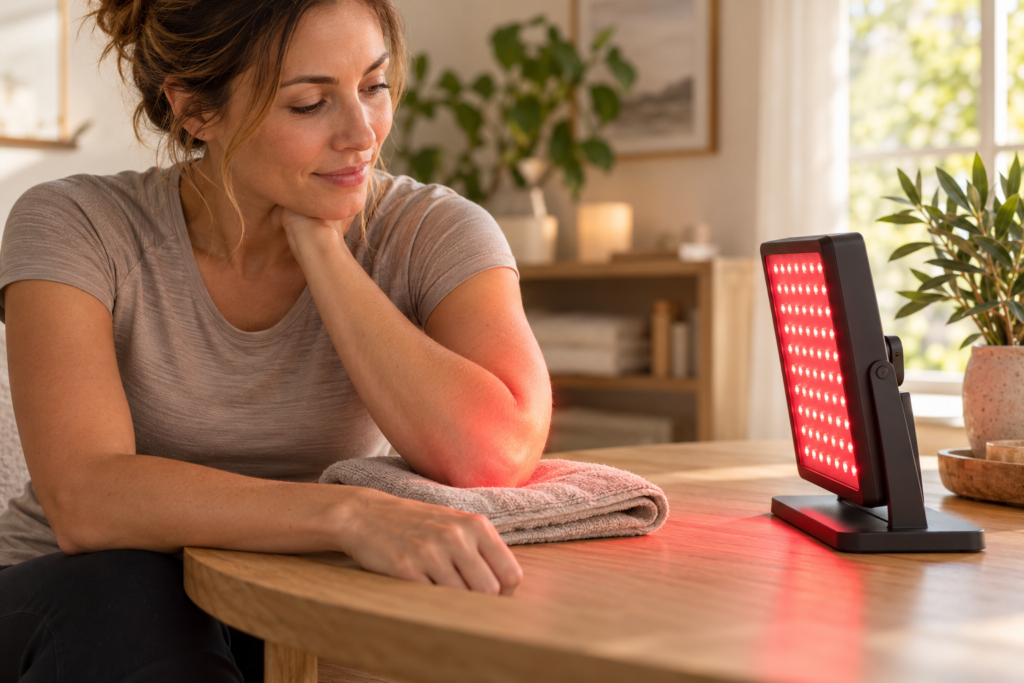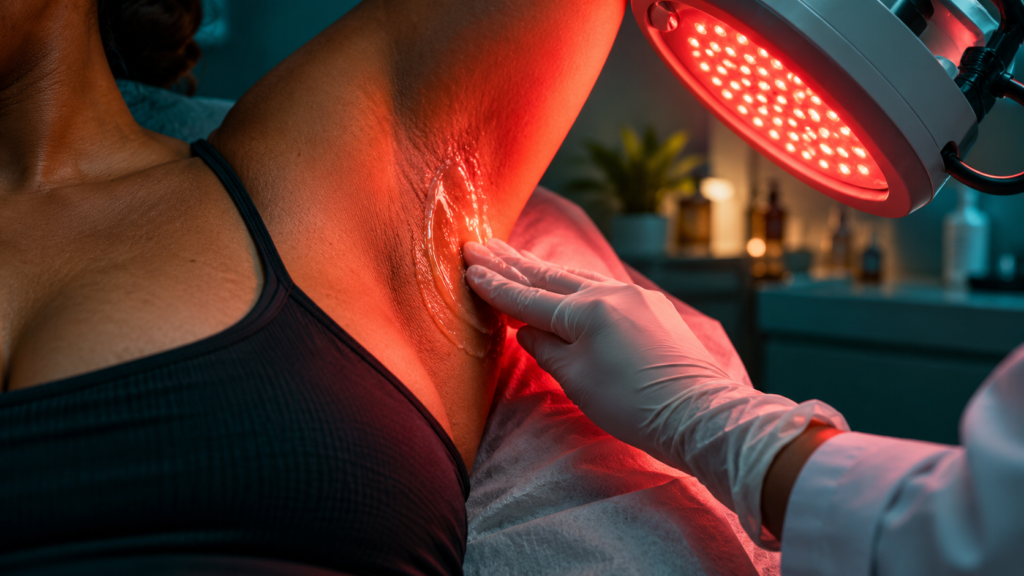

Red light therapy cellulite is one of the most searched and most heavily marketed combinations in the wellness space. Before weighing any device, it helps to start with a calm, honest fact: cellulite is a normal feature of human skin, especially common in women, and it is not a disease or a flaw that needs fixing. The headline on red light therapy cellulite is simple: there is no cure for cellulite, and red light therapy is not proven to remove it.
The headline on red light therapy cellulite is simple: there is no cure for cellulite, and red light therapy is not proven to remove it. At most, some research has explored whether light-based approaches might modestly affect the look of dimpled skin, and even that evidence is limited and mixed. Anyone promising to erase cellulite is overselling what is known.
What Cellulite Actually Is
Cellulite is the dimpled or uneven texture that commonly appears on the thighs, hips, buttocks, and abdomen. It develops as fat beneath the skin pushes against connective tissue, creating a puckered look. It is extremely common and is influenced by factors such as genetics, hormones, skin structure, and age. Importantly, cellulite appears across the full range of body sizes, including in people who are lean and active.
That last point is worth sitting with, because it reframes the entire conversation. Since cellulite is not simply a matter of excess fat or a lack of effort, it is not something a single product reliably eliminates. This is the foundation every red light therapy cellulite conversation should start from — treatments target appearance temporarily, not underlying structure permanently.
What the Research Suggests About Light and Cellulite
Red light therapy cellulite reduction has been investigated as one application of low-level laser or light therapy, often in combination with other procedures. A comprehensive review of low-level laser therapy for fat layer reduction includes cellulite among the uses studied, but its overall verdict is cautious: evidence for the therapy as a stand-alone procedure is inadequate, and the mechanism of action remains unclear and even somewhat controversial.
A review of the efficacy of low-level laser therapy for body contouring and spot fat reduction reinforces the same theme, noting that rigorous evidence of effectiveness, and a clear mechanism, are lacking. So while cellulite appears in the research literature, the studies do not establish that red light therapy on its own reliably improves it, let alone removes it.
Why the Cellulite Evidence Is Especially Limited
Red light therapy cellulite research is especially hard to evaluate because cellulite itself is difficult to study well. Its appearance can shift with hydration, posture, lighting, and time of day, and assessments are often subjective. Many studies are small, short, combine multiple treatments, or are conducted in commercial settings, which makes it hard to isolate what any single approach contributed. Cleveland Clinic notes more broadly that there is no scientific evidence to support red light therapy for cellulite removal, and that many red light studies in general are small or lack a placebo group. Low-quality, mixed evidence cannot support strong claims.

Setting Honest Expectations
Given all this, the responsible summary of red light therapy cellulite research is narrow.. Some research has explored light-based approaches for the look of cellulite, but the evidence is limited, mixed, and often tied to combination treatments, and the mechanism is unclear. If there is any effect, it would most plausibly be a modest, temporary influence on the appearance of a treated area — not a removal of cellulite and not a change to body fat or weight. Results would also vary considerably from person to person.
Framed this way, red light therapy might at most be considered a possible adjunct aimed at appearance, used within a healthy lifestyle and with realistic expectations. It is not a cellulite cure, and it should never be sold as one.
A Prominent, Kind Caution
Because red light therapy cellulite marketing is so tied to self-image and pressure, a clear and compassionate caution matters here. No device eliminates cellulite, and claims of permanent removal or dramatic transformation are not supported by the evidence. Cellulite is normal, and its presence says nothing about a person’s health or discipline. Red light therapy is not a replacement for medical or dermatologic care; anyone bothered by skin texture, or considering a clinical procedure, is best served by talking with a qualified professional who can give honest, individualized guidance.

What Genuinely Supports Skin and Overall Health
While no habit erases cellulite, supporting overall health is still worthwhile in its own right. The Centers for Disease Control and Prevention frames healthy living around nutrition, regular physical activity, adequate sleep, and stress management. These habits support general wellbeing and, for some people, body confidence — but they are valuable regardless of whether they change the look of dimpled skin, which they may not. Approaching skin texture from a place of self-acceptance, rather than a search for a cure, tends to be both kinder and more realistic.

Common Myths About Cellulite
Several persistent myths make cellulite harder to think about clearly. One is that cellulite is a sign of being overweight; in reality it appears across all body sizes, including in lean people, because it relates to skin structure and the way fat interacts with connective tissue rather than to body weight alone. Another is that it reflects poor effort or discipline, which is simply untrue given the strong roles of genetics, hormones, and skin anatomy. A third is that some device or cream can permanently remove it, when the honest picture is that treatments, at most, may temporarily influence appearance.
A fourth myth is that cellulite is a medical problem requiring correction. It is a normal variation in human skin, not a disease. Letting go of these myths makes it easier to evaluate any red light therapy cellulite product with a clear head rather than anxiety.
Temporary Appearance Versus Lasting Change
It is worth separating two ideas that red light therapy cellulite marketing often merges: temporarily influencing how skin looks versus lastingly changing its structure. Even where a treatment seems to smooth the look of skin for a while, that does not mean it has altered the underlying anatomy or removed cellulite. For red light specifically, the evidence does not establish either kind of effect reliably, so any change should be expected to be modest, temporary at most, and variable from person to person.
Using Red Light Therapy Sensibly
If someone still wishes to use a red light device for the goals it is actually associated with, such as general skin appearance, it is generally considered low-risk for healthy adults at consumer doses, with mild, temporary side effects. Cleveland Clinic notes it appears safe used short-term and as directed, while cautioning that long-term safety of home devices is not fully established and misuse can harm skin or unprotected eyes. Protect the eyes, follow the device guidance, and consult a professional first if you are pregnant, take photosensitizing medication, or have a relevant condition. Keep the goal modest and the expectations honest.
Ready to get your red light therapy device? See our brand and product reviews, and try out our product comparison tool to inform your decision.
The Bottom Line
Cellulite is normal and common, and red light therapy cellulite claims are not backed by strong evidence. Red light therapy is not proven to remove cellulite; the research that touches on it is limited, mixed, and often tied to combination treatments, with an unclear mechanism. At most, it might be explored as a possible adjunct aimed at the appearance of a treated area, within a healthy lifestyle and with realistic expectations. For honest guidance and any clinical options, a qualified professional is the right resource.
Frequently Asked Questions
Can red light therapy remove cellulite?
No. There is no cure for cellulite, and red light therapy is not proven to remove it. Red light therapy cellulite removal is simply not something the evidence supports.
Is cellulite a sign of being overweight or unhealthy?
No. Cellulite is a normal, very common feature of skin influenced by genetics, hormones, skin structure, and age. It appears across all body sizes, including in lean, active people.
What does the research on light and cellulite show?
It is limited and mixed. Red light therapy cellulite studies are often small, short, and combine multiple treatments, making it impossible to isolate any single effect.
Will lifestyle changes get rid of cellulite?
Healthy eating, activity, sleep, and stress management support overall health and are worthwhile, but they may not change the look of cellulite, which is normal. There is no guaranteed way to eliminate it.
Should I see a professional about cellulite?
If skin texture bothers you or you are considering a clinical procedure, a dermatologist or qualified professional can offer honest, individualized guidance. Red light therapy is not a substitute for that care.
This article is for general educational purposes only and is not medical advice. Red light therapy is not a substitute for professional care. Talk with a qualified healthcare professional about your individual situation.