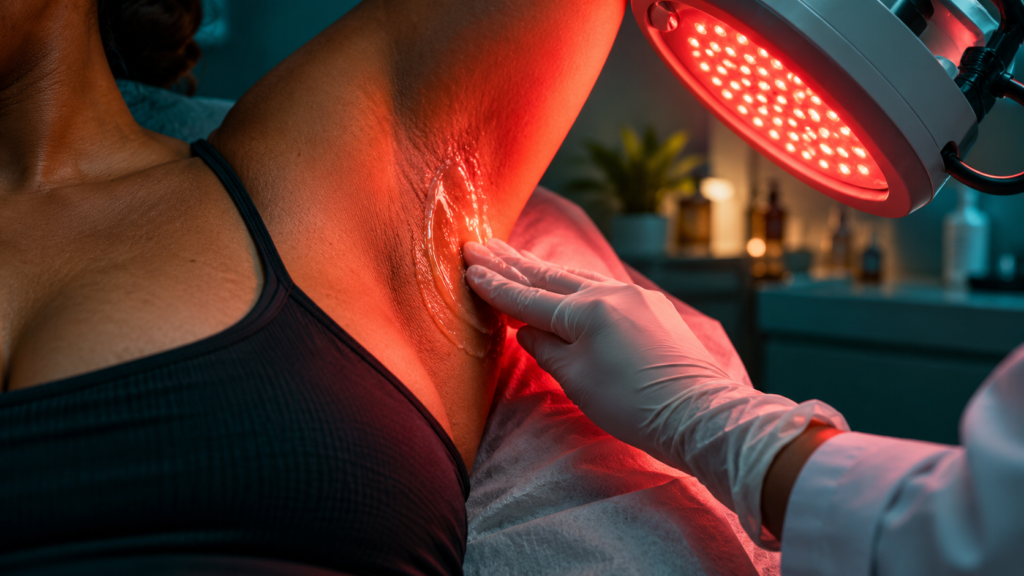

Red light therapy healthy lifestyle marketing makes it tempting to hope that a few minutes under a glowing panel could replace the harder work of changing how we eat and move. Red light therapy healthy lifestyle use means treating it as a minor extra — never a shortcut, and never a substitute for the habits that actually drive weight management.
The reason to be clear about this is practical, not preachy. People who pin their hopes on a device tend to be disappointed, and worse, they may delay or neglect the changes that genuinely help. Setting expectations correctly from the start protects both your money and your wellbeing.
What Real Weight Management Rests On
Health authorities are consistent about the foundations. The Centers for Disease Control and Prevention describes healthy weight loss as a lifestyle that combines healthy eating patterns, regular physical activity, enough sleep, and stress management, with gradual, steady progress of about one to two pounds per week being more sustainable than rapid loss. The CDC also emphasizes practical behavior skills: understanding your reasons, tracking habits, setting specific and realistic goals, finding support, and monitoring progress.
The National Institute of Diabetes and Digestive and Kidney Diseases echoes this. It describes a genuine weight-loss program as one built on a reduced-calorie eating plan, a physical activity plan where appropriate, guidance and support for changing behavior, and a plan for keeping weight off. Notice what appears on these lists and what does not. A red light therapy healthy lifestyle does not put the device at the center.
Why There Are No Shortcuts
A red light therapy healthy lifestyle approach has to start with one honest admission: there are no shortcuts, and that is not cynicism — it is how bodies work. The NIDDK explicitly warns people to avoid programs that promise weight loss without diet or exercise, weight loss while eating anything you want, or loss in a specific part of the body. Those promises are red flags precisely because lasting change comes from sustained habits, not from a passive intervention.
Red light therapy fits this caution. As covered across this category, the research behind its weight-related claims mostly measured small, sometimes temporary changes in the circumference of treated areas — not fat loss or weight loss — and major reviews call the stand-alone evidence inadequate with an unclear mechanism. A tool with that profile cannot reasonably be the centerpiece of a weight plan. It is, at best, a small accessory.
The Risk of Treating a Device as the Main Event
The subtle harm in over-trusting a gadget is that it pulls focus away from what a red light therapy healthy lifestyle actually requires. Time, attention, and money spent chasing a passive fix are resources not spent on the habits that work. If a person buys a device expecting it to handle their weight, they may ease off on nutrition and activity, or feel defeated when the scale does not move. Keeping red light therapy firmly in the role of a minor extra helps avoid that trap and keeps the focus where results actually come from.

How a Light Routine Might Reasonably Fit
So is there any place for red light therapy healthy lifestyle use? Possibly, in a modest way. If someone already enjoys a brief session for skin or recovery goals, that few minutes can serve as a small, pleasant anchor in a routine — a cue to slow down, much like a stretching habit. Build the foundation first, and let red light therapy healthy lifestyle use be one optional thread woven in on top.
The key is sequence and proportion. Build the foundation first: a sustainable eating pattern, regular movement you can stick with, adequate sleep, and supportive habits. If a light routine then adds a little enjoyment on top, fine. But it should never come before those basics, and it should never be expected to compensate for their absence.
Building the Habits That Actually Matter
The encouraging news about a red light therapy healthy lifestyle is that the foundational habits are flexible and forgiving. The CDC suggests starting small and specific — swapping sugary drinks for water, adding a short daily walk, or putting a vegetable on the plate at dinner — and focusing on just two or three goals at a time. It also normalizes setbacks, encouraging people to get back on track rather than abandon the effort. The NIDDK adds that monitoring eating, sleep, and activity, and getting support from a professional or group, improves the odds of long-term success.
None of these steps require a device, and all of them are within reach. They are also the steps most likely to pay off, which is exactly why they deserve the lead role.

The Quiet Importance of Sleep and Stress
Two foundations are easy to overlook because they are not about the plate or the gym: sleep and stress. The CDC explicitly includes enough sleep and stress management in its description of a healthy weight-loss lifestyle, and it encourages tracking sleep alongside nutrition and activity. Sleep and stress influence energy, appetite, mood, and the daily choices that add up over time, which is why they belong in the foundation rather than as afterthoughts.
This is also where the contrast with a light device is sharpest. No panel can substitute for consistent, sufficient sleep or for healthier ways of coping with stress. If anything, the few calm minutes some people enjoy during a red light session are valuable mainly as a small relaxation cue — a tiny prompt to slow down — not as a metabolic intervention. Naming sleep and stress as priorities keeps a red light therapy healthy lifestyle grounded in factors that genuinely shape weight management.

Why Patience and Consistency Win
Perhaps the most underrated ingredient in a red light therapy healthy lifestyle is time. The CDC notes that gradual, steady weight loss of about one to two pounds a week is more sustainable than rapid loss, and it normalizes occasional setbacks as a built-in part of the process rather than a failure. That framing matters, because the appeal of a device is often the promise of speed, and speed is precisely what the evidence does not deliver.
Consistency, by contrast, compounds. Small repeated choices — a daily walk, water instead of soda, a regular bedtime — do more over months than any single dramatic effort. A red light routine, if it is enjoyable, can ride along with those habits, but it will never be the reason they work. Keeping patience and consistency at the center is both the realistic strategy and the one health authorities actually endorse.
A Clear Caution
To be direct: red light therapy healthy lifestyle framing should never include the words effortless or guaranteed weight loss. Be wary of any product or program that frames a light device as effortless or guaranteed weight loss. If you have questions about your weight or health, the right move is to talk with a healthcare professional, who can help you build a safe, realistic plan, and the FTC even notes that false weight-loss claims can be reported. A light routine, if you enjoy it, is a small extra — nothing more.
The Bottom Line
Real red light therapy healthy lifestyle use means putting nutrition, physical activity, sleep, and behavior first — not shortcuts, and not light devices. Red light therapy is not a weight-loss tool, and its weight-related evidence is modest and mixed. At most, it can be a minor, optional extra within a healthy lifestyle, layered on top of habits that do the real work. Build the foundation first, keep expectations honest, and lean on a professional for guidance that fits you.
Ready to get your red light therapy device? See our brand and product reviews, and try out our product comparison tool to inform your decision.
Frequently Asked Questions
Is red light therapy a shortcut to weight loss?
No. There are no shortcuts to weight management. Red light therapy healthy lifestyle use means building on real fundamentals, not replacing them.
Can I skip diet and exercise if I use red light therapy?
No. Health authorities like the NIDDK specifically warn against any approach promising weight loss without diet or exercise. Sustainable change comes from consistent habits, not a passive device.
How might red light therapy fit into a healthy routine?
At most as a minor extra. A red light therapy healthy lifestyle keeps the device as a minor extra, never the foundation.
What habits actually support weight management?
The CDC points to healthy eating patterns, regular physical activity, enough sleep, and stress management, plus behavior skills like setting realistic goals, tracking progress, and finding support.
Who should I talk to about losing weight safely?
A healthcare professional can help you build a safe, realistic plan tailored to you. The NIDDK also suggests asking whether a program is backed by evidence before joining it.
This article is for general educational purposes only and is not medical advice. Red light therapy is not a substitute for professional care. Talk with a qualified healthcare professional about your individual situation.