If you have spent time in a physical therapy or rehabilitation clinic, you may have seen a handheld light device or a panel used alongside exercises and hands-on treatment. That raises a fair question: how does red light therapy actually fit into physical therapy, and what should you expect from it? This article frames red light therapy the way the evidence supports — as a possible adjunct that some clinicians use alongside the core work of exercise and manual therapy, never as a stand-alone cure, and always best used under professional guidance. Studies on red light therapy physical therapy have drawn increasing attention from researchers.
The distinction between an adjunct and a treatment is the heart of this topic. Physical therapy works primarily through active, guided rehabilitation. Where light is used, it is an addition to that process, not the engine of it. When examining red light therapy physical therapy, it helps to look carefully at the underlying research.
What Red Light Therapy Is
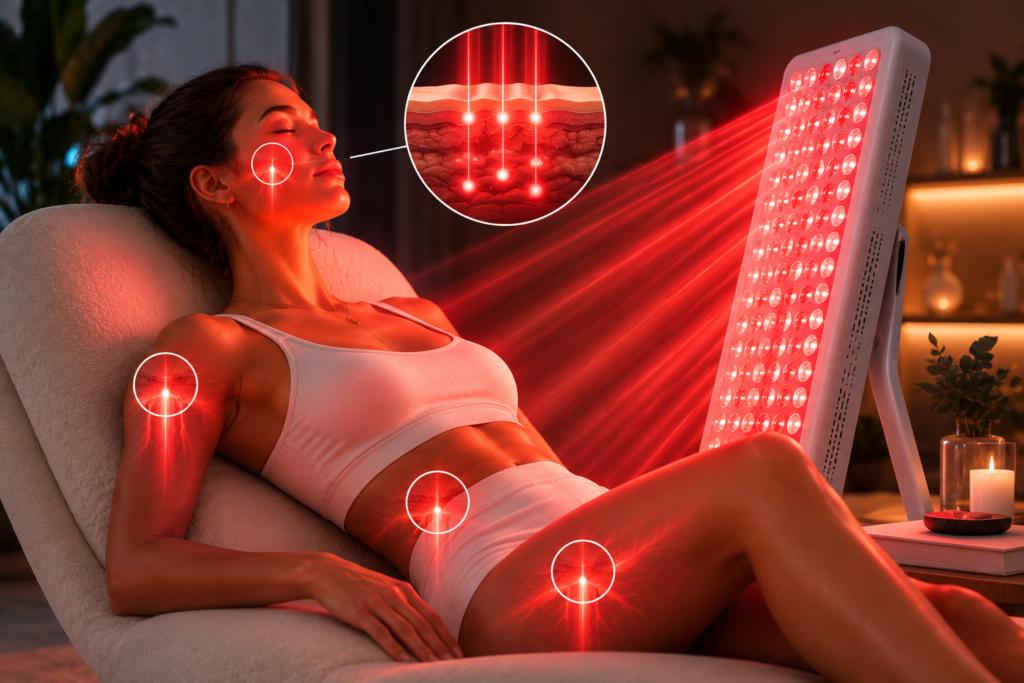
Red light therapy, also called photobiomodulation (PBM) or low-level laser therapy (LLLT), uses low doses of red and near-infrared light. According to Cleveland Clinic, it uses low levels of red or near-infrared light to influence cells without damaging the skin, and it does not contain ultraviolet rays. In clinical settings, practitioners may use laser or LED devices on specific areas as part of a wider plan. [source] The evidence around red light therapy physical therapy remains an active area of investigation.
The proposed mechanism involves light being absorbed by cellular structures, particularly the mitochondria, potentially supporting cellular energy and signals tied to repair and balanced inflammation. As with all uses, a plausible mechanism does not guarantee a reliable clinical effect, which is why responsible clinicians treat light as a supportive option rather than a centerpiece. For those exploring red light therapy physical therapy, setting realistic expectations matters.
Why Clinicians May Use It as an Adjunct
The core of physical therapy is well established: progressive exercise, movement retraining, manual therapy, and education tailored to the person. Some practitioners add photobiomodulation to that mix in the hope of supporting comfort or recovery so that patients can engage more fully with their exercises. The professional organization for the field, the World Association for Photobiomodulation Therapy (WALT), publishes guidance on parameters such as wavelength and dose, reflecting that light-based therapy is used within clinical practice under defined protocols. [source] Understanding red light therapy physical therapy requires separating marketing claims from published data.
Importantly, the way light tends to appear in research mirrors this adjunct role. A systematic review and meta-analysis of low-level laser therapy combined with exercise therapy for knee osteoarthritis examines light as an addition to exercise, not a substitute for it — consistent with how thoughtful clinicians position it. Anyone researching red light therapy physical therapy will find the science is still developing.
What Physical Therapy Actually Does
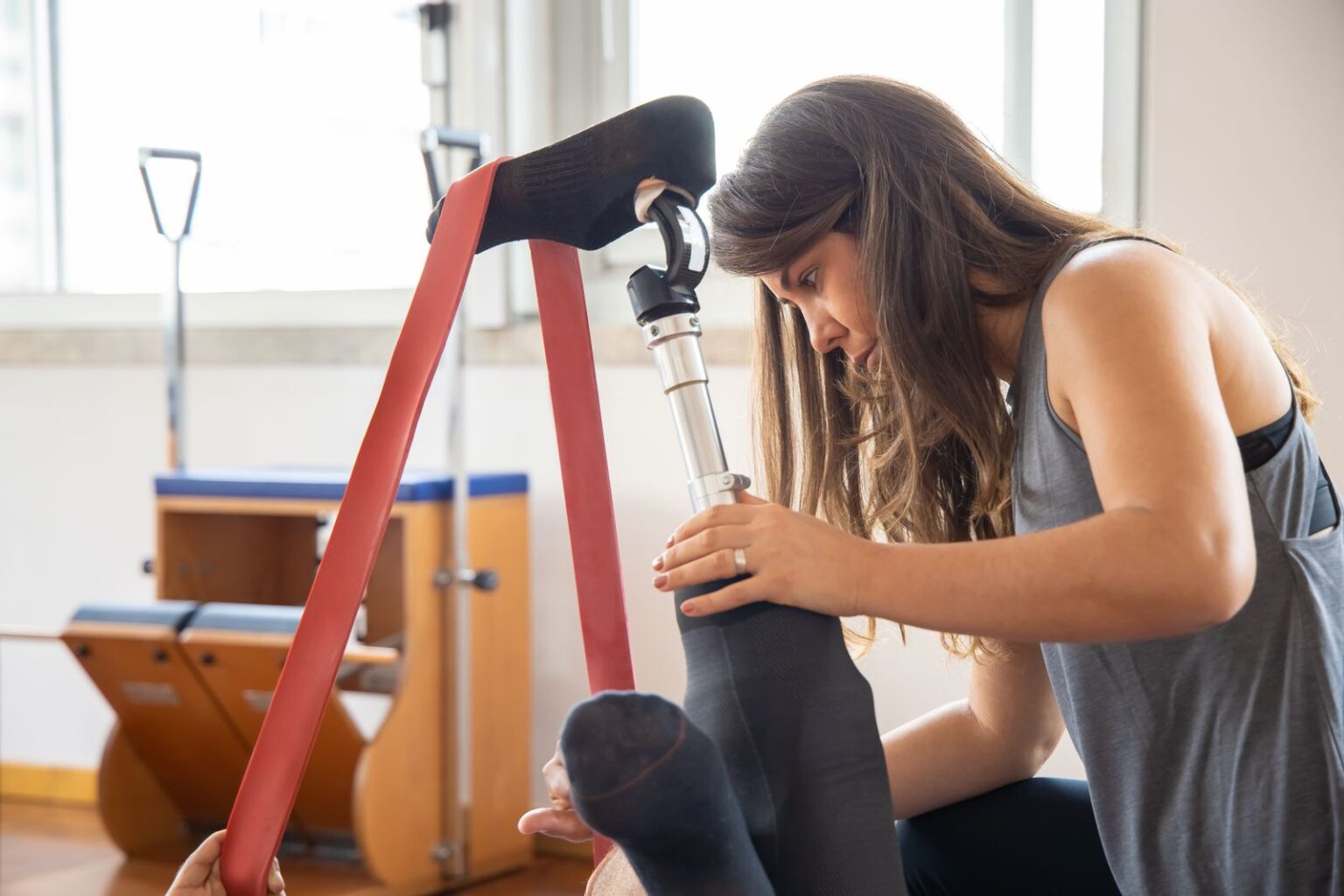
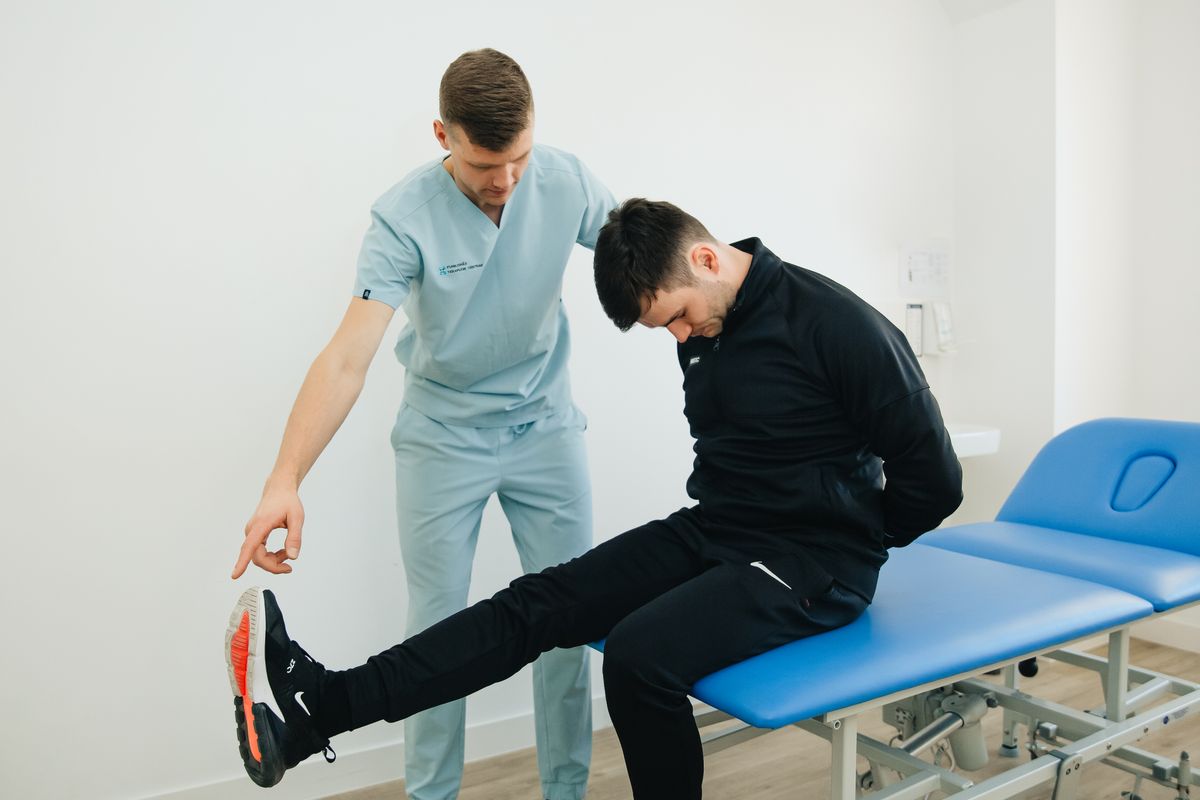
To see where light fits, it helps to be clear about what physical therapy is. A physical therapist assesses how you move, identifies contributing factors such as weakness, stiffness, or movement patterns, and builds an individualized plan. That plan usually centers on progressive exercise to rebuild strength and capacity, alongside manual techniques, movement retraining, and education about activity and load. The active ingredients are the things you do and practice over time. This is why rehabilitation asks for participation rather than passive treatment: the adaptations that reduce pain and restore function come largely from the body responding to graded, consistent demands. Any passive add-on, light included, is layered onto that active core rather than substituting for it. [source] The current state of red light therapy physical therapy research points to early, modest findings.

What the Research Suggests
Evidence for light as an adjunct is mixed and condition-dependent, which is why professional judgment matters. For neck pain, a systematic review of low-level laser therapy reported that LLLT may offer some benefit for certain patients, while still calling for careful interpretation and noting variation across studies. For knee osteoarthritis, the combined-with-exercise literature again points to light being studied as a complement to active rehabilitation. [source] Interest in red light therapy physical therapy has grown alongside broader photobiomodulation research.
The reasonable conclusion is that, for some conditions and some patients, light may add modest value when layered onto proven care. It is not a reliable stand-alone treatment, and the strength of any benefit depends on the condition, the dose, the device, and the individual. Most published reviews on red light therapy physical therapy call for larger, better-controlled trials.
An Honest Summary
Red light therapy is best understood as one possible tool a clinician might include within a rehabilitation plan, alongside exercise and manual therapy. The active, guided components of physical therapy carry the strongest evidence. Light, where used, is supportive — not a cure, and not a reason to skip the harder work of rehabilitation. A clear-eyed look at red light therapy physical therapy means separating anecdote from controlled evidence.

How It Might Fit Into a Plan
In practice, a clinician who uses photobiomodulation typically applies it to a specific area as one element of a session, then continues with the exercises and techniques that drive recovery. For someone doing rehabilitation, the most productive mindset is to let the exercise program lead and to view any light component as an extra that supports that work. Following the clinician’s instructions on frequency and dose is part of using it sensibly, since more is not better and research describes a biphasic dose response. Consulting a healthcare provider about red light therapy physical therapy is always a sensible step.
If you are using a home device between appointments, it is worth telling your physical therapist so it can be coordinated with your plan rather than working at cross-purposes with it. Devices marketed for red light therapy physical therapy vary widely in power output and wavelength.
Questions Worth Asking Your Clinician
If a clinic offers photobiomodulation or you are considering a home device, a few questions keep the conversation grounded. Is light a reasonable addition for my specific condition, or is the evidence too thin to bother? How does it fit around my exercises, and what should remain my priority? What parameters and frequency do you suggest, and why? Are there reasons it would not be appropriate for me? And how will we judge whether it is adding anything? Clinicians who answer these in measured terms, and who keep your exercise program at the center, are treating light the way the evidence supports. Practitioners field frequent questions about red light therapy physical therapy from clients.
Safety and Professional Guidance
For healthy adults, red light therapy at typical doses is generally considered low-risk, with side effects that tend to be mild and temporary. The most important safeguard, though, is professional guidance. A qualified clinician can determine whether light is appropriate for your situation, set sensible parameters, and ensure it is not delaying or replacing care you actually need. Red light therapy is not a substitute for a proper assessment, diagnosis, and rehabilitation plan. Studies on red light therapy physical therapy have drawn increasing attention from researchers.
You should see a professional for persistent, severe, or worsening pain, for an injury, or for any symptom that concerns you. Self-treating a significant problem with a light device instead of seeking care can mean missing treatment that works. When examining red light therapy physical therapy, it helps to look carefully at the underlying research.
Keeping Expectations Realistic: Red light therapy physical therapy Notes
If red light therapy contributes to your rehabilitation at all, it is likely to be a modest, supportive contribution layered on top of exercise and manual therapy. Some people may notice little difference. Viewing it as a possible complement within a professionally guided plan — rather than a treatment in its own right — keeps expectations grounded and protects the central role of active rehabilitation.
It also helps to judge your progress by the things that matter most in rehabilitation: your strength, your range of motion, your function in daily life, and your ability to do the activities you care about. If those are improving, the credit belongs largely to the consistent work of your exercise program. If they are not, the answer is usually to revisit that program with your clinician rather than to add or intensify a passive treatment. Keeping the focus on active progress is the surest way to use any adjunct, including light, in proper perspective.
The Bottom Line
Within physical therapy, red light therapy is best framed as a possible adjunct that some clinicians use alongside exercise and manual therapy, supported by mixed and condition-dependent evidence. It is not a stand-alone cure, and the active components of rehabilitation carry the strongest evidence. Used under professional guidance, with realistic expectations and proper care for any significant problem, it can be a reasonable complementary tool — one piece of a plan, not the plan itself.
Frequently Asked Questions
Can red light therapy replace physical therapy?
No. The active components of physical therapy, especially exercise and manual therapy, carry the strongest evidence. Red light therapy is at most a possible adjunct used alongside that care, not a replacement for it.
Why do some clinics use red light or laser devices?
Some practitioners add photobiomodulation in the hope of supporting comfort or recovery so patients can engage with their exercises. Professional guidance, such as WALT parameters, shapes how it is used within a plan.
Does the research support red light therapy in rehab?
Evidence is mixed and condition-dependent. For some conditions and patients it may add modest value when layered onto proven care, but it is not a reliable stand-alone treatment.
Should I tell my physical therapist if I use a home device?
Yes. Sharing that information lets your therapist coordinate it with your plan, set sensible parameters, and make sure it supports rather than works against your rehabilitation.
Is red light therapy safe to combine with physical therapy?
For most healthy adults at consumer doses it is generally considered low-risk, with mild, temporary effects. The key safeguard is professional guidance, and it should never delay care you actually need.
Ready to get your red light therapy device? See our brand reviews and product reviews, and try out our product comparison tool to inform your decision.