Sleep is one of the most searched-for wellness topics, and red light therapy is increasingly mentioned as a possible aid. If you have seen claims that red light panels can transform your sleep, it is worth pausing to ask what the research actually shows. The honest answer is that the evidence is early and limited, and red light therapy is not a treatment for any sleep disorder. This article walks through what is known, what is merely suggested, and how to think about red light therapy as one small part of a healthy approach to rest. Studies on red light therapy sleep have drawn increasing attention from researchers.
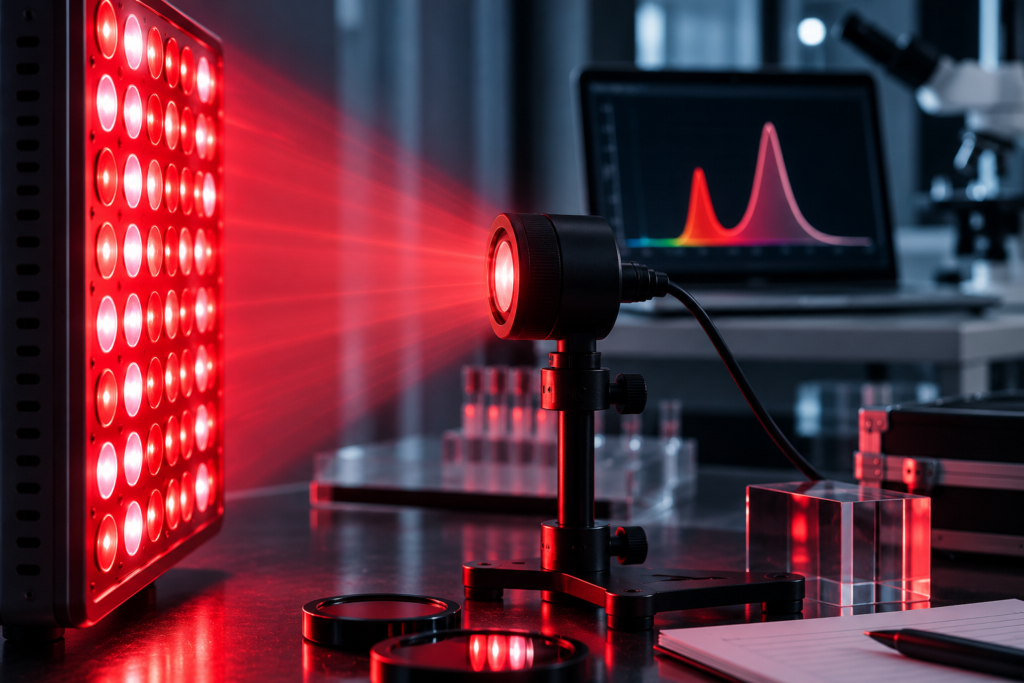
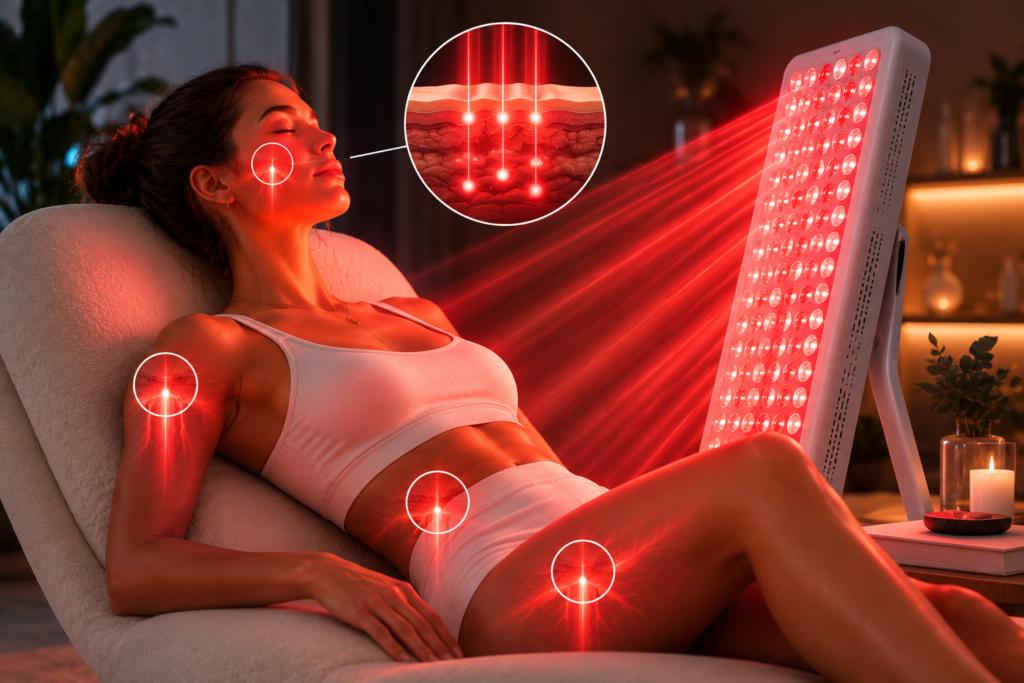
Before going further, it helps to be clear about terms. Red light therapy — also called photobiomodulation — uses low-intensity red and near-infrared light delivered to the skin or body. That is different from general evening light hygiene (keeping lights dim and warm at night) and different again from bright light boxes used through the eyes for circadian or seasonal concerns. These are three distinct things, and conflating them is a common source of confusion. When examining red light therapy sleep, it helps to look carefully at the underlying research.
Why Light and Sleep Are Connected
Light is the single most powerful cue for the body’s internal clock. According to the Sleep Foundation, light exposure helps set the timing of sleep and wakefulness, and bright light — especially blue-enriched light — in the evening can make it harder to wind down. This is largely because light entering the eyes influences the production of melatonin, a hormone associated with the onset of sleep. [source] The evidence around red light therapy sleep remains an active area of investigation.
This is where an important distinction enters. Not all light affects the body clock equally. Blue and bright white light have the strongest suppressing effect on evening melatonin, while red wavelengths appear to have minimal melatonin-suppressing effect. That difference is part of why red light is often discussed more favorably than blue light in the context of evening routines. For those exploring red light therapy sleep, setting realistic expectations matters.
What the Single Small Trial Actually Found
Much of the interest in red light therapy for sleep traces back to one small randomized controlled trial involving Chinese female basketball players. In that study, a group that received red light therapy over two weeks showed improvements in subjective sleep quality and higher melatonin levels compared with a control group. The researchers suggested red light might have a positive influence on sleep. [source] Understanding red light therapy sleep requires separating marketing claims from published data.
It is essential to read this result carefully. This was a single, small study in a specific population — elite athletes with demanding training schedules — not the general public. The sample was limited, the duration short, and the findings have not been widely replicated in larger, more diverse groups. In short, it is a preliminary and intriguing signal, not proof. Describing red light therapy as a proven sleep aid would go well beyond what this evidence supports. Anyone researching red light therapy sleep will find the science is still developing.
Why One Study Is Not Enough
In health research, a single small trial is a starting point, not a conclusion. Effects seen in a small group may not hold up when studied in larger samples, and athletes may respond differently than people who are sedentary, older, or living with health conditions. Reliable conclusions usually require multiple well-designed studies pointing in the same direction. For red light therapy and sleep, that larger body of evidence simply does not yet exist, and more research is needed before any confident claims can be made. [source] The current state of red light therapy sleep research points to early, modest findings.

How Red Light Therapy Is Thought to Work
The proposed biological mechanism behind red light therapy centers on the mitochondria, the energy-producing structures inside cells. Researchers including Michael Hamblin have described how red and near-infrared light may be absorbed by an enzyme called cytochrome c oxidase, potentially supporting cellular energy production and influencing signaling related to repair and inflammation. Cleveland Clinic similarly notes that red light therapy uses low levels of light to act on cells without damaging the skin. [source] Interest in red light therapy sleep has grown alongside broader photobiomodulation research.
That mechanism, however, explains general cellular effects. It does not establish that shining red light on the body reliably improves sleep. A plausible mechanism and a proven outcome are two different things, and the gap between them is exactly why caution is warranted here. Most published reviews on red light therapy sleep call for larger, better-controlled trials.
Red Light’s Minimal Effect on Melatonin
One reason red light is viewed differently from blue light at night is its apparent gentleness toward melatonin. While bright and blue-enriched light can suppress evening melatonin and delay sleep timing, red wavelengths seem to have far less of this effect. This does not mean red light actively boosts sleep for everyone; rather, it suggests that warm, dim, red-toned light is less likely to interfere with the natural wind-down process than bright blue-white light. A clear-eyed look at red light therapy sleep means separating anecdote from controlled evidence.
This is a meaningful but modest point. Choosing warmer, dimmer light in the evening is a sensible part of light hygiene that the Sleep Foundation supports. Whether a dedicated red light therapy device adds anything beyond that general principle is not well established. Consulting a healthcare provider about red light therapy sleep is always a sensible step.
What Red Light Therapy Is Not
It is worth stating plainly: red light therapy is not a treatment or cure for insomnia or any sleep disorder, and it does not guarantee better sleep. If you regularly struggle to fall asleep, stay asleep, or feel rested, that warrants attention from a healthcare professional rather than reliance on a wellness device. Persistent sleep difficulties can have many causes, some of which need proper evaluation and care. Devices marketed for red light therapy sleep vary widely in power output and wavelength.
Red light therapy also should not be confused with bright light therapy boxes, which deliver intense light through the eyes and are used under guidance for certain circadian and seasonal issues. Those are a separate tool with separate evidence, and they are not interchangeable with red light panels aimed at the skin. Practitioners field frequent questions about red light therapy sleep from clients.
Where Red Light Therapy Might Reasonably Fit
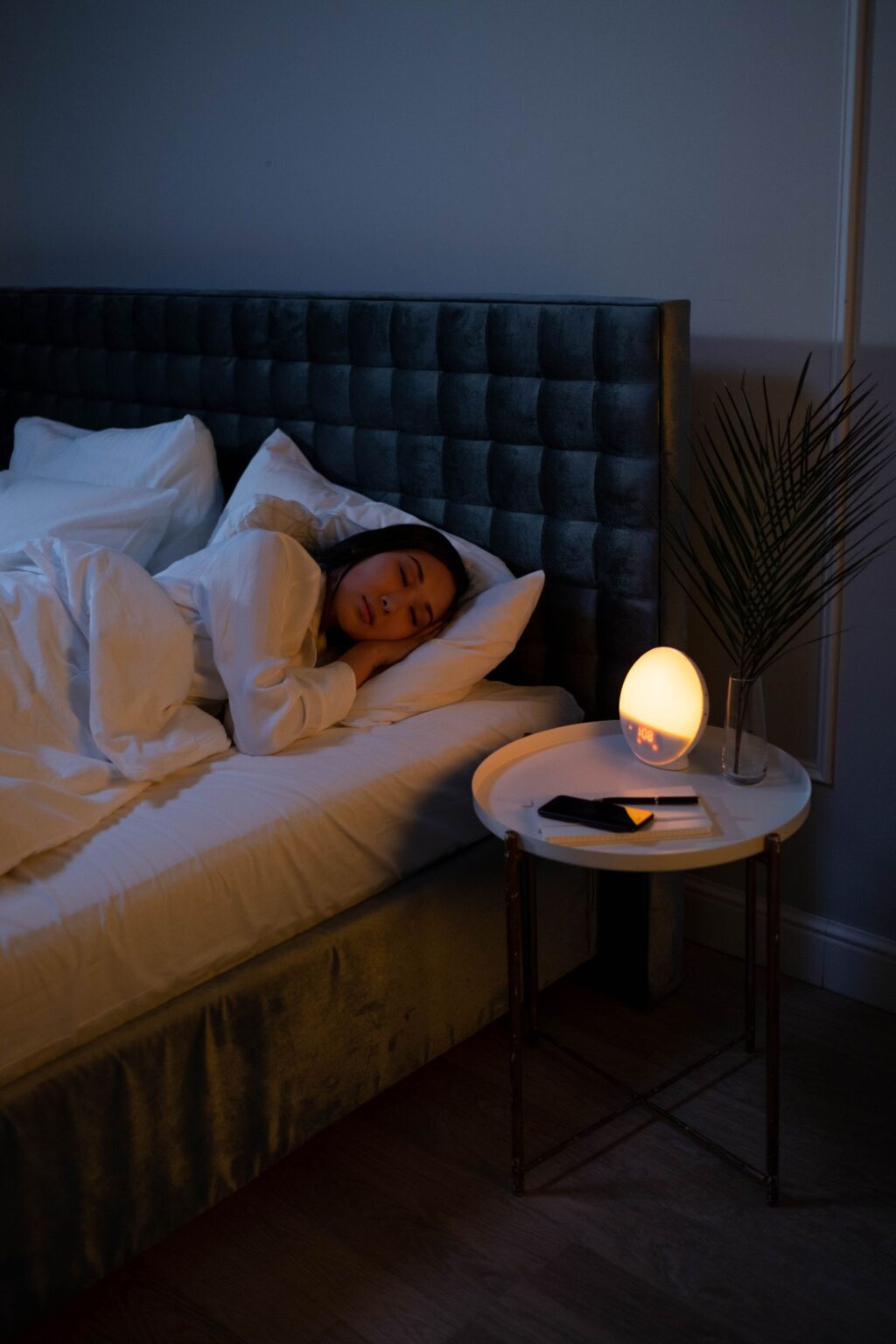
Given the limited evidence, the most honest way to frame red light therapy and sleep is this: it may support a relaxing wind-down routine for some people, largely because using a warm, low-intensity light source in the evening fits with good light hygiene and a calming pre-bed ritual. Some people enjoy the routine of a few quiet minutes with a red light device as part of unwinding, and that ritual itself — slowing down, dimming the lights, stepping away from screens — aligns with well-established sleep advice. Studies on red light therapy sleep have drawn increasing attention from researchers.
In other words, any benefit may come as much from the relaxing context as from the light itself. Viewed this way, red light therapy can be a pleasant addition to a wind-down routine without being treated as a sleep cure. When examining red light therapy sleep, it helps to look carefully at the underlying research.
Foundations That Matter More: Red light therapy sleep Notes
Whatever role red light therapy plays, it should never displace the fundamentals of healthy sleep. The Sleep Foundation and other health authorities emphasize consistent sleep and wake times, a cool, dark, quiet bedroom, limiting bright light and screens before bed, regular physical activity, and being mindful of caffeine and alcohol. These habits have far stronger evidence behind them than any light device, and they are the foundation on which good sleep rests.
If you are curious about red light therapy, the sensible approach is to keep your expectations modest, treat it as a complement to solid sleep habits rather than a replacement, and pay attention to how you actually feel over time. Results vary from person to person, and what helps one individual may do little for another.
The Bottom Line
Red light therapy and sleep is an area of genuine but very early interest. A single small trial in athletes hinted at a possible benefit, and red light’s minimal effect on melatonin makes it a gentler evening option than blue light. Still, the evidence is thin, red light therapy is not a treatment for any sleep disorder, and more research is needed. Approached as one small, relaxing part of a broader, well-established sleep routine — and never as a substitute for professional care when sleep problems persist — it can have a reasonable place. Just hold the claims, and your expectations, gently.
Frequently Asked Questions
Can red light therapy cure insomnia?
No. Red light therapy is not a treatment or cure for insomnia or any sleep disorder. Persistent sleep problems should be evaluated by a healthcare professional.
Is there strong evidence that red light therapy improves sleep?
No. Evidence is very limited, resting largely on one small trial in athletes. It is preliminary, and more research is needed before any confident claims can be made.
Does red light suppress melatonin like blue light?
Red wavelengths appear to have minimal melatonin-suppressing effect, unlike bright blue light. That is one reason warm, dim light is preferred in the evening.
Is red light therapy the same as a bright light therapy box?
No. Bright light boxes deliver intense light through the eyes for circadian or seasonal issues. Red light therapy uses red and near-infrared light on the skin and is a different tool.
Should I use red light therapy instead of seeing a doctor about my sleep?
No. Red light therapy is not a replacement for medical care. If you have ongoing sleep difficulties or a suspected sleep disorder, speak with a healthcare professional.
Ready to get your red light therapy device? See our brand reviews and product reviews, and try out our product comparison tool to inform your decision.