If you are interested in sleeping better, the most valuable place to start is not a device but a set of well-established habits collectively known as sleep hygiene. These fundamentals are where the real, evidence-supported work happens. Red light therapy, by contrast, is at most a minor optional add-on with very limited sleep evidence behind it. This guide puts the fundamentals first and gives red light therapy its honest, modest place. Studies on sleep hygiene and red light therapy have drawn increasing attention from researchers.
That ordering matters. It is easy to hope that a glowing panel will fix restless nights, but the habits that genuinely shape sleep are less glamorous and more reliable. Getting those right will do more for your rest than any single gadget. When examining sleep hygiene and red light therapy, it helps to look carefully at the underlying research.
What Sleep Hygiene Actually Means
Sleep hygiene refers to the everyday behaviors and environmental conditions that support consistent, good-quality sleep. According to the Sleep Foundation, mastering sleep hygiene involves a handful of repeatable practices rather than any one trick. The CDC similarly emphasizes that adequate, regular sleep is a cornerstone of overall health. None of this requires special equipment. [source] The evidence around sleep hygiene and red light therapy remains an active area of investigation.
The Core Fundamentals
A Consistent Schedule
Going to bed and waking up at roughly the same times, including on weekends, helps stabilize your body’s internal clock. The Sleep Foundation lists a steady schedule among the most important habits, because regularity makes it easier to fall asleep and wake naturally. [source] [source] For those exploring sleep hygiene and red light therapy, setting realistic expectations matters.
A Dark, Quiet, Cool Bedroom
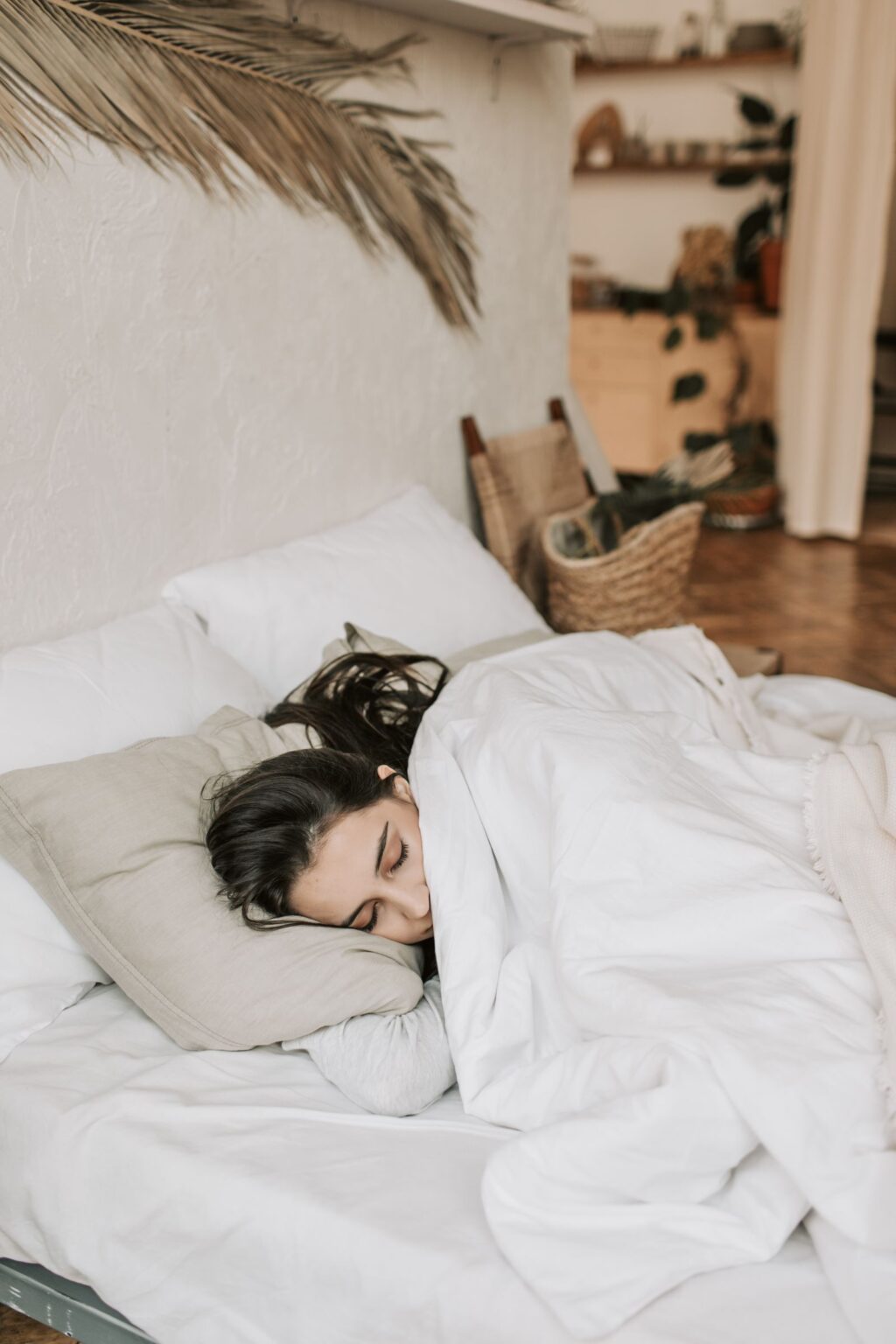
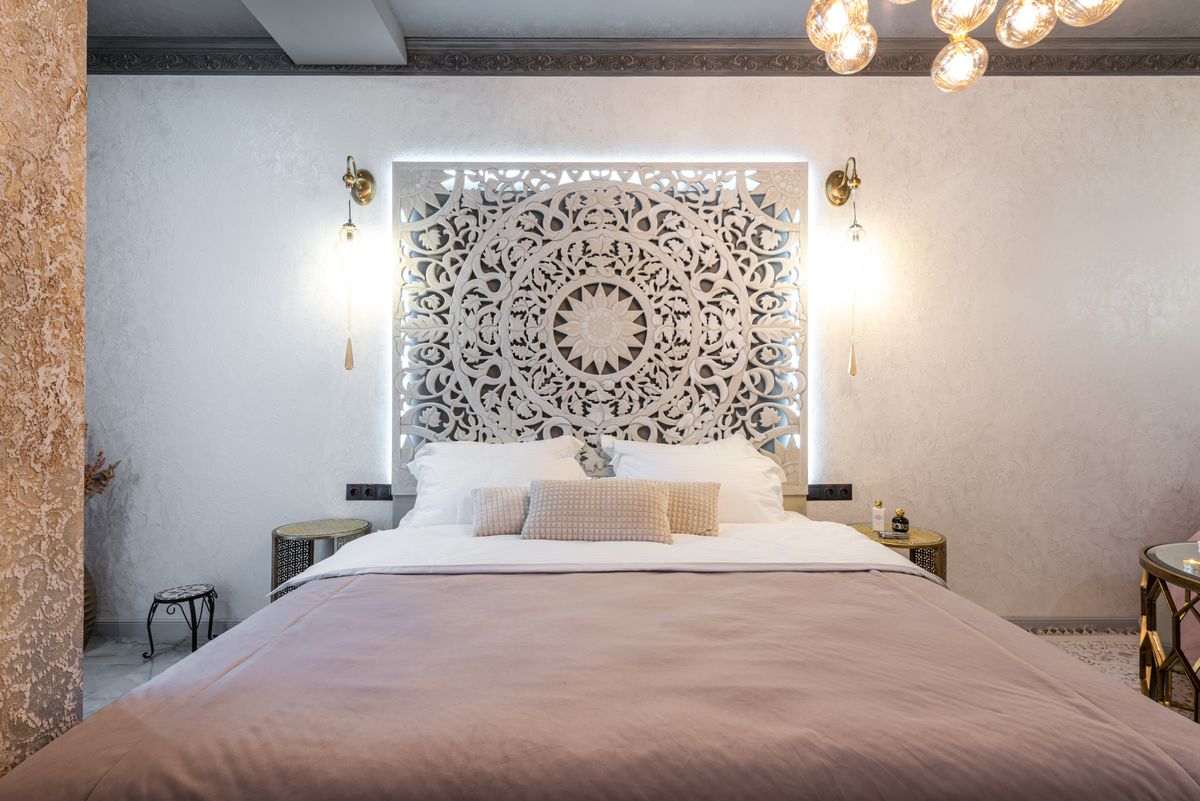
Your environment sends powerful signals. A bedroom that is dark, quiet, and on the cooler side supports the body’s transition into sleep. Light is an especially strong cue, which is why minimizing bright light in the evening and keeping the bedroom dark at night are standard recommendations. [source] Understanding sleep hygiene and red light therapy requires separating marketing claims from published data.
An Evening Wind-Down
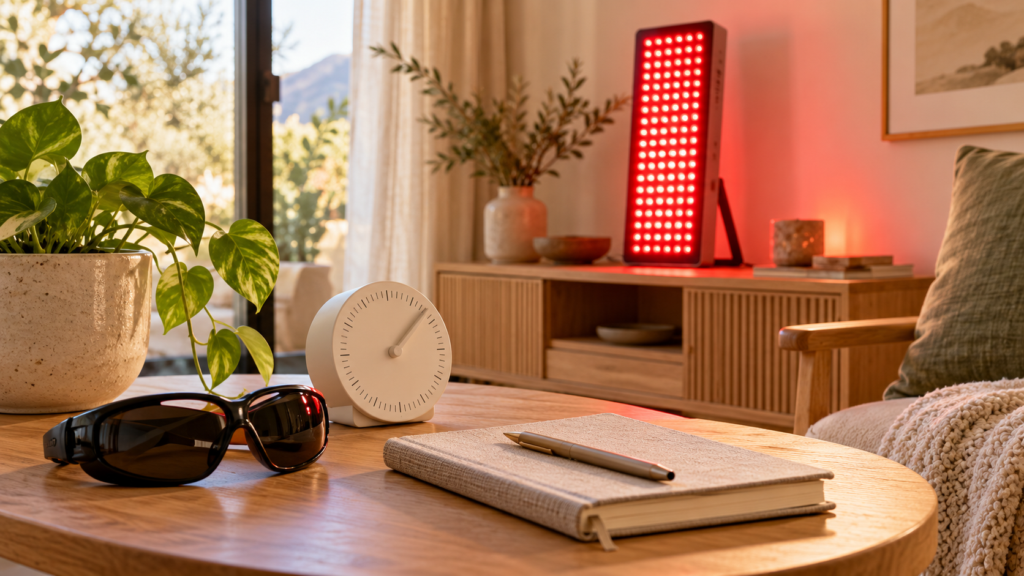
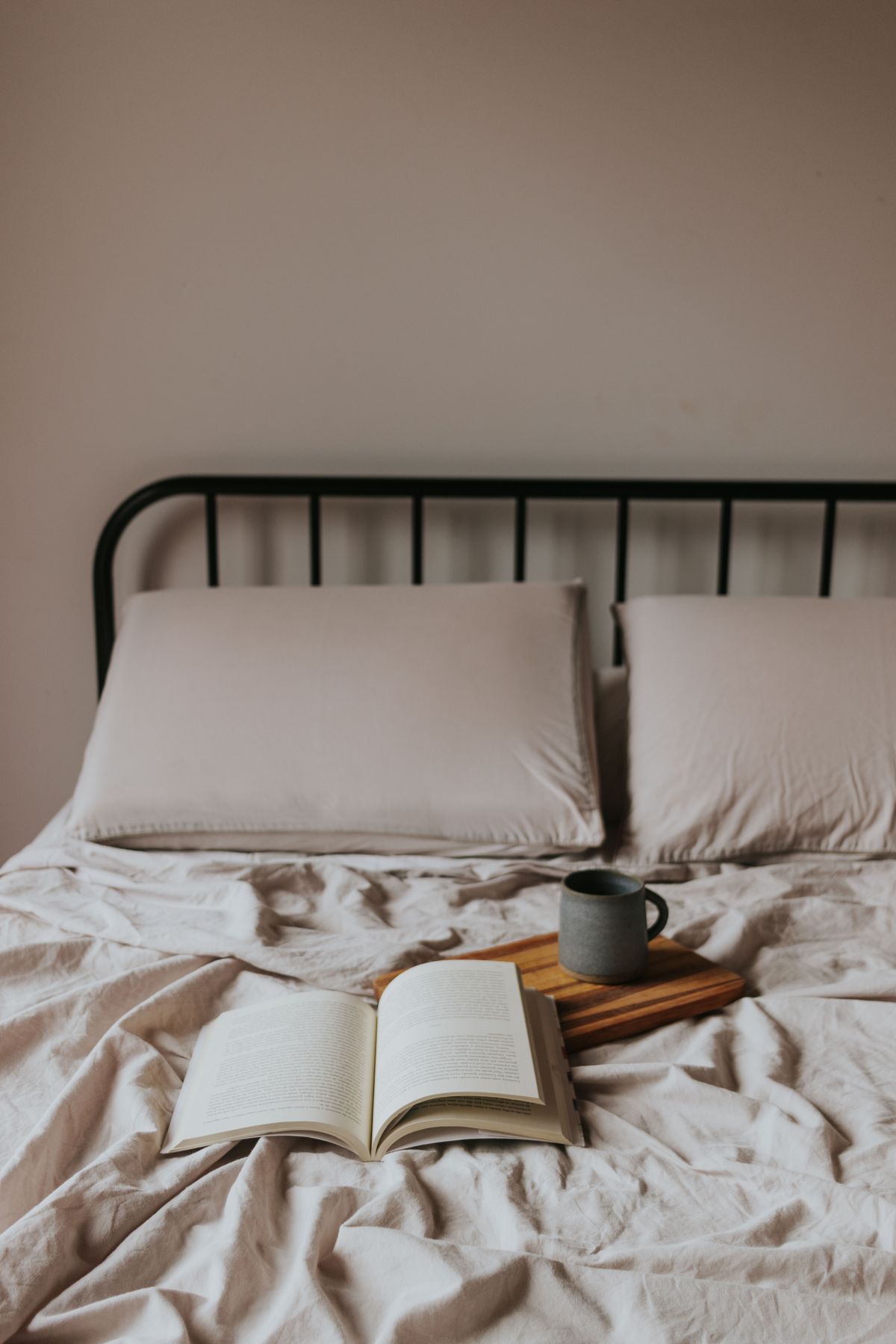
A calm pre-sleep routine, such as dimming lights, reading, or gentle stretching, helps signal that the day is ending. The Sleep Foundation’s healthy-sleep guidance encourages relaxing activities before bed and discourages stimulating ones. This wind-down period is where many people, if they choose, slot in a red light therapy session, more on that below. Anyone researching sleep hygiene and red light therapy will find the science is still developing.
Managing Light and Screens
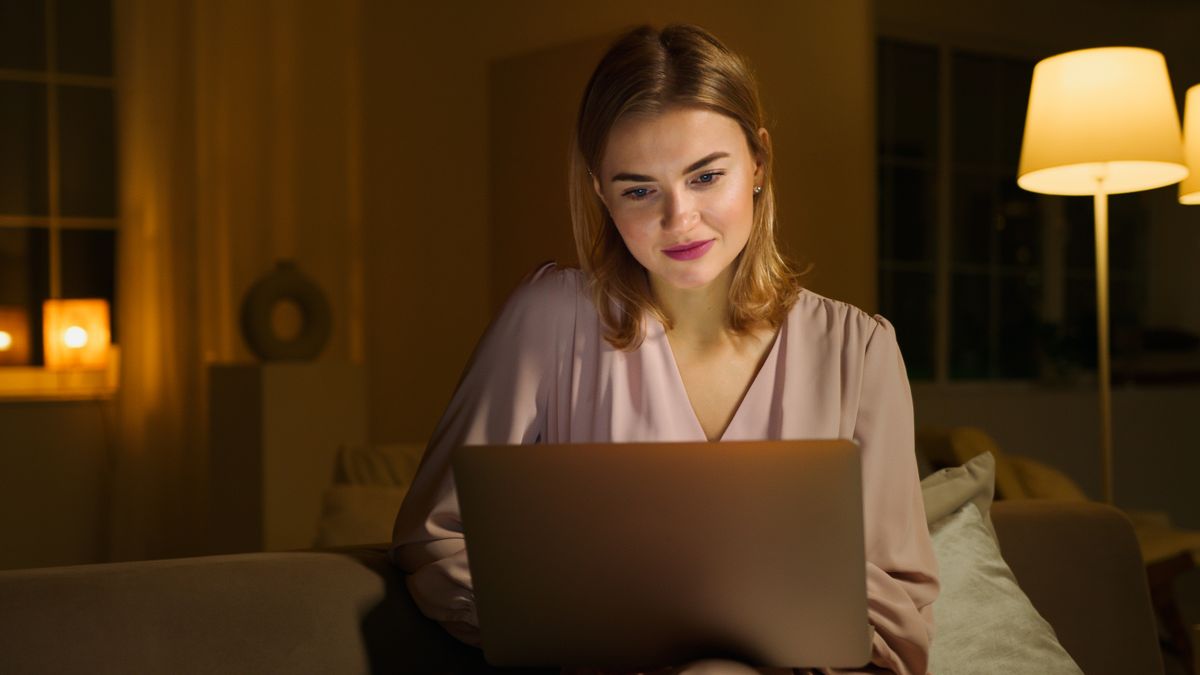
Bright light, including the blue-enriched light from screens, can interfere with the natural evening rise of sleepiness. Reducing screen brightness, using devices less in the hour before bed, and keeping evening lighting dim are practical steps that align with how light influences the sleep-wake system. The current state of sleep hygiene and red light therapy research points to early, modest findings.
Watching Caffeine, Alcohol, and Late Meals
Caffeine late in the day, heavy meals close to bedtime, and alcohol near sleep can all degrade sleep quality. These dietary basics are unglamorous but consistently appear in sleep hygiene guidance. Interest in sleep hygiene and red light therapy has grown alongside broader photobiomodulation research.
Where Red Light Therapy Fits
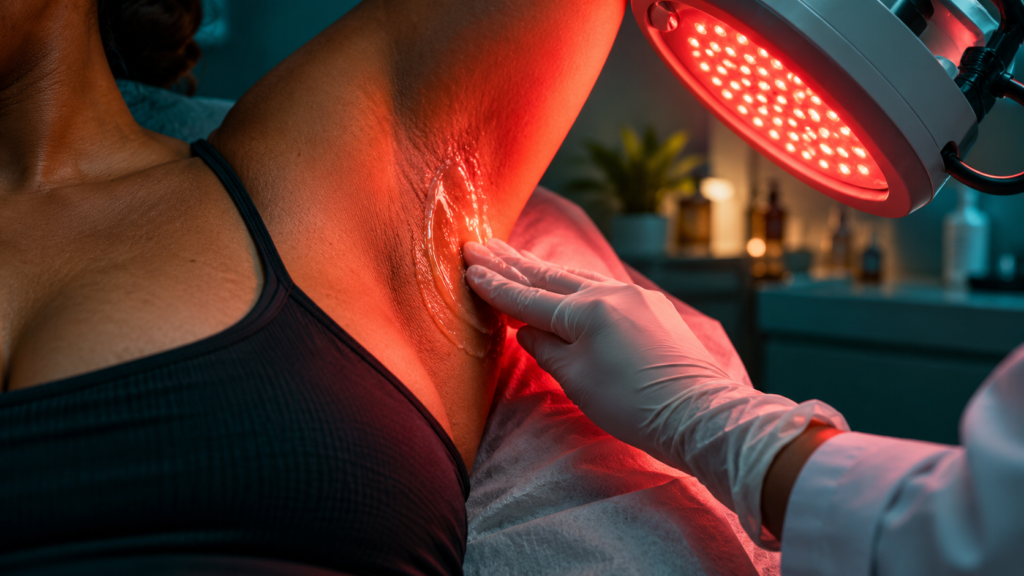
With the fundamentals in place, where does red light therapy belong? The most accurate answer is: as a small, optional part of an evening wind-down, if you enjoy it, and with very modest expectations. The evidence base for red light therapy and sleep is limited. One often-cited small randomized controlled trial in female basketball players reported improved sleep scores, but it was small and specific, and it does not establish that red light therapy reliably improves sleep for the general population. Most published reviews on sleep hygiene and red light therapy call for larger, better-controlled trials.
There is, however, a relevant point about wavelength and evening light. The Sleep Foundation notes that light, especially blue-enriched light, can suppress the sleep-promoting hormone melatonin. Red wavelengths tend to be among the least disruptive to melatonin compared with bright blue or white light. This is a point about light hygiene, not a treatment claim: a dim, warm, red-toned light in the evening is less likely to disrupt your wind-down than a bright, cool light. It does not mean a red light device actively improves sleep. A clear-eyed look at sleep hygiene and red light therapy means separating anecdote from controlled evidence.
Keeping the Distinction Clear
It helps to separate three different things. First, red and near-infrared photobiomodulation devices, the panels and masks aimed at the skin for goals like appearance or recovery. Second, evening light hygiene, simply keeping light dim and warm before bed. Third, bright light therapy boxes, which deliver intense light to the eyes to influence the circadian rhythm or support seasonal mood, usually in the morning. These are distinct tools with distinct purposes, and conflating them leads to inflated expectations. Consulting a healthcare provider about sleep hygiene and red light therapy is always a sensible step.
How to Use Red Light Therapy Sensibly in the Evening
If you decide to include a red light therapy session in your wind-down, treat it like any other use of the device: follow the manufacturer’s instructions on distance and duration, and do not extend sessions hoping for a sleep effect. Because the light is bright at close range, protecting your eyes is sensible. The benefit you are most likely to get from doing it in the evening is simply that it can be part of a calm, dim, screen-free routine, which is itself good light hygiene. Devices marketed for sleep hygiene and red light therapy vary widely in power output and wavelength.
What you should not do is let a device displace the fundamentals. A consistent schedule, a dark cool bedroom, and a relaxing wind-down will almost always matter more than whether you used a panel. Practitioners field frequent questions about sleep hygiene and red light therapy from clients.
Why Fundamentals Beat Gadgets: Sleep hygiene and red light therapy Notes
There is a simple reason the fundamentals deserve top billing: they target the actual drivers of sleep. A consistent schedule strengthens your circadian rhythm. A dark, cool room removes the cues that keep you alert. A calm wind-down lowers the arousal that competes with sleep. Each of these acts directly on the systems that govern rest. A skin-directed light device, by contrast, has no established mechanism for improving sleep, which is why even enthusiastic users should keep it in the background. When people feel that red light therapy helped their sleep, the more likely explanation is that the surrounding routine, the dim lighting, the quiet, the consistency, did the work. Spending your energy on the fundamentals first means you are investing in the levers most likely to pay off. Studies on sleep hygiene and red light therapy have drawn increasing attention from researchers.
Building Habits That Stick
Sleep hygiene only helps if it becomes routine, and the Sleep Foundation emphasizes consistency for exactly this reason. Rather than overhauling everything at once, it is often easier to change one habit at a time: fix your wake time first, then your wind-down, then your evening light. Small, sustainable adjustments tend to outlast dramatic resolutions. If a brief red light session is something you genuinely enjoy and it helps you keep a steady, calming evening ritual, that consistency, not the light itself, is the part most worth protecting. When examining sleep hygiene and red light therapy, it helps to look carefully at the underlying research.
When to Seek Help
Sleep hygiene supports healthy sleep, but it is not a cure for sleep disorders. If you regularly struggle to fall or stay asleep, feel unrefreshed despite adequate time in bed, or have symptoms like loud snoring or gasping, those are reasons to consult a healthcare professional. Insomnia and other sleep conditions deserve proper evaluation, and neither sleep hygiene alone nor any light device replaces medical care.
Putting It Together
A reliable approach looks like this. Keep a consistent sleep and wake schedule. Make your bedroom dark, quiet, and cool. Build a calm wind-down and keep evening light dim, reducing bright and blue-enriched light from screens. Mind caffeine, alcohol, and late meals. If you enjoy red light therapy, you may include a short, instruction-following session as an optional part of your wind-down, with realistic expectations and without expecting it to act as a sleep treatment. And if sleep problems persist, see a professional. Center the fundamentals, and red light therapy can sit quietly at the edges where it belongs.
The Bottom Line
Sleep hygiene fundamentals, a steady schedule, a dark cool bedroom, a calm wind-down, and sensible light and diet habits, are what genuinely support good sleep. Red light therapy is, at most, a minor optional add-on with very limited sleep evidence; a warm, dim red light is gentler on melatonin than bright light but is not a treatment. Keep the fundamentals first and consult a professional for persistent sleep problems.
Frequently Asked Questions
Will red light therapy fix my sleep if I add it to my routine?
No. Sleep hygiene fundamentals do the real work. Red light therapy is at most a minor optional add-on with very limited sleep evidence, and it is not a treatment for sleep problems.
What are the most important sleep hygiene habits?
A consistent sleep and wake schedule, a dark, quiet, cool bedroom, a calm evening wind-down, dim evening lighting, and sensible limits on caffeine, alcohol, and late meals.
Is red light better than other light before bed?
Red wavelengths tend to suppress melatonin less than bright blue or white light, which makes a dim, warm light gentler for evening light hygiene. That is about lighting choices, not a claim that a red light device improves sleep.
Is red light therapy the same as a light therapy box?
No. Red and near-infrared photobiomodulation panels are aimed at the skin, while bright light therapy boxes deliver intense light to the eyes to influence circadian rhythm or seasonal mood. They are different tools with different purposes.
When should I see a professional about my sleep?
If you regularly cannot fall or stay asleep, feel unrefreshed despite enough time in bed, or have symptoms like loud snoring or gasping, consult a healthcare professional. Sleep hygiene and devices do not replace medical care.
Ready to get your red light therapy device? See our brand reviews and product reviews, and try out our product comparison tool to inform your decision.