

Laser and LED light therapy have become a regular part of many veterinary rehab clinics, so it is natural to wonder about red light therapy for cats. Can it help an older cat with stiff joints, a healing incision or sore gums? The honest answer is that vets do use light therapy on cats, but cat-specific research is thin. Most veterinary studies involve dogs and horses, and the few feline trials are small. Here is what the research actually shows, where it falls short, and why your veterinarian should guide any treatment.
What Is Red Light Therapy for Cats?
Red light therapy is the everyday name for photobiomodulation (PBM), sometimes called low-level laser therapy or cold laser therapy. It uses red and near-infrared light at power levels meant to influence cells without heating or cutting tissue. Lab research suggests the light is absorbed inside cells, especially by mitochondria, which may change cell signaling, blood flow and inflammation. Our explainer on how red light therapy works covers the mechanism in more depth.
In veterinary practice, light therapy is usually delivered by a clinic laser or probe held over a specific area for a set dose. That is very different from a person sitting in front of a home LED panel. It is also different from surgical lasers, which vets use to cut or remove tissue. When you see “laser” in feline research, it is worth checking which kind is meant.
How Much Research Exists on Cats?
Very little, compared with other species. A 2023 systematic review in the journal Animals searched three databases for veterinary light therapy studies published between 1980 and 2020. Forty-five articles met the inclusion criteria: 24 were about dogs, the rest were about horses, and only one was about cats. The studies covered musculoskeletal and neurologic conditions, skin disease and wounds, and pain.
The review’s overall verdict was cautious. The authors reported conflicting results and unclear guidance for clinical use, largely because studies used very different wavelengths, laser classes, doses and schedules. Some benefits were reported, but the studies had limited scientific quality and a high or moderate risk of bias. The authors also noted that there is no consensus on the best treatment protocol or on clinical efficacy.
So when a product page or forum post shows impressive results, ask whether the evidence actually came from cats. Much of it comes from dogs, horses, rodents or people. If you have read our posts on red light therapy for dogs and red light therapy for horses, you will notice those species have a deeper (though still imperfect) research base.
What Have Feline Studies Found?
A handful of newer studies have started to fill the gap. They are worth knowing about, but none of them is large enough to settle the question.
Gum inflammation after a dental cleaning
A small randomized study published in the American Journal of Veterinary Research in 2026 looked at 21 cats with early-stage periodontal disease (stage 1 to 2). After a full professional cleaning, cats were split into three groups of seven: chlorhexidine spray, 905 nm laser applied inside the mouth, or both, for 7 days. Pocket depth, gum inflammation scores and plaque scores improved more in the laser groups, gum surface temperature dropped, and some blood markers of inflammation fell in the combined group. The authors described laser as a possible add-on for short-term gum inflammation after a dental cleaning, not a replacement for one.
Healing of surgical wounds
A 2025 preliminary study in Animals treated surgical incisions in 49 dogs and cats with a Class IV therapeutic laser. Each incision was split into a laser zone and an untreated control zone. The laser zones showed less skin thickening, faster bruise resolution and less fluid buildup. Because dogs and cats were analyzed together and the study was preliminary, it does not tell us how cats alone respond.
Not every study is positive. A 2026 randomized trial in Frontiers in Veterinary Science tested fluorescence biomodulation, a type of PBM, on open wounds in 15 dogs and cats. Half of each wound got the light treatment and half did not, and both halves received standard wound care. There were no statistically significant differences in wound area reduction, healing scores or tissue findings. The study was partly funded by Vetoquinol, which also covered the costs of the light system used.
Does the light reach where it needs to go?
A 2024 study in Veterinary World asked a practical question. Inflammation of the mouth is a painful problem in some cats, and treating from outside the cheek is easier on the cat than working inside its mouth. In 24 healthy cats, researchers showed that 830 nm laser light applied to the outside of the cheek could be measured inside the mouth. That shows light can get through, but the study did not test whether it helped any disease.
What Are the Limits of the Evidence?
- Tiny numbers. Feline studies have ranged from about 15 to 49 animals, and some mixed cats with dogs.
- Clinic devices. Studies used veterinary lasers with set wavelengths and doses, applied by trained staff. Results do not carry over to human panels or pet gadgets.
- Short follow-up. Most outcomes were measured over days or weeks.
- No standard protocol. The 2023 review found little agreement on dose, wavelength or schedule across species, and cats have barely been studied at all.
Our guide on how to read red light therapy studies explains why sample size, controls and funding matter when you weigh results like these.
Is It Safe to Use a Home Red Light Device on a Cat?
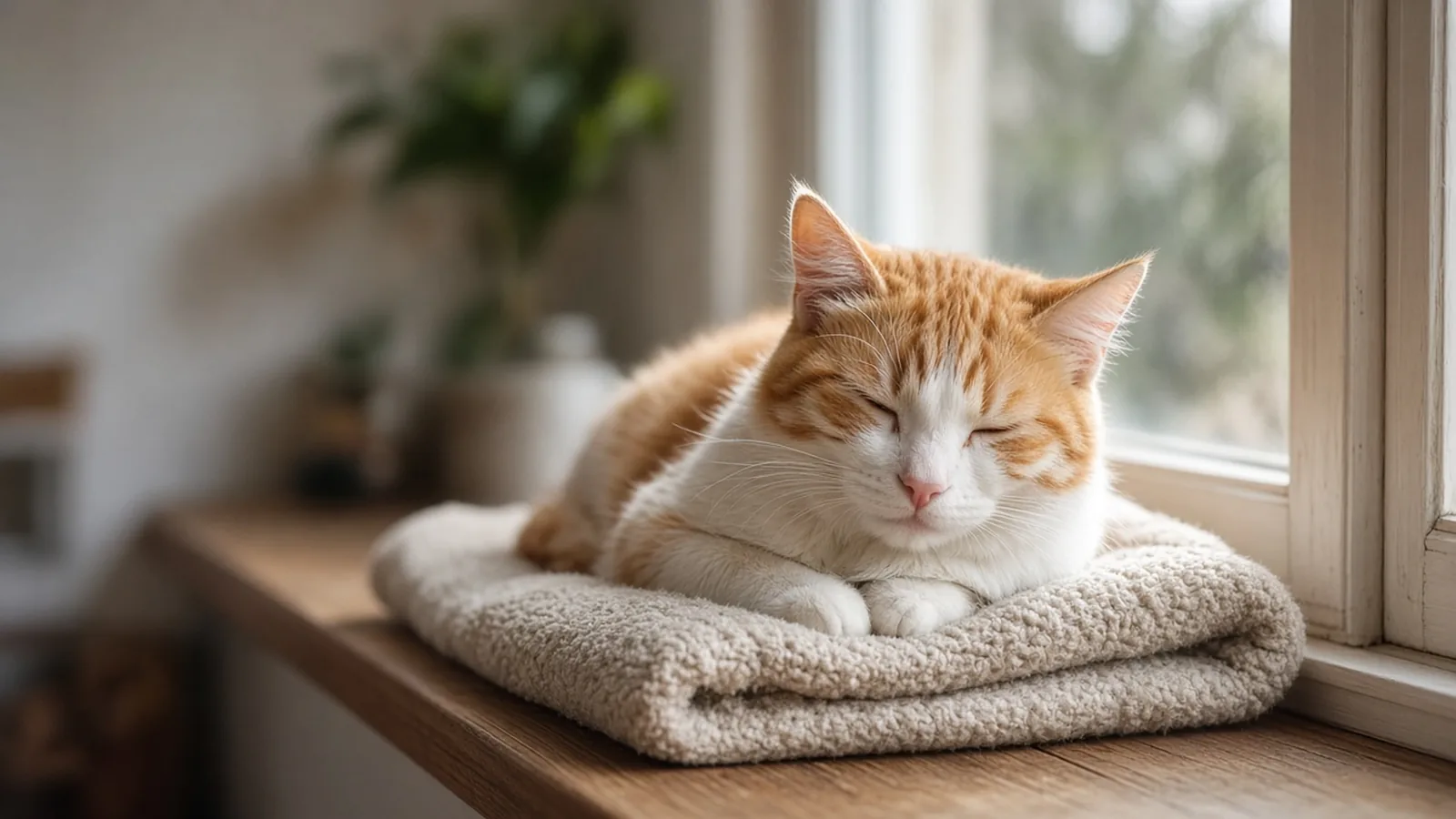
We do not recommend treating your cat with a human red light panel or an online pet gadget on your own. Cats hide pain well, and limping, overgrooming, a sore mouth or a wound that will not heal can point to problems that need a diagnosis. Light therapy should never delay a vet visit. Some practical safety points:
- Protect the eyes. Never shine light toward a cat’s eyes. Cats cannot be told to close them or wear goggles the way people can.
- Watch for heat. Fur, thin skin and a cat that cannot move away easily all raise the risk of overheating an area.
- Avoid lumps and growths. Do not apply light over a known or suspected tumor unless your veterinarian has specifically directed it.
- Respect stress. A 2025 review of feline rehabilitation in the Journal of Feline Medicine and Surgery notes that cats are not used to regular handling or restraint and can become frustrated quickly. Forcing a session can do more harm than good.
For the human side of safety, see our overview of red light therapy safety considerations.
How Should You Talk to Your Vet About Light Therapy?
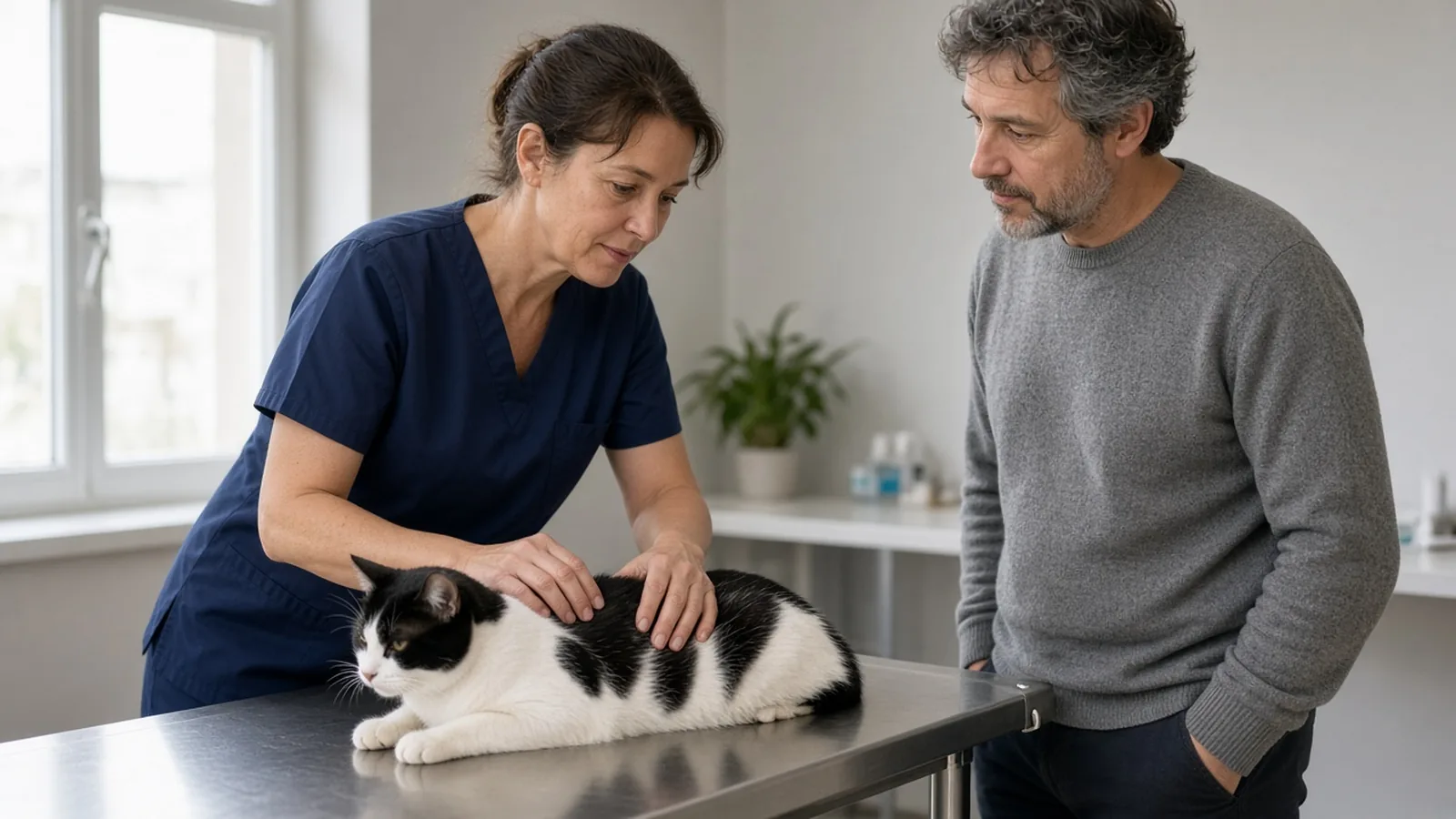
If you are curious, bring it up at your cat’s next appointment. Useful questions include: Is light therapy reasonable for my cat’s specific problem? What device and dose would you use, and is it delivered in the clinic? How many sessions, and how will we judge whether it is working? What other treatments should continue alongside it? A vet trained in rehabilitation can weigh your cat’s health, temperament and diagnosis, and fit light therapy into a broader plan if it makes sense.
Frequently Asked Questions
Does red light therapy work for cats?
It might help in some situations, but the evidence in cats is limited. Small studies suggest possible benefits for gum inflammation after cleaning and for surgical wound healing, while another small trial found no clear benefit for open wounds.
Is cold laser therapy the same as red light therapy?
They overlap. Both are forms of photobiomodulation. Cold laser usually means a clinic laser device, while red light therapy often refers to LED panels. Doses and devices differ a lot.
Can I use my own red light panel on my cat?
We advise against it without veterinary guidance. Home panels were not designed or tested for cats, and eye exposure, heat and an undiagnosed problem are real concerns.
Can red light therapy help a cat with arthritis?
Vets sometimes use it as part of a rehab plan, but there are no solid feline arthritis trials. Ask your veterinarian about proven options for pain and mobility first.
Is red light therapy safe for cats with cancer?
Do not use light over a known or suspected tumor unless your veterinarian directs it. Talk with your vet or veterinary oncologist before trying any light device.
Sources
- Millis DL, Bergh A. A Systematic Literature Review of Complementary and Alternative Veterinary Medicine: Laser Therapy. Animals (Basel). 2023. PubMed 36830454
- Turgut F, et al. Adjunctive low-level laser therapy improves gingival inflammatory clinical indices, thermographic findings, and systemic cytokines in cats with stage 1 to 2 periodontal disease. Am J Vet Res. 2026. PubMed 41592451
- Lopes A, et al. The Effect of a Class IV Therapeutic LASER on Post-Surgical Wound Healing Processes in Canis familiaris and Felis catus: A Preliminary Study. Animals (Basel). 2025. PubMed 40723596
- Jiménez Lázaro M, et al. Effect of fluorescence biomodulation as an adjunct to standard wound management in open wounds in dogs and cats: a prospective, randomised, within-wound controlled clinical trial. Front Vet Sci. 2026. PubMed 42558436
- Kamlangchai P, et al. Assessing the potential efficacy of 830-nanometer low-level laser therapy in cats: Extraoral applications. Vet World. 2024. PubMed 38911083
- Goldberg ME. Physical rehabilitation of cats: 2. Treatment therapies and exercises. J Feline Med Surg. 2025. PubMed 40605842
This article is for general education and is not veterinary advice. Talk with your veterinarian before using any light therapy on your cat, and never use it in place of a diagnosis or prescribed treatment.