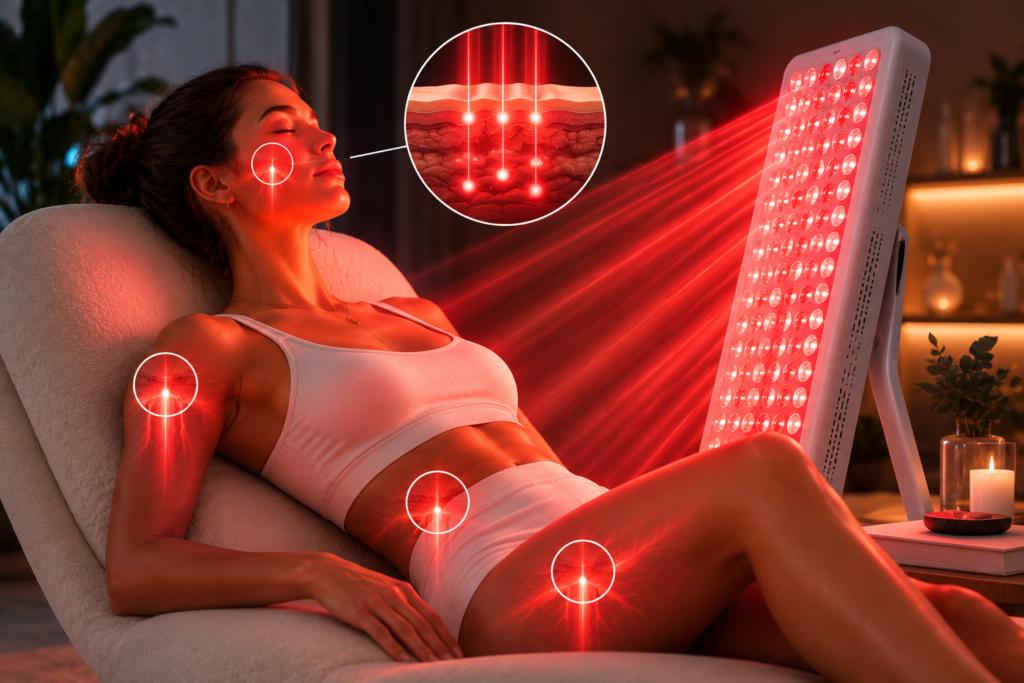
If you have read that red light therapy “energizes your cells,” you have encountered a simplified version of a real and fascinating area of science called photobiomodulation. The phrase sounds technical, but the core idea is approachable. If you’ve ever wondered, “how does red light therapy work,” this article explains, in plain terms, how researchers believe red and near-infrared light interacts with the body—and where the science is still uncertain.
Understanding the mechanism helps set realistic expectations. Red light therapy is not adding heat, radiation, or medication to the body. It is delivering particular wavelengths of light that certain molecules in your cells can absorb and respond to. Understanding how does red light therapy work begins with learning how specific wavelengths interact with cells rather than heat or ultraviolet light.
How Does Red Light Therapy Work? Photobiomodulation Explained
Photobiomodulation (PBM) breaks down neatly: “photo” (light), “bio” (life), and “modulation” (adjusting or fine-tuning). In other words, it is the use of light to gently adjust biological activity. The term has largely replaced older names like low-level laser therapy because modern devices often use LEDs rather than lasers, and because the effect is about modulation rather than simply heating tissue.
How Does Red Light Therapy Work Inside Your Cells?
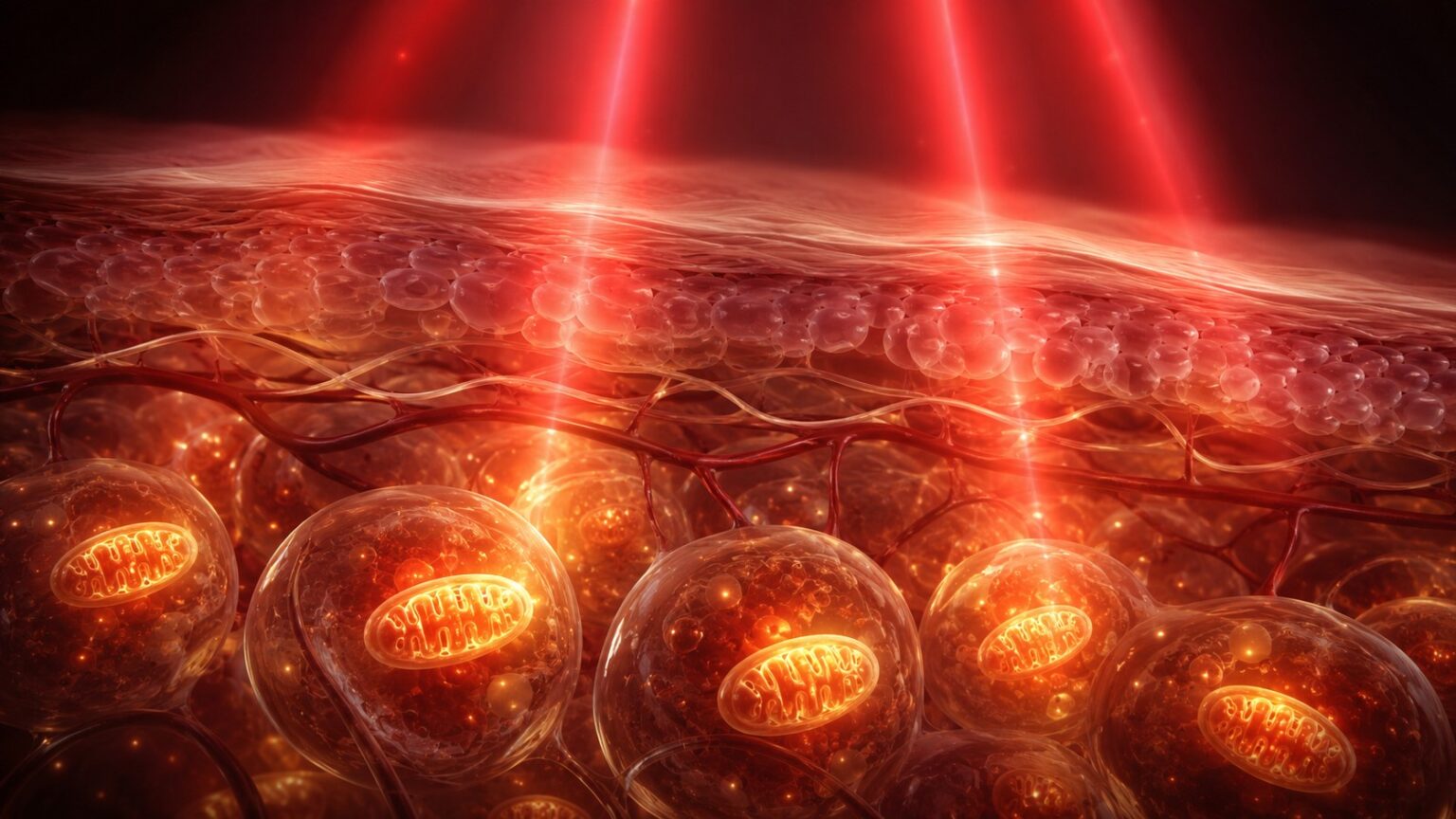
Most explanations of red light therapy start inside the cell, with the mitochondria. These tiny structures generate adenosine triphosphate (ATP), the molecule cells use for energy. The leading hypothesis, advanced by researchers such as Michael Hamblin, is that red and near-infrared light is absorbed by an enzyme in the mitochondria called cytochrome c oxidase.
According to this model, light absorption may help release nitric oxide that can otherwise slow the energy chain, allowing mitochondria to produce ATP more efficiently. A review of the evidence describes cytochrome c oxidase and nitric oxide as central players in this process. The practical theory is that cells with a little more available energy may function and repair themselves more effectively.
How Does Red Light Therapy Work Beyond ATP?
Energy production is not the whole story. Researchers propose that light exposure also produces small, controlled amounts of reactive oxygen species and influences signaling pathways inside cells. At low, appropriate doses, these signals may nudge cells toward activities associated with repair and balanced inflammation. Newer reviews note that mechanisms may extend beyond cytochrome c oxidase, including light- and heat-sensitive channels in the cell membrane.
This is an active research frontier. The takeaway for a general reader is that the proposed effects are about subtle biological signaling, not a dramatic forced change.
How Does Red Light Therapy Work With Different Wavelengths?
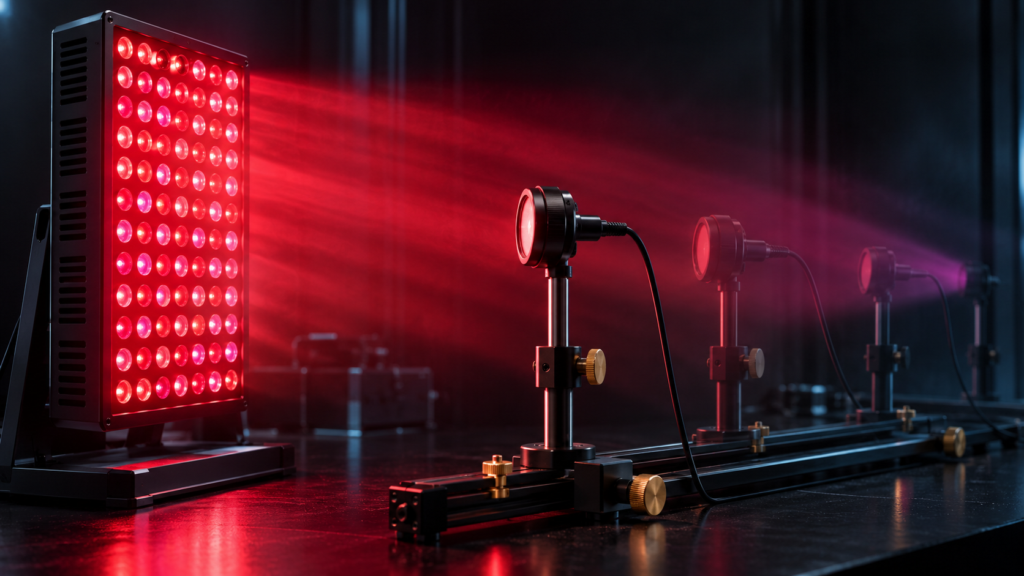
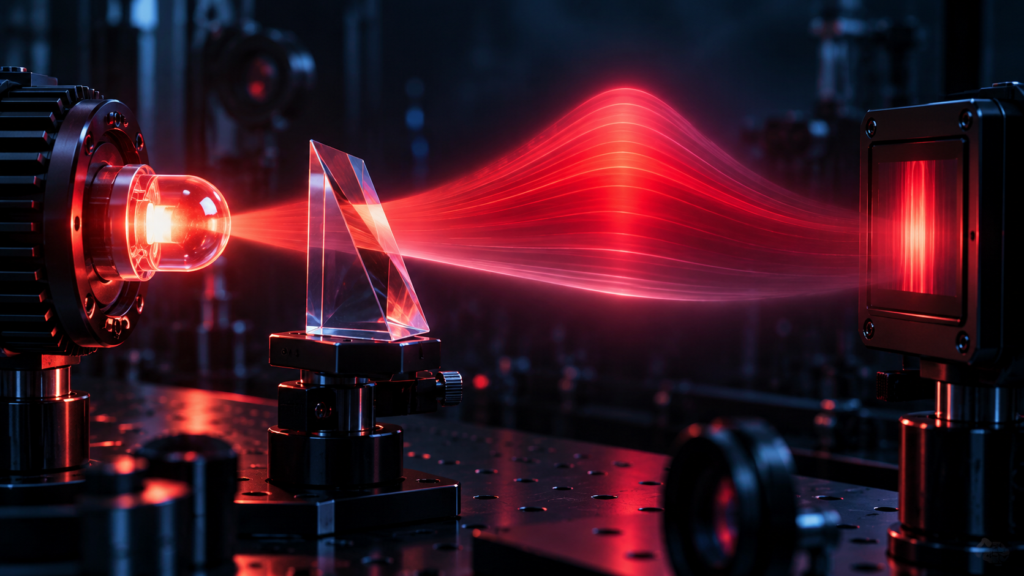
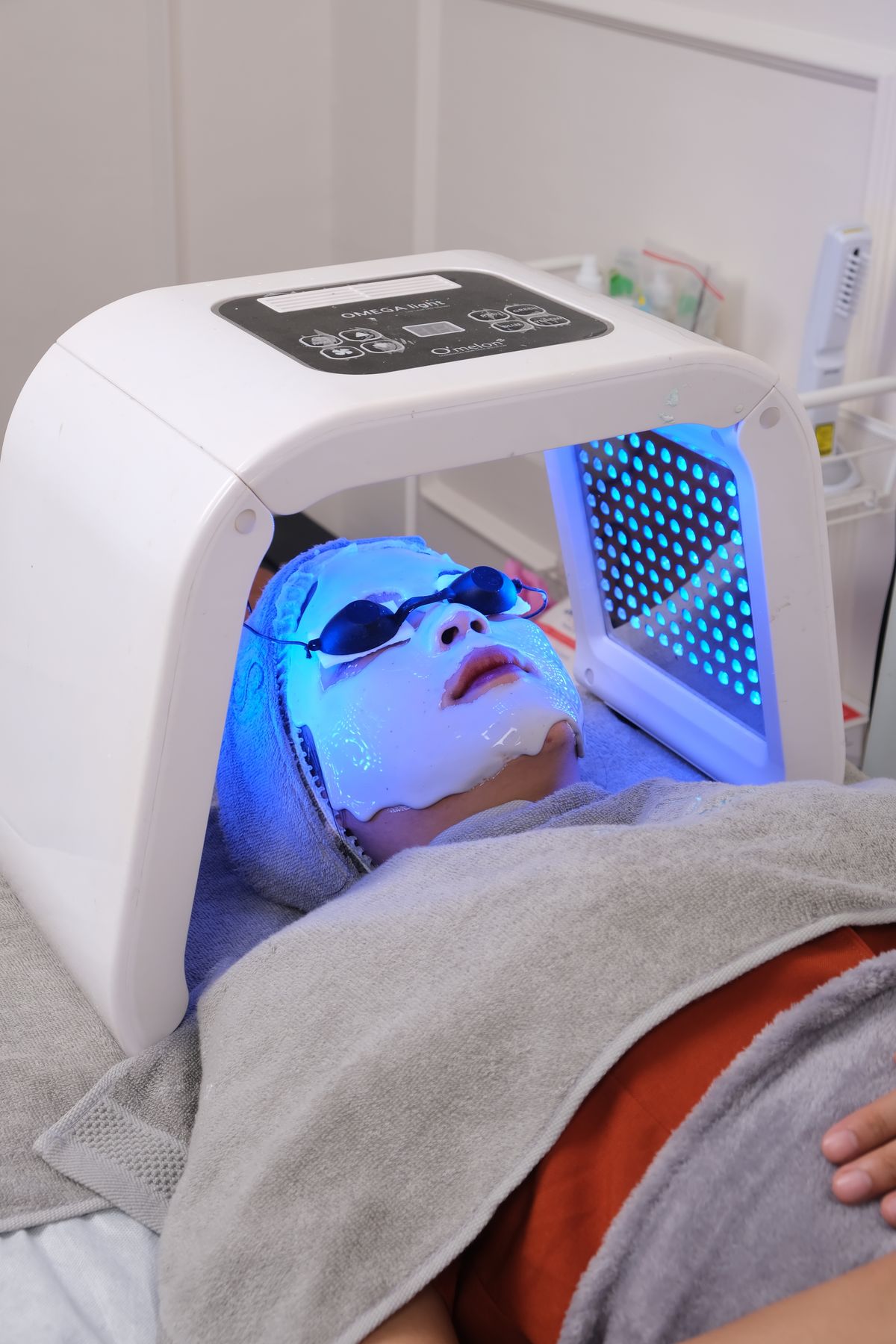
Not all light does the same thing. The molecules that absorb light are selective about which wavelengths they respond to. Red light (about 630–660 nm) and near-infrared light (about 810–850 nm) fall within ranges that research suggests can be absorbed by these cellular targets while still passing through skin reasonably well.
Wavelength also determines depth. Studies measuring light in tissue show that longer near-infrared wavelengths generally reach deeper than red wavelengths. This is why device makers pair red and near-infrared light for different goals.
How Does Red Light Therapy Work at the Right Dose?
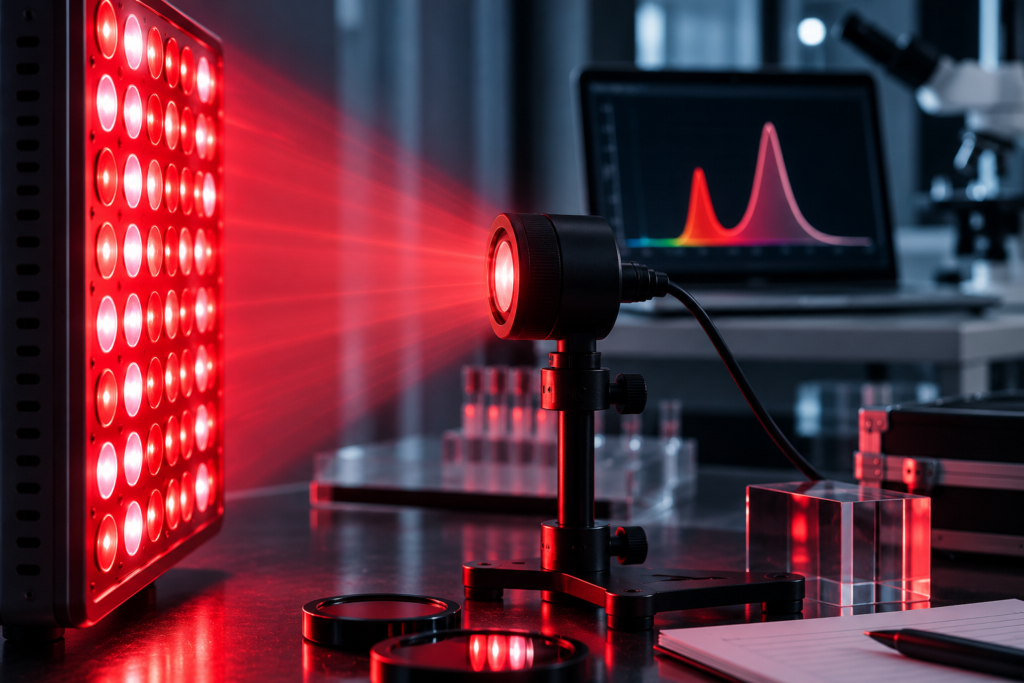
One of the most important and least advertised findings is that the relationship between light dose and benefit is not a simple “more is better” line. Research describes a biphasic dose response: a moderate dose may produce a helpful effect, while too little does nothing and too much can reduce or even reverse the benefit.
This explains why following a device’s recommended time and distance is not just fine print. Doubling your session length in hopes of a bigger effect can be counterproductive according to the dosing literature.
How Does Red Light Therapy Work According to Current Research?
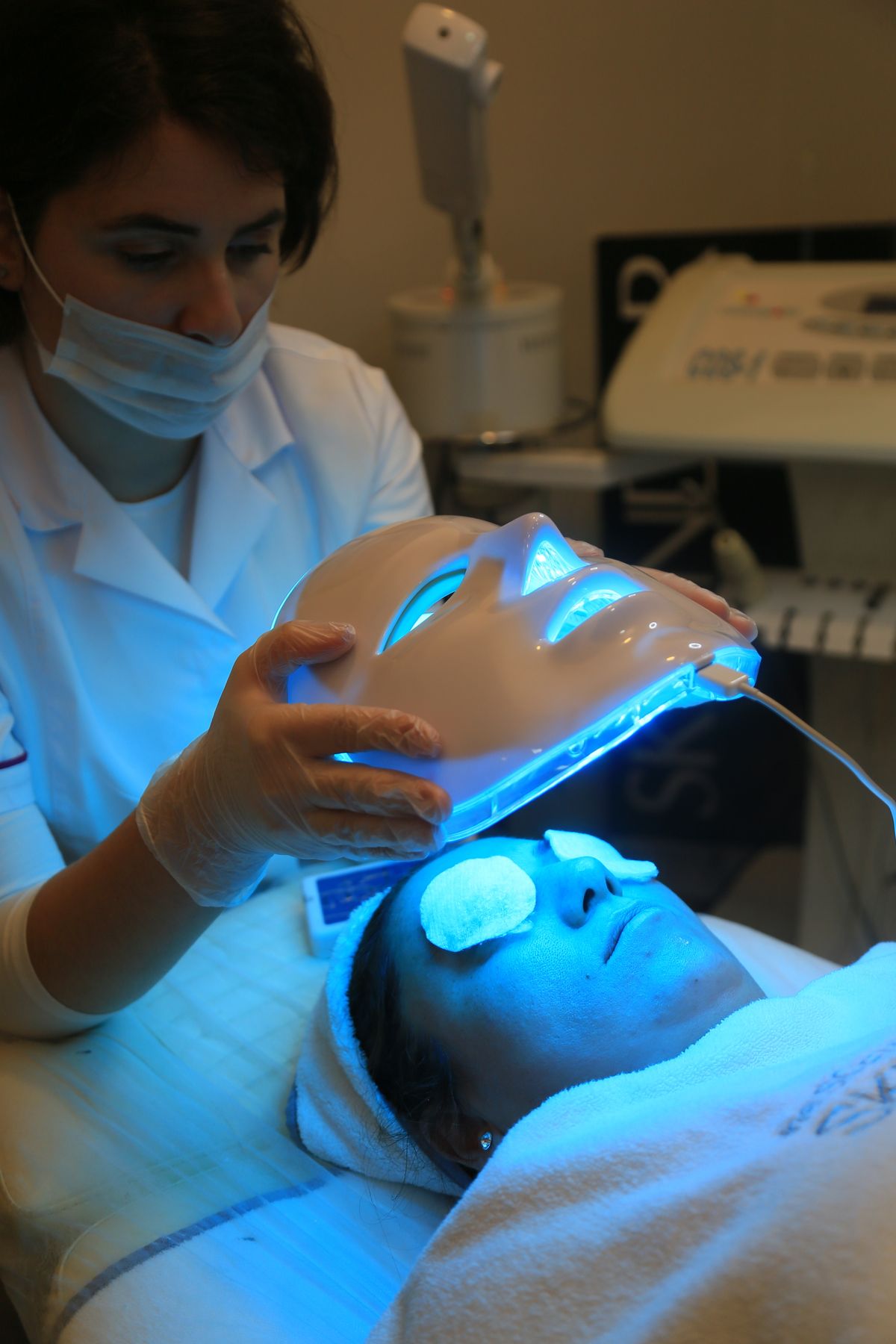
The cellular mechanism is well studied in the laboratory. The harder question is how reliably those cell-level effects produce meaningful, consistent benefits in everyday people for specific goals. Many clinical studies are small, use different devices and protocols, and report mixed outcomes. Reviewers repeatedly call for larger, standardized trials.
So while it is fair to say red light therapy may support certain cellular processes, it is not accurate to claim it is proven to treat or cure conditions. Honest mechanism talk should always be paired with honest evidence talk.
How Does Red Light Therapy Work? Putting It Together
Here is the chain of reasoning in one breath: specific wavelengths of light reach cells, are absorbed by mitochondrial and membrane targets, may modestly support energy production and helpful signaling, and — at the right dose — might contribute to better cellular function. Each link is supported by research, but the strength of the final real-world effect depends on the goal, the device, the dose, and the individual.

How Does Red Light Therapy Work in Different People?
One of the trickiest parts of photobiomodulation is the gap between what happens in a single cell and what happens in a whole, complex human being. In a laboratory dish, researchers can control the exact dose of light reaching cells. In real life, light must pass through skin of different thicknesses, pigmentation, and temperature, reaching tissues at varying depths, in people of different ages and health backgrounds. Each of these variables can influence how much light actually arrives at the target and how cells respond. This is a major reason why two people using similar devices may report different outcomes, and why averaging results across a study can blur meaningful individual differences.
How Does Red Light Therapy Work? Questions Researchers Still Have
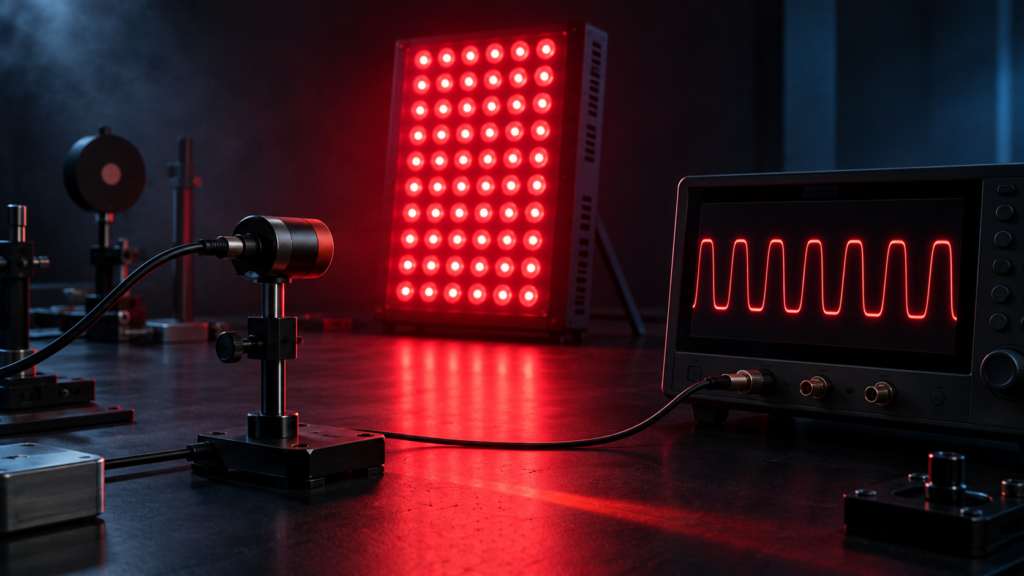
Even with a well-supported mechanism, important questions remain open. Researchers are still working to define the optimal dose for specific goals, the best combinations of red and near-infrared wavelengths, whether pulsing light offers advantages over continuous light, and how to standardize devices and protocols so studies can be compared fairly. Reviews of the field repeatedly highlight the need for larger, better-controlled trials. For a curious consumer, this is not a reason to dismiss red light therapy — it is a reason to favor devices with transparent specifications, follow sensible dosing, and treat sweeping marketing promises with healthy skepticism while the science continues to mature.
How Does Red Light Therapy Work Without Guarantees?
It is worth restating a subtle but crucial point: showing that light can affect cells is not the same as proving that a device reliably delivers a specific real-world benefit. Both can be true at once — a sound mechanism and still-developing clinical evidence. Holding those two ideas together is the most honest way to understand photobiomodulation today.
Should You Try It?
If you are weighing whether to try red light therapy, the science offers a balanced answer rather than a simple yes or no. The mechanism is plausible and the safety profile at consumer doses is reassuring for most healthy adults, which makes a careful trial reasonable for goals like skin appearance or recovery.
At the same time, because evidence is stronger for some uses than others and responses vary, it is wise to set modest expectations, choose a device with clearly stated specifications, and give any routine several weeks before judging it. Anyone who is pregnant, takes medication that increases light sensitivity, or has a relevant medical or eye condition should speak with a healthcare professional first, since red light therapy is a complement to good health habits, not a substitute for medical care.
The Bottom Line
So, how does red light therapy work? Researchers believe specific wavelengths interact with cellular targets to support energy production and biological signaling, although the strength of real-world effects varies by application and individual. Knowing how it is thought to work makes it easier to use red light therapy wisely: respect the recommended dose, match the wavelength to your goal, and keep expectations grounded in the evidence rather than the marketing.
Ready to get your red light therapy device? See our brand and product reviews, and try out our product comparison tool to inform your decision.
Frequently Asked Questions
Is photobiomodulation the same as red light therapy?
Yes. If you’re asking how does red light therapy work, it’s helpful to know that photobiomodulation (PBM) is the scientific term for the process commonly called red light therapy.
Does red light therapy work by heating tissue?
No. The effect is thought to come from light being absorbed by cellular targets, not from heat. The light is bright but low-intensity.
What is cytochrome c oxidase?
It is an enzyme in the mitochondria believed to absorb red and near-infrared light, potentially supporting cellular energy production.
Why do devices use both red and near-infrared light?
Red light acts mainly near the surface, while near-infrared penetrates deeper, so combining them addresses both skin-level and deeper goals.
If the mechanism is proven, why isn’t red light therapy proven for everything?
Understanding how does red light therapy work also means understanding that a well-supported biological mechanism is different from proving every claimed health benefit through large clinical trials.
This article is for general educational purposes only and is not medical advice. Red light therapy is not a substitute for professional care. Talk with a qualified healthcare professional about your individual situation.