OVERALL
4.4
BEST FOR
Lower Back, Larger Areas, Cordless Use
$249 USD
WAVELENGTHS
660nm-880nm
IRRADIANCE
Not listed
COVERAGE AREA
32cm x 15cm treatment area
WEIGHT
Not listed.
Our Review
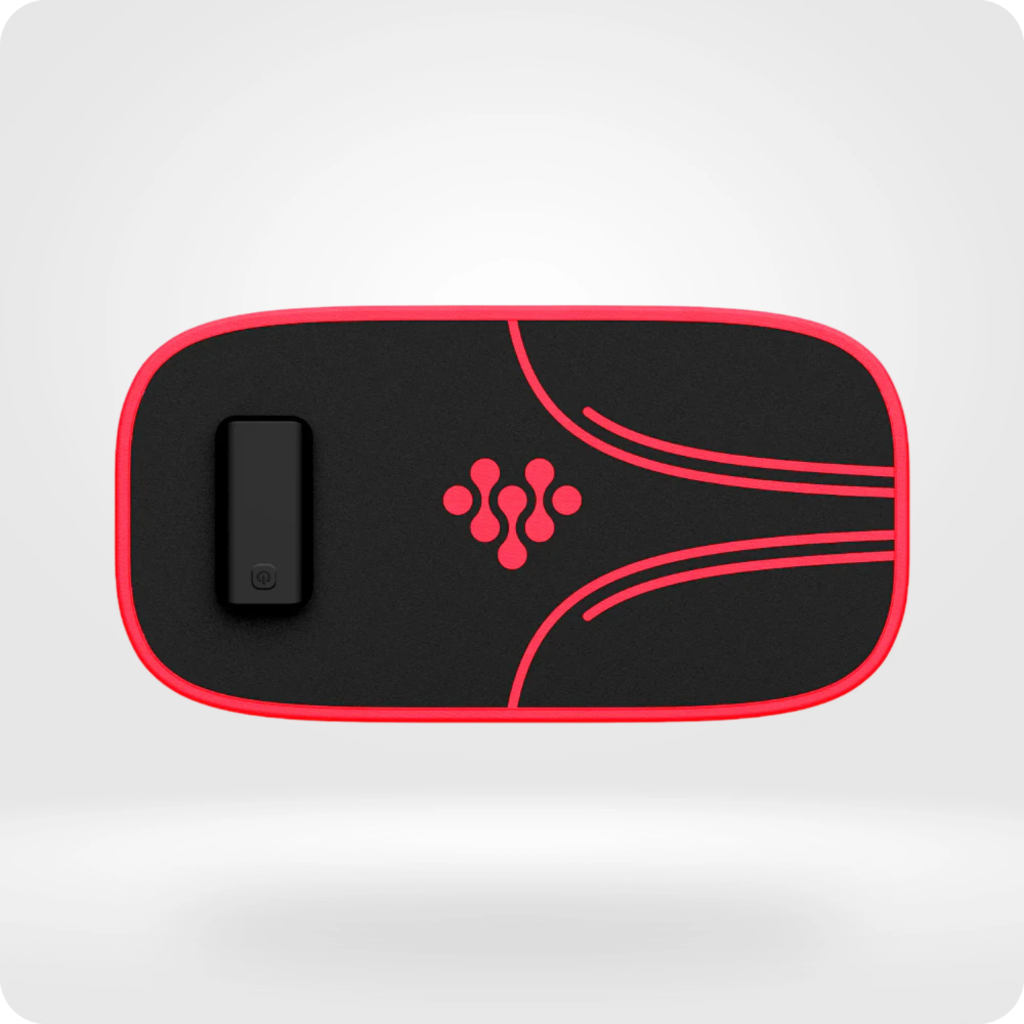
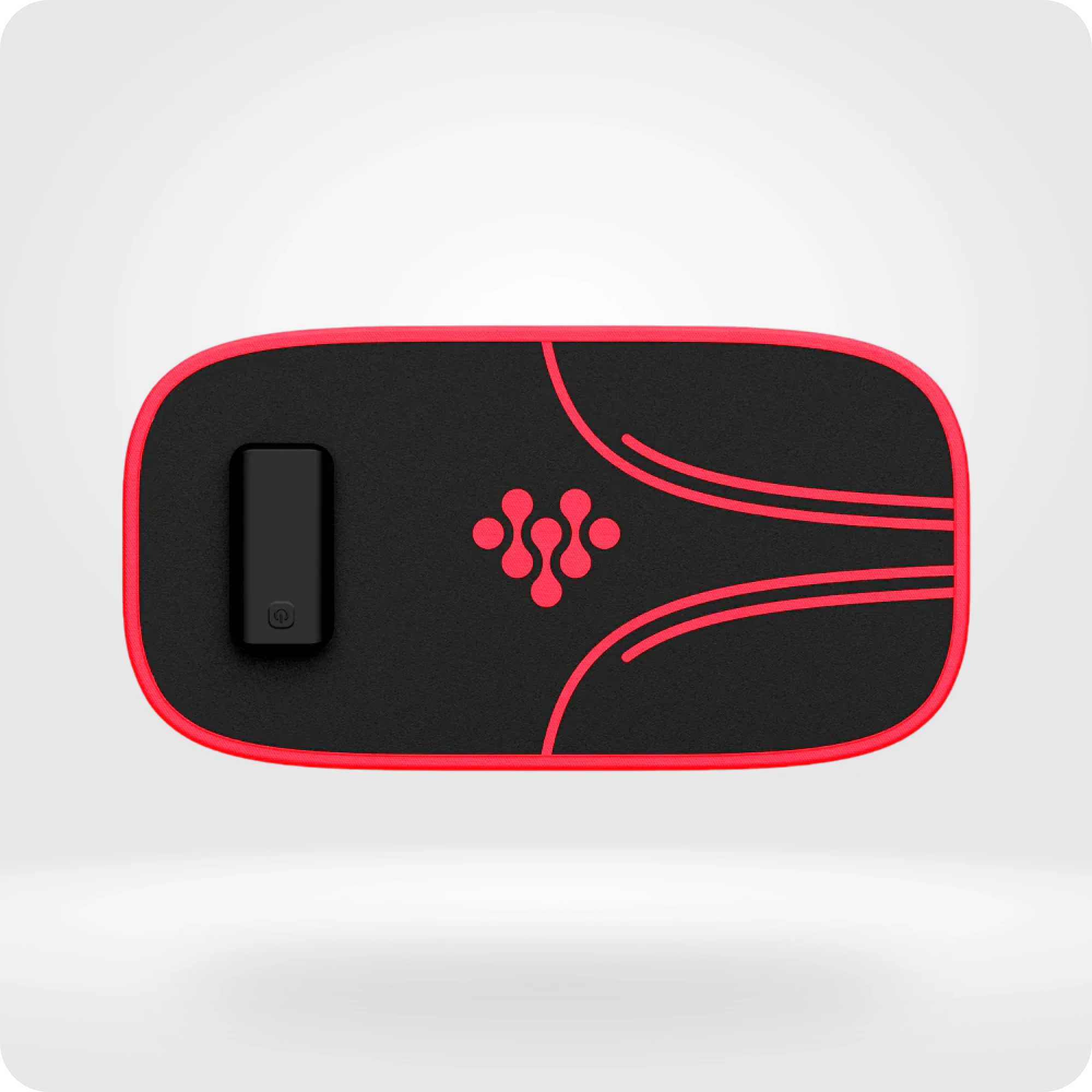
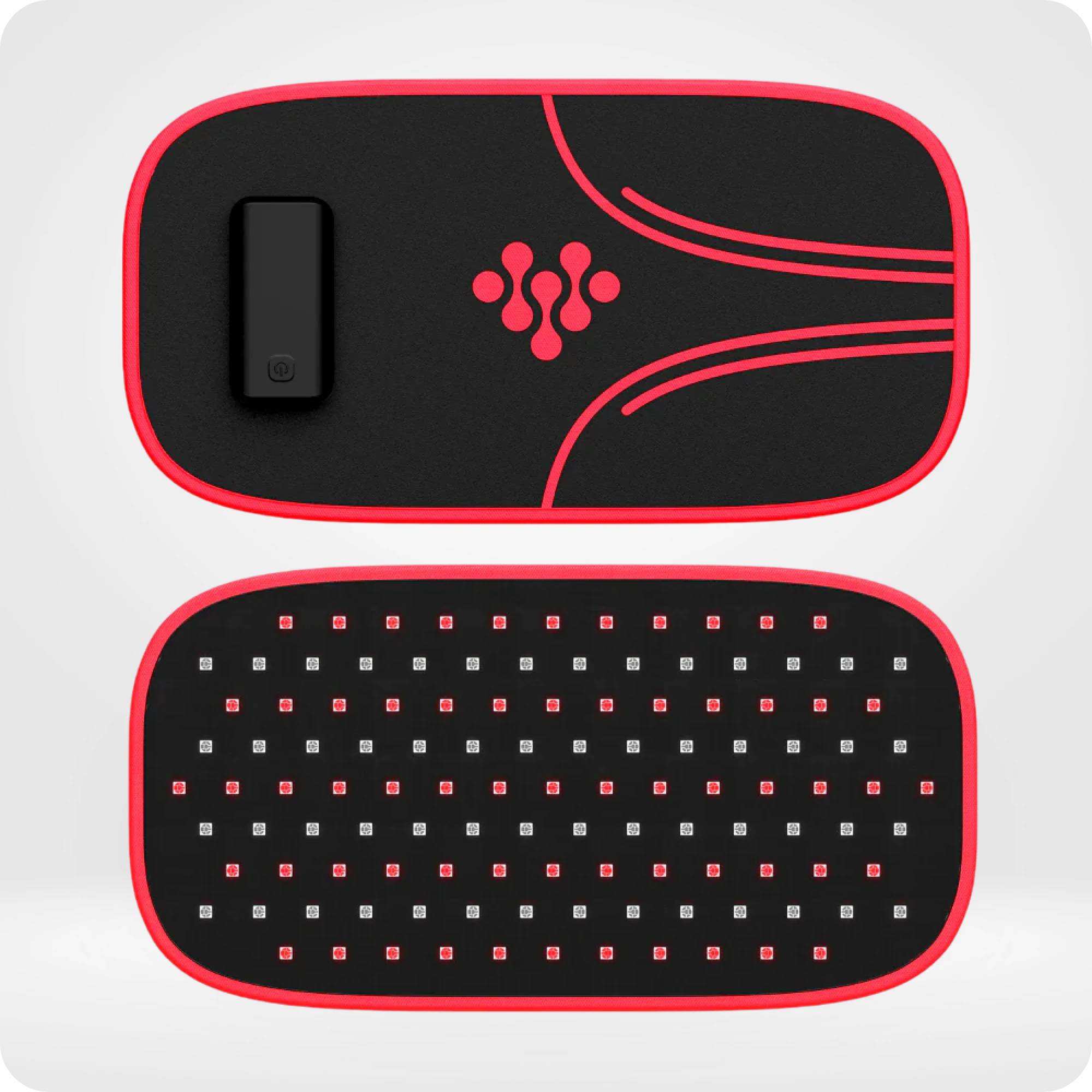
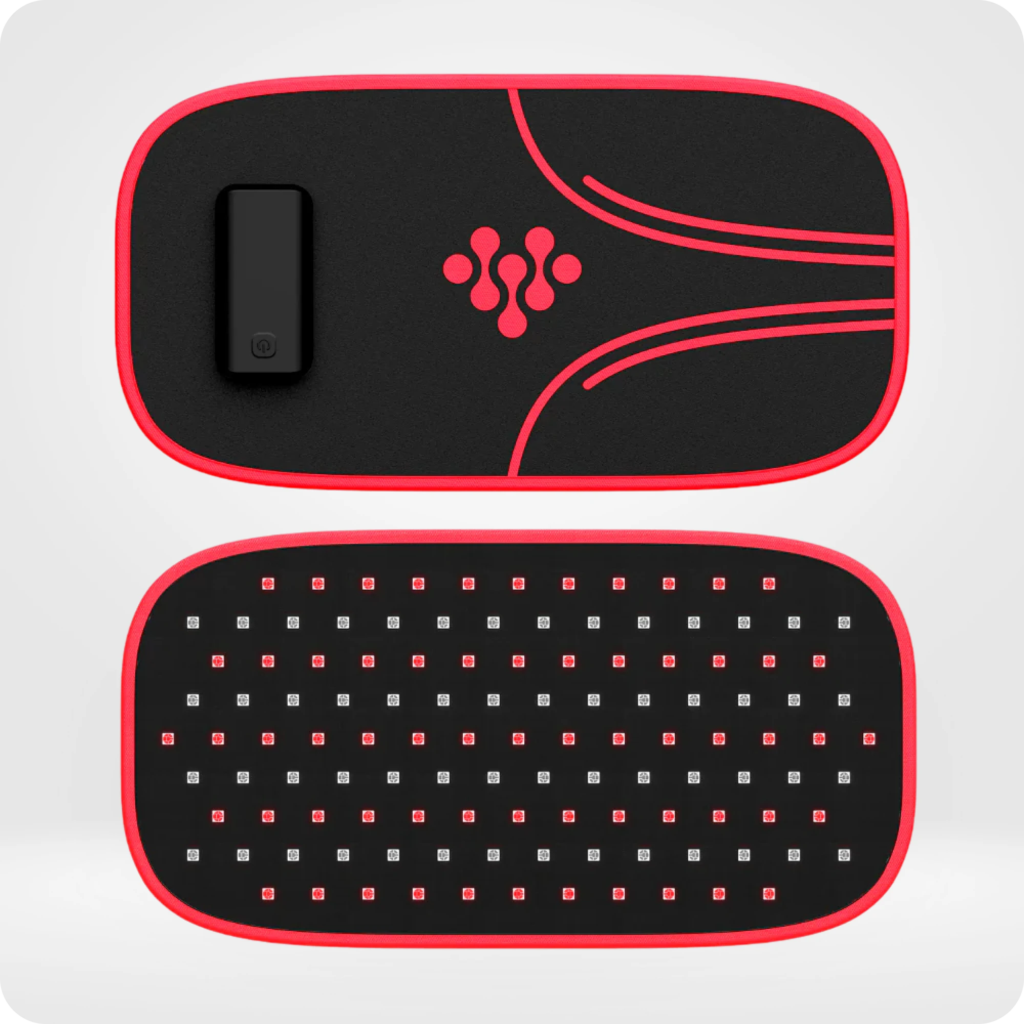
The Infraredi Body Wrap Plus is the larger wearable option for someone who wants more coverage than a small joint or targeted wrap without setting up a conventional red light therapy panel. Its flexible design sits directly against the body and can cover larger areas like the lower back, abdomen, shoulders, and thighs while keeping treatments hands-free.
Coverage is the main reason to choose the Plus over Infraredi’s smaller wraps. It can treat a more meaningful section of the body at once, reducing the amount of repositioning needed when working across larger muscles. It is still a targeted device rather than a full-body system, so someone regularly treating several major areas may find a panel more efficient.
The Body Wrap Plus is designed to sit directly against the treatment area. That removes some of the setup involved with a panel because there is no treatment distance or angle to maintain throughout the session.
Once secured, the wrap also leaves the hands free. Someone treating the lower back, abdomen, or thigh can sit or relax during a session rather than holding a device in place or remaining positioned in front of a panel.
That convenience is one of its strongest advantages for regular use. A red light therapy device only becomes useful when it actually fits into someone’s routine, and a flexible wrap requires considerably less space and setup than a large panel.
The Body Wrap Plus provides substantially more treatment area than Infraredi’s smaller wearable options. That makes it better suited to broad areas like the lower back, abdomen, thighs, and larger muscle groups rather than individual joints.
The flexible construction also allows it to conform to areas that can be awkward to position in front of a rigid panel. It can wrap around the torso or leg and remain secured in place instead of requiring the user to maintain a particular position.
Fit will still vary depending on the treatment area and body shape. Flatter or broader areas such as the abdomen and thigh should be relatively straightforward, while areas with more complicated contours may require some adjustment to keep the LEDs positioned consistently against the body.
The larger size reduces repositioning, but it does not eliminate it. Someone wanting to treat the back, abdomen, and both legs during the same routine will still need to move the wrap between areas.
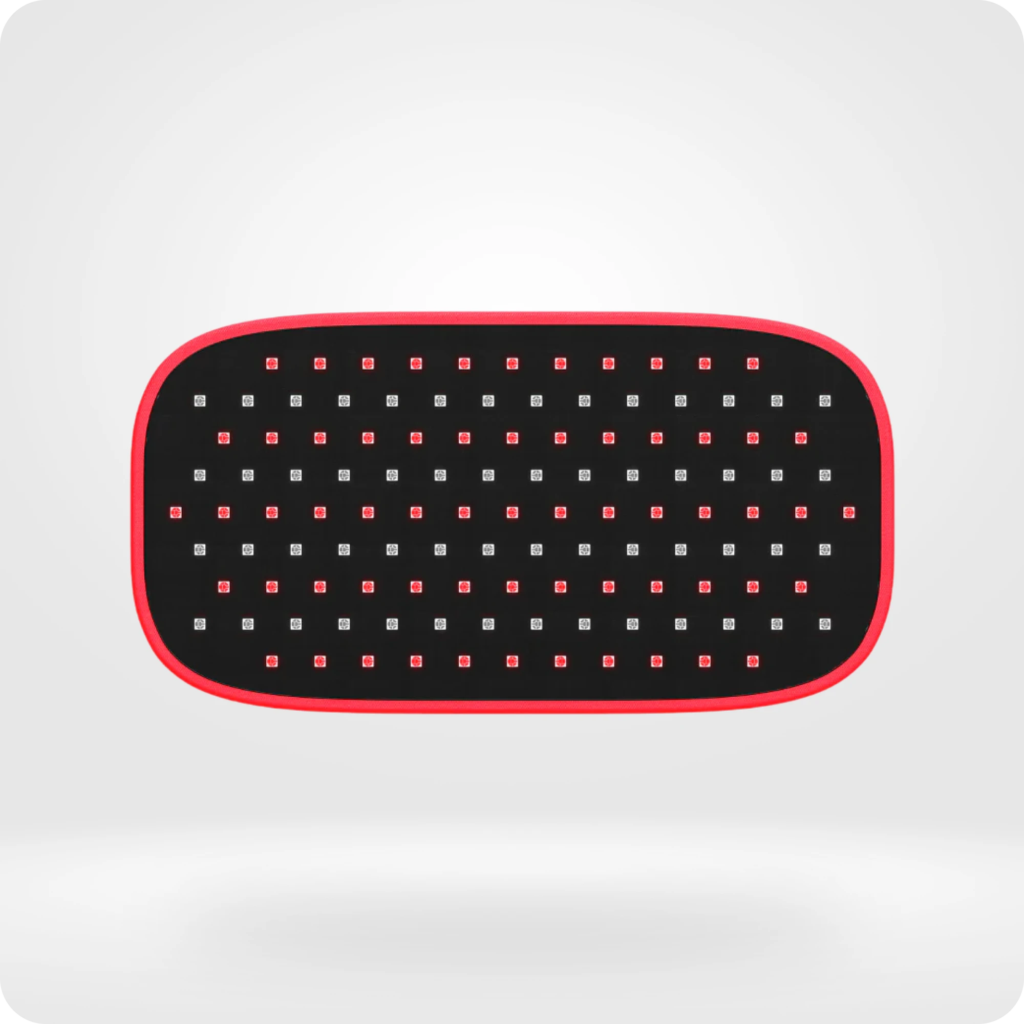
The Infraredi Body Wrap Plus combines 660nm red light with 880nm near-infrared light. It is a straightforward two-wavelength system designed around targeted body treatments rather than the broader wavelength selection found in some premium panels.
For this type of wearable, simplicity is not necessarily a disadvantage. The main appeal is being able to position red and near-infrared light directly over a larger treatment area without having to set up a separate panel.
Infraredi markets its wearable devices around uses such as muscle recovery, aches, circulation, and inflammation. Individual experiences can vary, so the wrap is better viewed as something intended for consistent use rather than a device that guarantees a particular result after a few sessions.
The Body Wrap Plus offers considerably more coverage than a small joint device while remaining easier to store and transport than a conventional panel. That makes it useful for someone who does not want a permanent red light therapy setup taking up space at home.
Its flexible design is also easier to travel with than a rigid panel. For someone who uses red light therapy consistently and does not want that routine tied to one room, portability can be a meaningful advantage.
There is a durability consideration with any flexible light therapy device. Repeated wrapping, bending, fastening, and storage place more physical stress on the material and internal connections than a stationary panel experiences. The wrap should be stored without unnecessarily folding or stressing the internal components.
The Body Wrap Plus competes with a large number of flexible red and near-infrared wearables, including options that cost considerably less. Its value therefore cannot come from the 660nm and 880nm wavelengths alone.
What buyers are paying for is the combination of a larger treatment surface, wearable convenience, Infraredi’s construction, and the company’s trial and warranty protection.
It makes more financial sense when the larger coverage will actually be used. Someone treating only a knee, elbow, or another small area may not need to pay for the additional size. Someone repeatedly treating the back, abdomen, or thighs has a much stronger reason to choose the Plus.
There is also a point where a panel becomes worth considering. If the goal is eventually to treat the face, joints, muscles, torso, legs, and other areas with one device, a conventional panel provides considerably more versatility.
Infraredi’s trial period gives buyers an opportunity to determine whether the larger wearable format actually works for the intended treatment areas and routine.
That is useful with a wrap because fit is difficult to judge from dimensions alone. How securely and comfortably it sits around the back, abdomen, thigh, or another area can make a significant difference in whether it gets used consistently.
Warranty protection is also particularly important with a flexible device. Unlike a stationary panel, a wrap is repeatedly bent, fastened, moved, and stored, placing more physical stress on its components over time.
Customer feedback on Infraredi’s wearable products generally focuses on convenience, portability, ease of use, and the ability to position the lights directly over muscles or joints.
When evaluating that feedback, we would pay particular attention to comments about fit, battery performance, construction, fastening, and long-term durability. Those details provide a better indication of what the Body Wrap Plus is like to own than individual reports about pain or recovery.
Personal results should also be kept in perspective. A convenient wearable may make consistent use easier, but one customer’s experience does not guarantee that another person will see the same outcome.
The larger treatment area is the main advantage. It makes the wearable format much more practical for the lower back, abdomen, thighs, and other larger areas where a small wrap would require repeated repositioning.
We also like the direct-contact design. There is no need to maintain a specific distance from a panel, and the wrap can remain secured while the user sits or relaxes.
Its portability is another strength. The Body Wrap Plus provides meaningful body coverage without requiring the floor space or permanent setup of a conventional panel.
The Body Wrap Plus is still not a full-body device. The larger treatment surface reduces repositioning, but anyone treating several major areas during the same routine will still need to move it around.
Its two-wavelength configuration is also fairly basic compared with more advanced red light therapy systems. That may not matter to someone primarily interested in a simple wearable, but buyers specifically looking for broader wavelength options will need to look elsewhere.
Fit can vary depending on where the wrap is positioned, and the flexible construction naturally experiences more physical stress than a stationary panel. Long-term durability therefore matters more with this type of device.
There are also less expensive red and near-infrared wraps available. The Infraredi premium makes the most sense when its larger coverage, construction, and buyer protections are important enough to justify spending more.
The Infraredi Body Wrap Plus takes the convenience of a targeted red light therapy wrap and gives it enough coverage to make larger areas like the back, abdomen, and thighs much more practical to treat. Its flexible design, direct-contact positioning, hands-free use, and 660nm and 880nm wavelengths make it particularly convenient for someone who does not want to build a routine around a stationary panel.
Its limits are mostly a result of the format. It cannot provide true full-body coverage, fit will vary between treatment areas, and repeated flexing places more stress on the device than a stationary panel experiences.
It’s ideal for someone who regularly treats larger muscles or sections of the body and wants the convenience of a wearable without being limited to the small coverage of a joint wrap. Someone who wants one device for everything from facial treatments to broad full-body sessions will get more versatility from a conventional panel.
Key Features
Roughly 2.5 times the treatment area of the standard Body Wrap, at 660nm and 880nm.
Rechargeable battery with a charging cable included. Capacity and run time are not published.
Secured with an adjustable strap, supplied with a manual and charging cable.
Full Specifications
Wavelengths:
Final Verdict
4.4
Tec Specs
Wave Lengths
660nm-880nm
IRRADIANCE:
Not listed
Coverage Area:
32cm x 15cm treatment area
Overall Category Scores
Category
Score
Best Quality
Ease of Use
Features
Value
Support
Staying informed with the latest research and reviews.
10 Minute Read
10 Minute Read
10 Minute Read