OVERALL
4
BEST FOR
Face, eye comfort, skin tone
WAVELENGTHS
670nm
IRRADIANCE
94.58 mW/cm² at 10cm
COVERAGE AREA
Face
WEIGHT
300 g
Our Review
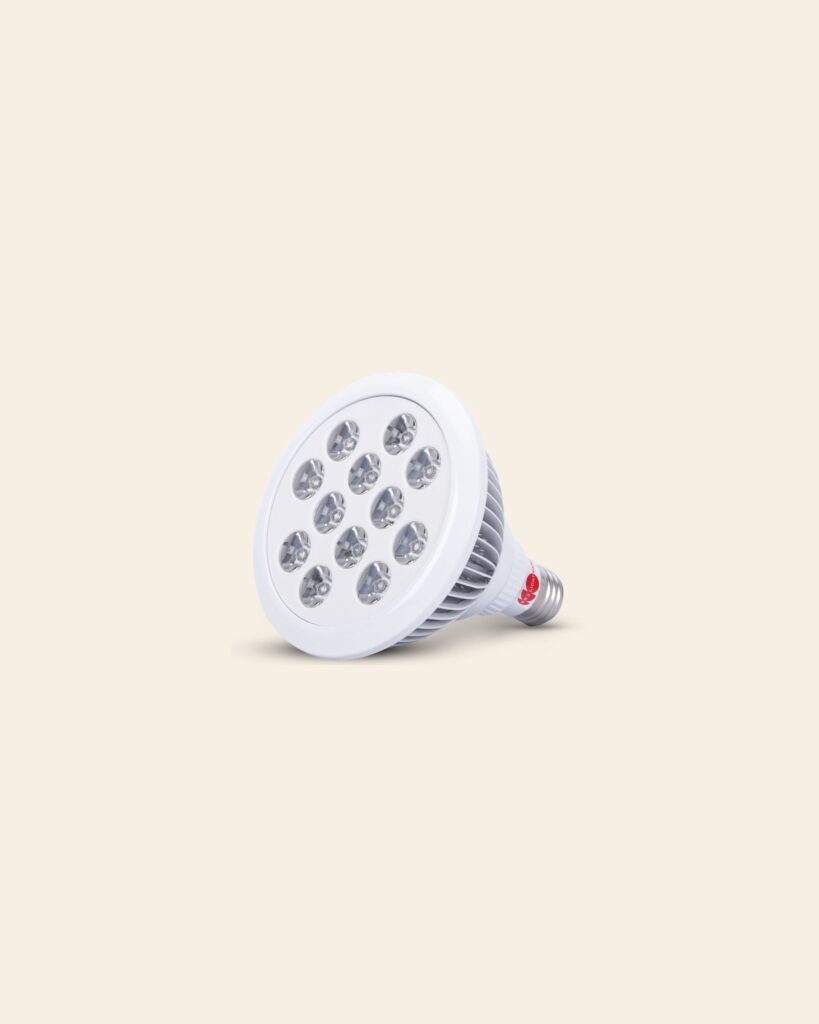
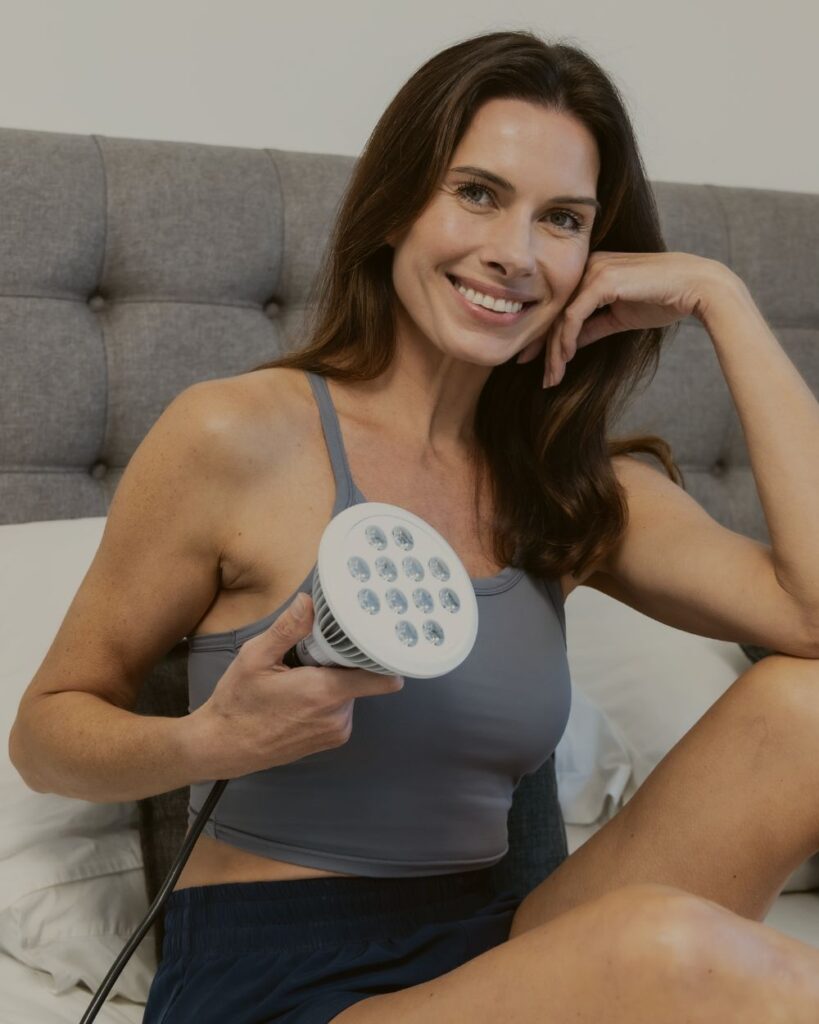
The Red Light Rising Target Light 670 is a specialized red light therapy device for someone who specifically wants 670nm red light on small, targeted areas. Instead of combining several red and near-infrared wavelengths like most modern panels, this model does one thing: deliver visible 670nm red light in a compact format.
That simplicity can either be its biggest advantage or its biggest limitation. Someone specifically looking for 670nm exposure gets a dedicated device without paying for wavelengths they do not intend to use. Someone looking for one red light therapy device that can handle a wider variety of treatments will probably find it too restrictive.
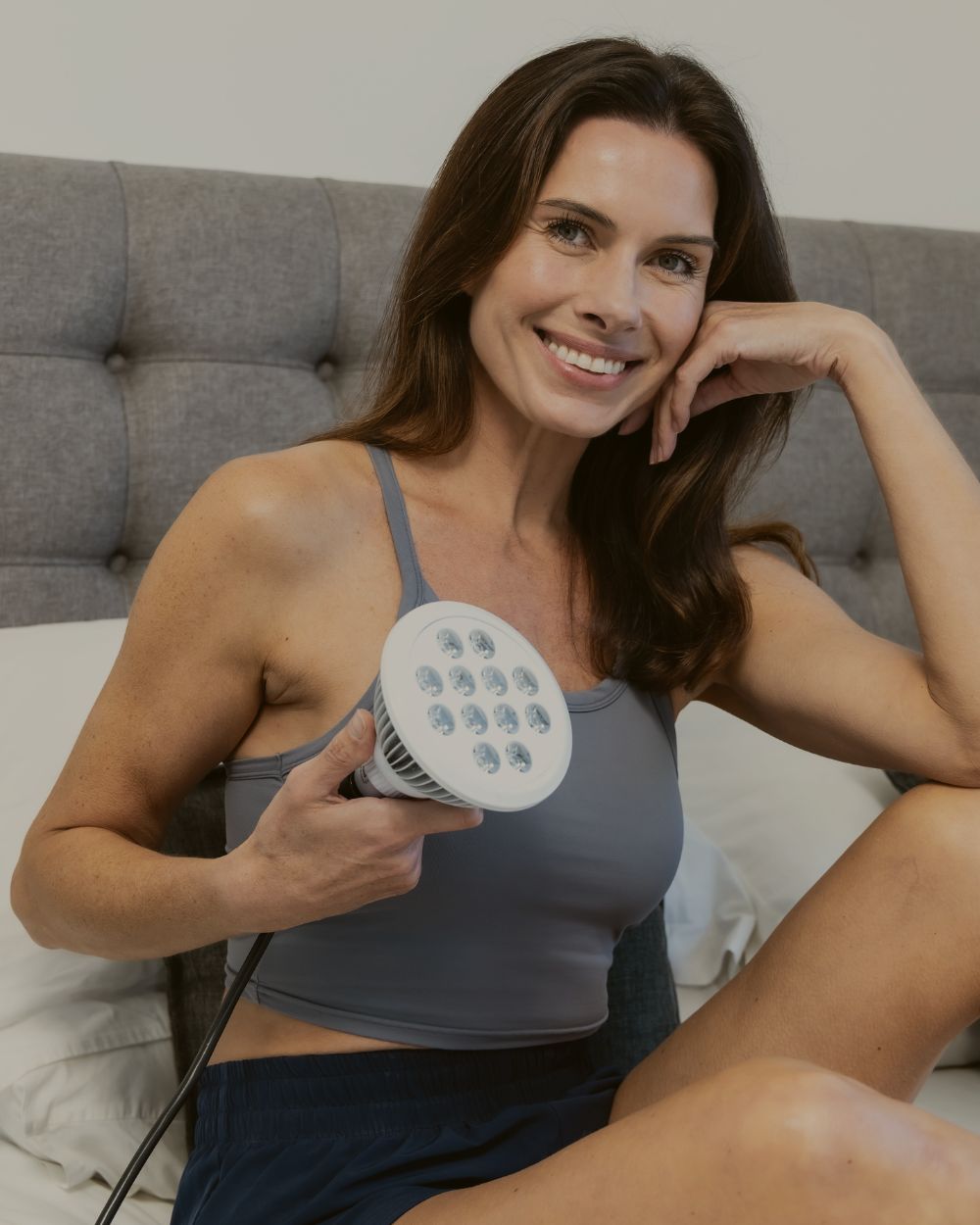
The Target Light 670 is best suited to localized sessions. Its compact size makes it easy to position around a specific area without setting up a large panel or exposing a much larger portion of the body than necessary.
That works particularly well for areas that are easy to reach and position in front of the light. Less accessible areas, such as the middle of the back, may be more awkward because a small targeted device requires more deliberate positioning than a wearable wrap or large panel.
It can also work well as a secondary device. Someone who already owns a larger multi-wavelength panel may want a small dedicated 670nm source for more precise sessions without changing the settings or positioning of the main system.
Coverage is intentionally limited. The Target Light 670 is designed to concentrate light around a relatively small area rather than illuminate the torso, back, legs, or other large sections of the body.
That can be useful when precision matters. There is less reason to illuminate a large area when only one specific location is being targeted, and the smaller format is much easier to position and store than a full-sized panel.
The downside becomes obvious when several areas need to be treated. Moving a small light between the back, abdomen, thighs, shoulders, and other locations can quickly make a routine longer and less convenient.
Someone expecting regular large-area or full-body sessions should start with a larger panel rather than trying to make the Target Light 670 perform a job it was not designed to do.
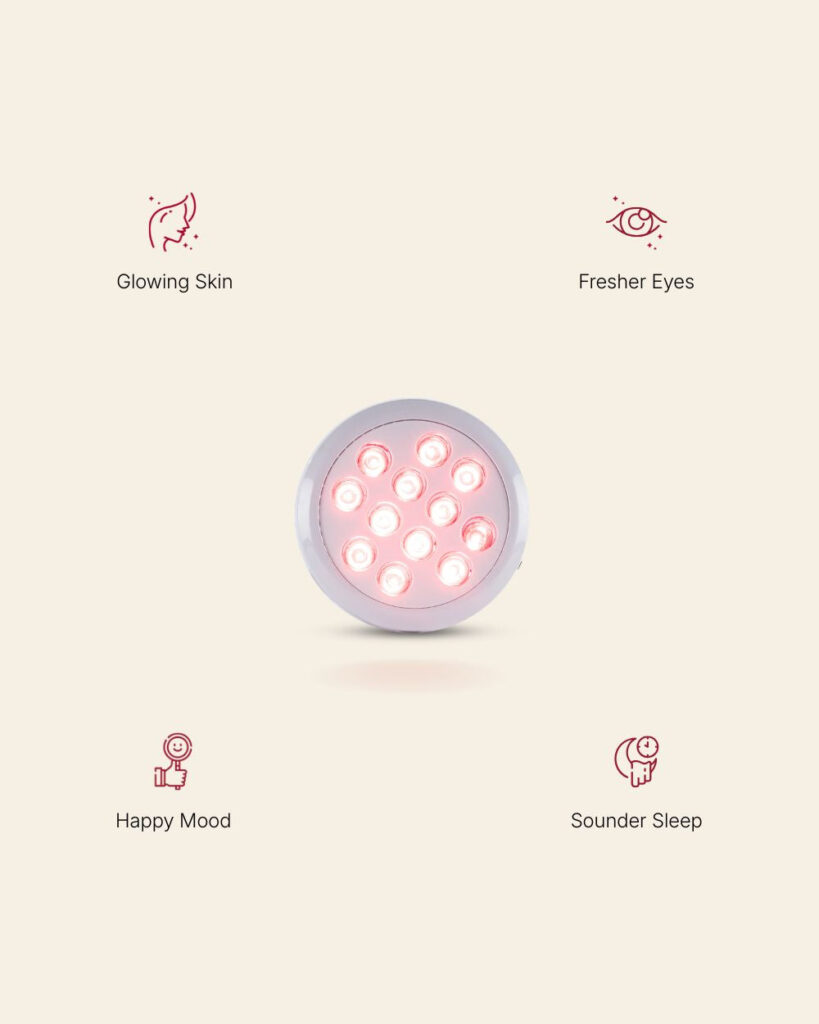
The Target Light 670 uses a single 670nm wavelength. It does not include additional red wavelengths or near-infrared light.
670nm sits within the visible red portion of the spectrum and has been used extensively in photobiomodulation research. The important thing for a buyer to understand is that an exact wavelength should not be treated as a guarantee of better results. Treatment distance, dose, consistency, and the intended application still matter.
The single-wavelength design is most useful for someone who already knows why they want 670nm. It provides a straightforward source without automatically combining that light with other wavelengths.
For someone still learning what they want from red light therapy, that specialization can be restrictive. A multi-wavelength device provides more room to experiment with different types of sessions as the routine develops.
One of the most important things to know before buying the Target Light 670 is that it does not provide near-infrared light.
Many red light therapy systems combine visible red wavelengths with near-infrared wavelengths such as 810nm, 830nm, or 850nm. The Target Light 670 intentionally leaves those out and concentrates exclusively on visible red light.
That makes the decision relatively straightforward. Someone specifically looking for 670nm may appreciate not paying for wavelengths they do not want. Someone who wants both red and near-infrared exposure should choose another Target Light or a broader multi-wavelength device.
The compact design is one of the Target Light 670’s strongest practical advantages. It requires very little space, is easier to store than a conventional panel, and can be transported without committing to a permanent red light therapy setup.
That makes it particularly useful for someone who only treats one or two small areas. A large panel can certainly provide the same visible red-light exposure across those locations, but it also brings considerably more size and coverage than the situation may require.
The smaller format also makes the Target Light 670 easier to use as a secondary light alongside an existing red light therapy setup.
Value depends heavily on whether the buyer specifically wants 670nm. This is not a feature-heavy device with numerous wavelengths, presets, adjustable wavelength combinations, or a large treatment area.
Someone comparing products based purely on the number of features may therefore find more versatile options for the money. The Target Light 670 makes its case through specialization rather than feature count.
For someone who already knows 670nm is the goal, paying for a straightforward dedicated light can make sense. A first-time buyer who is still exploring red light therapy may get better long-term value from a device that includes both red and near-infrared wavelengths.
Red Light Rising’s buyer protections are particularly useful with a specialized device because the Target Light 670 has such a narrow purpose. Someone considering it should make sure the limited treatment area and single wavelength actually fit the intended routine.
We would also confirm the current return conditions before ordering and keep the original packaging until the device has been fully inspected and the setup is working as expected.
Warranty coverage matters as well, particularly if the Target Light 670 will be used frequently as part of a long-term treatment routine.
For a device this specialized, the most useful owner feedback concerns practical details such as construction, positioning, ease of use, reliability, and whether the small treatment area remains convenient over time.
Individual reports about personal results are less useful for predicting what another person will experience. Someone else’s response to 670nm light does not guarantee the same outcome for every user or application.
We would pay particular attention to whether long-term owners continue finding the compact format convenient or eventually wish they had purchased something with greater coverage or additional wavelengths.
The Target Light 670 has a very clear purpose. Someone specifically looking for 670nm red light gets exactly that without paying for a long list of additional wavelengths or controls they may never use.
Its compact size is another advantage. It is easy to store, easier to position around small treatment areas, and requires considerably less space than a conventional panel.
We also like it as a secondary device. Someone who already has broader red and near-infrared coverage can add a dedicated 670nm source without purchasing another large system.
The single wavelength limits versatility considerably. Someone who later decides they want near-infrared light or additional red wavelengths will need another device.
Coverage is equally limited. The Target Light 670 is practical for small areas but becomes inefficient when several locations or large sections of the body need to be treated.
Positioning may also be inconvenient for harder-to-reach areas. A wearable wrap or larger panel can provide a more hands-free experience for areas such as the back.
For a first-time buyer, the specialization may simply be unnecessary. Unless there is already a specific reason for choosing 670nm, a multi-wavelength device provides more flexibility as treatment needs change.
The Red Light Rising Target Light 670 is not an all-purpose red light therapy device, and that is really the point. Its single 670nm wavelength and compact treatment area give someone who specifically wants localized visible red light a simple way to get it without purchasing a larger multi-wavelength system.
The compromises are equally clear. There is no near-infrared light, coverage is limited, and treating several areas requires repeated repositioning. Those limitations make it harder to justify as someone’s first or only red light therapy device.
It’s ideal for someone who already knows they want dedicated 670nm red light for small, targeted areas or wants to add a specialized 670nm device to an existing setup. Someone looking for broader coverage or a more versatile introduction to red light therapy will get more flexibility from one of Red Light Rising’s multi-wavelength options.
Key Features
Uses one 670nm red wavelength chosen with eye health and skin in mind.
Fits a standard E27 bulb socket and runs from mains power.
At £125 it is the brand's most affordable targeted device.
Full Specifications
Wavelengths:
Final Verdict
4
Tec Specs
Wave Lengths
670nm
IRRADIANCE:
94.58 mW/cm² at 10cm
Coverage Area:
Face
Overall Category Scores
Category
Score
Best Quality
Ease of Use
Features
Value
Support
Staying informed with the latest research and reviews.
10 Minute Read
10 Minute Read
10 Minute Read