Red light therapy for skin has moved from niche wellness circles into mainstream skincare conversations, and for good reason. Backed by a growing body of peer-reviewed research, this non-invasive treatment offers a compelling alternative for people looking to address fine lines, uneven texture, and inflammation without downtime or harsh chemicals.
This guide breaks down what the science actually shows,what Red Light Therapy Before and After results you can realistically expect, and how to choose a device that delivers real results.
How Red Light Therapy for Skin Works
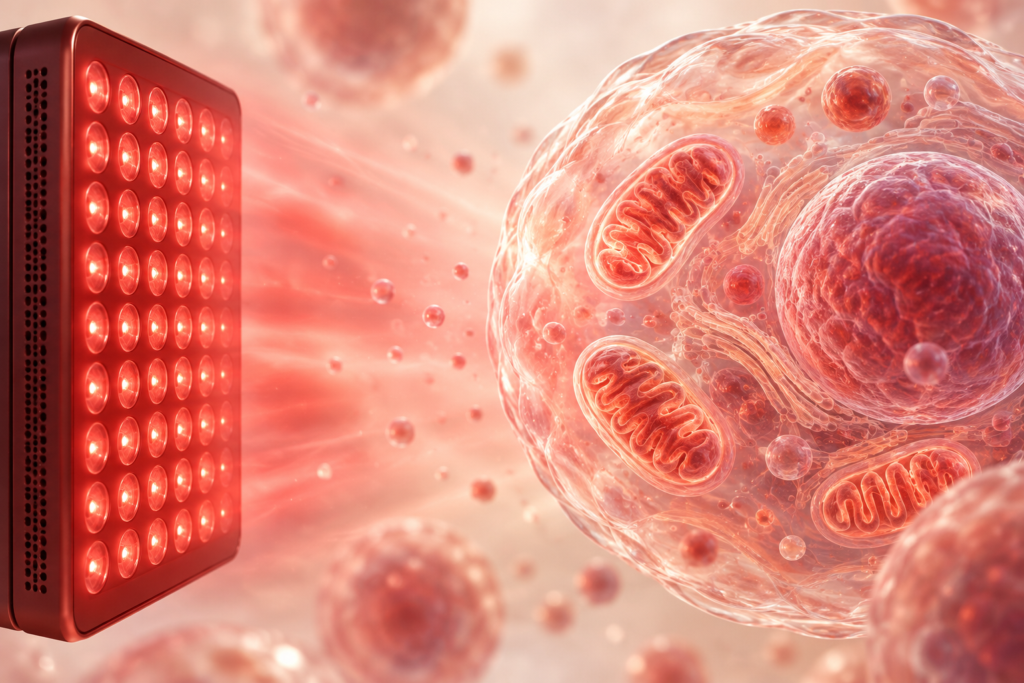
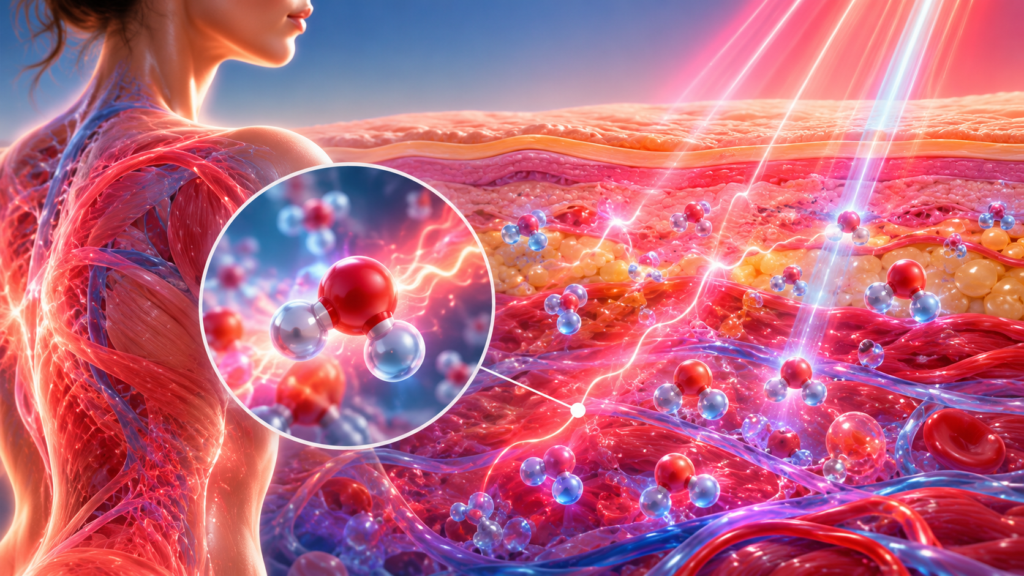
Red light therapy for skin relies on specific wavelengths of visible and near-infrared light — typically in the 630-660nm (red) and 780-850nm (near-infrared) ranges — that penetrate the skin and are absorbed by mitochondria, the energy-producing structures inside your cells. This process boosts ATP (cellular energy) production, which in turn increases fibroblast activity, stimulates collagen production, improves circulation, and reduces cellular inflammation.
Unlike UV light, red light therapy doesn’t carry the same risk of DNA damage, which is part of why it’s gained traction as a longer-term, lower-risk option for skin maintenance.
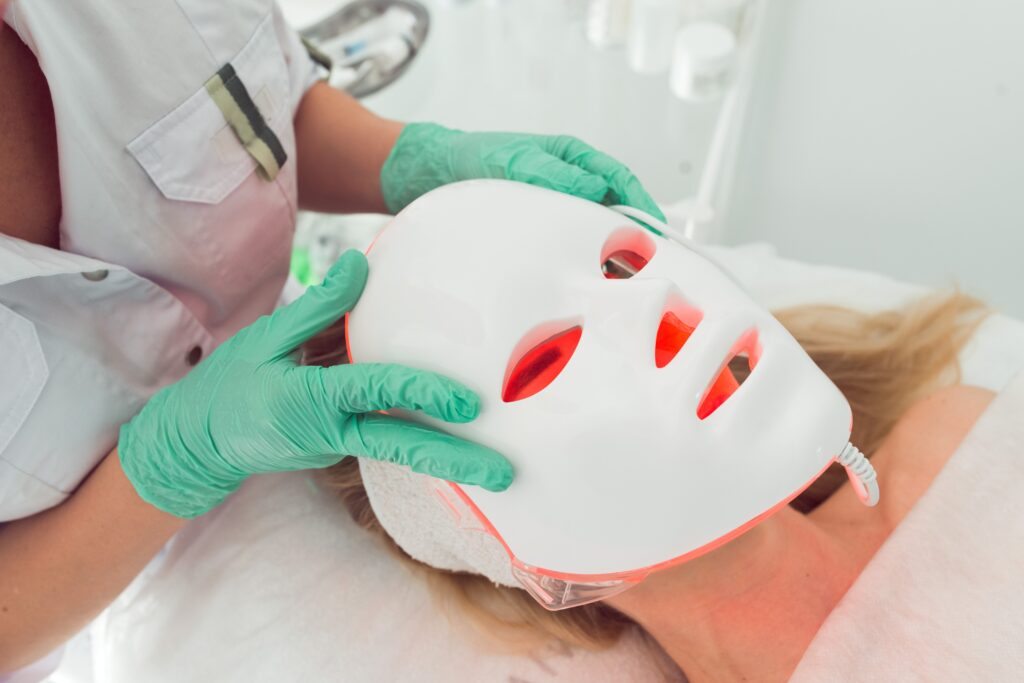
Benefits of Red Light Therapy for Skin
Collagen and Fine Lines
The strongest evidence for red light therapy for skin sits here. A landmark controlled trial by Wunsch and Matuschka (2014) followed 136 participants across four groups — red LED light, polychromatic light, a placebo-equivalent, and no treatment — for 15 weeks. Both LED groups showed significant increases in collagen density (confirmed by ultrasound), improved wrinkle scores on standardized clinical photography, and reduced skin roughness, with results holding at a 12-week follow-up.
A more recent 2023 randomized controlled trial compared red (660nm) and amber (590nm) light on 137 women over just 4 weeks and 10 sessions, finding a 31.6% reduction in periocular wrinkle volume with red light. Worth noting honestly: this particular study did not find improvements in skin hydration or elasticity, a reminder that red light therapy is not a cure-all and works best as part of a broader skin routine.
Acne and Inflammation
This is where the research gets more nuanced, and where honesty matters more than hype. A 2021 systematic review and meta-analysis of 13 randomized controlled trials found that red light used alone did not produce a statistically significant reduction in inflammatory or non-inflammatory acne lesions.
However, combination protocols tell a different story. An early randomized trial published in the British Journal of Dermatology found that combined blue (415nm) and red (660nm) light was effective for mild-to-moderate acne, likely due to blue light’s antibacterial action paired with red light’s anti-inflammatory effect. A more recent sham-controlled study found inflammatory and non-inflammatory lesions dropped by 77% and 54% respectively with combined blue-red light, compared to no meaningful change in the sham group, as reported in the Journal of Clinical and Aesthetic Dermatology.
Takeaway: if acne is your primary concern, red light therapy works best paired with blue light rather than used in isolation.
Wound Healing and Scarring
Red light therapy has a long research history in wound care. A phase II randomized controlled trial protocol registered with ClinicalTrials.gov is currently evaluating LED red light’s ability to limit post-surgical scarring and fibrosis, building on earlier phase I safety trials. The researchers note that red light therapy has the potential to decrease excessive fibroblast activity and collagen overproduction associated with scarring, positioning it as a safe, portable, at-home option for scar support.
Red Light Therapy Before and After: What to Realistically Expect
One of the most common questions people have before starting red light therapy is how long it takes to see results — and the honest answer is that it depends on what you’re trying to improve.
Based on the clinical trial timelines above, here’s a realistic framework:
- Weeks 1-4: Early studies (like the 2023 wrinkle trial) show measurable changes in wrinkle volume within 10 sessions over 4 weeks. Skin may look more hydrated and “awake” during this window.
- Weeks 8-15: The foundational Wunsch and Matuschka trial ran a full 15 weeks to capture significant, ultrasound-confirmed collagen density increases. This is closer to the timeline for genuine structural change rather than surface-level glow.
- 3+ months: Continued, consistent use tends to produce the most durable results, with the original trial showing effects maintained at 12-week follow-up.
The biggest factor separating a good before and after result from a disappointing one isn’t the device alone — it’s consistency. Sporadic use rarely reflects the timelines shown in these trials, since the protocols above involved multiple sessions per week over months, not occasional use.
How to Choose the Best Red Light Therapy Device
With so many devices on the market, it helps to know what actually separates an effective one from an underpowered one.
Wavelength Range and Irradiance
Look for a device operating in the 630-660nm (red) and/or 780-850nm (near-infrared) range, which remains the most extensively studied wavelength range in photobiomodulation research. For dosing, pooled research recommends an energy density of roughly 4 to 10 J/cm² at the target tissue for superficial applications, with irradiance generally under 100 mW/cm².
Why Specs Matter More Than Marketing Claims
This same body of research found that the wide variability in wavelength, dose, and treatment duration used across studies has sometimes led to contradictory results — and notably, ineffective studies were more often linked to over-dosing than under-dosing. In practice, this means a device with published, verifiable irradiance and wavelength specs is a more trustworthy choice than one relying on vague “clinical strength” language without numbers to back it up.
Treatment Area and Safety Certification
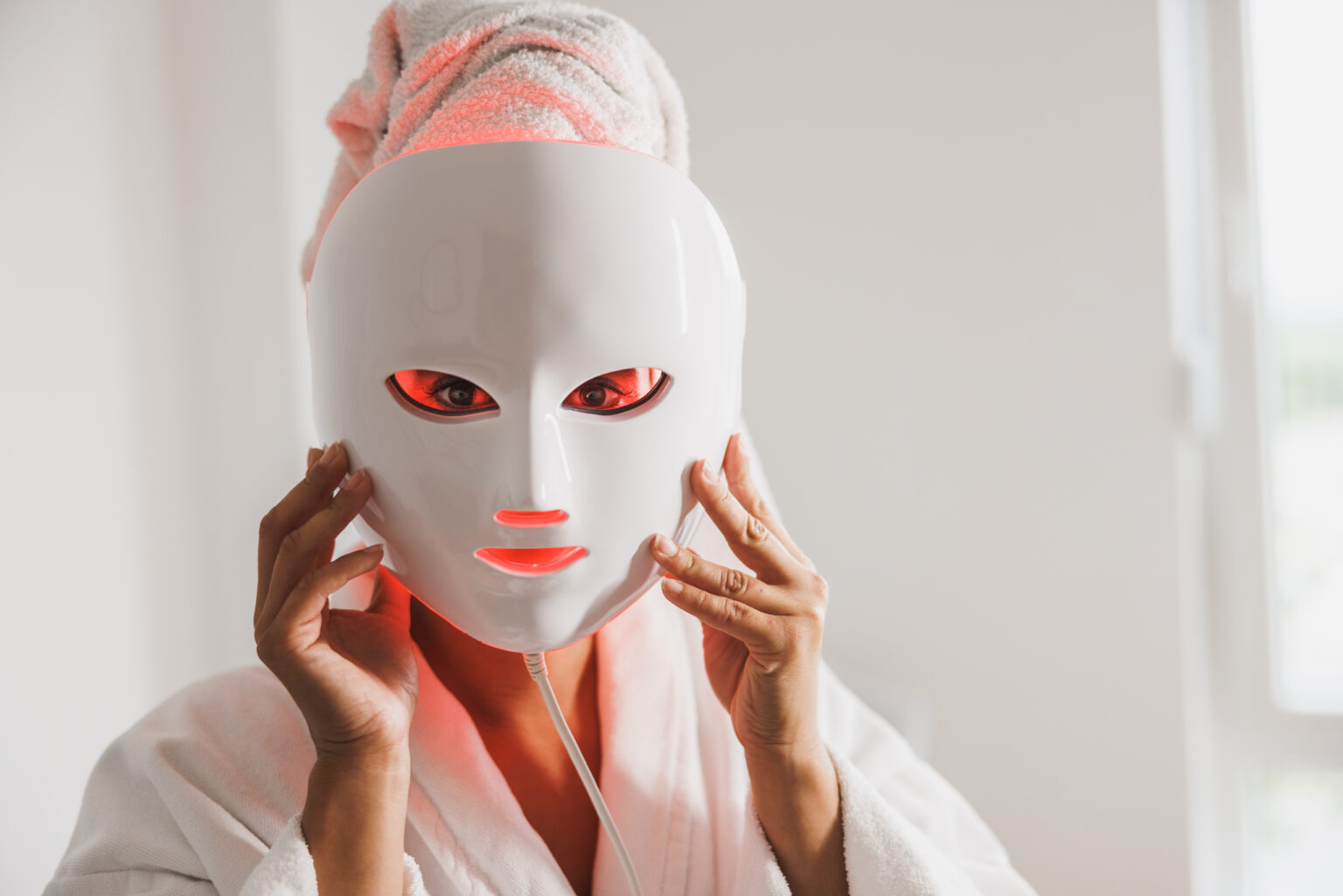
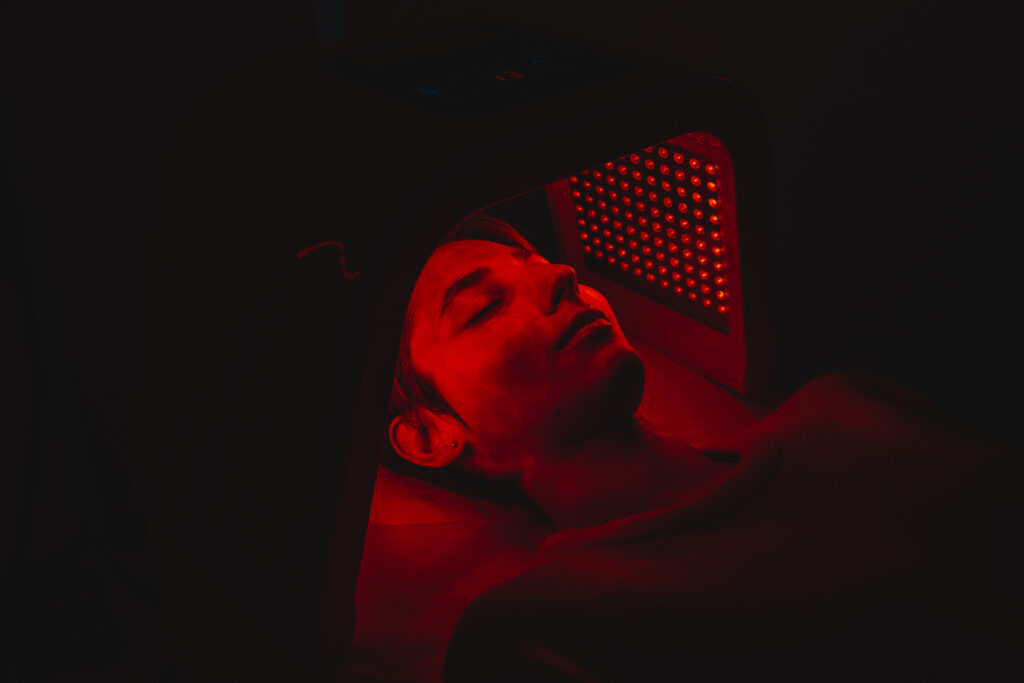
Larger panels cover more surface area per session (useful for full-face or body treatment), while masks and handheld devices suit more targeted use. Look for FDA clearance as a baseline safety marker, and confirm the manufacturer publishes actual wavelength and irradiance specifications rather than marketing-only claims.
How Often Should You Use Red Light Therapy for Skin?
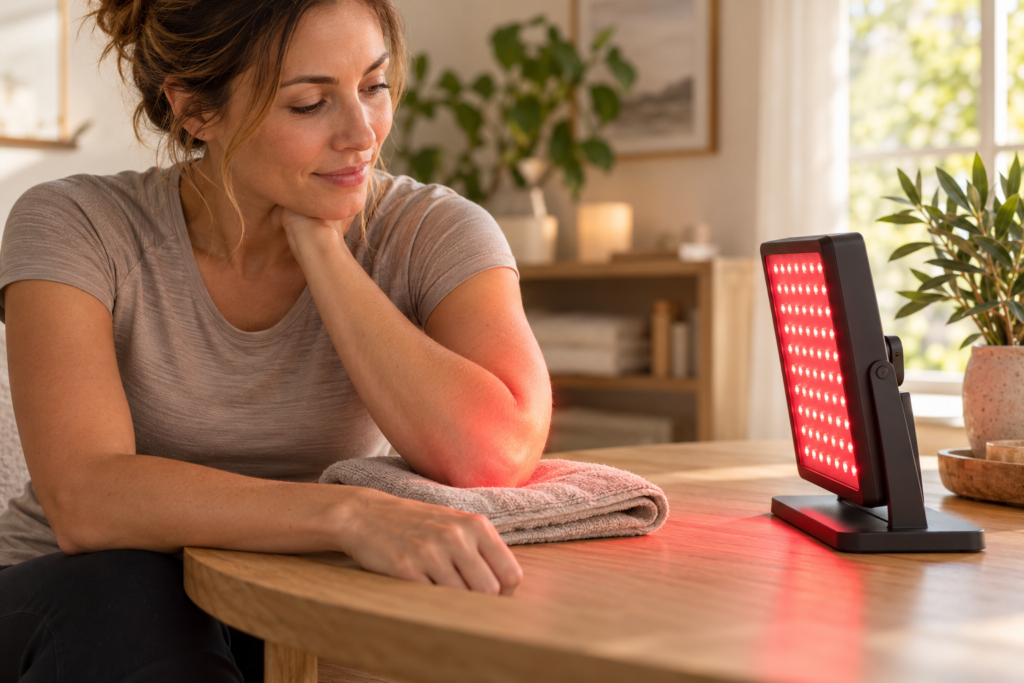
Based on the clinical protocols referenced above, most effective trials used sessions ranging from 2-5 times per week, with individual sessions lasting roughly 10-20 minutes depending on the device’s irradiance output. Consistency over multiple weeks — not single-session intensity — is what the research repeatedly shows drives real results.
Frequently Asked Questions
1. Is red light therapy safe for daily use?
Red light therapy is generally considered low-risk since it doesn’t carry UV light’s DNA-damage risk, but always follow your specific device’s recommended session frequency and duration.
2. How long until I see red light therapy before and after results?
Early changes may appear within 4 weeks of consistent use, but the most significant, clinically-measured collagen changes in trials took closer to 12-15 weeks.
3. Can I use red light therapy with other skincare products or retinol?
Most people can combine red light therapy with their existing skincare routine, though it’s worth spacing out retinol use and red light sessions and consulting a dermatologist if you have sensitive or reactive skin.
4. Do I need eye protection?
Depending on the device’s intensity and proximity to the eyes, eye protection is often recommended — check your specific device’s guidelines.
Ready to find your RLT device? Check out our product and brand reviews and try our comparison tool to find the right fit for your skin goals.