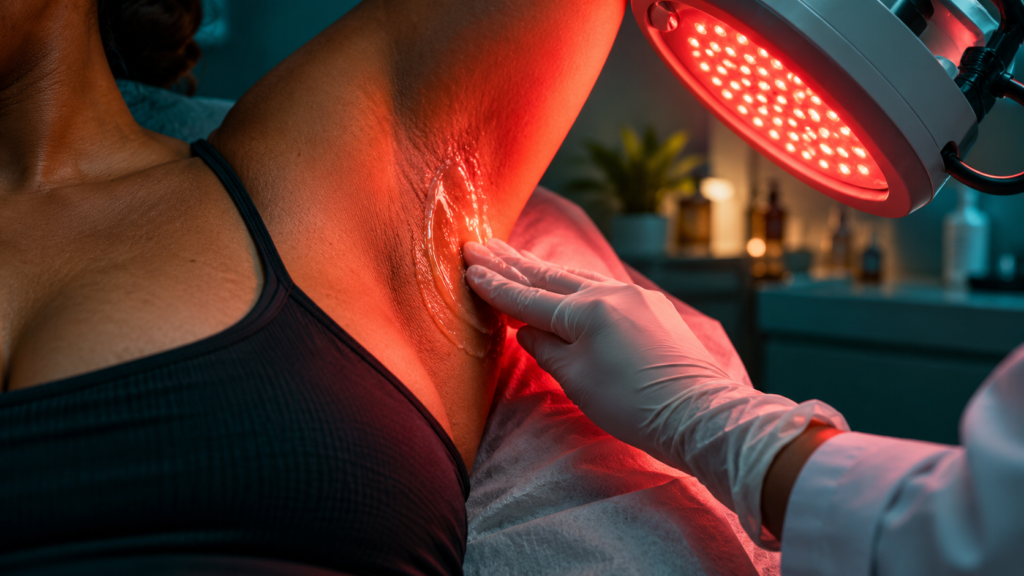
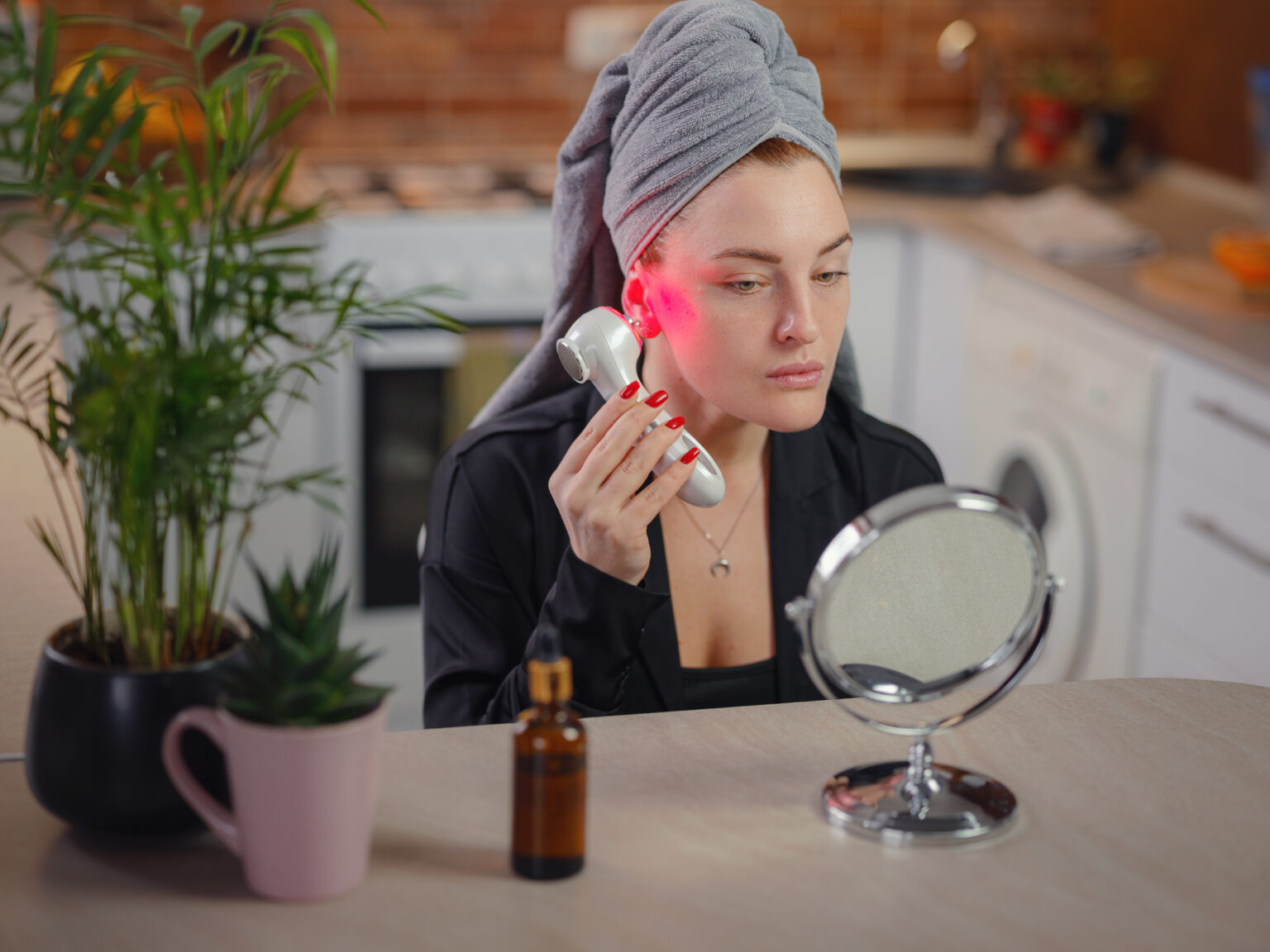
Red light therapy at home has gone from a clinic-only treatment to something anyone can build into their daily routine. With devices now ranging from full-body panels to handheld spot treatments, more people are asking whether red light therapy at home can deliver the same results as an in-office session, and what it actually takes to get started. This guide covers the real benefits, how to choose a device, and how to set up a realistic routine.
Why People Are Choosing Red Light Therapy at Home
The appeal is straightforward: no appointments, no drive time, and no recurring per-session fees. A single in-office red light therapy session can run $25-75, while a quality at-home device pays for itself within a few months for anyone using it consistently. Doing red light therapy at home also means you control the environment, the timing, and the frequency, which matters given that most clinical protocols rely on repeated sessions over weeks — something that’s far easier to stick to when the device is already in your living room or bathroom.
Red Light Therapy Benefits You Can Get Without Leaving the House
The research behind red light therapy benefits spans several areas, and you don’t need clinic-grade equipment to access most of them.
Skin and Anti-Aging Benefits
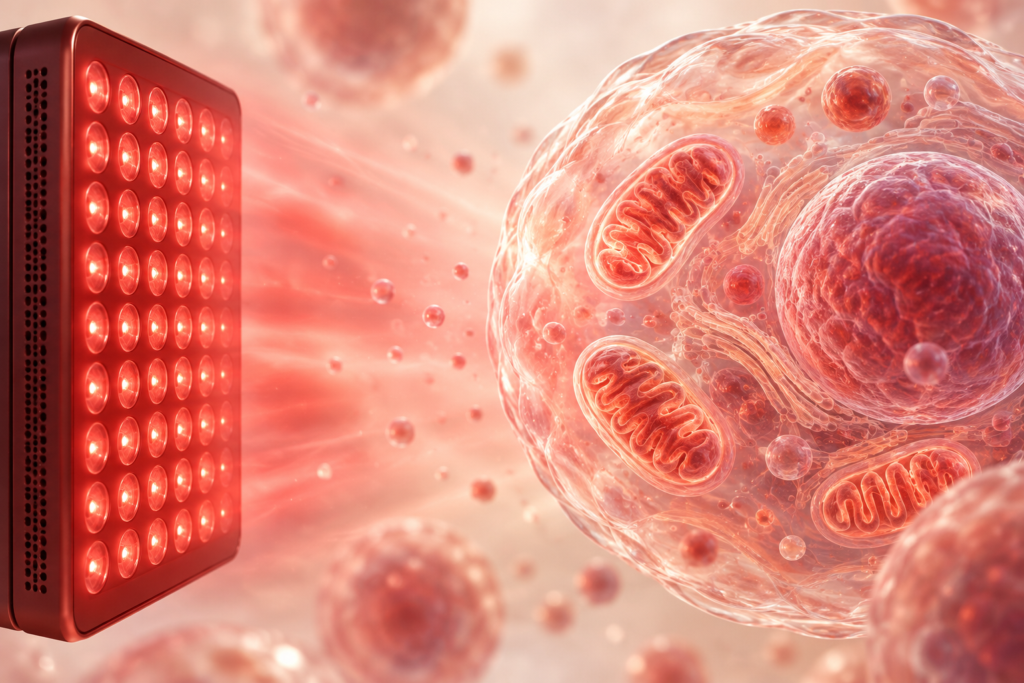
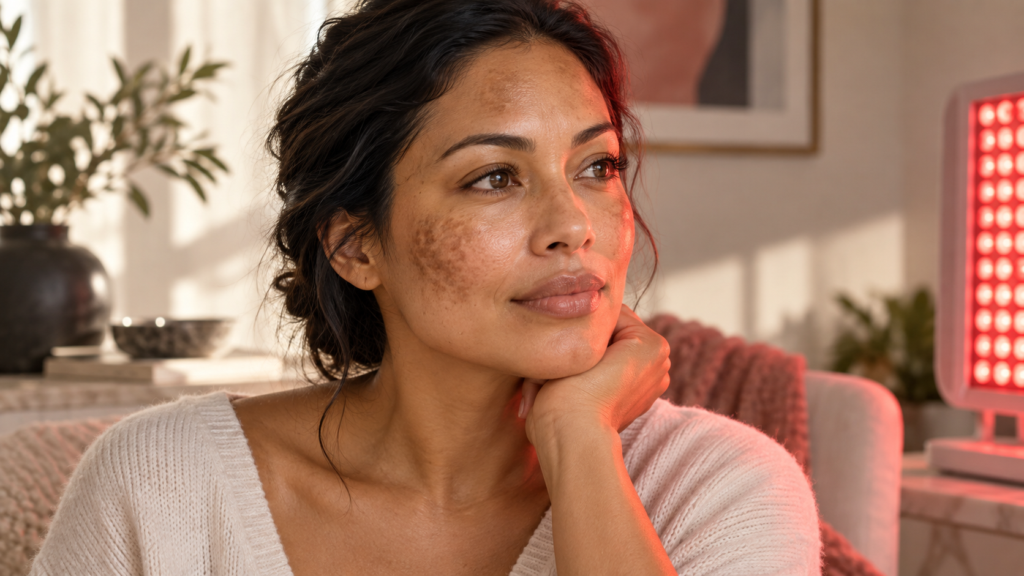
This is the most heavily studied category. Clinical trials have shown measurable increases in collagen density and reductions in wrinkle volume with consistent red light exposure over several weeks (we cover this in depth in our companion piece on red light therapy for skin). The short version: red and near-infrared wavelengths in the 630-660nm and 780-850nm range stimulate fibroblast activity, and the effects compound with regular, at-home use rather than occasional sessions.
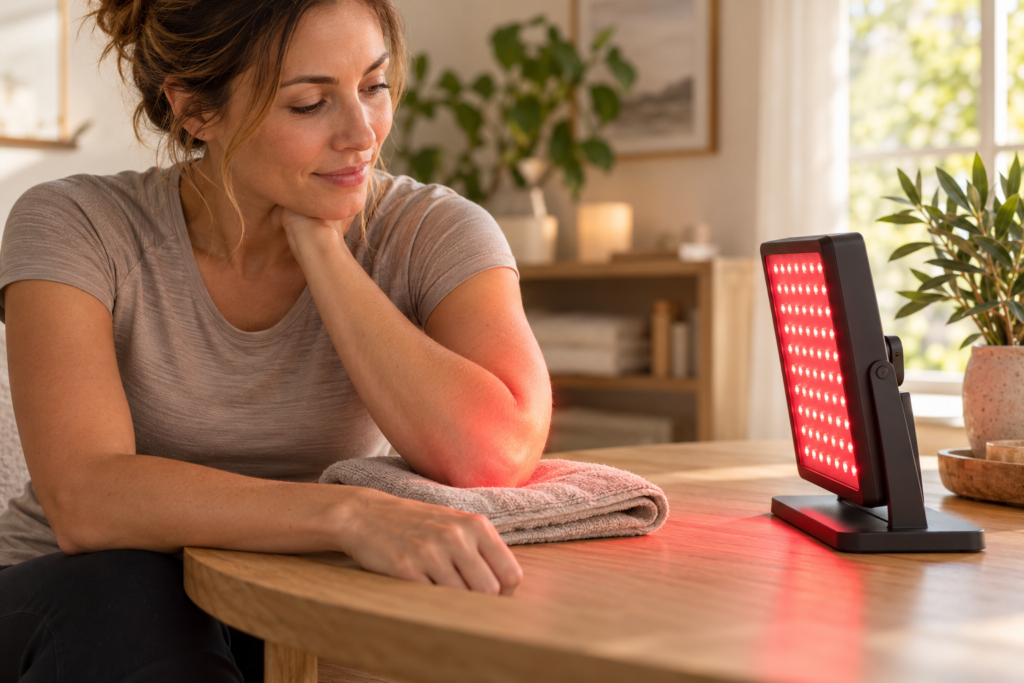
Muscle Recovery and Joint Support
A 2026 systematic review of 53 studies (nearly 2,800 patients) found that photobiomodulation therapy decreased pain by an average of 32% across conditions including knee osteoarthritis, tendinopathies, and low back pain, and improved strength outcomes by 25% while reducing delayed-onset muscle soreness by 30% when combined with exercise. Notably for anyone doing red light therapy at home specifically, the same review found home-based protocols achieved 85% patient compliance with a 22% pain reduction sustained at 12 weeks — evidence that at-home consistency can rival clinic-based results for musculoskeletal support.
A separate randomized controlled trial on non-specific low back pain found that LED photobiomodulation delivered three times weekly over two weeks produced measurable improvement over sham treatment in a double-blind trial of 148 patients.
Sleep and Circadian Support
Unlike blue light, red light doesn’t suppress melatonin the way screens and overhead lighting do. A study published in the Journal of Athletic Training found that 14 nights of red light treatment improved sleep quality scores and increased serum melatonin levels in elite athletes, with a significant correlation between melatonin increases and improved Pittsburgh Sleep Quality Index scores. A more recent controlled study comparing red and blue LED light found that melatonin levels recovered to 26.0 pg/mL under red light exposure after two hours, compared to continued suppression at 7.5 pg/mL under blue light, reinforcing red light as a lower-disruption option for evening use.
How to Choose the Best Red Light Therapy Device for Home Use
Picking the best red light therapy device for your space and goals comes down to a few key specs rather than marketing claims.
Wavelength and Irradiance Specs to Look For
Look for a device operating in the 630-660nm (red) and/or 780-850nm (near-infrared) range — the most extensively studied wavelengths in photobiomodulation research. For dosing, pooled research recommends an energy density of roughly 4-10 J/cm² at the target tissue for superficial use, with irradiance generally under 100 mW/cm². The best red light therapy device for your needs will list these numbers clearly rather than relying on vague “clinical strength” language.
Panel vs. Mask vs. Handheld — Which Fits Your Space and Goals
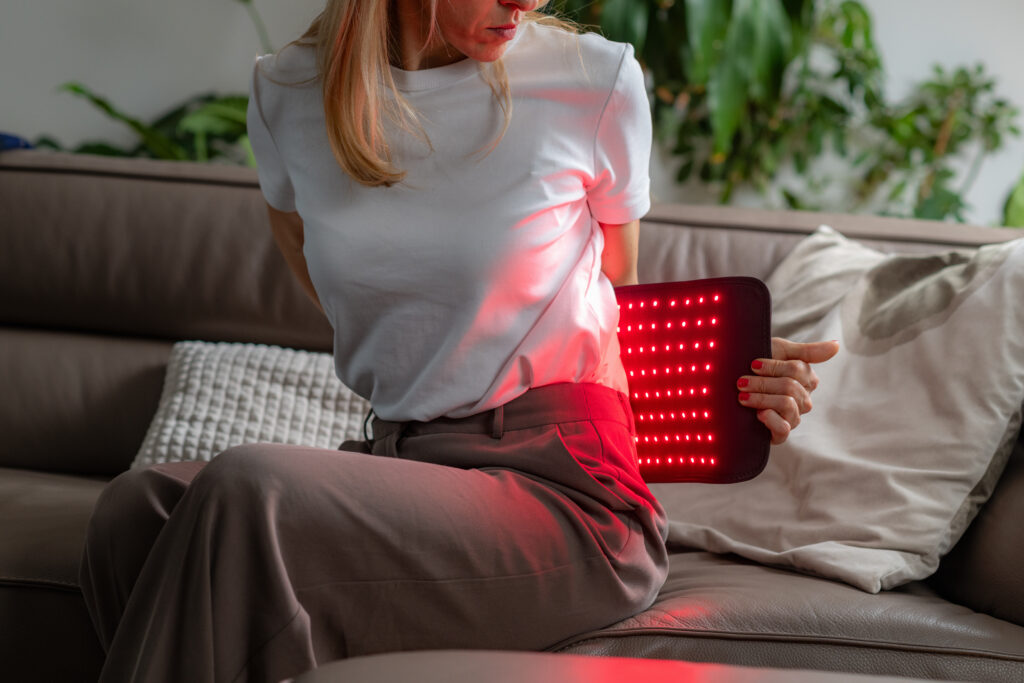
- Panels cover larger areas (back, legs, full torso) and work well for muscle recovery or joint support.
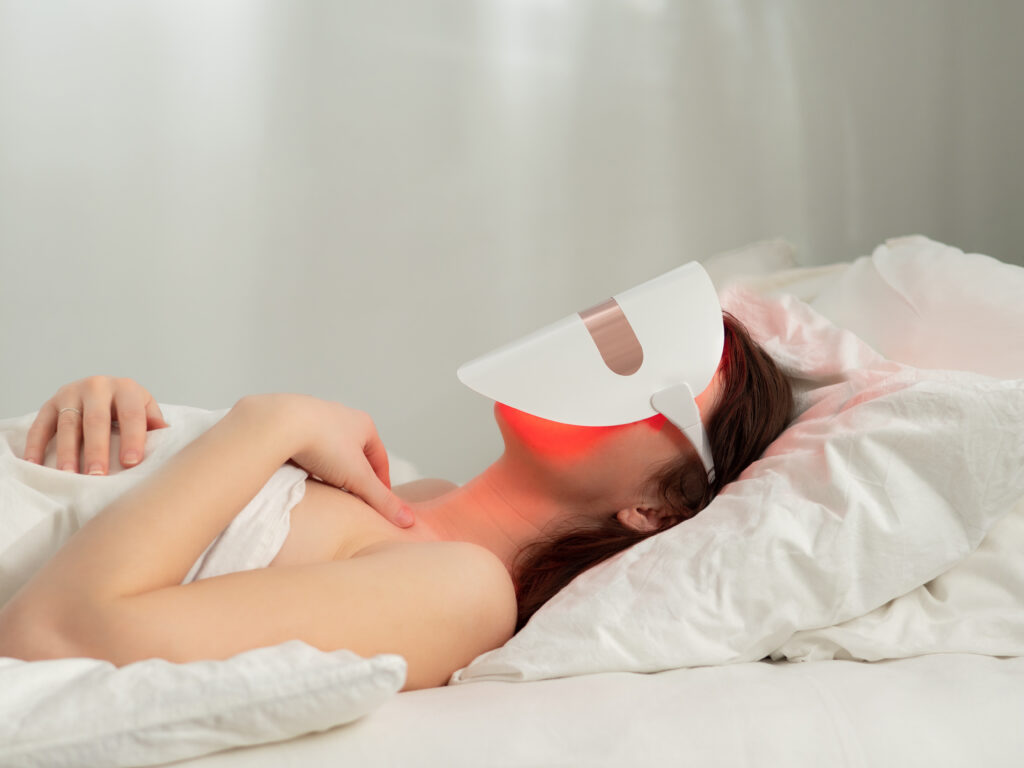
- Masks are built for facial skin treatment and tend to be the most convenient for a daily skincare-adjacent routine.
- Handheld devices are the most portable and budget-friendly option for spot-treating a specific joint or muscle group.
Your goals should drive the choice: someone focused on skin benefits may only need a mask, while someone managing joint pain in multiple areas will get more value from a panel.
FDA Clearance and Safety Certifications
The best red light therapy device options will carry FDA clearance as a baseline safety marker, alongside published wavelength and irradiance specifications you can independently verify.
Setting Up Red Light Therapy at Home: A Realistic Starting Routine
Based on the clinical protocols referenced above, most effective studies used sessions 2-5 times per week, lasting roughly 10-20 minutes depending on the device’s output, at a distance of a few inches to a foot from the skin (check your specific device’s guidance). The pattern across almost every trial cited in this guide is the same: consistency over multiple weeks drives results, not single-session intensity. Red light therapy at home only delivers on its potential when it becomes a routine rather than an occasional add-on.
Safety Tips for At-Home Use
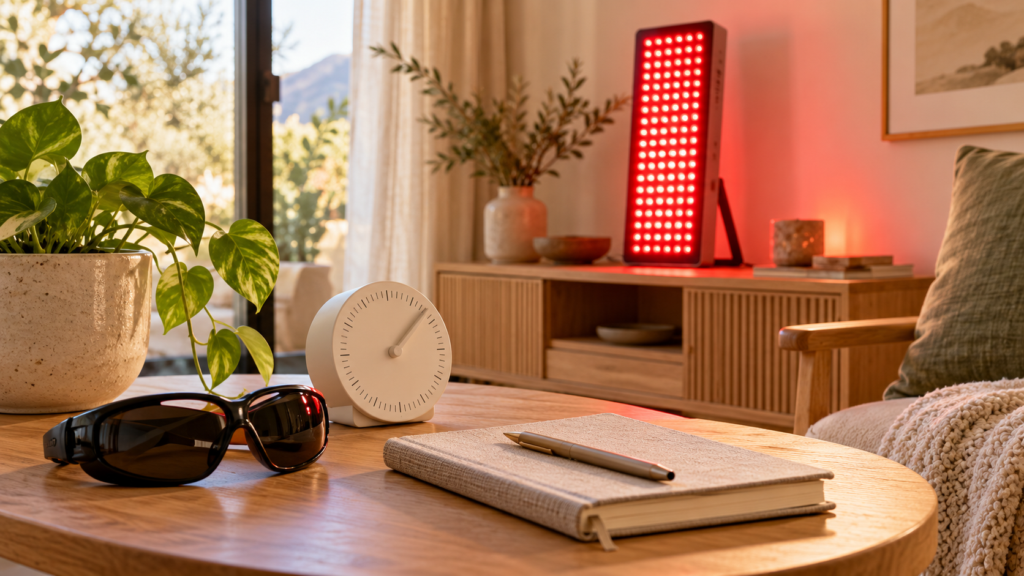
- Use eye protection if your device is positioned near the face, especially with higher-irradiance panels.
- Check with a doctor before starting if you’re on photosensitizing medications or have a history of skin cancer.
- Start with shorter sessions and the manufacturer’s recommended distance, especially with near-infrared devices, since higher doses aren’t automatically better.
Frequently Asked Questions
Is red light therapy at home as effective as in-clinic treatments? Research suggests at-home protocols can match clinic-based outcomes when sessions are consistent — one systematic review found home-based use achieved 85% compliance with sustained pain reduction at 12 weeks, comparable to supervised settings.
How much does a red light therapy at home setup cost? Devices range widely, from handheld options to full panels, but most users recoup the cost compared to repeated in-office sessions within a few months of regular use.
How long until I see results at home? Early changes can appear within a few weeks of consistent use, though the more significant, clinically-measured changes in skin and musculoskeletal studies took closer to 8-12 weeks.
Can I combine it with other wellness routines, like sauna or cold plunge? Yes — many people incorporate red light therapy at home alongside other recovery practices, though spacing sessions out and following your specific device’s guidance is recommended.
Ready to find your RLT device? Check out our product and brand reviews and try our comparison tool to find the right fit for your goals.