OVERALL
4.2
BEST FOR
Hair and Scalp, Hands-Free Use, Home User
$449
WAVELENGTHS
650nm
IRRADIANCE
20 ± 5 mW/cm²
COVERAGE AREA
Full scalp
WEIGHT
10.08 oz (286g)
Our Review
The BON CHARGE Red Light Cap is designed for someone who wants to add red light therapy to their hair and scalp routine without sitting in front of a panel or wearing a bulky therapy helmet. At $449, you’re paying for a very specific type of convenience: put the cap on, start your 10-minute session, and you’re free to walk around the house, make coffee, answer emails, or continue with your morning while it runs.
That’s probably the biggest reason we’d choose the Cap over trying to use a regular red light panel on your scalp. Hair-focused light therapy is something you’ll need to be consistent with before you can reasonably judge whether it’s doing anything for you, and the cordless design makes that commitment considerably easier. Just keep your expectations realistic. Hair thinning and shedding can happen for many different reasons, and no red light device can address every underlying cause. In this review, we’ll go through how the Red Light Cap works, what you’re actually getting for $449, how practical it is to use consistently, returns and warranty coverage, and what customers are saying so you can decide whether a dedicated scalp device makes sense for you.
The Red Light Cap uses 650nm red light and is designed specifically to deliver light across the scalp. Unlike BON CHARGE’s larger red light devices, there’s no near-infrared wavelength here. That’s not necessarily something we’d hold against it because this isn’t supposed to be an all-purpose recovery device. BON CHARGE built it around one job: making targeted red light exposure to the scalp as easy as possible.
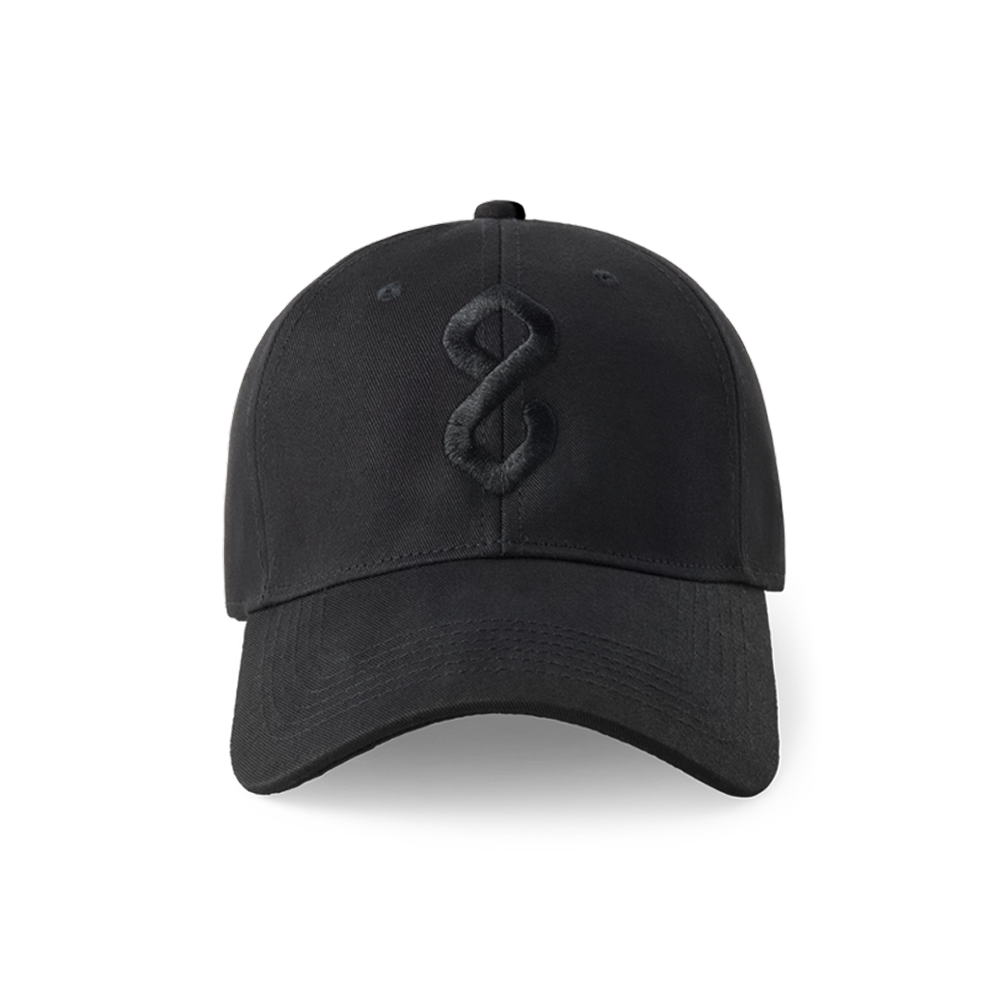
The cap itself weighs approximately 10 ounces and has a flexible, baseball-cap-style design rather than the rigid helmet shape you may have seen from some hair-focused light therapy systems. That’s more important than it sounds. If you’re committing to repeated sessions over several months, we’d rather see you choose something comfortable enough to actually wear than pay for an impressive-looking device you eventually get tired of putting on.
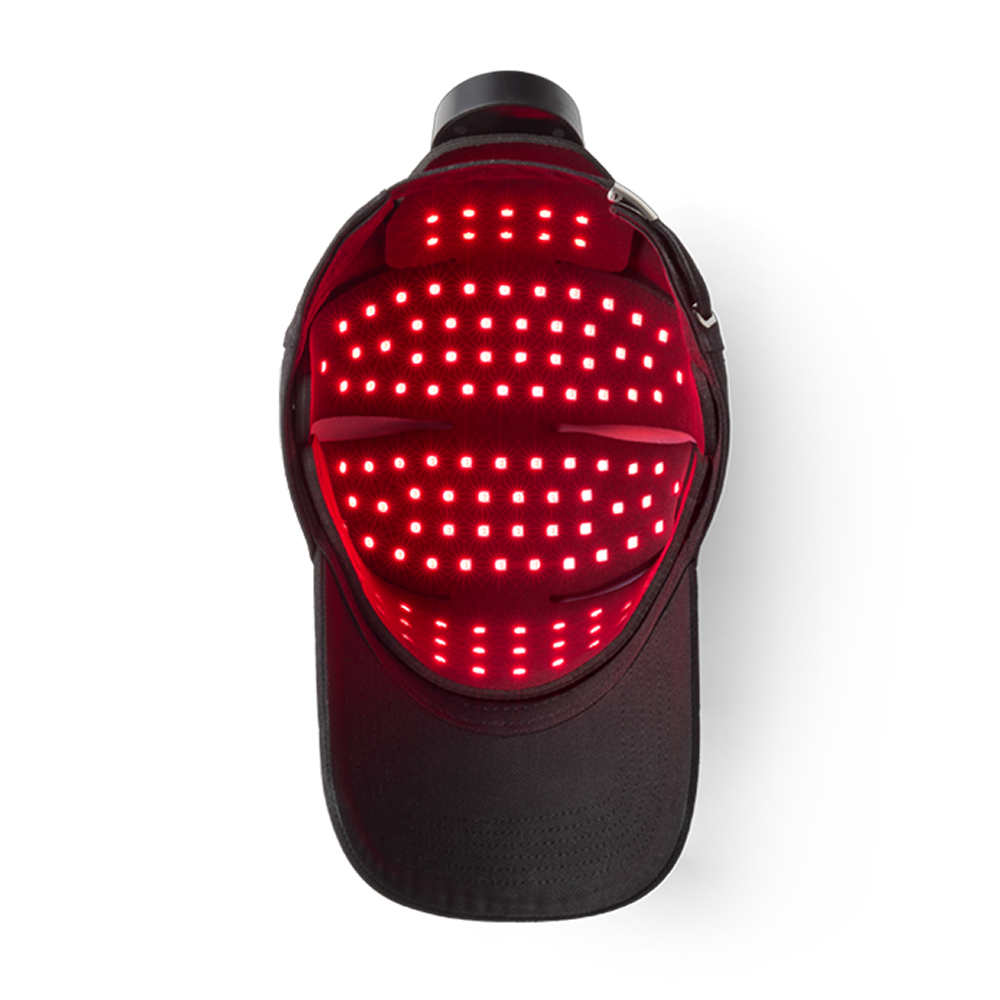
Coverage is another reason a dedicated cap makes sense for the right person. Rather than trying to angle a flat panel toward different parts of your head, the LEDs sit around the scalp and move with you. BON CHARGE describes the design as providing even coverage across key areas of the scalp.
Hair can still affect how much light reaches your scalp, though. If you have particularly thick or dense hair, we’d pay attention to how the cap sits and whether your hair is blocking some of the light. That’s not necessarily a BON CHARGE problem; it’s something we’d consider with any LED device trying to deliver light through hair to the skin underneath.
This is where the Red Light Cap makes the strongest case for itself. Charge the battery, put the cap on, start your session, and you’re essentially done. Sessions are pre-timed for 10 minutes, and because the cap is cordless, you aren’t stuck next to an outlet while you’re using it.
We’d actually put a lot of value on that convenience if hair is your primary reason for getting into red light therapy. You’re not buying something you’ll realistically judge after a week or two. BON CHARGE recommends incorporating the Cap into a regular routine, and consistency over time is much easier when 10 minutes doesn’t require you to stop everything else you’re doing.
The rechargeable design also means you’re not paying for disposable batteries or keeping a cable attached to your head during treatment. Charging is handled through USB-C, and the battery is included with the Cap.
What we’d want you to decide is whether that convenience is worth paying for a device that only treats your scalp. You can’t take the Cap off and use it for your face, back, knee, or post-workout recovery the way you could with a conventional red light panel. If hair and scalp care are your priority, that specialization makes sense. If you’re interested in red light therapy for several different reasons, we’d think carefully about whether $449 would be better put toward something more versatile.
The BON CHARGE Red Light Cap currently costs $449 with free shipping and is HSA/FSA eligible. Your purchase includes the Red Light Cap, rechargeable battery, USB-C charging cable, and user manual. There are no subscriptions or recurring fees required to continue using it.
Whether $449 feels reasonable really depends on what you’re comparing it with. There are cheaper LED caps and hair devices available, while some premium hair-growth systems can cost considerably more. We wouldn’t choose the BON CHARGE Cap simply because it sits somewhere in the middle. We’d choose it if the lightweight, cordless design makes you more confident you’ll actually stick with your sessions.
That’s particularly important here because you’re buying a device with one purpose. If you stop using it after a month, you don’t have a $449 red light device you can repurpose for your back or legs. You have a $449 cap sitting in a drawer. We’d be reasonably confident that scalp-focused red light therapy is something you want to commit to before ordering.
BON CHARGE currently includes free shipping with the Red Light Cap. Unlike the company’s large panels and Red Light Therapy Blanket, there’s not much you need to plan for before it arrives. It weighs about 10 ounces, doesn’t require a dedicated treatment area, and charges through USB-C, so it should be relatively easy to incorporate into your existing routine.
Once you receive it, we’d still start using it fairly quickly. Make sure the fit is comfortable, the battery and controls work properly, and you’re happy with how the cap sits against your head. With a wearable device, comfort matters just as much as specifications because even a minor annoyance becomes much more noticeable when you’re repeating the same routine week after week.
BON CHARGE currently provides a 30-day return period and a one-year manufacturer’s warranty on the Red Light Cap, along with lifetime technical support.
As with the other BON CHARGE devices we’ve reviewed, we’d like to see a longer warranty. $449 isn’t the same commitment as spending nearly $2,000 on one of the company’s largest devices, but it’s still a substantial amount of money for a specialized wearable containing LEDs, a rechargeable battery, controls, and electrical connections.
We’d also use the 30-day period to evaluate the things you can realistically judge that quickly: fit, comfort, ease of use, and whether you can see yourself maintaining the routine. We wouldn’t expect 30 days to tell you everything you want to know about your hair. If the cap already feels inconvenient during that first month, though, that’s worth paying attention to.
Customer feedback on the Red Light Cap is very positive so far, but we’d put the number of reviews into perspective. BON CHARGE currently shows only around a dozen Cap-specific reviews, so there isn’t enough feedback yet for us to treat that as a large long-term owner consensus. We’d rather tell you that upfront than make a perfect-looking star rating sound more conclusive than it is.
What we do like is that owners repeatedly mention the exact thing we’d consider the Cap’s biggest advantage: convenience. Customers like being able to walk around while wearing it rather than staying connected to an outlet, and some describe working the 10-minute sessions into things they were already doing, such as making coffee in the morning. That’s encouraging because consistency is one of the biggest hurdles with a device like this.
Some owners also report noticing less shedding, new hairs around the hairline, or hair that feels thicker after consistent use. Those experiences are encouraging, but we wouldn’t promise you’ll see the same thing or use someone else’s timeline to judge your own progress. One reviewer even acknowledged that it was still too early to know whether the changes they were noticing would amount to meaningful results. That’s probably the mindset we’d take going into it.
There are a couple of hardware experiences worth mentioning as well. At least two customers reported problems involving a button or connector, although both said BON CHARGE responded quickly and replaced the affected device. That’s a very small sample and nowhere near enough for us to call it a recurring defect, but we’d rather include it than tell you the feedback has been completely problem-free.
The bigger question isn’t whether the Red Light Cap is convenient. It clearly is. The question is whether a dedicated scalp device is the right use of $449 for you. If hair and scalp care are specifically why you’re shopping for red light therapy, being able to put on a lightweight cordless cap for 10 minutes is considerably more practical than trying to position your head in front of a conventional panel every day.
If you’re experiencing sudden, significant, or unexplained hair loss, however, we wouldn’t make buying a red light cap your first move. Hair loss can have different underlying causes, and we’d want you to understand what’s happening rather than assume a consumer light therapy device is going to address it. And if you’re equally interested in red light therapy for your skin, muscles, joints, and recovery, we’d seriously consider whether a more versatile panel gives you more for your money.
The BON CHARGE Red Light Cap makes the most sense when you already know what you want from it: a simple, hands-free way to make scalp-focused red light therapy easier to stick with. You’re giving up the versatility of a traditional panel in exchange for something much more convenient for this one particular area. If that convenience keeps the Cap on your head instead of another red light device sitting unused in your closet, that’s ultimately where its value comes from.

Key Features
Uses targeted 650nm red light specifically for scalp-focused light therapy.
The LEDs are positioned throughout the wearable cap to deliver light directly across key areas of the scalp without having to reposition a panel.
The rechargeable battery lets you move around freely during treatment instead of remaining next to an outlet or stationary red light device.
Pre-timed 10-minute sessions make it easy to incorporate scalp light therapy into a regular morning or evening routine.
Weighs approximately 10 ounces, giving it a lighter, less cumbersome feel than many rigid hair therapy helmets.
Charges through USB-C and doesn't require disposable batteries or a power cable during treatment.
Uses a flexible, baseball-cap-style design rather than a large rigid helmet, making it easier to wear and store.
Full Specifications
Wavelengths:
Final Verdict
4.2
The BON CHARGE Red Light Cap is ideal for someone whose main red light therapy goal is specifically their hair and scalp and who knows convenience will determine whether they actually stay consistent. That’s where we think the Cap earns its place. Instead of positioning your head in front of a panel or committing to a bulky helmet, you can put on a lightweight, cordless cap for 10 minutes and continue with your morning or evening. :contentReference[oaicite:0]{index=0}
At $449, though, we’d want you to be sure that’s what you want it for. This isn’t the most versatile red light device you can buy, and it won’t replace a panel if you’re also interested in treating your face, muscles, joints, or other areas. You’re paying for dedicated scalp coverage and a design that makes repeated use much easier. We’d also prefer more than a one-year warranty, especially since this is a rechargeable wearable you’re buying with the expectation of using consistently over time.
If you’re dealing with sudden or unexplained hair loss, we’d focus on understanding why that’s happening before relying on a red light device alone. But if you already know scalp-focused red light therapy is something you want to add to your routine, the Cap makes that commitment pretty painless. Ultimately, we’d choose it because you’re confident you’ll put it on for those 10 minutes consistently, not because you’re expecting a quick fix. With a product like this, the convenience that keeps you using it is probably more valuable than another impressive specification on paper.

Join red light therapy users comparing devices, sharing protocols, and posting honest results. Free to join, no sales pitch.
Protocol sharing
Device comparisons
Safety-first advice
Tec Specs
Wave Lengths
650nm
IRRADIANCE:
20 ± 5 mW/cm²
Coverage Area:
Full scalp
Overall Category Scores
Category
Score
Best Quality
Ease of Use
Features
Value
Support
Staying informed with the latest research and reviews.

10 Minute Read
10 Minute Read