OVERALL
3
DEVICES
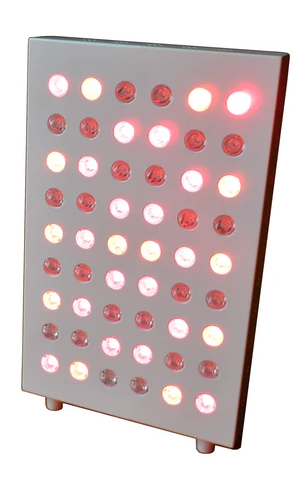
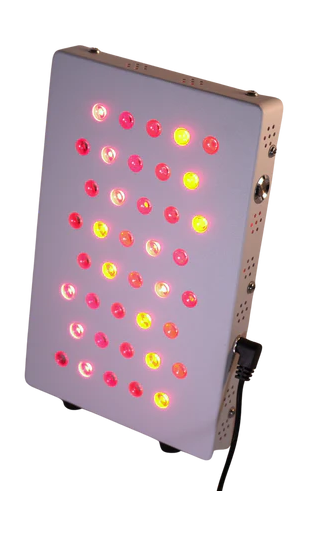
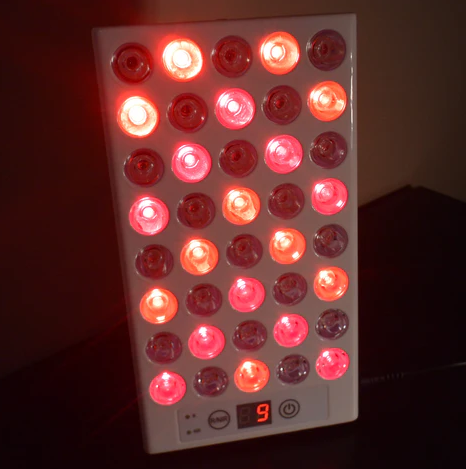
Red and near-infrared LED light panels, red LED nightlights, Red LED clip reading lights, Red LED desk lamps, red LED computer/TV monitor light bars, red and NIR LED bracer lights, and a red LED screw-in corn cob light.

2017
Panels ~ Portable devices ~ Accessories
From $29
630nm-850nm
About GembaRed
Editor's Take
GembaRed is a better fit for someone who cares about how red light therapy is actually being delivered than someone shopping for the biggest panel or highest advertised power number. The brand puts considerable emphasis on low flicker, low EMF, wavelength selection, treatment distance, and realistic dosing, and its educational content goes much deeper into those subjects than most red light therapy companies.
There are tradeoffs. The lineup takes more effort to understand, independent customer feedback is relatively limited, and some products can look expensive when compared strictly by size or output. What makes GembaRed interesting is not that it wins every specification comparison. It is the attention given to how the devices are designed, how they are meant to be used, and the support customers appear to receive after buying one.
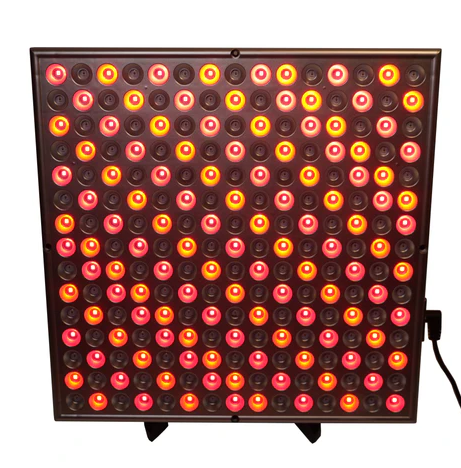
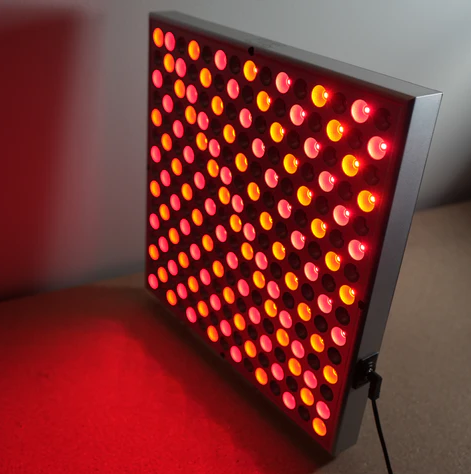
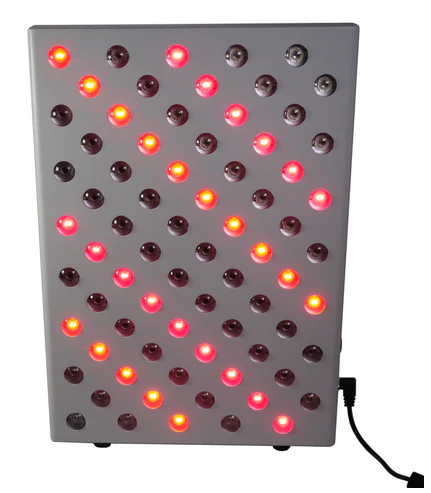
GembaRed takes a somewhat different approach to red light therapy than brands built around increasingly large and powerful panels. Its lineup includes compact panels, larger body lights, wearable devices, and more specialized products, with a strong emphasis on low flicker, low EMF, and practical dosing.
The company also spends a significant amount of time educating customers about how red light therapy devices are measured. Its content covers subjects such as irradiance, treatment distance, dosing, flicker, EMF, and why simply choosing the device with the largest advertised number does not necessarily tell you which one makes the most sense to use.
That is useful for buyers who want to understand what they are purchasing rather than comparing marketing numbers. The downside is that GembaRed can feel more technical than a brand that simply offers a small, medium, and large panel and tells customers which one to buy.
The GembaRed Vector is one of the more accessible products in the lineup. At $249, it is a compact panel designed primarily for targeted treatments rather than large full-body sessions.
The Vector uses four wavelengths at 630nm, 660nm, 830nm, and 850nm. Similar four-wavelength combinations appear across several GembaRed products, giving users two red and two near-infrared wavelengths instead of relying entirely on the common 660nm and 850nm pairing.
Beyond compact lights like the Vector, GembaRed offers larger and more specialized devices for different treatment areas and routines. The selection provides flexibility, but it is not organized as simply as some competing lineups.
That means buyers may need to spend more time comparing the intended use of each model before deciding. We would rather see meaningful differences between products than a lineup full of nearly identical panels, but GembaRed could make those differences easier for a first-time buyer to understand.
GembaRed is noticeably less interested in turning irradiance into a competition than many red light therapy brands. Rather than treating the highest possible output as automatically better, the company frequently discusses moderate intensities, treatment distance, exposure time, and the overall amount of light being delivered.
That approach makes sense because output is only useful when considered alongside how a device is actually used. A very high number measured directly against a panel does not necessarily describe the amount of light someone receives while standing at a normal treatment distance.
For a regular buyer, the important takeaway is simple: GembaRed is designed around getting an appropriate amount of light rather than assuming more power is always better.
Low flicker and low EMF are also major priorities across the brand. Certain devices avoid internal cooling fans as well, which can make them quieter than larger high-powered panels that require constant airflow to manage heat.
There are compromises to this philosophy. Buyers specifically looking for extremely high-output, large full-body panels will find more options elsewhere. Some GembaRed products can also appear expensive when compared only by panel dimensions or raw output.
Older independent testing illustrates that tradeoff. A previous GembaRed Reboot panel performed well for low flicker and relatively low noise but produced less measured output than several competing products while carrying a comparatively high price. That testing involved an older model, so we would not use it to make assumptions about every device GembaRed currently sells.
GembaRed pricing makes more sense when the products are judged on their overall design rather than simply calculating how much panel size or advertised power you receive for each dollar.
The $249 Vector provides a relatively affordable entry point for targeted treatments, but other products can become less competitive when compared strictly with larger panels from brands focused on maximizing coverage and output at a given price.
That makes GembaRed more of a deliberate purchase. Someone primarily looking for the largest treatment area within a fixed budget may find better value elsewhere. Someone prioritizing low flicker, low EMF, quiet operation, specific wavelength combinations, and the brand’s approach to dosing may see the value differently.
Return and warranty terms can vary by GembaRed product, so we would check the current policy attached to the specific device before ordering rather than assuming every product receives identical coverage.
This is one area where the buying experience could be simpler. Warranty duration, return eligibility, condition requirements, shipping responsibility, and any product-specific exceptions should be immediately clear when someone is comparing devices.
Customer experiences with GembaRed support are reassuring, but strong service does not replace the need for clear written policies. Buyers should know exactly what protection comes with a product before they place an order.
Customer feedback around GembaRed is very positive, although the independent review pool is relatively small. The company currently holds approximately a 4.8 out of 5 rating on Trustpilot from 39 reviews, with around 97% giving it five stars. There has also been limited recent activity, so we would not put the same weight behind those numbers as a similar rating supported by hundreds of current reviews.
Long-term ownership is one of the more encouraging themes. Some customers report still using GembaRed products purchased around 2019 or 2020, while others say they returned to purchase additional devices after owning their first one.
Owners discuss using the products as part of routines involving skin, exercise recovery, soreness, joints, relaxation, and general wellness. Some describe noticeable changes with regular use, while others focus more on the hardware itself, particularly the quiet operation, build, and ability to position certain devices close to the treatment area.
There have been hardware complaints as well. Customer feedback includes reports involving flickering, failed sections of LEDs, and construction concerns on certain older products. One owner of an older Rex panel, for example, liked the light overall but criticized aspects of the casing and edges.
The presence of those complaints is not particularly unusual for electronic equipment. What stands out more is how customers describe GembaRed responding when a problem occurs.
Customer support is one of GembaRed’s strongest areas. Reviews repeatedly mention quick responses, detailed answers, and a willingness to actually resolve hardware problems rather than simply pointing customers toward written warranty terms.
There are reports of replacement panels being provided when devices developed problems, including situations involving products that had already been in use for years. One customer who experienced a flickering panel described receiving a quick response, a replacement device, and a straightforward way to send the defective panel back.
For a smaller red light therapy company, that type of support is meaningful. Product specifications matter when deciding what to buy, but the way a company handles a problem several years later often says more about the ownership experience.
GembaRed does not build its entire sales pitch around being the most powerful option available. The emphasis on realistic dosing, treatment distance, low flicker, low EMF, and thoughtful wavelength selection gives the brand a more measured approach than companies primarily competing through larger irradiance numbers.
The educational side of the company is another strength. Someone who genuinely wants to understand red light therapy can find detailed explanations about how devices are measured and why factors such as distance and treatment time matter.
Customer support also appears unusually strong for a smaller brand. Long-term owners returning for additional products and reports of the company replacing problematic hardware add confidence that GembaRed remains involved after the initial sale.
The lineup could be easier to understand. GembaRed has products with different formats and intended uses, but a first-time buyer may need to do considerably more reading than they would with a simple small, medium, and large panel range.
Return and warranty information could also be presented more consistently across the lineup. Buyers should not have to dig through product-specific information to understand the basic protection attached to a purchase.
There is also a relatively small amount of recent independent customer feedback. The existing reviews are strongly positive, but more current owner experiences would provide a better picture of newer products and long-term reliability.
Finally, GembaRed will not be the best value for everyone. Buyers comparing products exclusively by size, coverage, or maximum output may find larger and more powerful systems for similar money elsewhere.
GembaRed is one of the more interesting brands for someone who has moved beyond simply asking which red light panel has the highest power number. Its focus on dosing, low flicker, low EMF, wavelength selection, and treatment distance gives buyers a more thoughtful way to approach red light therapy.
The brand also benefits from encouraging long-term ownership feedback and a customer service reputation that appears particularly strong. Reports of responsive support and replacements when hardware develops problems give GembaRed credibility beyond its technical claims.
The compromises are a more complicated product lineup, limited recent independent feedback, and pricing that does not always look competitive when judged strictly by panel size or output. Buyers looking for maximum full-body power per dollar will probably find stronger options elsewhere.
GembaRed is better suited to someone who cares about how a device delivers light and how it will actually be used. The brand is not trying to win by having the biggest panel or most aggressive irradiance claim, and that is ultimately what makes it stand out.
Category
Score
Product Range
Price & Value
Warranty & Returns
Customer Support