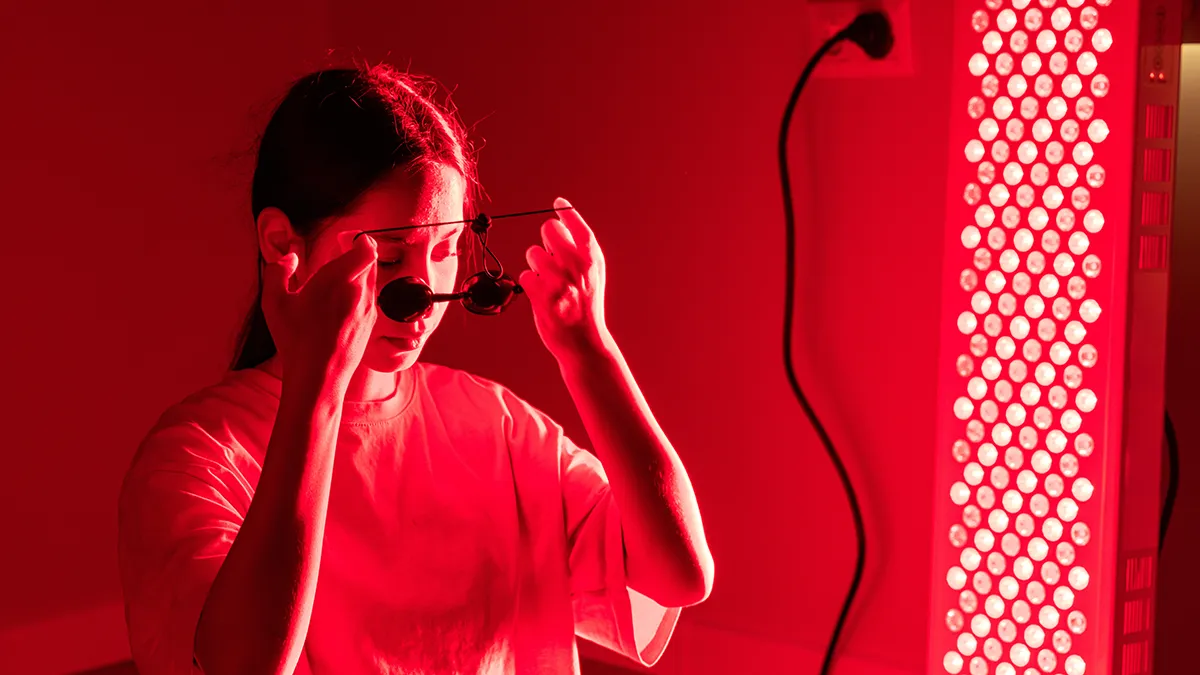
Red light therapy for beginners can feel surprisingly confusing for something that, in practice, mostly involves sitting near a glowing panel. Between bold marketing claims, conflicting advice on timing, and a wall of unfamiliar specifications, it is easy to either overthink the process or skip the basics entirely. This guide walks a complete beginner through how to start red light therapy thoughtfully and safely, from choosing a first device to setting realistic expectations.
The goal here is not to promise dramatic results, but to help you begin in a way that is sensible, low-risk, and easy to stick with. Used correctly, red light therapy is a simple habit. This guide walks a complete beginner through red light therapy for beginners, from choosing a first device to setting realistic expectations.
What to Expect Before You Begin
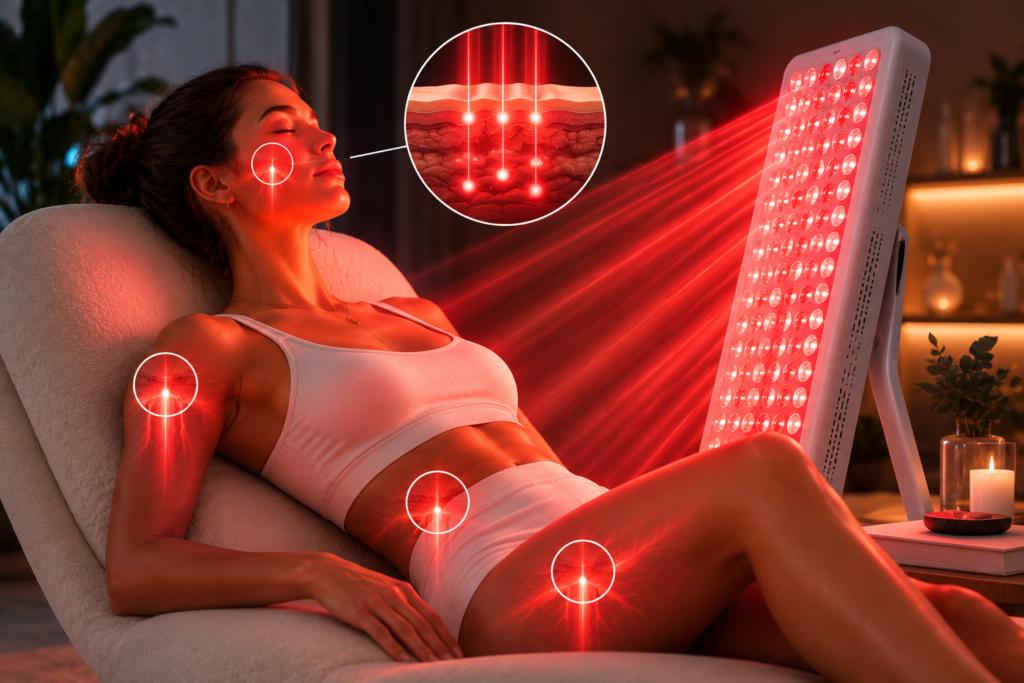
It helps to know what you are actually starting before diving into red light therapy for beginners. According to Cleveland Clinic, red light therapy uses low levels of red and near-infrared light to influence cells without damaging the skin. It is not a heat lamp, a tanning bed, or a source of ultraviolet (UV) radiation. The light is bright but not hot enough to burn, and a session usually feels uneventful — you sit or stand near the device for a few minutes, and that is largely it.
Set your expectations accordingly. Most studies that report benefits involve weeks of consistent use rather than a single session, and effects tend to be gradual rather than instant. Treating red light therapy as one supportive habit, not a quick fix, leads to a far more satisfying experience.
Choosing Your First Device
For red light therapy for beginners, the most important quality in a device is not the highest output on the market but transparency and a good fit for your goal. Smaller, simpler devices are often a reasonable starting point because they are affordable and easy to use consistently.
Match the Device to a Single Goal
One of the first decisions in red light therapy for beginners is matching your device to a single clear goal. Visible red light, around 630 to 660 nanometers (nm), is commonly emphasized for skin-surface goals such as the appearance of tone and texture. Near-infrared light, around 810 to 850 nm, reaches deeper and is more associated with goals involving muscles and joints. A combined red and near-infrared device offers flexibility if you have more than one goal.
Favor Clear Specifications
Look for a device that clearly states its wavelengths, describes whether it emits red, near-infrared, or both, and provides information about irradiance at a stated distance. Be skeptical of vague phrases like “advanced healing light” with no specific numbers. A company that is straightforward about what its device does tends to be more trustworthy than one leaning on dramatic promises.
Start Slow and Build Gradually
One of the most useful principles for red light therapy for beginners comes from the dosing research. Studies describe a biphasic dose response, meaning a moderate dose may help while too little does nothing and too much can reduce or even reverse the benefit. In plain terms: more is not better. This makes “start low and go slow” the sensible approach.
Begin with shorter sessions and the time recommended by your device’s manufacturer rather than the longest session you can tolerate. There is no advantage to doubling your session length in hopes of a bigger effect, and according to the dosing literature it can be counterproductive. Give your skin and body a chance to adjust over the first week or two before considering any changes.
Distance and Time Basics
Two settings determine how much light actually reaches you in red light therapy for beginners: distance and session length. Light intensity falls off quickly as you move farther from a panel, so distance has a large effect on dose. This is exactly why manufacturers specify a recommended distance, often measured in inches, alongside a session time.
For a beginner, the simplest and safest approach is to follow the manufacturer’s stated distance and time precisely. Expose bare skin to the light, since clothing blocks much of it, and resist the temptation to improvise a “stronger” session by sitting closer or staying longer. Once you are comfortable and have used the device consistently for a few weeks, you can revisit the manufacturer’s guidance if you want to adjust.
Why Consistency Matters More Than Intensity
If there is one habit that separates a useful red light therapy for beginners routine from a disappointing one, it is consistency. The research that reports benefits generally involves repeated sessions over weeks, not occasional intense ones. A short session several times a week, done reliably, is more in keeping with how studies are structured than a long session done once in a while.
Practically, this means it is worth choosing a device and a time of day you can realistically maintain. Attaching your sessions to an existing habit — a morning skincare step or a post-workout cooldown — makes consistency far easier than relying on willpower alone.
Protecting Your Eyes
Eye safety is one of the most important basics in red light therapy for beginners. Many people simply close their eyes or use opaque eye protection during sessions, especially with devices aimed near the face. This is particularly worth considering with near-infrared-heavy devices, because near-infrared light is largely invisible and does not trigger the eye’s natural aversion response to brightness. Check your device’s instructions for specific eye-safety guidance and follow it.
When to Consult a Professional
Red light therapy at consumer doses is generally considered low-risk for healthy adults, with reported side effects typically mild and temporary, such as brief warmth or redness. Even so, it is not automatically right for everyone, and it is not “safe for everyone” without exception. A systematic review examining the oncologic safety of low-level light therapy for aesthetic skin uses found the available evidence reassuring, while still underscoring that research is ongoing and not unlimited in scope.
It is sensible to speak with a healthcare professional before starting if you are pregnant, take medications that increase light sensitivity, have a condition that makes you sensitive to light, have a history of skin cancer, or have an eye condition. Red light therapy is a complement to good health habits, not a replacement for medical care, and a professional can help you decide whether and how to use it given your circumstances.
Setting Realistic Expectations
Realistic expectations are the foundation of a good red light therapy for beginners experience. Some users report noticeable changes; others notice little. Evidence is stronger for some uses, especially skin-related ones, than for others, and individual responses vary widely. Approaching your first weeks with curiosity rather than expectation tends to produce a healthier and less disappointing experience.
A Simple First-Month Approach
If you want a concrete starting framework, keep it modest. Choose one clear goal and a device that matches it. Use the device at the manufacturer’s recommended distance and time, on bare skin, several times a week. Protect your eyes, stay consistent, and avoid the urge to overdo it. Give the routine several weeks before judging it, and check with a professional if you have any health concerns. That is genuinely enough for a sound beginning.
Common Beginner Mistakes to Avoid
A few missteps come up again and again in red light therapy for beginners. The first is chasing intensity by sitting too close or running sessions far longer than recommended, which ignores the biphasic dosing principle. The second is inconsistency — using the device sporadically and then concluding it does not work. The third is expecting instant, dramatic results and abandoning the routine within days. The fourth is leaving skin covered, which blocks much of the light. And the fifth is skipping the manufacturer’s instructions entirely. Avoiding these patterns will put you ahead of most people experimenting with red light therapy for the first time.
The Bottom Line
Starting red light therapy for beginners safely comes down to a handful of unglamorous fundamentals: choose a device with clear specifications that matches your goal, follow the recommended distance and time, expose bare skin, protect your eyes, and stay consistent over weeks rather than chasing a single powerful session. Keep your expectations grounded in the still-developing evidence, and consult a healthcare professional if your health situation warrants it. Done this way, red light therapy is a low-risk, easy-to-maintain habit — a reasonable thing to try, not a miracle to expect.
Ready to get your red light therapy device? See our brand and product reviews, and try out our product comparison tool to inform your decision.
Frequently Asked Questions
How often should a beginner use red light therapy?
Many people use it several times a week, following the device’s guidance. Consistency over weeks is the most important principle in red light therapy for beginners.
How long should my first sessions be?
Start with the time your manufacturer recommends rather than the longest you can tolerate. There is no advantage to extending sessions early on in red light therapy for beginners.
Do I need eye protection as a beginner?
It is sensible to close your eyes or use eye protection, especially near the face or with near-infrared-heavy devices, since near-infrared light is invisible and does not trigger the eye’s natural reflex.
How soon will I notice results?
It varies, and many studies run for several weeks before measuring changes. Effects tend to be gradual rather than instant, so patience and consistency are important.
Is red light therapy safe for everyone to start?
It is generally low-risk for healthy adults, but not automatically right for everyone. People who are pregnant, take photosensitizing medications, or have certain eye or skin conditions should consult a healthcare professional first.
This article is for general educational purposes only and is not medical advice. Red light therapy is not a substitute for professional care. Talk with a qualified healthcare professional about your individual situation.