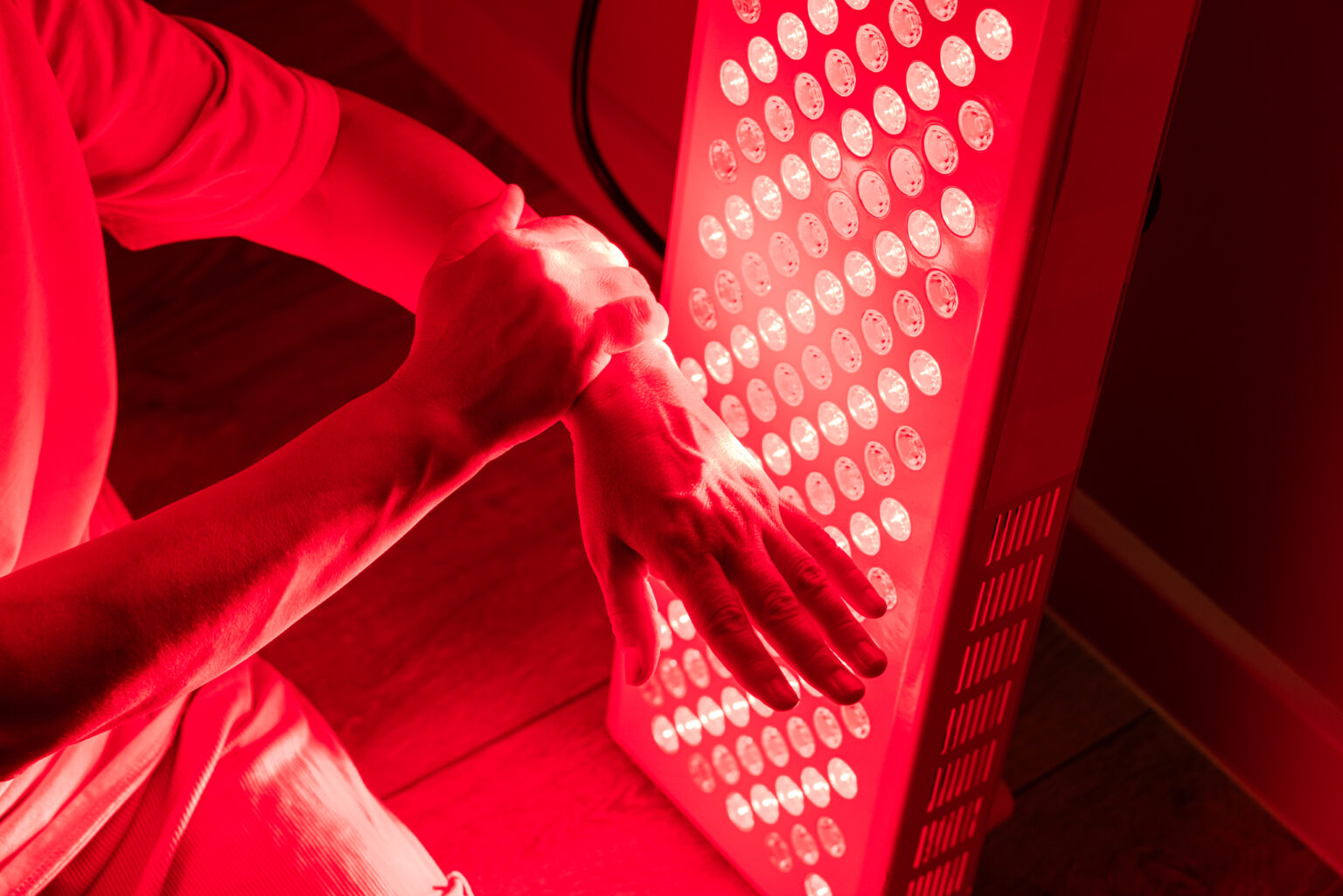
Red light therapy is simple in principle: position a device, expose your skin, and use it for a set time. Yet small missteps in how people actually use it can quietly undermine the experience—leading to wasted time, frustration, or unrealistic disappointment. The encouraging news is that the most common mistakes are easy to recognize and easy to fix.
This guide covers the most common red light therapy mistakes and explains how to avoid them with practical, evidence-based habits. None of this is about chasing dramatic results; it is about using the tool sensibly so it has a fair chance to help.
Red Light Therapy Mistakes #1: Overusing It
The single most common mistake is assuming that more is better—longer sessions, more frequent use, or sitting much closer than recommended. The dosing literature pushes back on this directly. Huang and colleagues describe a biphasic dose response, in which a moderate dose may produce a benefit while too much light can reduce or even reverse it. More exposure is not a faster route to results, and it may be counterproductive.
How to avoid it: Treat the manufacturer’s recommended session time and frequency as a ceiling, not a starting point to exceed. If your device suggests, say, ten minutes a few times a week, resist the urge to stretch it. Consistency at a sensible dose beats occasional marathon sessions.
Red Light Therapy Mistakes #2: Sitting at the Wrong Distance
Distance has a large effect on how much light actually reaches your skin, because light intensity falls off quickly as you move away from a panel. Sit too far back and you may receive too little light to matter; crowd too close and you may push past the helpful range. Research on how light penetrates human tissue underscores that the dose delivered to the skin—and how far it travels—depends heavily on the conditions of exposure.
How to avoid it: Use the distance the manufacturer specifies, and keep it consistent from session to session. If your device lists an irradiance figure, it is usually measured at a stated distance; matching that distance is the simplest way to deliver the intended dose.
Red Light Therapy Mistakes #3: Treating Through Clothing
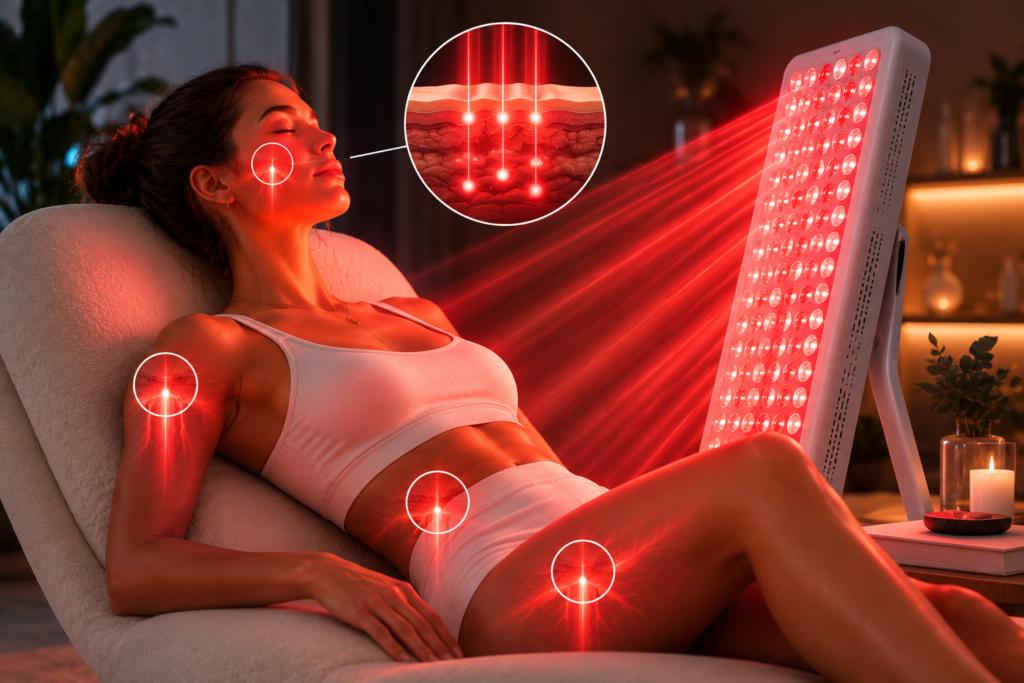
Red and near-infrared light cannot pass effectively through most fabric. Using a device over a shirt, sleeve, or other clothing blocks much of the light before it ever reaches the skin, which means the session delivers far less than intended. People sometimes do this for convenience and then conclude the device “does not work.”
How to avoid it: Expose bare skin to the light over the area you want to address. This single change often makes the biggest difference for people who feel they are not getting anything from their device.
Red Light Therapy Mistakes #4: Being Inconsistent
Because benefits in the research tend to accumulate over weeks of regular use, sporadic sessions are unlikely to reflect what studies actually measured. Using a device intensely for a few days, then forgetting it for two weeks, then trying again is a common pattern that makes it nearly impossible to judge whether the routine is doing anything.
How to avoid it: Build a realistic, repeatable schedule you can actually maintain—several short sessions a week is more valuable than an ambitious plan you abandon. Anchoring sessions to an existing habit, like a morning skincare step or a post-workout cooldown, helps consistency stick.
Red Light Therapy Mistakes #5: Ignoring Eye Protection
Red light therapy panels are bright, and near-infrared light is largely invisible, so your eyes will not instinctively react to it the way they do to ordinary bright light. While serious eye harm at consumer doses is not the typical experience, comfort and prudence both argue for protecting your eyes, especially with near-infrared-heavy devices or when the panel is near your face.
How to avoid it: Use the eye protection the manufacturer provides or recommends, close your eyes during facial sessions, or simply avoid staring directly into the panel. Anyone with an existing eye condition should check with a healthcare professional first.
Red Light Therapy Mistakes #6: Expecting a Miracle
Perhaps the most damaging mistake is not physical but mental: approaching red light therapy as a guaranteed fix. Cleveland Clinic frames red light therapy as a low-intensity approach that may support certain goals, not a cure-all. When people expect dramatic, rapid transformation, they are likely to be disappointed even if the device is performing exactly as the evidence suggests it might.
How to avoid it: Set modest, specific expectations. View red light therapy as one supportive habit within a broader routine—alongside sleep, movement, and sensible skincare—rather than a standalone solution. Effects, when they occur, are usually gradual and subtle, and they vary from person to person.
Red Light Therapy Mistakes #7: Skipping Professional Advice
Most healthy adults can use consumer red light therapy with little concern, but a meaningful minority should check with a professional first. People who are pregnant, take medications that increase light sensitivity, or have certain skin or eye conditions may need individualized guidance. Skipping that step to save time is a mistake when your circumstances call for it.
How to avoid it: If any of those situations apply to you, or if you are using red light therapy in connection with a medical concern, talk with a qualified healthcare professional before starting. Red light therapy is a complement to good health habits and medical care, not a substitute for either.
Red Light Therapy Mistakes #8: Not Tracking Your Routine
A subtler mistake is using red light therapy without any sense of how, when, or how often you are actually using it. Because effects tend to be gradual and subjective, memory is an unreliable judge. People frequently conclude a device “does nothing” or “works wonders” based on impressions that a few notes would complicate. Without a record, it is also hard to tell whether you are even being consistent, which is itself one of the most common pitfalls.
How to avoid it: Keep a simple log—dates, the area treated, distance, and session length, plus the occasional note on how you feel or how your skin looks. This is not about obsessing over data; it is about giving yourself an honest basis for deciding whether a routine is worth continuing. A short record also makes any conversation with a healthcare professional more useful, since you can describe exactly what you have been doing.
Red Light Therapy Mistakes #9: Chasing the Newest Gadget
It is easy to assume that buying a different or more expensive device will fix disappointing results, when the real issue is often how a device is being used. Switching gear before addressing distance, consistency, bare-skin exposure, and realistic expectations tends to repeat the same mistakes with a new product. The fundamentals of sensible use matter more than owning the latest model.
How to avoid it: Before changing devices, audit your technique against the mistakes above. A device with clearly stated wavelengths and output, used correctly and consistently, is usually a better bet than a constant upgrade cycle.
A Simple Pre-Session Checklist
Before each session, a quick mental run-through prevents most of these mistakes. Is bare skin exposed to the light? Are you at the recommended distance? Are you keeping to the suggested time rather than stretching it? Are your eyes protected or your gaze away from the panel? And are your expectations grounded in patience rather than hoping for an overnight change? Running through these few questions takes seconds and dramatically improves the odds that your routine reflects what the research describes.
The Bottom Line
The most common red light therapy mistakes—overusing it, wrong distance, treating through clothing, inconsistency, neglecting eye protection, unrealistic expectations, and skipping professional advice when warranted—are all avoidable with a little attention. Respect the dose, expose bare skin at the right distance, stay consistent, protect your eyes, keep expectations realistic, and seek guidance when your situation calls for it. Done sensibly, red light therapy becomes a sustainable habit rather than a source of frustration.
Ready to get your red light therapy device? See our brand and product reviews, and try out our product comparison tool to inform your decision.
-*
Frequently Asked Questions
Can I overuse red light therapy?
Using it far more or longer than recommended is unlikely to help and may be counterproductive, since research describes a biphasic dose response where too much light can reduce the benefit. Following the manufacturer’s guidance is the safer approach.
Does it matter how far I sit from the panel?
Yes. Light intensity drops quickly with distance, so sitting too far delivers too little and too close may overshoot. Use the manufacturer’s recommended distance consistently.
Can red light therapy work through my clothes?
Not effectively. Most fabric blocks red and near-infrared light, so exposing bare skin to the light is important for the session to deliver its intended dose.
How often should I use red light therapy?
Many people use it several short sessions per week, and consistency over weeks tends to matter more than any single session. Follow your device’s guidance and build a schedule you can maintain.
Do I really need eye protection?
It is a sensible precaution, especially with near-infrared-heavy devices or when the panel is near your face, since near-infrared light is invisible and does not trigger your eyes’ natural reaction. Anyone with an eye condition should consult a professional.
This article is for general educational purposes only and is not medical advice. Red light therapy is not a substitute for professional care. Talk with a qualified healthcare professional about your individual situation.