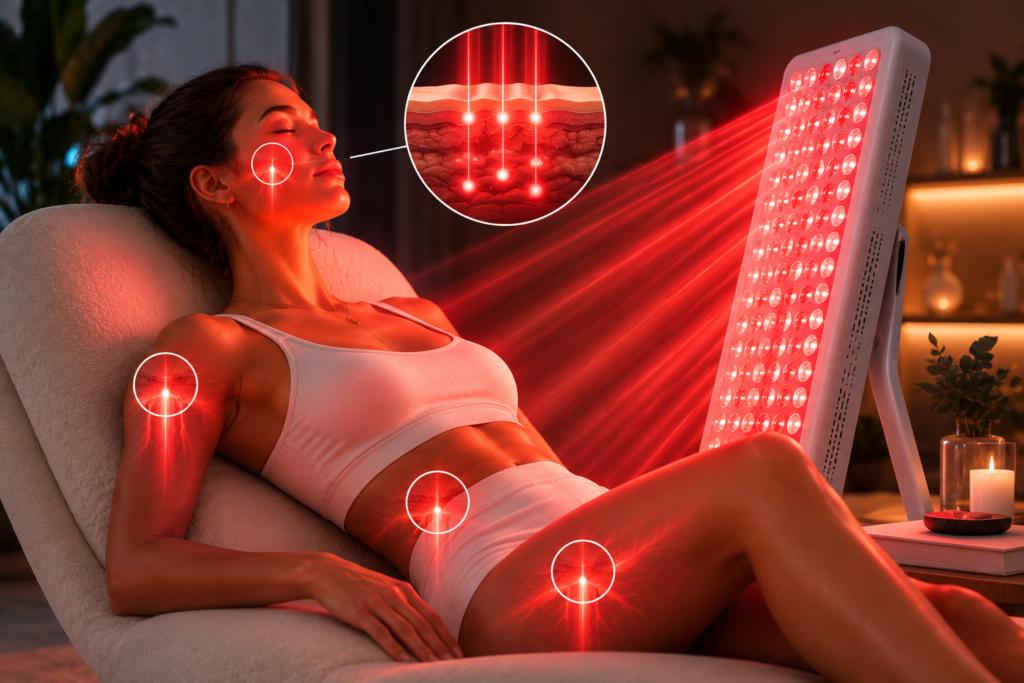
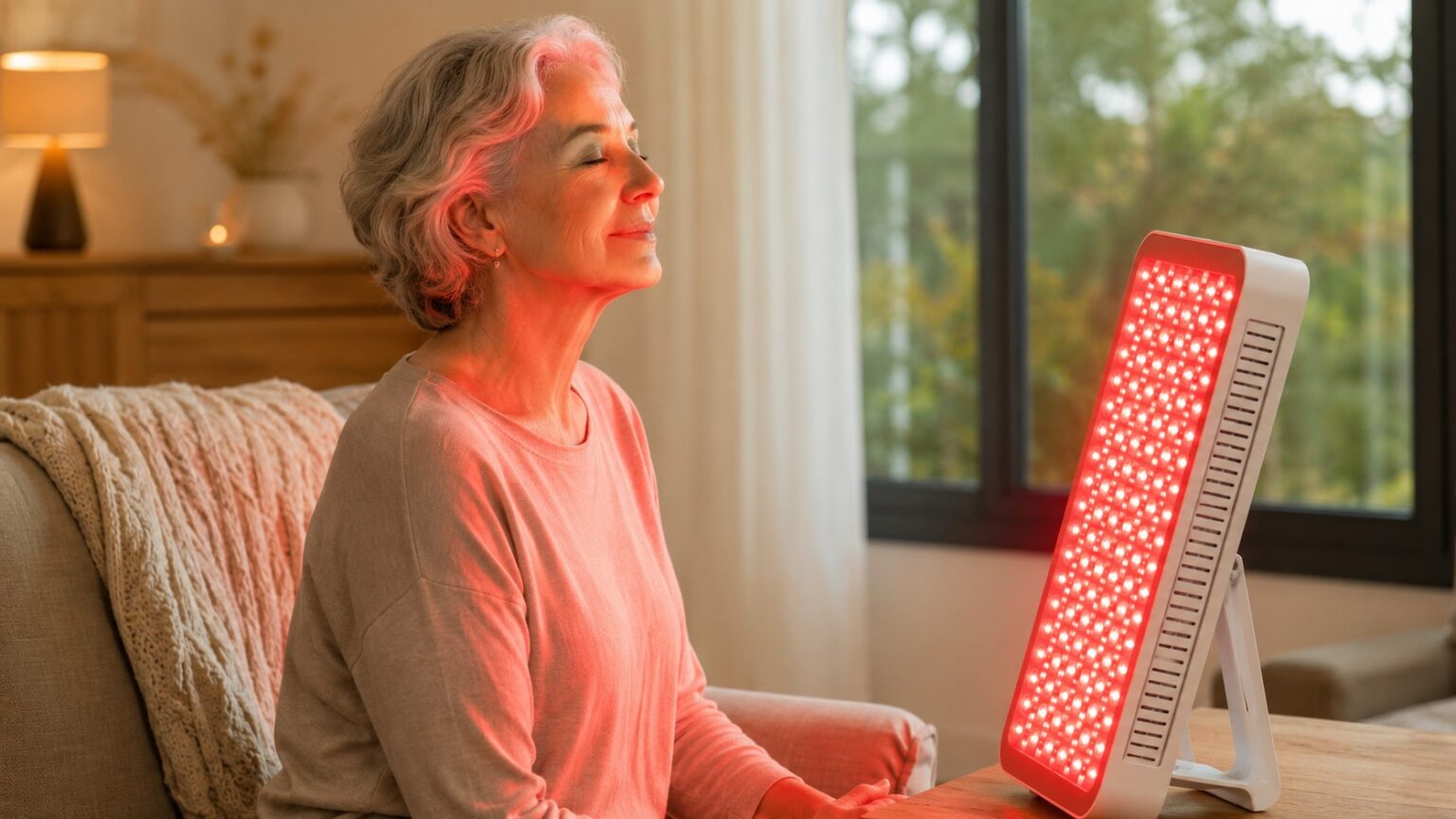
Interest in red light therapy for seniors continues to grow as older adults look for gentle wellness practices that may fit into their daily routines. As skin changes with age and questions about comfort and mobility become more common, some people wonder whether this gentle, light-based practice might fit into their routine. The answer is a cautious “possibly, with care”—and that caution matters more, not less, with age.
This guide explores red light therapy for seniors, including age-related skin changes, common areas of interest, important safety considerations, and why speaking with a healthcare professional is especially worthwhile. Throughout, the guiding principle is that red light therapy is a complement to—never a replacement for—medical care.
How Skin Changes Affect Red Light Therapy for Seniors
Understanding aging skin helps set realistic expectations. The National Institute on Aging notes that as people get older, skin tends to become thinner, drier, and less elastic, and it may bruise more easily and heal more slowly. These are normal parts of aging influenced by genetics and a lifetime of factors, including sun exposure.
Because skin is right at the surface, it is the tissue red light most readily reaches. That is part of why skin-related goals draw interest. At the same time, thinner and more fragile skin is a reason for gentleness and attention rather than aggressive use. The NIA also emphasizes that protecting skin from further sun damage and caring for it gently remain foundational at any age, and no device replaces those basics.
Why Red Light Therapy for Seniors Is Growing in Popularity
People later in life often explore red light therapy for the same broad reasons as anyone else—the appearance of aging skin, everyday comfort in muscles and joints, and general wellness routines. Researchers such as Michael Hamblin have described a plausible cellular mechanism by which red and near-infrared light may support cellular energy and signaling, and Cleveland Clinic frames red light therapy as a low-intensity approach that may support certain goals.
It is important to be honest about the evidence here. Skin-related uses have been studied more than many others, but research specific to older populations and specific outcomes remains limited, and individual responses vary. Red light therapy may support some goals for some people; it does not reliably treat, cure, or reverse the underlying processes of aging, and it should not be expected to.
Red Light Therapy for Seniors: What Safety Research Shows
One reasonable question, particularly for older adults who may have a history of sun exposure or skin concerns, is whether the light itself poses a cancer risk. A systematic review examining the oncologic safety of low-level light therapy for aesthetic skin rejuvenation did not find evidence that it carries the kind of cancer risk associated with ultraviolet light. This is reassuring context rather than a guarantee, and it does not replace personalized medical advice—especially for anyone with a personal or family history of skin cancer or any suspicious skin changes, who should be evaluated by a professional.
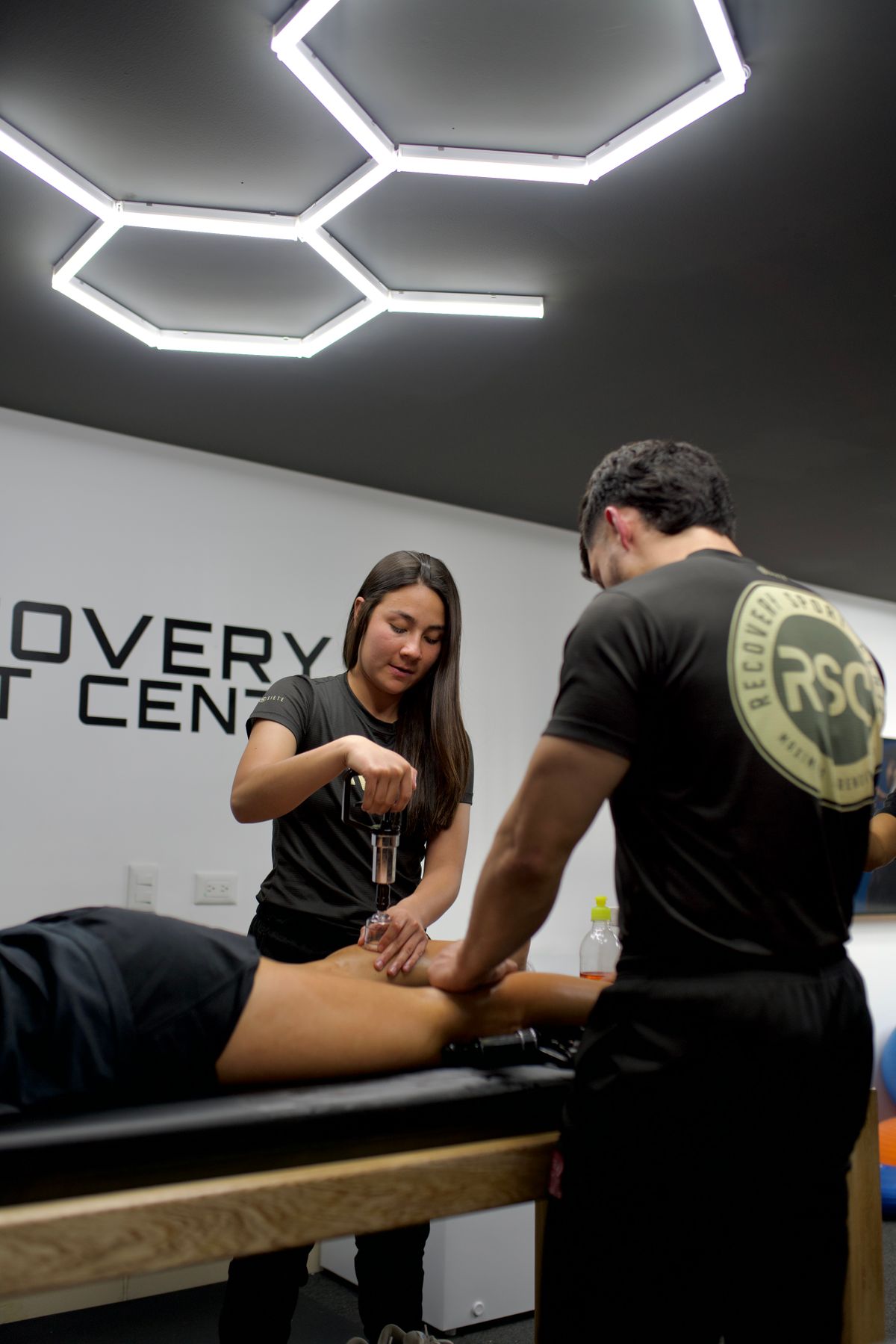
Safety Considerations for Red Light Therapy for Seniors
Several considerations deserve extra weight in older adults, and they are the heart of using red light therapy responsibly later in life.
Medications and Light Sensitivity
Older adults are more likely to take one or more medications, and some medications can increase sensitivity to light. Because of this, reviewing your full medication list with a pharmacist or physician before starting red light therapy is a sensible step. This is not a reason for alarm, but it is a reason for an individualized check.
Existing Health Conditions
Certain skin conditions, eye conditions, or other health issues that become more common with age may call for professional guidance before use. Someone managing a chronic condition should not assume a wellness device is automatically appropriate; the right answer depends on the individual.
Eye Protection
Eye health changes with age, and red light panels are bright while near-infrared light is invisible and does not trigger the eyes’ natural protective reflex. Using recommended eye protection and avoiding staring into the panel are simple, worthwhile precautions, and anyone with an existing eye condition should consult a professional first.
Fragile or Healing Skin
Because aging skin can be thinner and slower to heal, it makes sense to avoid using a device over broken skin, active rashes, or areas of concern, and to start gently. If something does not feel right, stopping and seeking advice is always reasonable.
How to Start Red Light Therapy for Seniors Safely
For an older adult cleared to try red light therapy, a conservative approach is wise. Begin with shorter sessions within the manufacturer’s recommended range rather than the maximum, keep to the recommended distance, and pay attention to how your skin and body respond. The dosing research supports this restraint: a biphasic dose response means a moderate dose is the goal, and more light is not better. Expose bare skin, since light does not pass effectively through clothing, and build a consistent but modest routine rather than an intense one.
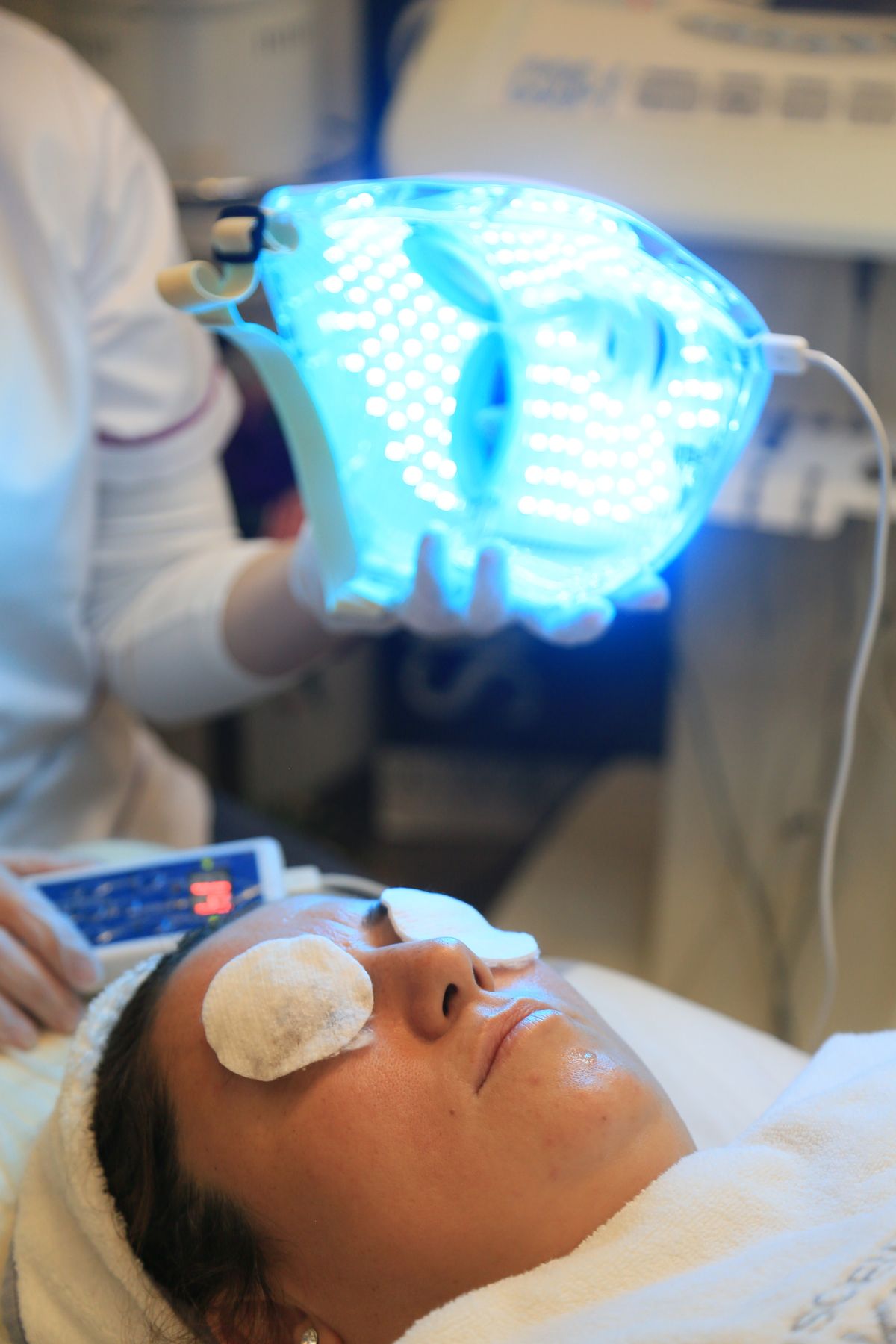
Why Red Light Therapy for Seniors Starts With Your Doctor
More than for most groups, older adults benefit from talking with a healthcare professional before starting—ideally one who knows their medical history, medications, and skin. Such a conversation can flag medication interactions, clarify which goals are realistic, and ensure that red light therapy complements rather than complicates existing care. It also creates an opportunity to confirm that any symptom prompting interest in red light therapy has been properly evaluated, rather than self-managed with a wellness device.
Practical Setup and Comfort at Home
Beyond the medical cautions, a few practical details make home use safer and more comfortable for older adults. A device should be easy to reach and operate without awkward bending, stretching, or balancing, since fall risk and joint comfort matter. Stable seating at the recommended distance, good lighting in the room, and simple controls all reduce the chance of strain or mishap. If dexterity or vision makes a device hard to manage, that is useful information to share with a healthcare professional, who can help weigh whether the routine is practical. Where appropriate, a family member or caregiver can help with setup, positioning, and keeping sessions consistent, which can make the practice both safer and easier to sustain.
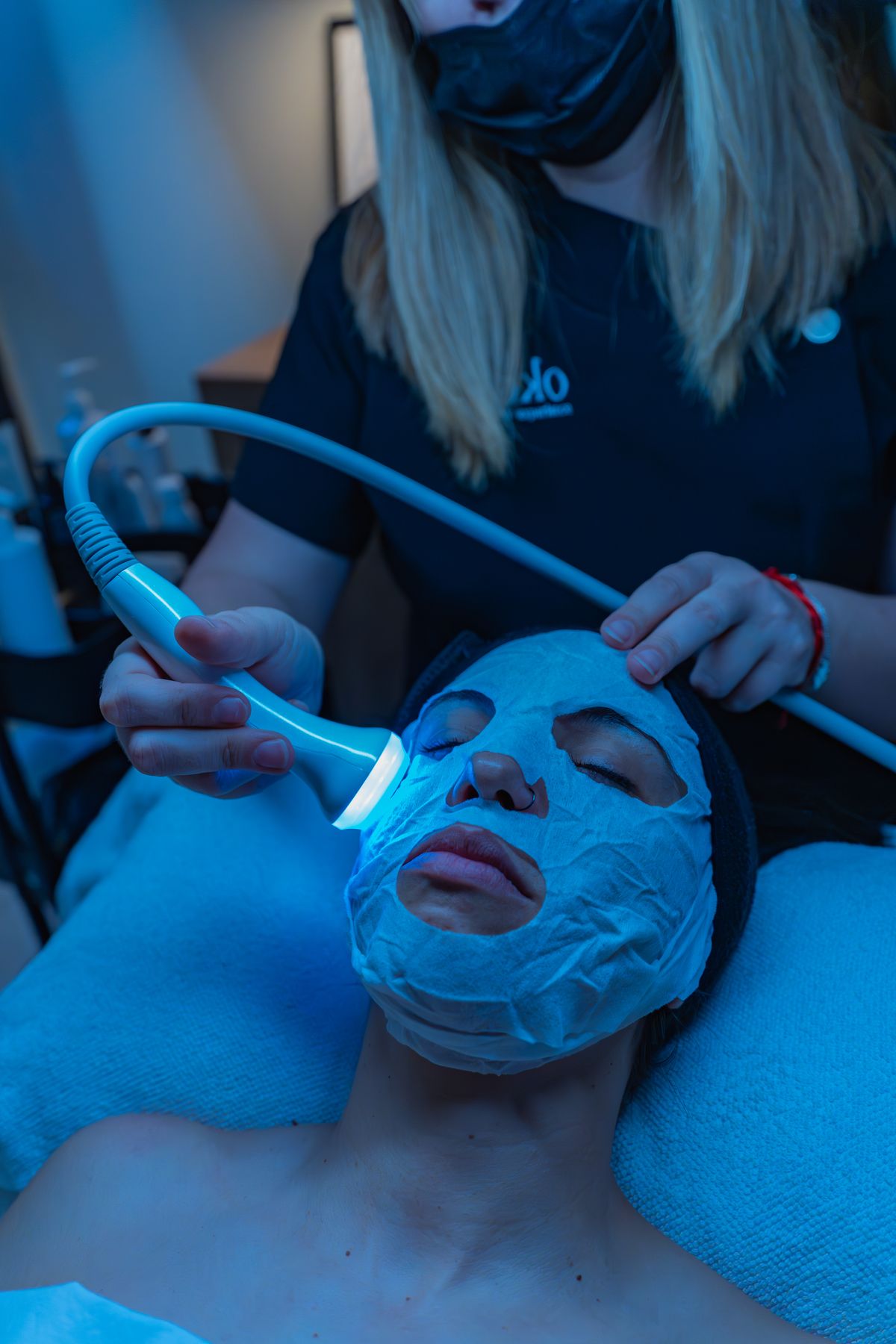
Watching for and Responding to Changes
Because aging skin can be more sensitive and slower to heal, paying attention to how the skin responds is especially important. Any new or worsening irritation, discomfort, or unexpected skin change is a reason to pause and check with a professional rather than to push on. This attentiveness is not a sign that red light therapy is dangerous; it is simply the prudent way to use any wellness tool when skin and overall health are more delicate. When in doubt, stopping and asking is always the right call.
Keeping Expectations Realistic and Dignified
Marketing aimed at aging often promises to “reverse” the years. That framing is neither accurate nor respectful of how the body actually works. A more honest and dignified expectation is that red light therapy may, for some people, offer subtle support for certain skin or comfort goals over weeks of consistent use, as one small part of a broader healthy lifestyle. The fundamentals—sun protection, gentle skin care, movement within one’s ability, good sleep, and appropriate medical care—remain far more important than any device.
The Bottom Line
Red light therapy may hold interest for older adults, particularly for skin appearance and everyday comfort, but age makes its cautions more important: thinner skin, more medications, more health conditions, and changing eye health all argue for a gentle start and a professional conversation first. Used modestly, with realistic expectations and individualized guidance, it can be one supportive habit within a broader routine—never a replacement for medical care or the basics of healthy aging.
Ready to get your red light therapy device? See our brand and product reviews, and try out our product comparison tool to inform your decision.
Frequently Asked Questions
Is red light therapy safe for older adults?
For many healthy older adults at consumer doses it is generally considered low-risk, but age brings more medications and health conditions, so consulting a healthcare professional who knows your history before starting is especially important.
Can red light therapy reverse aging?
No. It may support certain skin-appearance goals for some people over weeks of consistent use, but it does not reverse aging or replace sun protection, gentle skin care, and medical care.
Should I worry about skin cancer risk from red light therapy?
Unlike ultraviolet light, a systematic review of low-level light therapy for skin rejuvenation did not find evidence of the cancer risk associated with UV. Still, anyone with a history of skin cancer or suspicious skin changes should be evaluated by a professional.
Do my medications matter before trying red light therapy?
Yes. Some medications can increase light sensitivity, and older adults often take several, so reviewing your medication list with a pharmacist or physician first is a sensible precaution.
How should an older adult start using red light therapy?
Gently: begin with shorter sessions within the recommended range, use the recommended distance, expose bare skin, protect your eyes, and build a modest, consistent routine after checking with a professional.
This article is for general educational purposes only and is not medical advice. Red light therapy is not a substitute for professional care. Talk with a qualified healthcare professional about your individual situation.