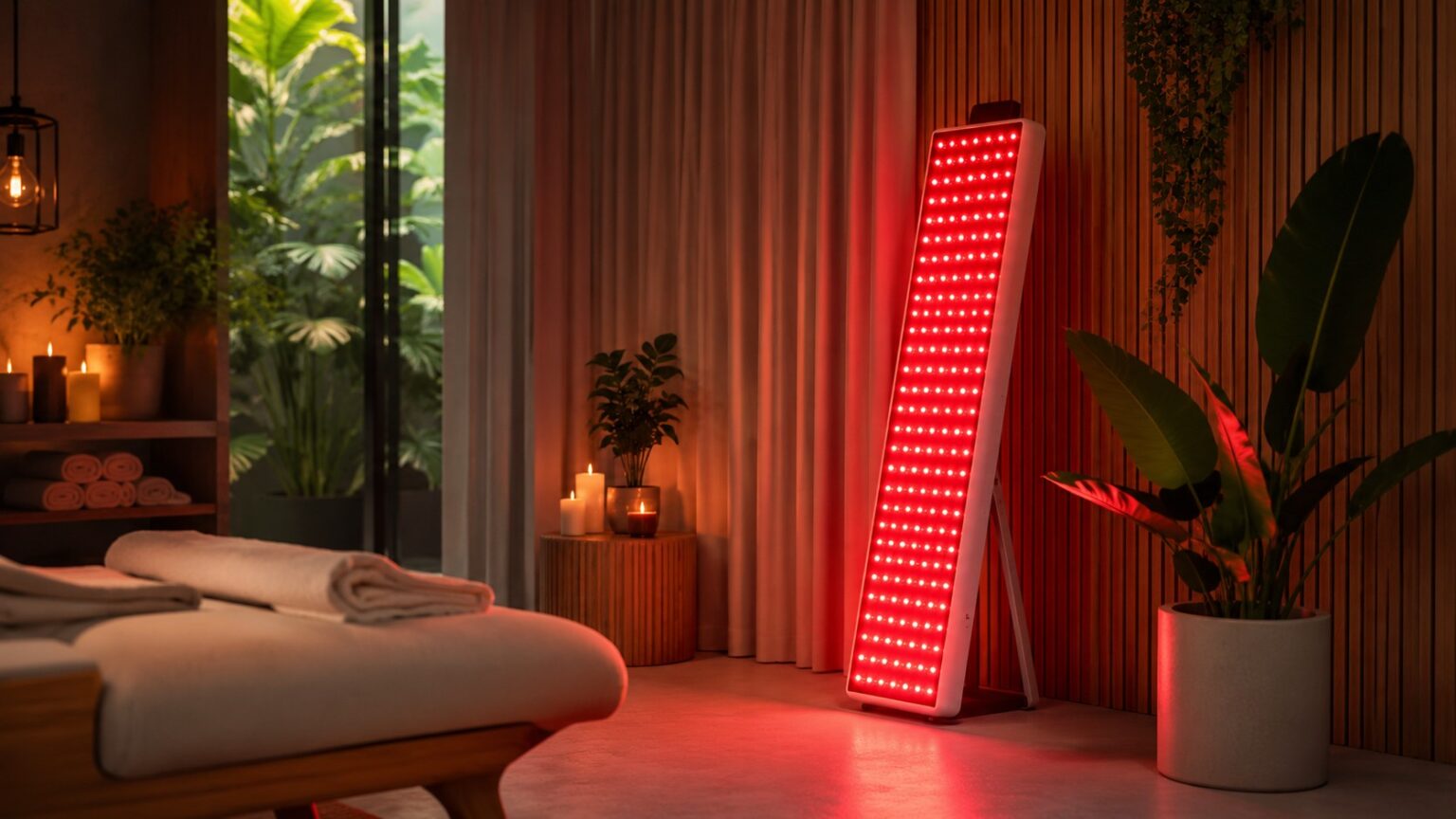
Walk into a modern gym, spa, or recovery studio, and you are likely to see red light panels glowing alongside saunas, cold plunges, and other wellness tools. Red light therapy has moved firmly into the mainstream of contemporary wellness culture, featured in lifestyle media and embraced by the broad community of people who like to optimize their daily routines. That visibility raises a fair question: why has it become so popular, and how much of the enthusiasm is supported by evidence?
This article looks at red light therapy as a cultural and wellness phenomenon—why it has captured attention, how to separate hype from substance, and how to approach it as a thoughtful, critical consumer rather than a passive follower of trends.
Why the Red Light Therapy Wellness Trend Is Growing
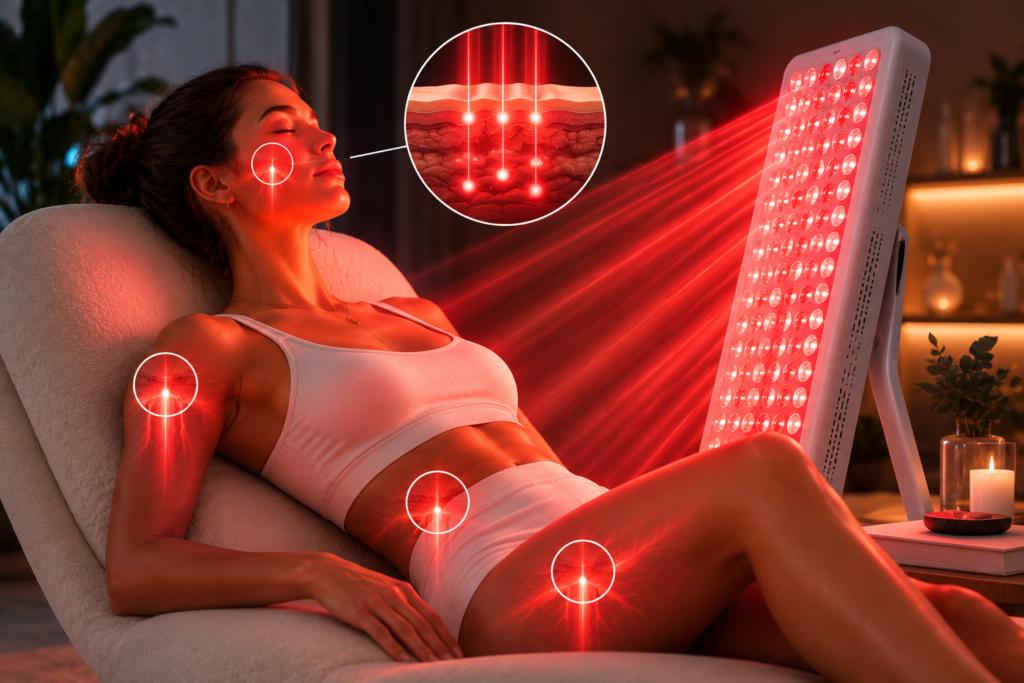
Several factors help explain the practice’s rise, and none of them require exaggeration. First, the underlying science is genuinely interesting: researchers have described a plausible cellular mechanism, and Cleveland Clinic explains that red light therapy uses low levels of red and near-infrared light to influence cells without damaging the skin. A credible-sounding mechanism gives a wellness trend more staying power than pure fashion.
Second, devices have become more accessible. What was once confined to clinics and research settings is now available in many consumer formats, from compact panels to face masks, at a wide range of price points. Accessibility tends to accelerate adoption. Third, the practice fits neatly into the broader cultural interest in recovery, self-care, and routine optimization, sitting comfortably beside other tools people already use.
It is worth being clear about what this article does not claim. Popularity is described here qualitatively—red light therapy is widely available and frequently discussed—rather than with specific market figures, which should not be asserted without solid support. The fact that something is popular says nothing about how well it works.
The Red Light Therapy Wellness Trend and Biohacking
Red light therapy is often associated with “biohacking,” a loose movement focused on using technology, data, and self-experimentation to improve health and performance. This association cuts both ways. On one hand, the biohacking community has helped popularize the practice and normalize home use. On the other, biohacking culture sometimes rewards bold, anecdote-driven claims over careful evidence, which can inflate expectations.
A balanced view takes the interest seriously without adopting the hype. Enthusiastic personal stories can be a starting point for curiosity, but they are not a substitute for controlled research, and they should not be treated as proof.
Understanding the Red Light Therapy Wellness Trend
The central challenge with any popular wellness trend is distinguishing what the evidence supports from what marketing and momentum imply. For red light therapy, the honest summary is nuanced. The cellular mechanism is well studied in laboratories, and some uses—particularly skin-related ones—have more supporting research than others. At the same time, many human studies are small, use different devices and settings, and report mixed results, which is why reviewers consistently call for larger, standardized trials.
The dosing research adds another layer of realism. Huang and colleagues describe a biphasic dose response, meaning more light is not automatically better and that careful dosing matters. Trends tend to favor “more and stronger,” but the science favors “the right amount.” That tension is a useful reminder that popularity and optimal practice are not the same thing.
Reading Red Light Therapy Wellness Trend Claims Critically
As red light therapy has gone mainstream, regulatory language has become a common marketing tool, and it is easy to misread. Many consumer light devices reference the U.S. Food and Drug Administration, but there is an important distinction between being cleared and being approved. The FDA describes the 510(k) pathway as a way to show that a device is substantially equivalent to one already on the market—clearance, not the more rigorous approval generally reserved for higher-risk products. Many wellness devices are neither cleared nor approved for specific medical uses and are instead marketed as general wellness products.
A critical consumer treats phrases like “FDA approved” with care, reads what a device actually claims, and does not assume that regulatory language guarantees a specific health benefit.

Navigating the Red Light Therapy Wellness Trend Wisely
Navigating a trend wisely comes down to a few habits of mind. Favor sources and brands that use measured language—”may support,” “early research suggests”—over those promising dramatic, guaranteed, or instant results. Look for transparency about wavelengths, output, and recommended distance and time, since specifics are a better sign than slogans. Be skeptical of claims that a single device or routine addresses a long list of unrelated concerns. And remember that testimonials, however vivid, are not evidence of reliable effects.
It also helps to keep the practice in proportion. Red light therapy, even at its most promising, is one possible supportive habit—not a centerpiece that replaces sleep, movement, nutrition, or medical care. Trends can create a sense that a tool is essential; a critical consumer evaluates whether it actually fits their goals and life.
Safety and the Red Light Therapy Wellness Trend
The popularity of a practice does not change its basic safety considerations. At consumer doses, red light therapy is generally considered low-risk for most healthy adults, with side effects that tend to be mild and temporary. Even so, it is not automatically right for everyone. Protecting the eyes from bright light is sensible, and anyone who is pregnant, takes medications that increase light sensitivity, or has a relevant eye or skin condition should consult a healthcare professional before starting. Following a trend is never a reason to skip these basics.
The Red Light Therapy Wellness Trend Among Recovery Tools
In many studios, red light panels sit beside saunas, cold plunges, compression devices, and similar recovery tools, which invites the assumption that they all do roughly the same thing or that stacking them multiplies the benefit. In reality, each works through different proposed mechanisms and has its own, separate evidence base. Red light therapy should be judged on its own merits rather than borrowing credibility from whatever it happens to be placed next to. Combining tools is not inherently better, and a critical consumer evaluates each one individually rather than treating a whole “recovery menu” as a single proven package.
Will the Red Light Therapy Wellness Trend Last?
It is reasonable to wonder whether red light therapy will endure or fade like many wellness fads. Trends that persist usually share a few traits: a plausible underlying rationale, a reasonable safety profile, and accessibility, all of which red light therapy has. What ultimately determines its long-term standing, however, is the same thing that determines its value today—the strength of the clinical evidence as it continues to develop. The honest position is to remain open and interested while letting better research, rather than momentum or marketing, settle how large a role it deserves.
Keeping Expectations Grounded
Perhaps the most valuable thing a thoughtful person can bring to any wellness trend is calibrated expectation. Red light therapy has a plausible mechanism and encouraging but still-developing evidence. Effects, when they occur, tend to be gradual and subtle, and they vary from person to person. Approached with patience and realism, it can be a reasonable addition to a broader routine; approached as a guaranteed transformation, it is almost certain to disappoint. The trend will continue to evolve, but that grounded mindset is what allows anyone to benefit from genuine progress while staying insulated from hype.
The Bottom Line
Red light therapy has become a fixture of modern wellness culture for understandable reasons: an interesting mechanism, accessible devices, and a good fit with the broader recovery and self-care movement. The key is to enjoy the trend without surrendering judgment—separating hype from evidence, reading regulatory claims critically, respecting safety and dose, and keeping expectations realistic. Treated as one grounded habit rather than a miracle, red light therapy can have a sensible place in contemporary wellness.
Ready to get your red light therapy device? See our brand and product reviews, and try out our product comparison tool to inform your decision.
Frequently Asked Questions
Why has red light therapy become so popular?
Several factors contribute: a plausible and interesting cellular mechanism, increasingly accessible consumer devices, and a good fit with the broader cultural interest in recovery and self-care. Popularity, however, does not by itself prove effectiveness.
Is red light therapy just a fad?
It has a well-studied laboratory mechanism and some supporting research, particularly for skin-related goals, so it is more than pure fashion. Still, much human research is preliminary, and reviewers call for larger, standardized trials.
Is red light therapy part of biohacking?
It is often associated with biohacking, which has helped popularize home use. That community sometimes favors bold anecdotes over careful evidence, so it is wise to take the interest seriously without adopting the hype.
How can I tell hype from real evidence?
Favor measured language over guarantees, look for transparency about wavelengths and dosing, be skeptical of devices claimed to fix many unrelated concerns, and remember that testimonials are not the same as controlled research.
Does popularity mean a device is FDA approved?
No. Many consumer devices are FDA cleared, which differs from formal approval, and many are sold as general wellness products with no specific medical clearance. Treat ‘FDA approved’ claims with care.
This article is for general educational purposes only and is not medical advice. Red light therapy is not a substitute for professional care. Talk with a qualified healthcare professional about your individual situation.