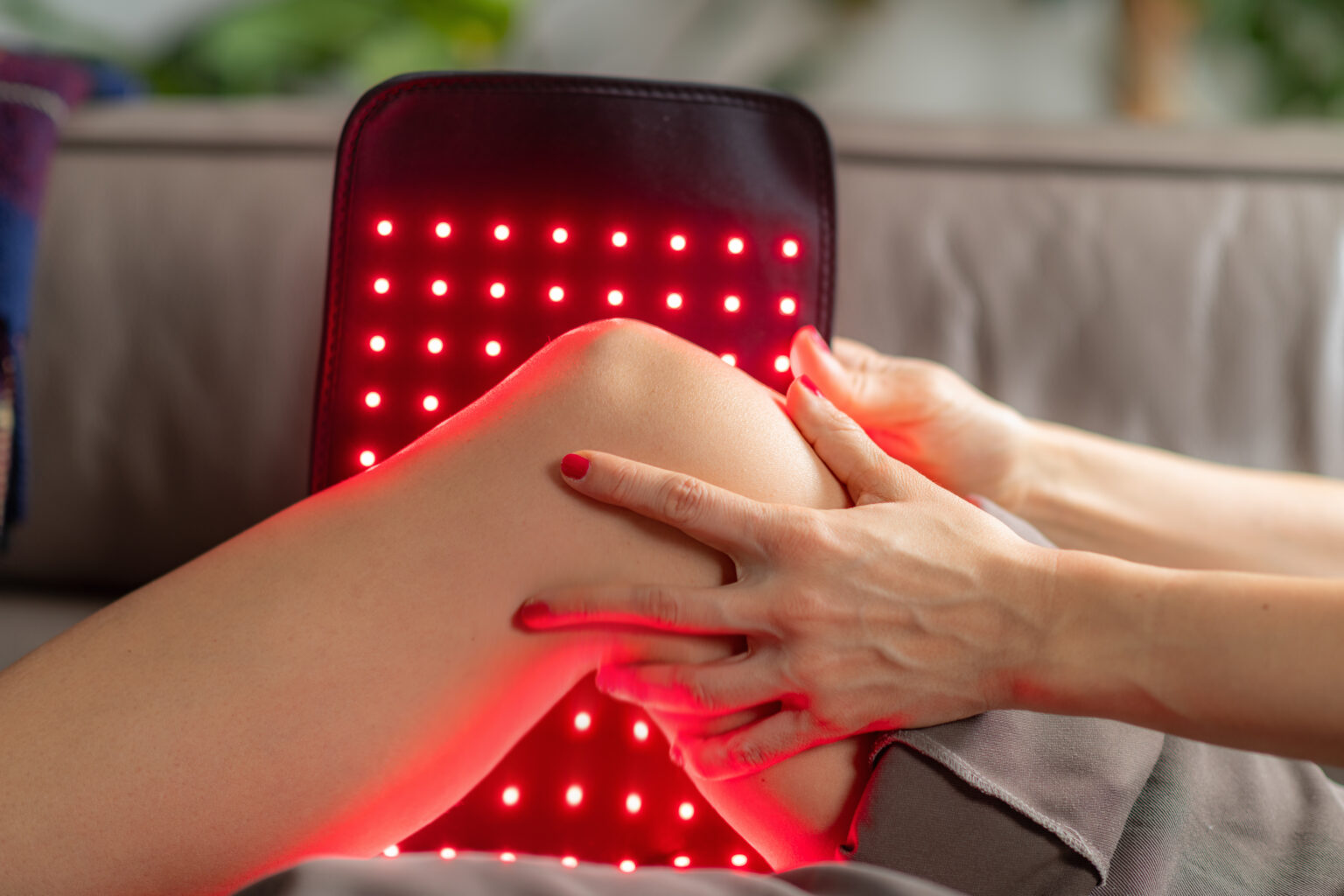
Red light therapy was once something you encountered mainly in a dermatologist’s office, a physical therapy clinic, or a specialized spa. In recent years, it has migrated into living rooms, bathrooms, and home gyms in the form of panels, masks, wands, and wraps. This article offers a qualitative overview of the at home red light therapy trend, what appears to be driving consumer interest, what shoppers should keep in mind, and how to maintain realistic expectations as the category continues to mature.
Because reliable, durable market figures are easy to misstate, this overview deliberately avoids invented statistics. Instead, it focuses on the broader, observable trend: the movement of a once clinic-bound practice into everyday consumer life, and the practical questions that this raises. Understanding the at home red light therapy trend is more useful than focusing on isolated sales claims or marketing statistics.
How the At Home Red Light Therapy Trend Moved From Clinics to Living Rooms
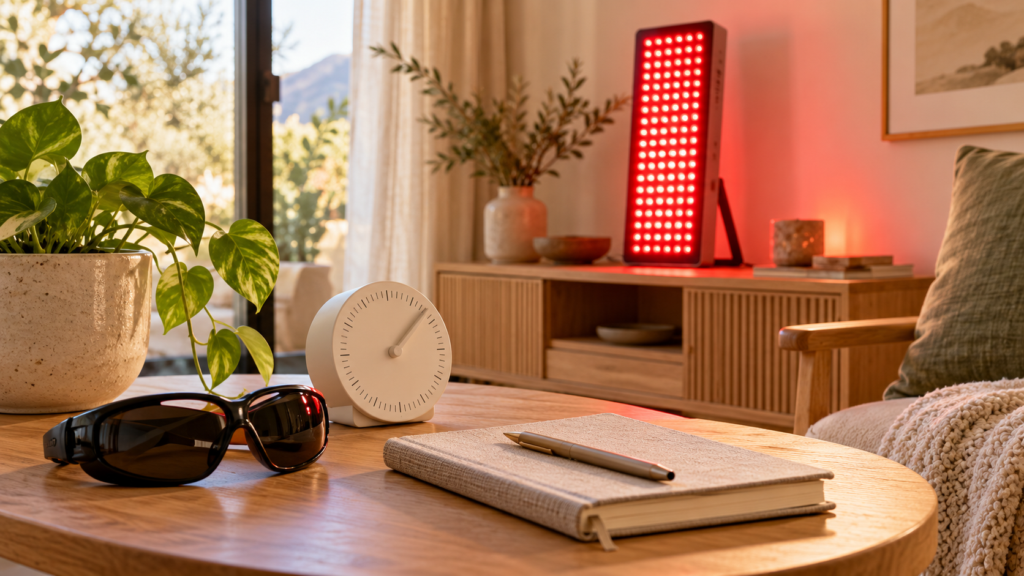
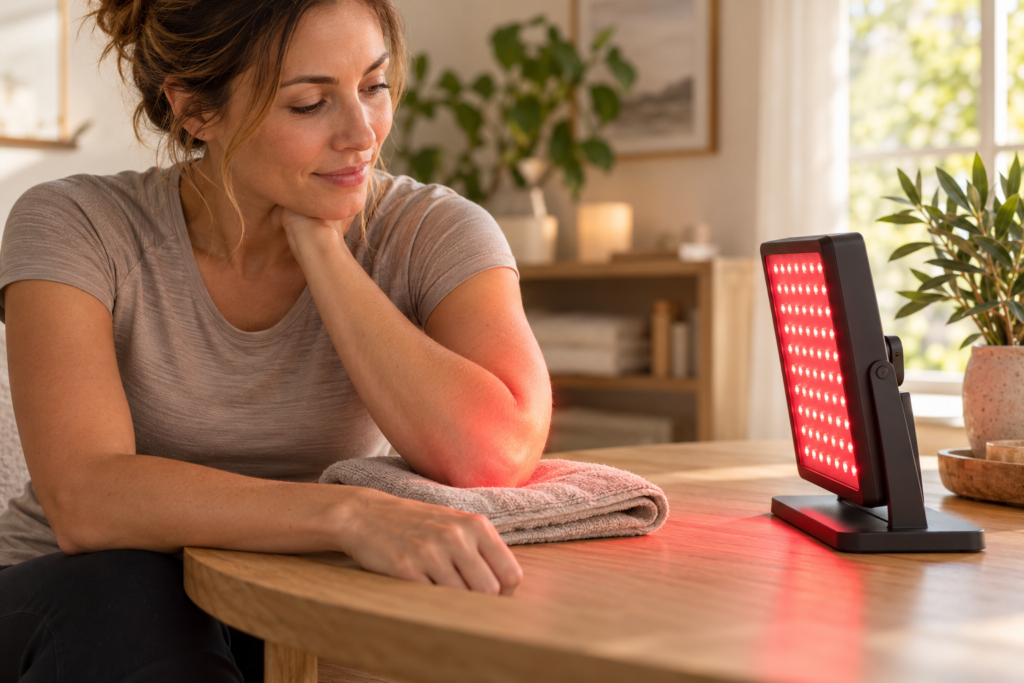
The most visible change is one of access. Devices that were previously large, expensive, and operated by trained staff now have consumer-oriented counterparts designed for self-use at home. This mirrors a broader pattern in wellness, where tools once limited to professional settings — from blood-pressure monitors to massage devices — gradually become available for personal purchase. The at home red light therapy trend reflects a broader movement toward convenient, consumer-friendly wellness technologies.
This democratization has genuine appeal. It removes the friction of appointments, lowers the per-session cost over time, and lets people build light exposure into routines they already have. But the same convenience also shifts responsibility onto the individual, who must now choose a device, follow guidance, and judge results without professional oversight.
What’s Driving the At Home Red Light Therapy Trend?
Several overlapping factors help explain why at-home red light therapy has captured attention. Advances in light-emitting diode (LED) technology have made it feasible to produce devices that are smaller, more affordable, and easier to use than earlier laser-based equipment. A broad cultural emphasis on self-directed wellness and at-home routines has created receptive consumers. And the visibility of red light therapy across social media and wellness communities has amplified curiosity, for better and worse.
Interest in specific goals also plays a role. People commonly explore red light therapy for skin appearance, exercise recovery, and everyday comfort — goals that lend themselves to regular, low-effort home use. The appeal is less about a single dramatic outcome and more about folding a brief, low-risk habit into daily life.

Evidence Maturity: A Field Still Growing
It is important to pair enthusiasm with an honest view of the evidence. Red light therapy rests on a plausible mechanism — the absorption of red and near-infrared light by cellular targets — but the clinical evidence is uneven, stronger for some uses than others, and frequently described by reputable sources as still developing. Cleveland Clinic, for example, discusses red light therapy in measured terms, noting promise alongside the need for more research. As the at home red light therapy trend grows, it’s important to remember that the supporting evidence continues to evolve.
This matters for home users specifically, because the gap between a controlled study and a living-room session can be wide. Devices vary, doses vary, and consistency varies. A home user without standardized protocols may not replicate the conditions under which benefits were observed in research, which is one reason individual results differ so much.
What Consumers Should Keep in Mind
Anyone following the at home red light therapy trend should focus on transparent product information rather than marketing hype. For anyone considering an at-home device, a few principles help keep the experience grounded. Look for products that clearly state their wavelengths, output, and recommended distance and session times, since transparency is a reasonable signal of a serious manufacturer. Follow that guidance rather than assuming more light or longer sessions will help, because research on dosing describes a biphasic response in which excess can reduce the benefit.
It also helps to understand what regulatory language does and does not mean. Many consumer devices are marketed as general wellness products, and some have gone through the FDA’s 510(k) clearance pathway, which is based on substantial equivalence to an existing device rather than a guarantee of a specific benefit. Recognizing that distinction prevents a regulatory status from being mistaken for proof of results.
Safety and Sensible Caution
At consumer doses, red light therapy is generally considered low-risk for healthy adults, with reported side effects that tend to be mild and temporary. Even so, it is not automatically appropriate for everyone. People who are pregnant, who take medications that increase light sensitivity, or who have certain eye or skin conditions should consult a healthcare professional before beginning. Protecting the eyes from bright light, particularly with near-infrared-heavy devices whose output is largely invisible, is a reasonable precaution.
The shift to home use makes this self-awareness more important, not less. In a clinical setting, a professional screens for contraindications; at home, that judgment falls to the user. Treating red light therapy as a complement to good health habits — never a replacement for medical care — keeps the practice in its proper place.
Setting Realistic Expectations
Perhaps the most useful mindset when following the at home red light therapy trend is patience tempered by skepticism. Studies that report benefits typically involve weeks of consistent use rather than a single session, and effects, when they occur, tend to be gradual and modest rather than instant or transformative. Responses also vary widely from person to person. Viewing a home device as one small, sustainable habit — alongside sleep, movement, and sensible skincare — tends to produce a healthier experience than expecting it to function like a switch.
This expectation-setting is also a defense against marketing excess. As a category grows, so does the temptation for sellers to promise more than the evidence supports. A consumer who already understands that benefits are modest, uneven, and still under study is far better equipped to filter exaggerated claims.

The Trade-Offs of Doing It Yourself
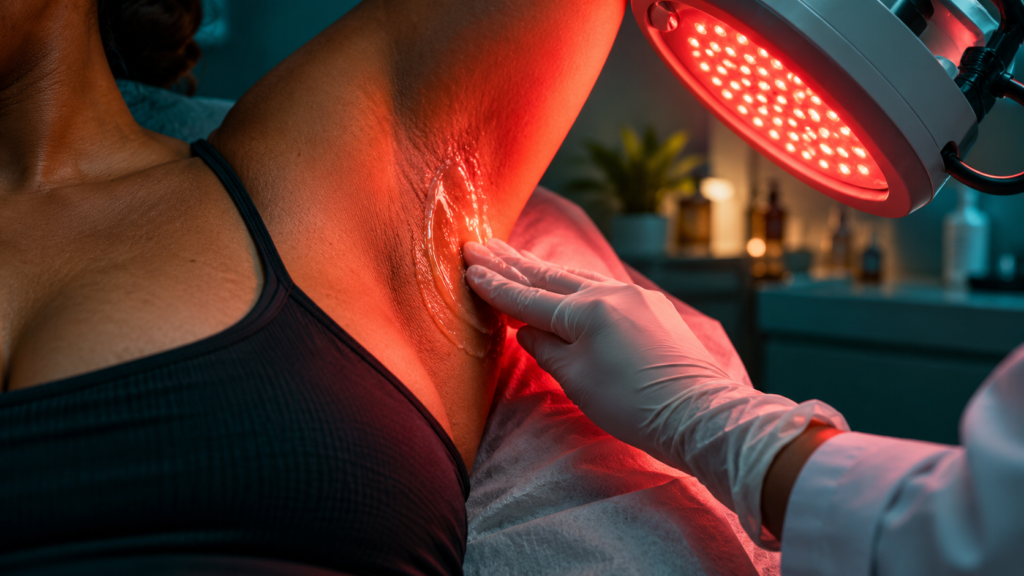
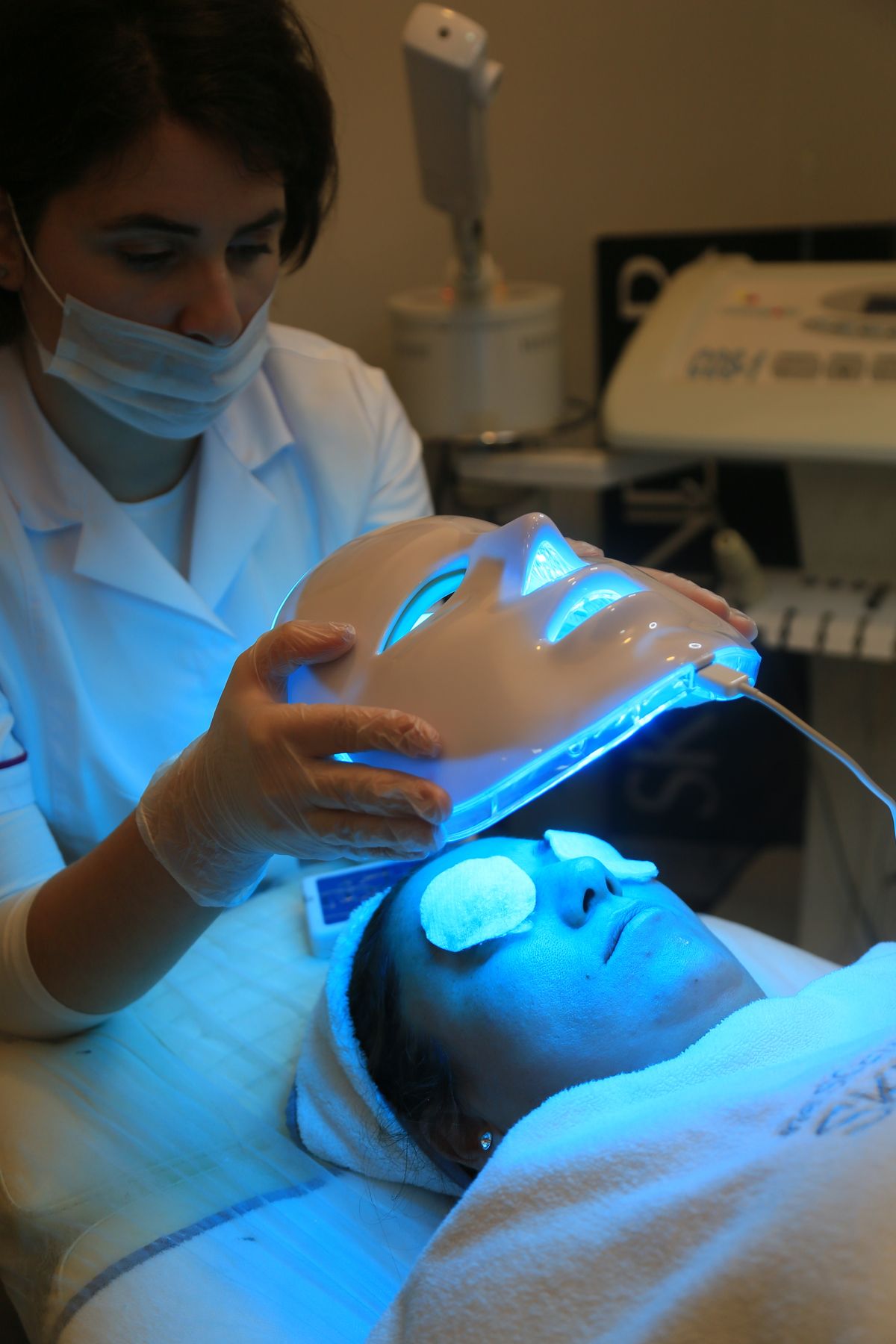
The move to home use comes with a genuine trade-off worth naming. On one side are convenience, privacy, and long-run cost savings; on the other is the loss of professional guidance that a clinic provides. In a supervised setting, a practitioner can help select an appropriate device, set a sensible protocol, screen for reasons to avoid treatment, and offer an informed read on whether anything is changing. At home, all of that judgment shifts to the user. Understanding these trade-offs helps consumers approach the at home red light therapy trend more thoughtfully.
This is not an argument against home devices, which suit many people well. It is a reminder that convenience and responsibility travel together. A thoughtful home user compensates by reading device documentation carefully, starting conservatively, tracking their own routine honestly, and treating a healthcare professional as a resource rather than an obstacle — especially before starting if any personal health factors might matter. Approached that way, the autonomy of home use becomes an advantage rather than a hazard.
Where the Trend Goes From Here
The at home red light therapy trend appears likely to continue as devices become more accessible and consumer awareness grows. The most constructive way to engage with the trend is not to ask whether at-home red light therapy is fashionable, but whether a given device is transparent, whether its use is reasonable for your circumstances, and whether your expectations match what the science can currently support. Answered honestly, those questions turn a trend into an informed personal choice.
The Bottom Line
The at home red light therapy trend reflects a genuine shift from clinic-only treatments toward everyday consumer wellness. The evidence remains uneven and still developing, so the wisest approach is to favor transparent devices, follow dosing guidance, respect sensible safety cautions, and keep expectations modest. Treated as one sustainable habit rather than a cure, it can fit reasonably into a broader wellness routine.
Ready for your very own red light therapy device? Check out our brand and product reviews to help inform your decision. You can also try out our product comparison shopping tool.
Frequently Asked Questions
Why is the at home red light therapy trend growing?
The at home red light therapy trend has grown because improvements in LED technology, greater consumer interest in self-care, and broader online visibility have made home devices more accessible.
Are home devices as effective as clinic ones?
Not necessarily. Home use often lacks the standardized protocols of clinical settings, and devices and doses vary, which is one reason individual results differ. Evidence overall remains uneven and still developing.
What should I look for in an at-home device?
Favor products that clearly state wavelengths, output, and recommended distance and session times. Transparency is a reasonable signal of a serious manufacturer, and it lets you follow sensible dosing.
Is at-home red light therapy safe?
At consumer doses, it is generally considered low-risk for healthy adults, with mild, temporary side effects. It is not right for everyone, so consult a professional if you are pregnant, photosensitive, or have relevant conditions.
Does FDA clearance mean a home device is proven to work?
No. Many devices are general wellness products, and 510(k) clearance reflects substantial equivalence to an existing device rather than a guarantee of a specific benefit.
This article is for general educational purposes only and is not medical advice. Red light therapy is not a substitute for professional care. Talk with a qualified healthcare professional about your individual situation.